.webp&w=384&q=75)

Loading, please wait...
Loading, please wait...
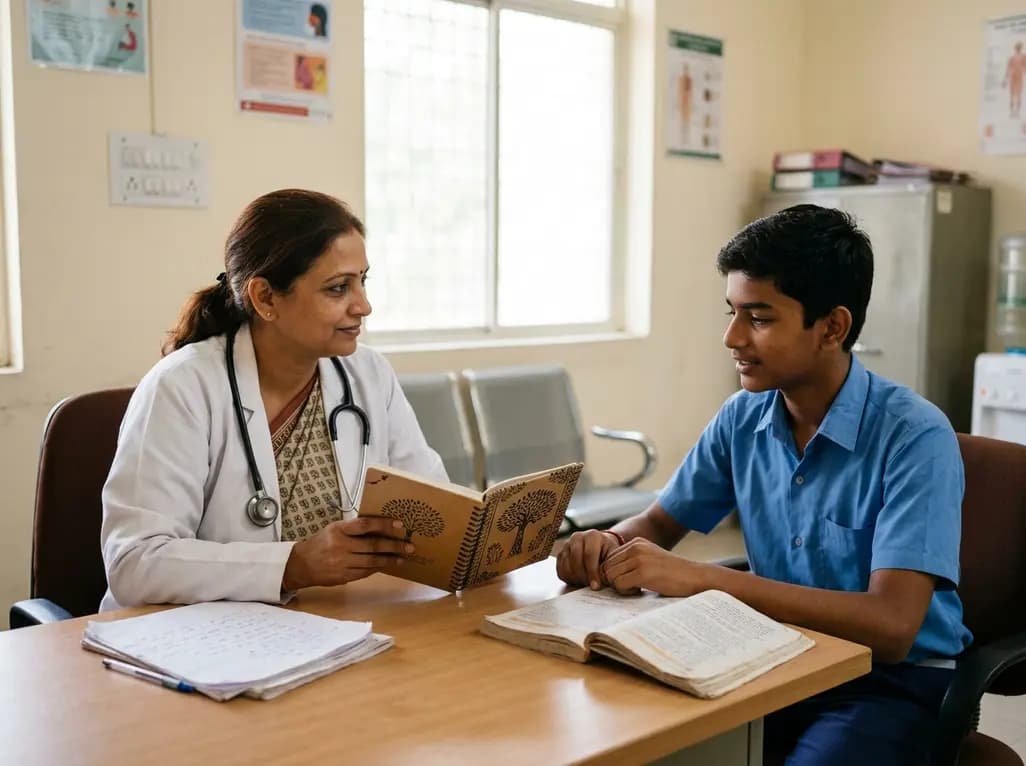
Global health experts frequently emphasize that mental health challenges are significantly prevalent among adolescents, particularly in Sub-Saharan Africa. However, professional treatment capacity in these regions remains severely limited due to a shortage of trained psychiatrists and psychologists. To bridge this gap, researchers have developed various adolescent mental health interventions that utilize lay providers. These programs aim to provide scalable, low-cost solutions for anxiety and depression. The Shamiri intervention is one such model, focusing on character strengths like gratitude and growth mindset. Previous trials have demonstrated its effectiveness in reducing symptoms among students. However, the unique stressors introduced by the COVID-19 pandemic presented a new challenge for these established protocols. Medical educators now look toward these findings to understand how context influences the success of psychological support. Consequently, evaluating these programs during periods of acute societal stress provides invaluable data for future clinical applications.
To rigorously test the Shamiri model, researchers conducted a massive five-arm randomized controlled trial (RCT) involving 1,252 Kenyan high school students. This large-scale study aimed to isolate the effects of individual components compared to the full program. Specifically, the participants were randomly allocated into five distinct groups: a growth-mindset only group, a gratitude-only group, a values-only group, the comprehensive Shamiri intervention group, and a study-skills control group. This methodology allowed the team to determine if a single psychological pillar was sufficient or if a multi-modal approach yielded better results. Furthermore, the longitudinal design tracked outcomes including anxiety, depression, and overall well-being over an eight-month period. Such robust data collection is essential for identifying the long-term sustainability of adolescent mental health interventions. The researchers utilized multilevel models to analyze changes at midpoint, endpoint, and various follow-up intervals, ensuring that the findings were statistically significant and reliable for a clinical audience.
The timing of this trial was particularly unique, as it occurred immediately following the COVID-19 school shutdowns. The Kenyan government had mandated a condensed curriculum, essentially forcing three years of academic work into a two-year timeframe to compensate for lost time. This policy created an environment of unprecedented academic pressure for students. As a result, the baseline levels of anxiety and depression among the adolescent cohort were notably elevated compared to pre-pandemic levels. Adolescents faced longer school days and more frequent testing, which intensified the psychological burden on a population already dealing with the aftermath of a global health crisis. Understanding this backdrop is crucial for medical professionals. It highlights how environmental factors and governmental policies can fundamentally alter the mental health landscape. Therefore, the researchers had to account for these external pressures when evaluating the efficacy of the Shamiri program against the control conditions.
The results of the trial were both encouraging and unexpected. Across all five conditions, including the control group, participants showed significant improvements in anxiety, depression, and well-being scores. Interestingly, the full Shamiri intervention maintained its efficacy, matching the symptom reduction rates seen in trials conducted before the pandemic. However, the study-skills control group performed far better than it had in previous studies. In fact, the reduction in anxiety was 31% greater, and the reduction in depression was 60% greater than pre-pandemic benchmarks. Because of this high performance in the control group, the researchers found no statistically significant difference between the outcomes of the Shamiri interventions and the study-skills group. This suggests that during times of high academic stress, practical tools for managing schoolwork can be as therapeutic as traditional psychological interventions. Medical practitioners should note that adolescent mental health interventions often derive power from their contextual relevance.
The high efficacy of study skills training in this trial underscores a vital lesson for mental health delivery: context is everything. When adolescents are overwhelmed by a specific, tangible stressor—such as an accelerated curriculum—providing tools to manage that specific stressor can lead to profound mental health benefits. Study skills training, while traditionally viewed as an academic aid, functioned as a clinical intervention by reducing the cognitive load and sense of helplessness associated with schoolwork. This discovery suggests that adolescent mental health interventions should not exist in a vacuum. Instead, they must be tailored to address the immediate environmental challenges faced by the target population. For clinicians in India and other high-pressure academic environments, this emphasizes the need for a holistic approach. Integrating organizational skills and time management into mental health protocols may improve outcomes for students struggling with performance-related anxiety.
One of the most promising aspects of the Shamiri trial is its reliance on lay providers. In resource-constrained settings, the ability to deliver effective mental health support without a full psychiatric staff is a game-changer. The trial demonstrated that trained community members can successfully facilitate both psychological and academic-support programs. This model is highly scalable and could be adapted for use in various community and school settings across the globe. By utilizing lay providers, the program reaches adolescents who might otherwise never receive care. Moreover, the trial shows that even "active controls" like study skills can serve as powerful tools in the mental health toolkit. Consequently, healthcare administrators should consider diversified intervention strategies that include both psychological resilience training and practical life skills. As we move forward, the integration of these varied approaches will be essential for building robust support systems for the youth.
The Shamiri intervention is a lay-provider-delivered program designed for adolescents. It focuses on three core psychological pillars: gratitude, a growth mindset, and values affirmation. These components aim to build emotional resilience and reduce symptoms of depression and anxiety, especially in settings where professional mental health resources are limited.
The study skills group performed exceptionally well because it addressed the primary stressor facing the students: intense academic pressure following COVID-19 shutdowns. By teaching students how to manage their workload effectively, the intervention reduced the underlying cause of their anxiety, leading to significant mental health improvements.
Yes, these findings suggest that mental health interventions should be contextually relevant. In regions where academic pressure is high, such as India, integrating study skills with psychological support may be highly effective. The lay-provider model also offers a scalable solution for various resource-limited environments globally.
Disclaimer: This content is for informational and educational purposes only... Refer to the latest local and national guidelines for clinical practice.
References
Venturo-Conerly KE et al. Testing the Shamiri Intervention and Its Components With Kenyan Adolescents During the COVID-19 Pandemic: Outcomes of a Universal, 5-Arm Randomized Controlled Trial. J Am Acad Child Adolesc Psychiatry. 2025 Jul. doi: 10.1016/j.jaac.2024.04.015. PMID: 38851382.
World Health Organization. (2021). Adolescent Mental Health. WHO Fact Sheets.
The Lancet Psychiatry. (2020). Mental health effects of COVID-19 on children and young people. The Lancet Psychiatry, 7(7), 563-564.

Read summarized clinical updates, watch expert medical content, and earn CME certifications right from your smartphone.
Open your smartphone camera to scan and install.





This study examines the efficacy of the Shamiri intervention and study skills in reducing anxiety and depression among Kenyan adolescents during the COVID-19 pandemic. Results show that while Shamiri remains effective, contextually relevant study skills provide significant relief during academic stress.
Last week
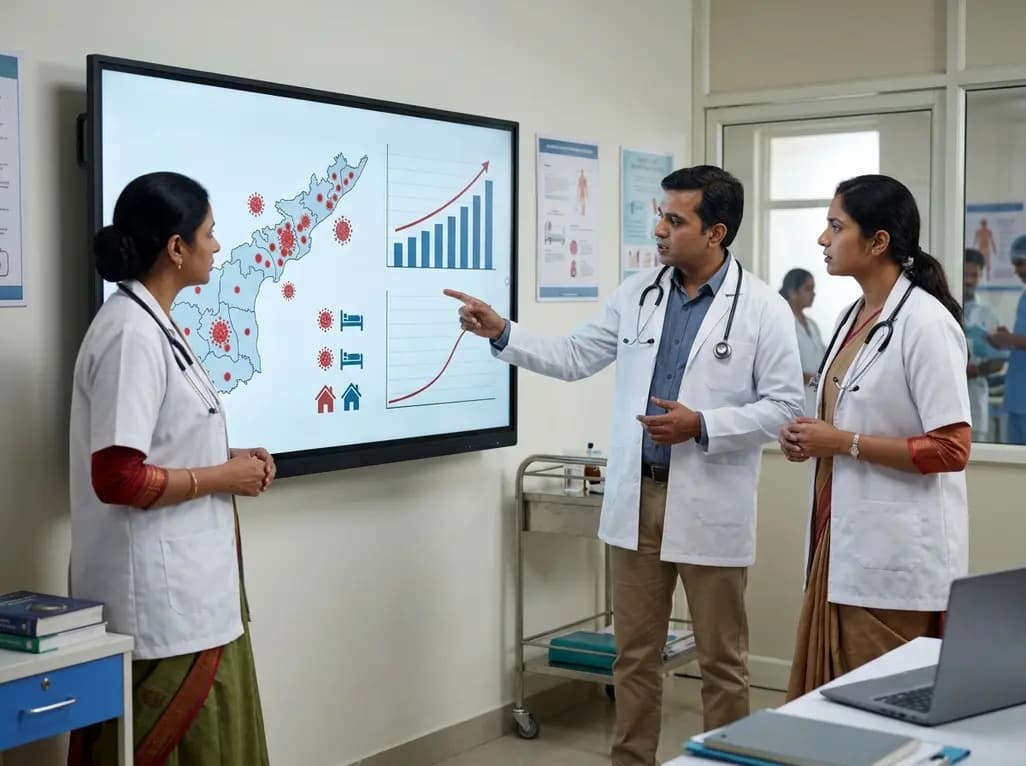
Andhra Pradesh reported 10 new Covid-19 cases, taking the state tally to 49 while deaths remain at four. With 24 patients hospitalized and 16 under home isolation, the Health Department has intensified monitoring. Medical professionals should review regional distribution, diagnostic protocols, and management plans.
Today

An 11-year Swedish registry study of 618 uterine sarcoma patients found that minimally invasive surgery yielded survival comparable to open surgery in early stages. However, adjuvant chemotherapy conferred no survival benefit in localized or advanced disease, highlighting stage and histology as key outcomes.
3 days back
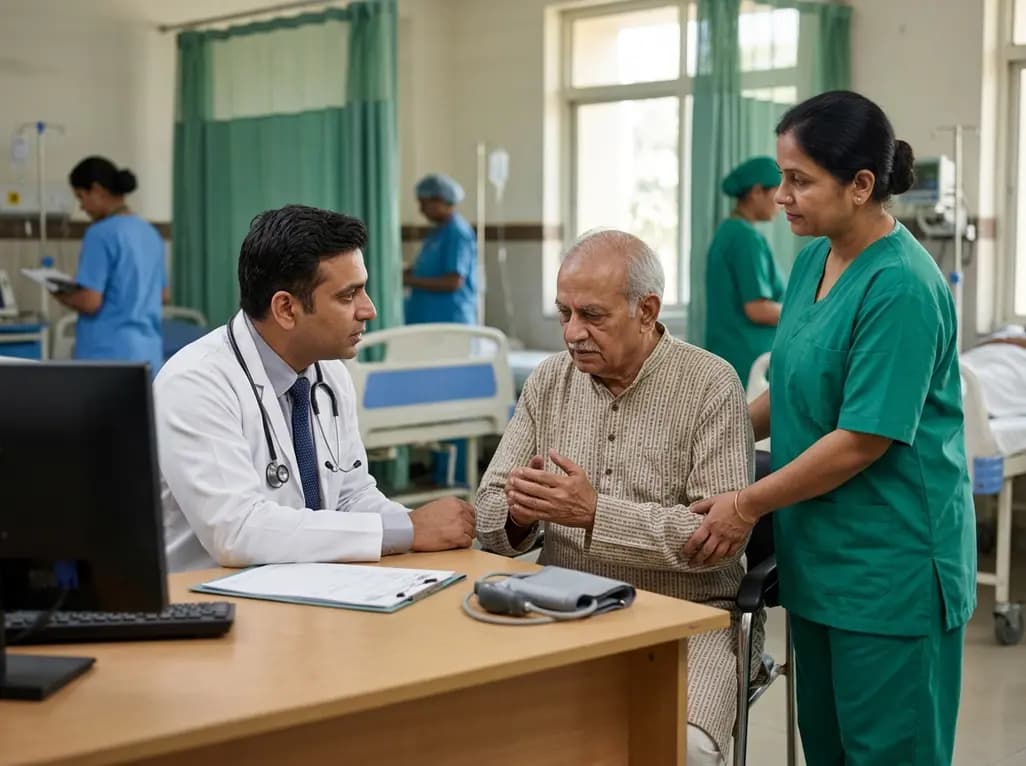
A cross-sectional study evaluates post-intensive care syndrome in cardiac patients 2-4 weeks post-ICU discharge, highlighting cognitive, psychological, and functional impairments and the need for structured multidisciplinary rehabilitation.
3 days back
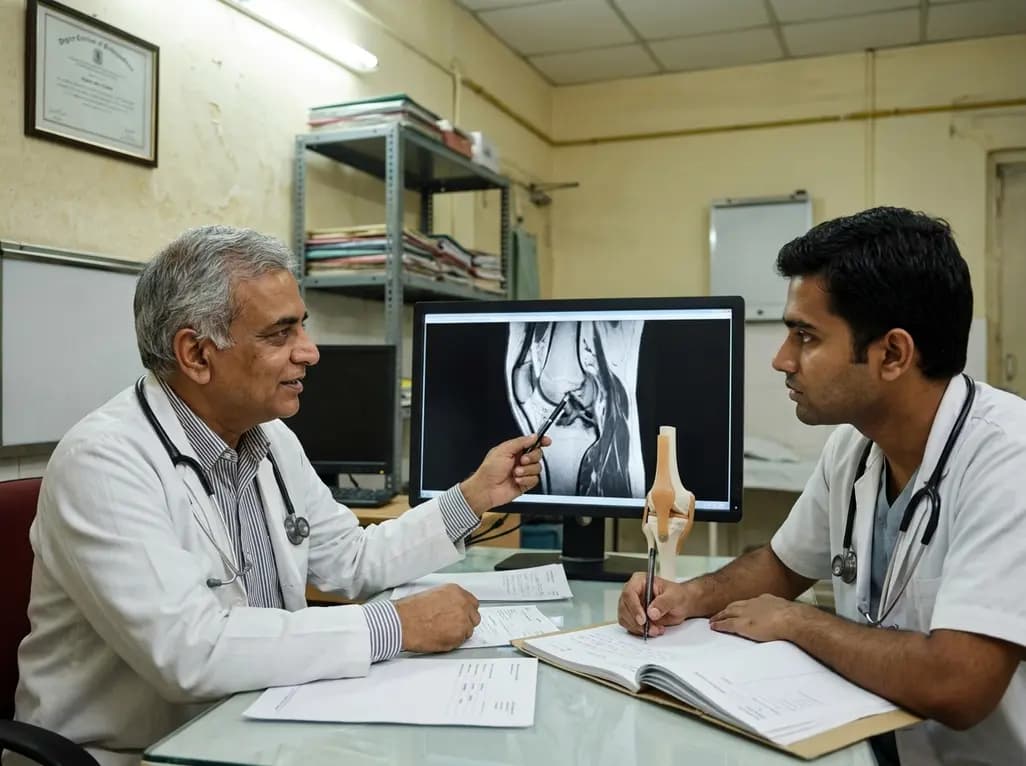
Anterior cruciate ligament reconstruction failure lacks uniform definition. A narrative review proposes an integrative framework incorporating objective and subjective instability, persistent pain, restricted motion, graft rupture, and secondary meniscal injury to standardize clinical reporting.
3 days back
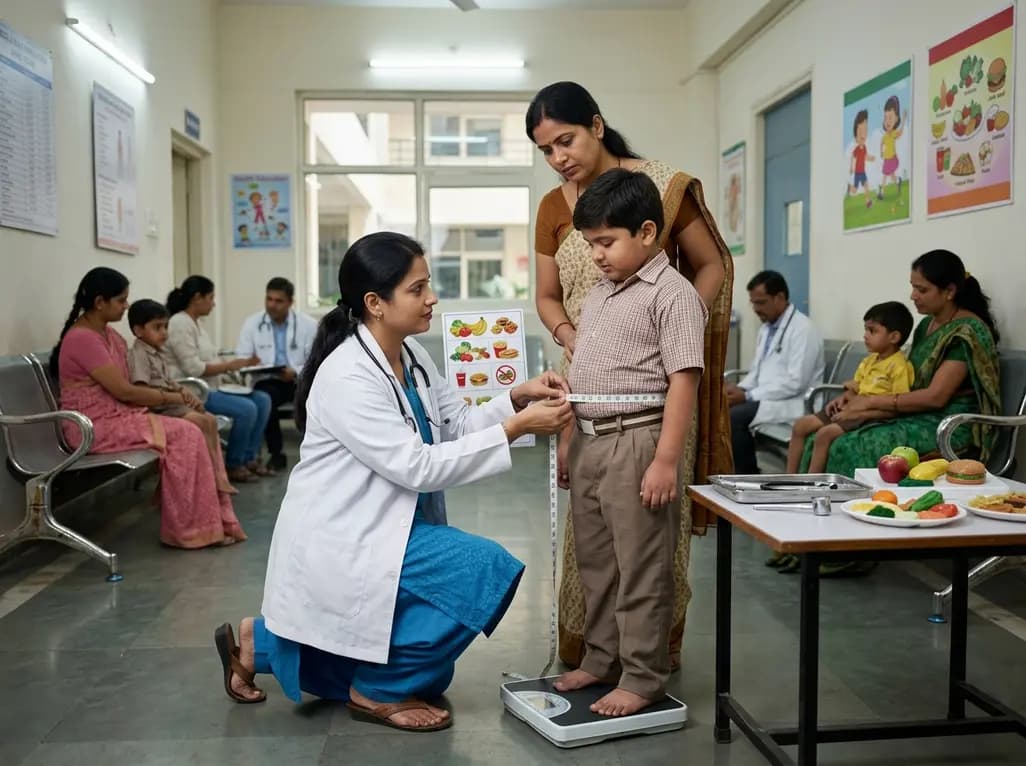
With World Obesity Atlas data warning that over 41 million Indian children are overweight or obese, ICMR and NIN have unveiled a 10-point policy roadmap. The initiative calls for mandatory front-of-pack labeling, HFSS taxes, strict marketing bans, and healthier school environments to curb non-communicable diseases.
Today
