.webp&w=384&q=75)

Loading, please wait...
Loading, please wait...
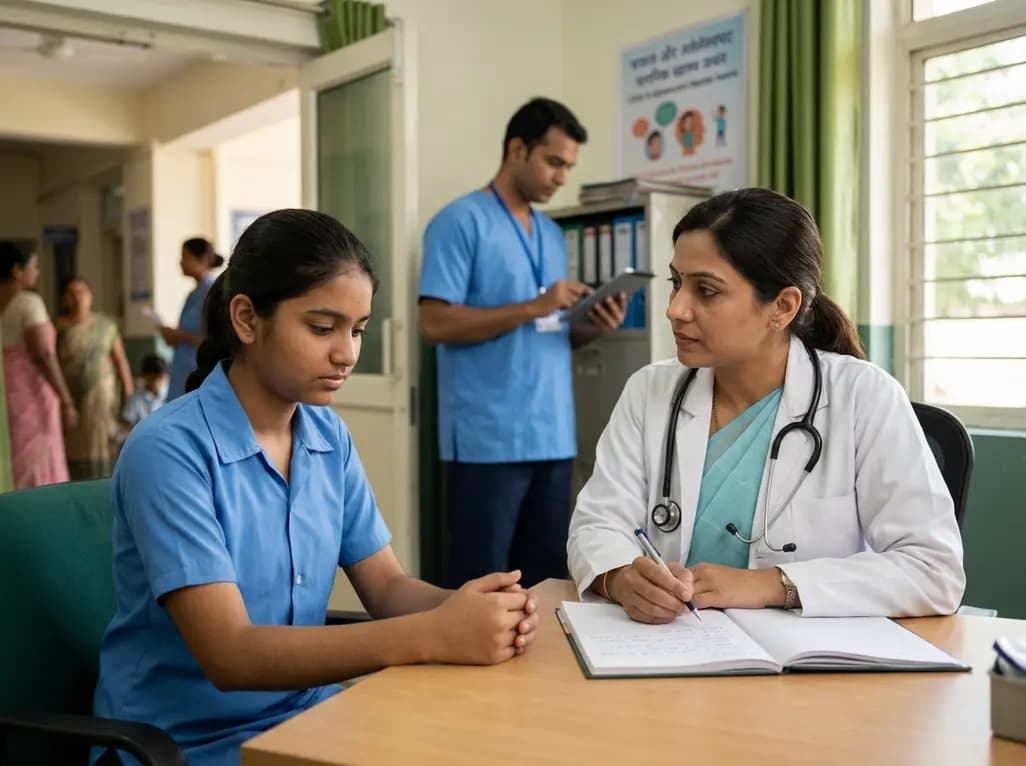
Global health authorities have long identified adolescence as a critical window for the onset of psychiatric disorders. In low- and middle-income countries, the gap between mental health needs and available professional resources is particularly stark. Many regions in Sub-Saharan Africa and South Asia, including India, face a significant shortage of child and adolescent psychiatrists. This scarcity necessitates the development of low-intensity, scalable adolescent mental health interventions that can be delivered by lay providers rather than specialists. Such programs often focus on transdiagnostic skills that empower youth to manage common symptoms of anxiety and depression. Furthermore, schools provide a unique setting for these interventions, as they offer direct access to large populations of at-risk youth. However, the effectiveness of these programs can be significantly influenced by external environmental stressors. The COVID-19 pandemic represented one such unprecedented stressor, disrupting education systems and escalating the psychological burden on students worldwide. Consequently, understanding how these interventions perform during times of crisis is vital for clinicians and policymakers alike. Researchers are now looking at modular components of therapy to see which specific skills—such as gratitude or growth mindsets—offer the most protection against modern stressors.
The Shamiri intervention is a school-based, lay provider-delivered program originally designed to reduce symptoms of depression and anxiety among Kenyan youth. In a recently published five-arm randomized controlled trial, researchers sought to isolate the effectiveness of the full Shamiri program compared to its individual components. Specifically, the study allocated 1,252 adolescents into five distinct groups: growth mindset-only, gratitude-only, values-only, the full Shamiri intervention, and an active control group focused on study skills. Unlike previous trials that focused on symptomatic youth, this was a universal trial, meaning it included students regardless of their baseline symptom levels. The participants, who had a mean age of approximately 15 years, were followed for eight months. This longitudinal approach allowed the team to track whether the benefits of these adolescent mental health interventions persisted over time. Notably, the trial was conducted shortly after the Kenyan government mandated a curriculum compression. This mandate forced three years of high school work into just two years to make up for time lost during COVID-19 lockdowns. Therefore, the trial took place in a high-stakes environment characterized by extreme academic pressure and rapid learning requirements, providing a unique backdrop for assessing the resilience-building capacity of psychological tools versus practical academic support.
Each arm of the Shamiri trial targeted a specific psychological mechanism believed to buffer against internalizing symptoms. The growth mindset component taught students that their intelligence and personalities are malleable through effort, which helps mitigate the hopelessness often associated with depression. Meanwhile, the gratitude intervention encouraged students to focus on positive aspects of their lives, potentially disrupting negative thought cycles. The values-affirmation component aimed to bolster self-integrity by having students reflect on core personal beliefs, which acts as a buffer against social and academic stress. While the full Shamiri intervention combined these elements, the five-arm design aimed to determine if one specific component drove most of the clinical improvement. Previous research had suggested that these low-intensity adolescent mental health interventions could match the efficacy of more complex cognitive-behavioral therapies. In this specific trial, all intervention groups showed significant improvements in well-being and symptom reduction over the 8-month follow-up period. Moreover, the magnitude of improvement for the Shamiri groups was consistent with findings from pre-pandemic trials. This suggests that the core psychological components of the program remain robust even when students are facing heightened external pressure. However, the most surprising finding emerged from the active control group, which received training in study skills rather than psychological coping mechanisms.
In most clinical trials for mental health, the "active control" or "placebo" group is expected to show minimal improvement compared to the primary intervention. However, in this trial, the study skills group performed remarkably well. Participants in the study skills condition showed a 31% greater reduction in anxiety and a 60% greater reduction in depression than students in similar control groups from pre-pandemic trials. In fact, there were no statistically significant differences in outcomes between the specialized mental health interventions and the study skills control. This phenomenon suggests that when the primary source of distress is contextual—such as the intense academic pressure of a compressed curriculum—providing practical tools to manage that context can be as therapeutic as traditional psychological interventions. Study skills, such as note-taking, time management, and exam preparation, likely provided students with a sense of primary control over their immediate environment. Consequently, this reduced the "academic stress" that was fueling their anxiety and depressive symptoms. These results highlight a crucial lesson for global health: adolescent mental health interventions may need to prioritize "context-to-intervention match." When youth are overwhelmed by specific external demands, addressing those demands directly through life skills may yield profound mental health dividends that rival specialized therapy.
The findings from the Kenyan Shamiri trial hold significant relevance for medical practitioners in India. Much like Kenya, the Indian education system is characterized by high-stakes examinations, competitive environments, and a heavy curriculum load. Post-pandemic, many Indian students have also faced the challenge of "learning gaps" and the pressure to catch up on missed academic years. Indian studies, such as research conducted in the Belagavi district, have shown that over 70% of adolescents report high levels of academic stress, which is significantly associated with anxiety and self-despondency. Therefore, the integration of academic support into adolescent mental health interventions could be a highly effective strategy in the Indian context. Pediatricians and psychiatrists should consider that for many students, the "psychological" problem may be a direct secondary effect of an "academic" challenge. Recommending or implementing programs that teach organizational skills and effective learning strategies might serve as a form of primary prevention or even early intervention for internalizing disorders. Additionally, the success of lay-provider models in the Shamiri trial reinforces the potential for task-shifting in India. Training teachers or community health workers to deliver these brief, focused sessions could help bridge the massive mental health treatment gap in both urban and rural settings across the country.
As we move further from the immediate impact of the pandemic, the lessons learned from the Shamiri trial should inform the next generation of school-based wellness programs. It is clear that universal adolescent mental health interventions must be adaptable. While psychological skills like gratitude and growth mindsets are universally beneficial, their relative impact may fluctuate based on the student's environmental demands. Future programs might benefit from a modular approach, where students can receive either psychological buffering or practical life skills based on their current stressors. For instance, during exam seasons, the focus might shift toward time management and study strategies, while periods of social transition might prioritize values and mindset work. Overall, this research validates the power of low-intensity, lay-delivered interventions in improving youth well-being on a large scale. It also challenges the traditional hierarchy of interventions, showing that "non-therapeutic" skills can have powerful therapeutic effects when they are contextually relevant. For clinicians, this means broadening the definition of mental health support to include any skill that enhances a young person’s sense of agency and control. By fostering both psychological resilience and practical competence, we can better equip the next generation to navigate the complexities of a post-pandemic world.
Unlike traditional therapy which often requires specialized psychologists, Shamiri is a low-intensity program delivered by trained lay providers. It utilizes brief, modular components like growth mindset and gratitude exercises. This makes it highly scalable in low-resource regions where professional mental health capacity is severely limited compared to the high demand.
The study occurred during a period of extreme academic pressure following COVID-19 school shutdowns. Study skills provided students with practical tools to manage their compressed curriculum. By increasing their sense of competence and control over their studies, the intervention directly mitigated the primary source of their psychological distress.
Yes, the findings are highly applicable to India, where academic stress is a major driver of adolescent mental health issues. Integrating study skills and life skills into wellness programs can address the contextual stressors students face, providing a scalable and culturally relevant way to improve adolescent well-being.
Disclaimer: This content is for informational and educational purposes only and does not constitute professional medical advice, diagnosis, or treatment. Always seek the advice of your physician or other qualified health provider with any questions you may have regarding a medical condition. Refer to the latest local and national guidelines for clinical practice.
References
Venturo-Conerly KE et al. Testing the Shamiri Intervention and Its Components With Kenyan Adolescents During the COVID-19 Pandemic: Outcomes of a Universal, 5-Arm Randomized Controlled Trial. J Am Acad Child Adolesc Psychiatry. 2025 Jul. doi: 10.1016/j.jaac.2024.04.015. PMID: 38851382.
Osborn TL et al. The Shamiri group intervention for adolescent anxiety and depression: study protocol for a randomized controlled trial of a lay-provider-delivered, school-based intervention in Kenya. Trials. 2020. doi: 10.1186/s13063-020-04873-1.
Thangavel V & Munda XM. Overcoming Academic Pressure and Mental Health Care in India: Review. SAR J Psychiatry Neurosci. 2024;5(4):61-65.

Read summarized clinical updates, watch expert medical content, and earn CME certifications right from your smartphone.
Open your smartphone camera to scan and install.





A recent 5-arm randomized controlled trial involving 1,252 Kenyan adolescents investigated the Shamiri intervention's efficacy for anxiety and depression. The study revealed that while the intervention was successful, study skills training offered comparable benefits during periods of extreme academic pressure.
Last week
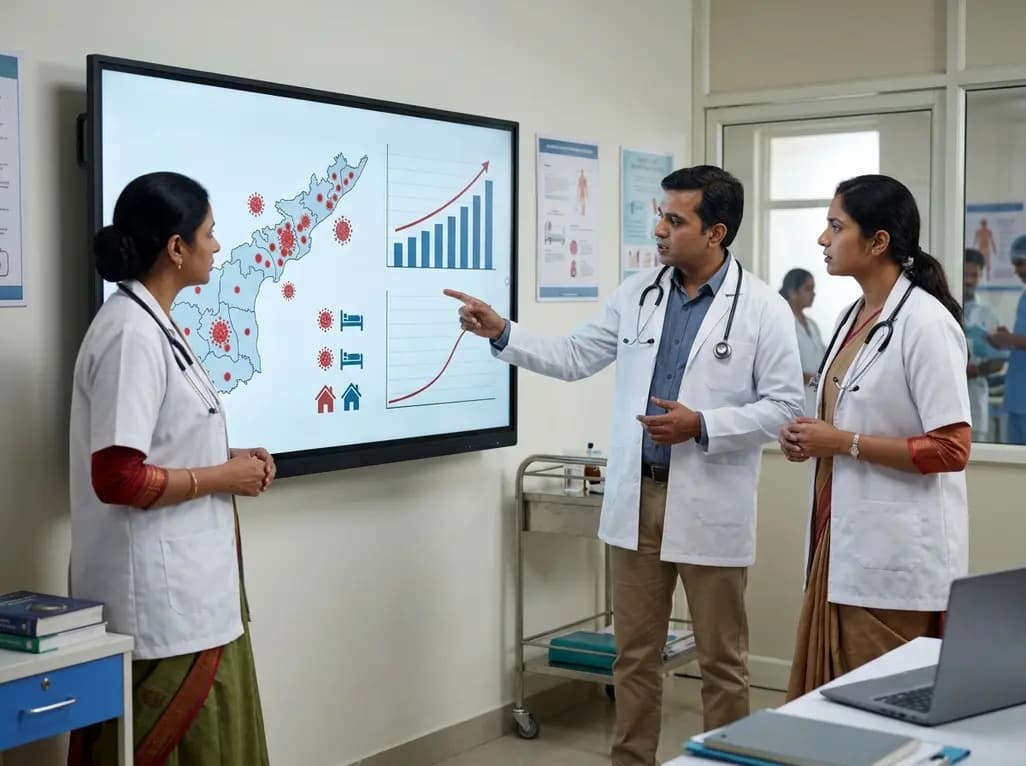
Andhra Pradesh reported 10 new Covid-19 cases, taking the state tally to 49 while deaths remain at four. With 24 patients hospitalized and 16 under home isolation, the Health Department has intensified monitoring. Medical professionals should review regional distribution, diagnostic protocols, and management plans.
Today
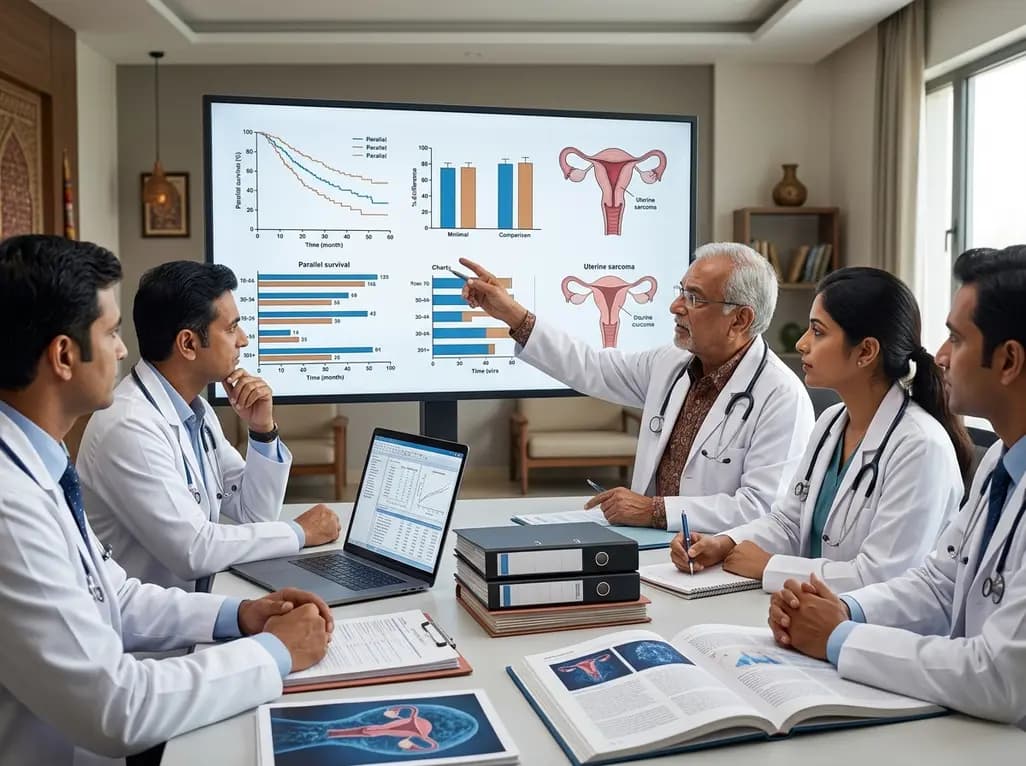
An 11-year Swedish registry study of 618 uterine sarcoma patients found that minimally invasive surgery yielded survival comparable to open surgery in early stages. However, adjuvant chemotherapy conferred no survival benefit in localized or advanced disease, highlighting stage and histology as key outcomes.
3 days back
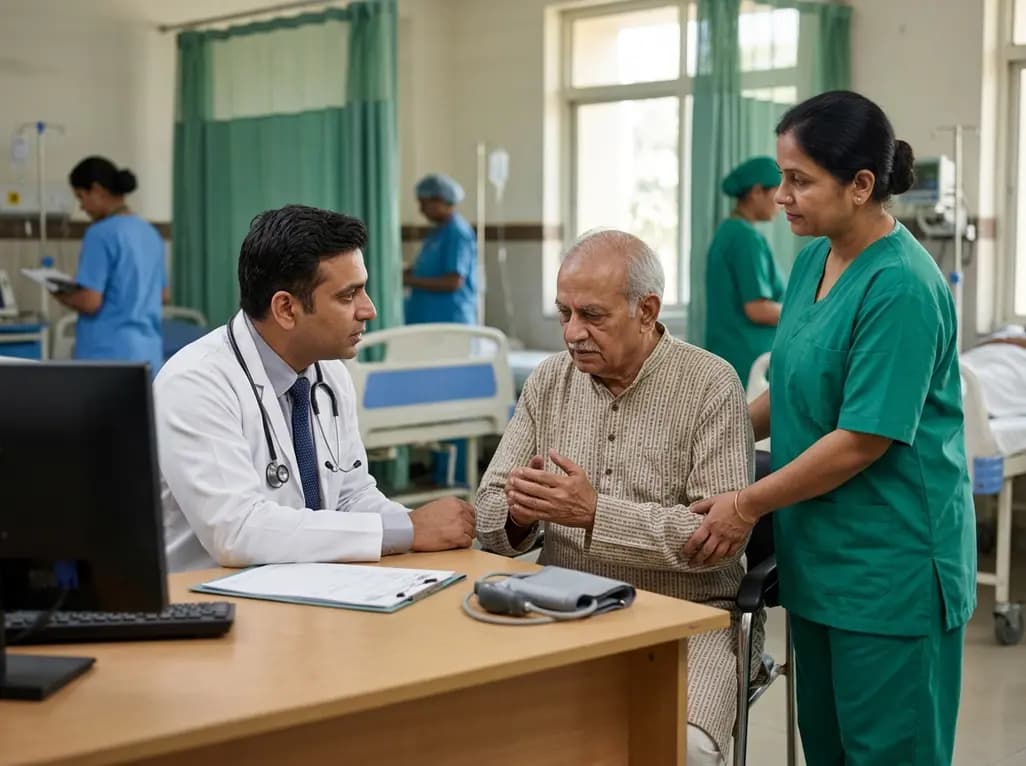
A cross-sectional study evaluates post-intensive care syndrome in cardiac patients 2-4 weeks post-ICU discharge, highlighting cognitive, psychological, and functional impairments and the need for structured multidisciplinary rehabilitation.
3 days back
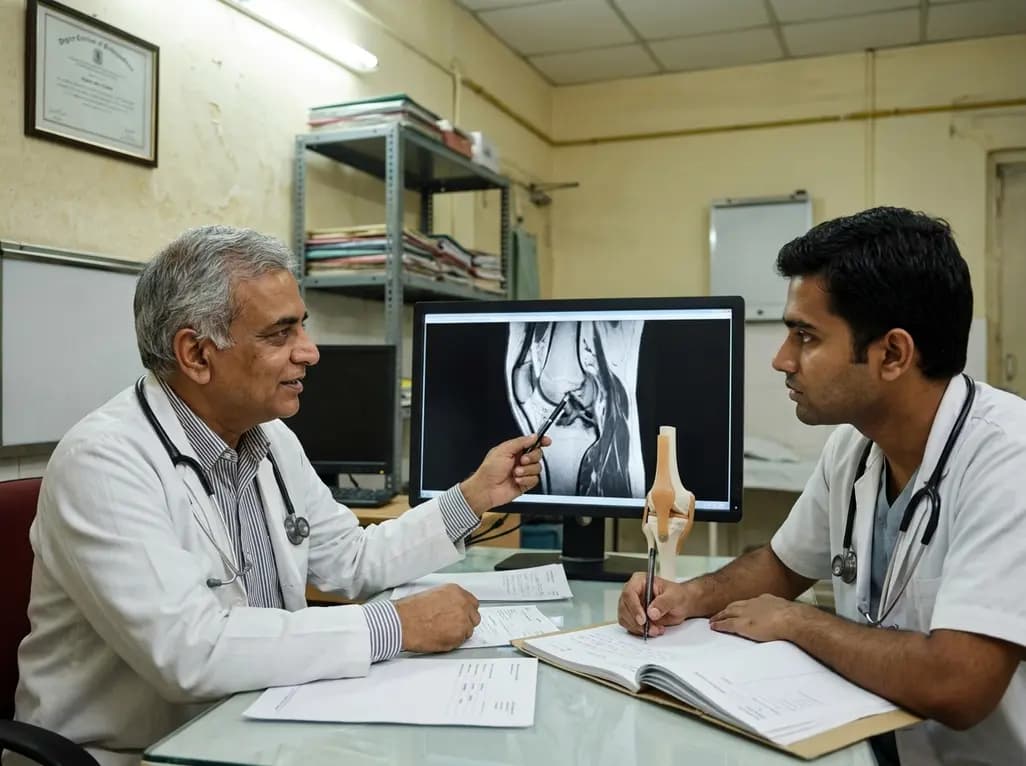
Anterior cruciate ligament reconstruction failure lacks uniform definition. A narrative review proposes an integrative framework incorporating objective and subjective instability, persistent pain, restricted motion, graft rupture, and secondary meniscal injury to standardize clinical reporting.
3 days back
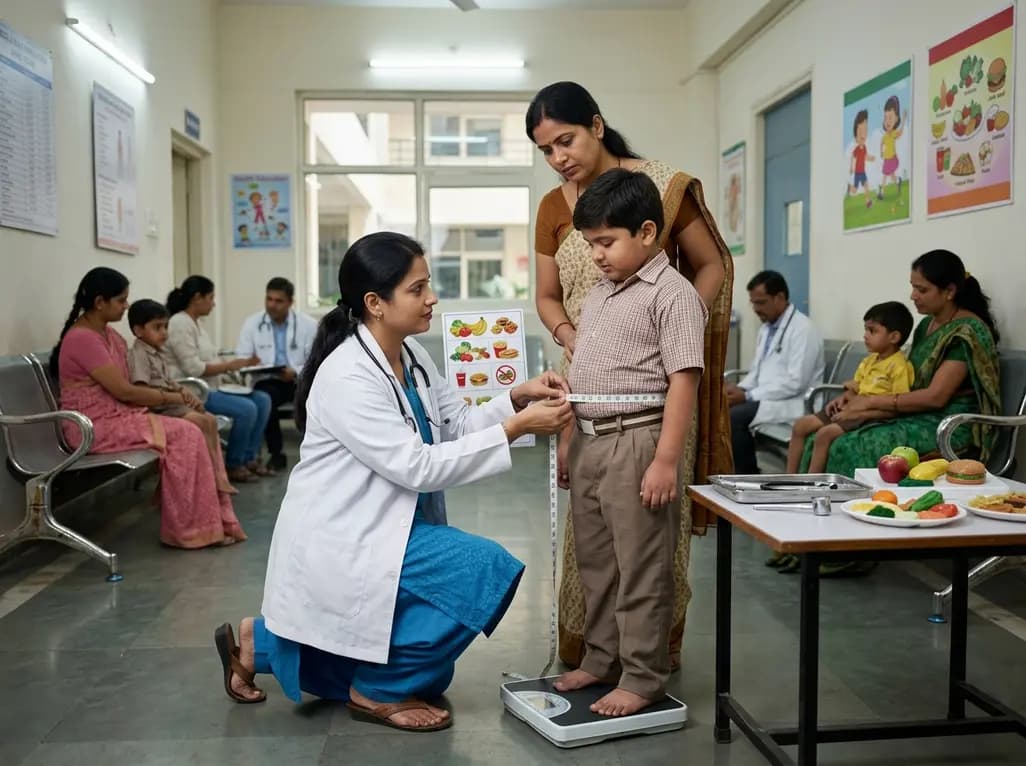
With World Obesity Atlas data warning that over 41 million Indian children are overweight or obese, ICMR and NIN have unveiled a 10-point policy roadmap. The initiative calls for mandatory front-of-pack labeling, HFSS taxes, strict marketing bans, and healthier school environments to curb non-communicable diseases.
Today
