.webp&w=384&q=75)

Loading, please wait...
Loading, please wait...

Adolescence represents a critical developmental window where the foundations of long-term psychological well-being are established. Globally, mental health challenges among youth are rising, yet the capacity for professional clinical treatment remains severely limited, particularly in low- and middle-income countries. To address this gap, researchers have increasingly turned toward scalable, task-shifted models. One such initiative is the Shamiri intervention in Kenya, which utilizes lay providers to deliver evidence-based psychological support. This program focuses on character strengths like gratitude, growth mindset, and values affirmation. Recent investigations into adolescent mental health interventions have highlighted the potential of these brief, school-based programs to reduce symptoms of depression and anxiety among high school students facing significant environmental stressors.
However, the efficacy of these interventions can be profoundly influenced by the specific socio-political and educational context in which they are implemented. During the COVID-19 pandemic, Kenyan adolescents faced a unique set of challenges as schools reopened under a government-mandated compressed curriculum. This environment provided a rigorous testing ground for the Shamiri model. By evaluating how specific components of the intervention performed against an active control group, researchers sought to understand not just if these programs work, but which elements are most vital when youth are under extreme pressure. Furthermore, the study aimed to determine if the full multi-component intervention offered superior benefits compared to its individual parts, such as gratitude-only or growth-only sessions.
The study utilized a robust 5-group randomized controlled trial (RCT) design involving 1,252 adolescents from various Kenyan high schools. Participants were randomly allocated to one of five conditions: a growth mindset-only group, a gratitude-only group, a values affirmation-only group, the full Shamiri intervention, and an active control group focused on study skills. This granular approach allowed the research team to dissect the "active ingredients" of psychological resilience. Most notably, the trial was longitudinal, tracking outcomes for anxiety, depression, and overall well-being from the midpoint of the intervention through an 8-month follow-up period. The inclusion of an active control group is particularly significant, as it provides a benchmark for improvement that goes beyond the mere passage of time or the benefits of social interaction.
In addition to the randomized allocation, the trial employed multilevel modeling to account for the nested nature of the data within different schools and classrooms. This statistical rigor ensured that the observed effects were attributable to the interventions themselves rather than extraneous local factors. The demographic makeup of the participants was nearly equal in gender distribution, ensuring that the findings were applicable across the broader student population. Consequently, the trial offered a comprehensive view of how different adolescent mental health interventions interact with a student's daily life and academic environment. By maintaining a high retention rate throughout the 8-month period, the researchers provided one of the most detailed longitudinal analyses of school-based mental health support in the Sub-Saharan African context.
The results of the trial were both encouraging and unexpected. Across all five groups, including the study skills control, participants reported significant and sustained reductions in anxiety and depression symptoms. Well-being scores also showed marked improvement at every follow-up interval. Specifically, the Shamiri intervention maintained its effectiveness, matching the symptom reduction levels observed in pre-pandemic trials. This stability suggests that the core components of the program—gratitude, growth, and values—are resilient even during periods of societal upheaval. Nevertheless, the most striking finding was the performance of the study skills control group. In previous trials, study skills training typically produced modest mental health benefits. However, in this post-COVID-19 era, the study skills group showed a 31% greater reduction in anxiety and a 60% greater reduction in depression compared to earlier benchmarks.
To understand this phenomenon, one must look at the specific pressures facing Kenyan students at the time. After a long school shutdown, the government required three years of curriculum to be completed in just two years. This created an environment where academic failure was a primary source of psychological distress. Consequently, providing students with the practical tools to manage this workload acted as a potent mental health intervention. This suggests that when a specific stressor dominates a population's experience, interventions that directly address that stressor may be as effective as traditional psychological treatments. Furthermore, the lack of significant differences between the intervention groups and the control group indicates that the "contextual relevance" of the skills being taught is a primary driver of success in adolescent mental health interventions.
The unexpected success of the study skills group highlights a vital principle in global mental health: the necessity of aligning interventions with the lived realities of the target population. While character-strength interventions like gratitude are universally valuable, their relative impact may fluctuate based on the immediate needs of the youth. For the Kenyan students, the ability to organize their time and master complex subjects was not just an academic requirement; it was a survival mechanism against the threat of falling behind in a highly competitive system. Therefore, the study skills training served as a form of "problem-focused coping," which directly mitigated the environmental source of their anxiety. In contrast, the Shamiri components provided "emotion-focused coping," helping students regulate their internal responses to that same pressure.
Moreover, these findings challenge the traditional hierarchy of psychological interventions. We often assume that programs based on clinical psychology principles are inherently superior to "life skills" training for reducing symptoms of mental illness. This trial proves that in certain contexts, life skills that offer a sense of control and competence can have profound clinical effects. For clinicians and educators in India, where academic competition and exam-related stress are similarly intense, these insights are particularly relevant. It suggests that integrating robust study and organizational skills into the curriculum may be a foundational step in supporting adolescent mental health interventions. By addressing the root causes of academic anxiety, we can create a more resilient student body capable of utilizing more advanced psychological tools effectively.
A significant strength of the Shamiri model is its delivery through lay providers rather than highly specialized clinical psychologists. This task-shifting approach is essential for scaling adolescent mental health interventions in regions where professional resources are scarce. The trial demonstrates that with proper training and a structured curriculum, non-specialists can deliver interventions that produce longitudinal improvements in student mental health. This model not only reduces the cost of care but also embeds mental health support within the natural environment of the school. Students are more likely to engage with programs that are accessible, low-stigma, and delivered by relatable mentors. Furthermore, the fact that a simple study skills program could produce such significant results suggests that the barrier to entry for effective mental health support may be lower than previously thought.
In addition to cost-effectiveness, the lay-provider model fosters a sense of community resilience. By training local individuals to support their peers, the program builds a sustainable infrastructure that can survive beyond the duration of a specific research study. This is particularly important in the wake of the COVID-19 pandemic, which exposed the fragility of traditional healthcare systems. As we move forward, the focus must remain on developing interventions that are not only evidence-based but also feasible to implement at a national level. The Kenyan experience provides a roadmap for other nations to follow, emphasizing that the most effective support is often that which is most closely aligned with the challenges students face every day. By empowering schools to provide both psychological and practical skills, we can offer a more holistic approach to adolescent development.
The 5-arm Shamiri trial offers profound insights into the evolution of school-based mental health support. It confirms that brief, lay-provider-delivered programs can provide lasting benefits for adolescents facing high-pressure environments. However, the study also serves as a reminder that the "control" condition in an RCT is rarely a neutral baseline. When the control intervention provides skills that are highly relevant to the participants' current stressors, it can become a powerful treatment in its own right. This does not diminish the value of interventions like Shamiri; rather, it broadens our understanding of what constitutes effective mental health support. Future adolescent mental health interventions should strive to be multi-dimensional, combining psychological regulation techniques with practical problem-solving skills.
Ultimately, the goal of these programs is to help youth thrive, not just survive. By recognizing the bidirectional relationship between academic success and mental health, educators and clinicians can design more effective support systems. The Kenyan trial proves that even in the face of unprecedented academic pressure and the lingering effects of a global pandemic, adolescents possess a remarkable capacity for improvement when given the right tools. As the global community continues to prioritize youth mental health, the lessons from this trial will undoubtedly play a central role in shaping the next generation of scalable, contextually aware interventions.
The Shamiri intervention is a school-based program delivered by lay providers to Kenyan adolescents. It focuses on evidence-based psychological components such as growth mindset, gratitude, and values affirmation. By teaching these character strengths, the program helps students improve their emotional regulation, reduce symptoms of anxiety and depression, and enhance overall subjective well-being through brief, accessible sessions.
The study skills group performed exceptionally well because the training was contextually relevant to the participants. Following the COVID-19 school shutdowns, Kenyan students had to complete three years of curriculum in just two years. Therefore, learning how to manage academic pressure directly addressed their primary source of stress, resulting in significant improvements in their mental health scores.
Yes, this trial and several others have demonstrated that lay providers can effectively deliver structured psychological interventions. By using a task-shifting model, these programs can scale quickly in resource-limited settings. Lay providers often reduce the stigma associated with seeking help and can provide support within the familiar environment of a school, making the interventions more accessible.
Disclaimer: This content is for informational and educational purposes only. It does not constitute professional medical advice, diagnosis, or treatment. Always seek the advice of your physician or other qualified healthcare provider with any questions you may have regarding a medical condition. Refer to the latest local and national guidelines for clinical practice.
References
Venturo-Conerly KE et al. Testing the Shamiri Intervention and Its Components With Kenyan Adolescents During the COVID-19 Pandemic: Outcomes of a Universal, 5-Arm Randomized Controlled Trial. J Am Acad Child Adolesc Psychiatry. 2025 Jul. doi: 10.1016/j.jaac.2024.04.015. PMID: 38851382.
Osok J, Kigamwa P, Huang KY, et al. Adolescent mental health in Kenya: A review of the prevalence, risk factors, and pathways to care. Glob Ment Health (Camb). 2018;5:e26. doi: 10.1017/gmh.2018.17.
Shamiri Institute. Adolescent Mental Health in Kenya: Evidence, Challenges, and Policy Solutions. White Paper. 2025.

Read summarized clinical updates, watch expert medical content, and earn CME certifications right from your smartphone.
Open your smartphone camera to scan and install.





This 5-group randomized controlled trial investigates the efficacy of the Shamiri intervention and study-skills training on the mental health of 1,252 Kenyan adolescents. Results show significant improvements across all groups, highlighting the critical role of contextually relevant support systems.
2 weeks back
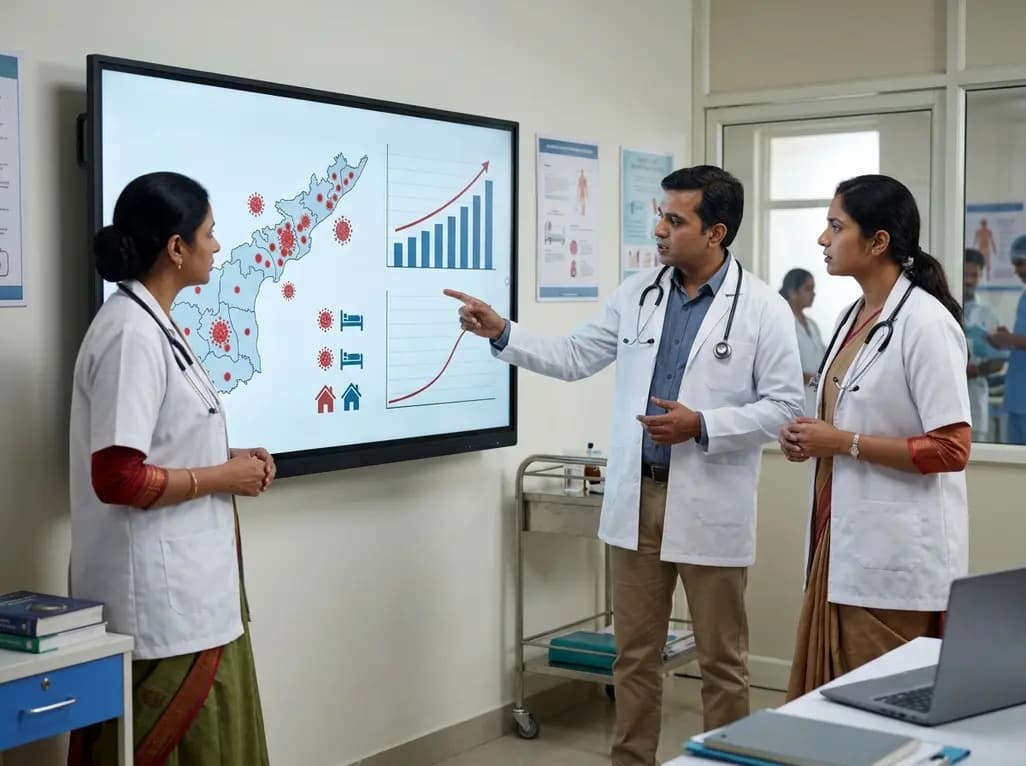
Andhra Pradesh reported 10 new Covid-19 cases, taking the state tally to 49 while deaths remain at four. With 24 patients hospitalized and 16 under home isolation, the Health Department has intensified monitoring. Medical professionals should review regional distribution, diagnostic protocols, and management plans.
Today

An 11-year Swedish registry study of 618 uterine sarcoma patients found that minimally invasive surgery yielded survival comparable to open surgery in early stages. However, adjuvant chemotherapy conferred no survival benefit in localized or advanced disease, highlighting stage and histology as key outcomes.
3 days back
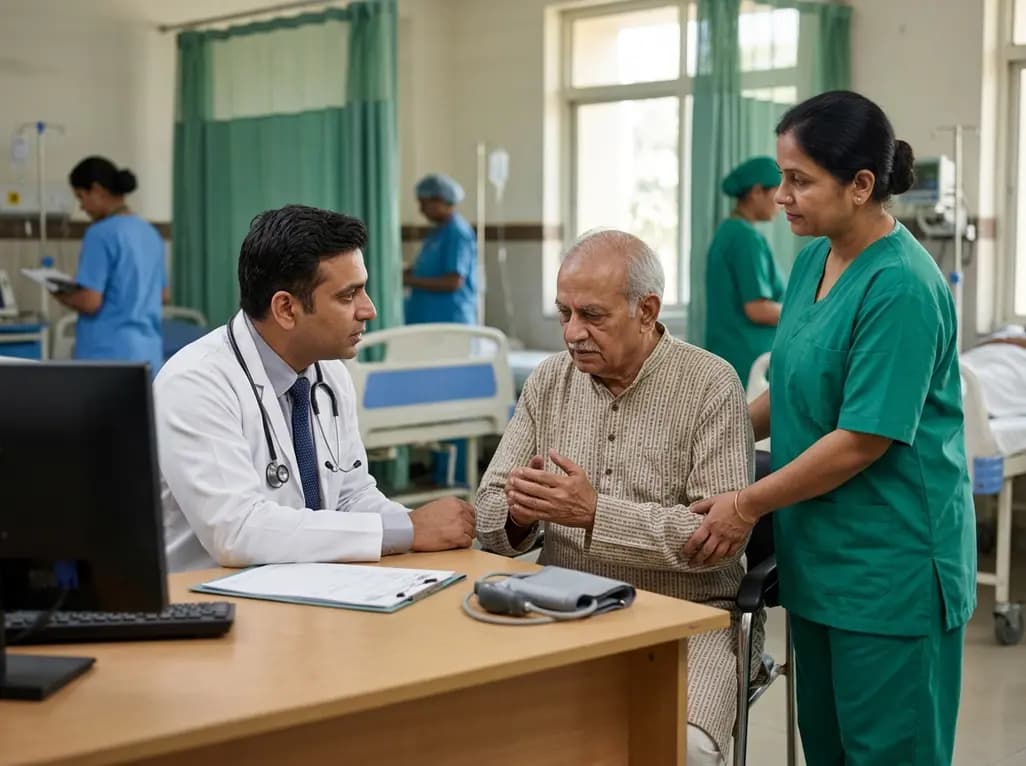
A cross-sectional study evaluates post-intensive care syndrome in cardiac patients 2-4 weeks post-ICU discharge, highlighting cognitive, psychological, and functional impairments and the need for structured multidisciplinary rehabilitation.
3 days back
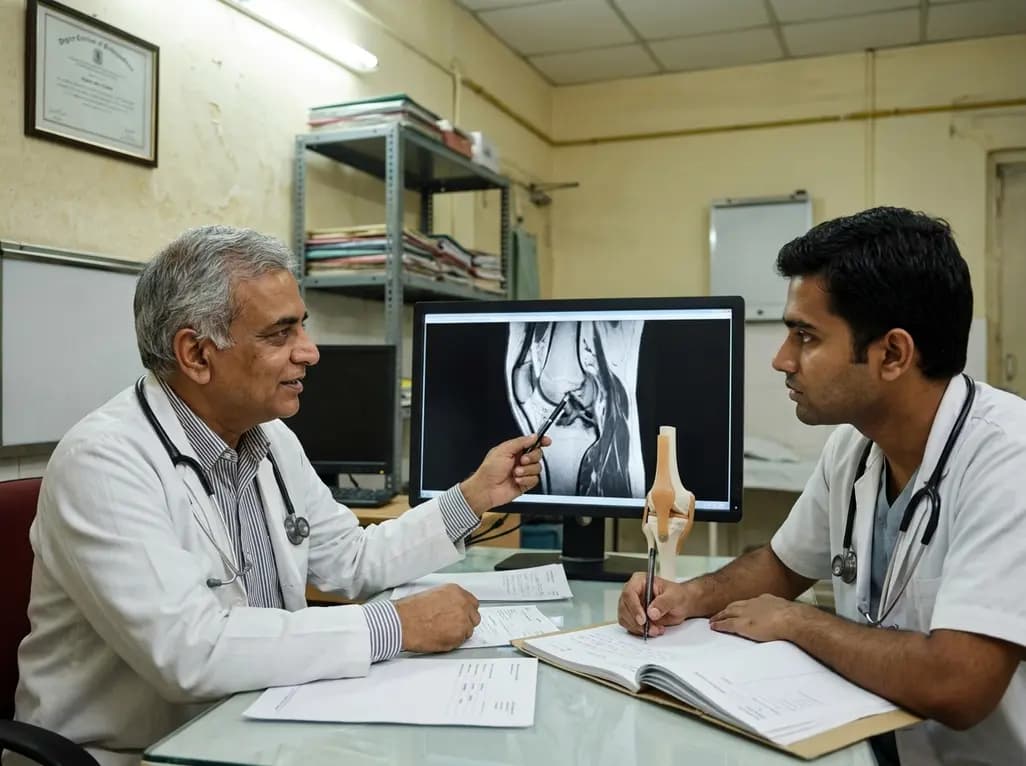
Anterior cruciate ligament reconstruction failure lacks uniform definition. A narrative review proposes an integrative framework incorporating objective and subjective instability, persistent pain, restricted motion, graft rupture, and secondary meniscal injury to standardize clinical reporting.
3 days back
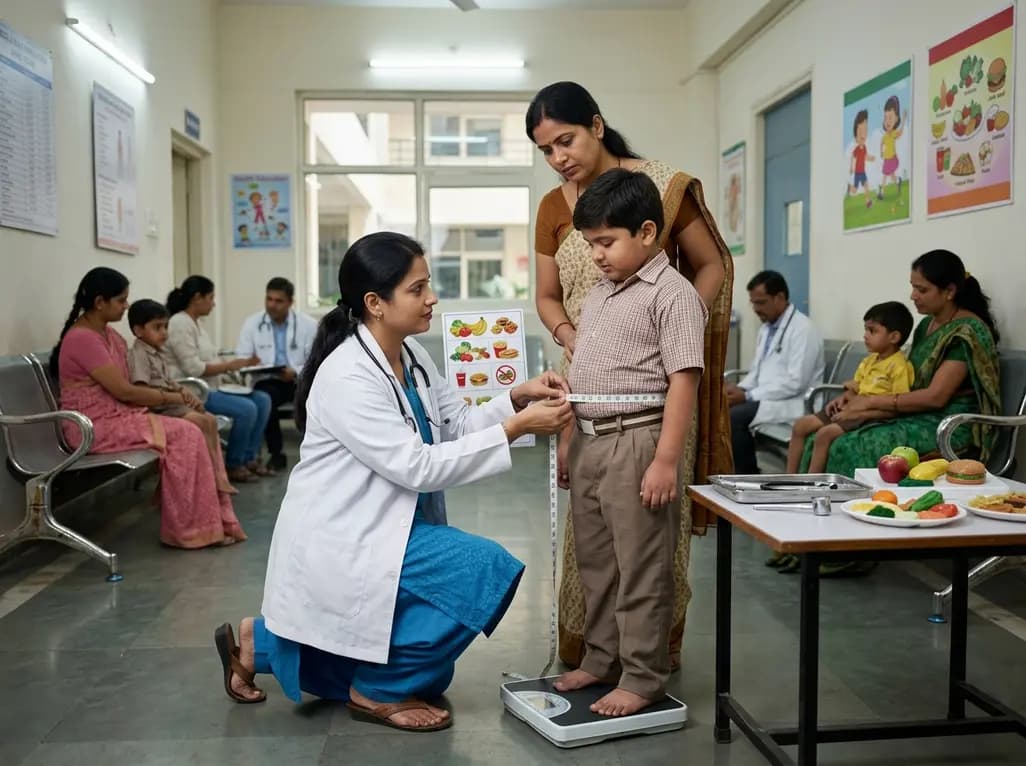
With World Obesity Atlas data warning that over 41 million Indian children are overweight or obese, ICMR and NIN have unveiled a 10-point policy roadmap. The initiative calls for mandatory front-of-pack labeling, HFSS taxes, strict marketing bans, and healthier school environments to curb non-communicable diseases.
Today
