.webp&w=384&q=75)

Loading, please wait...
Loading, please wait...
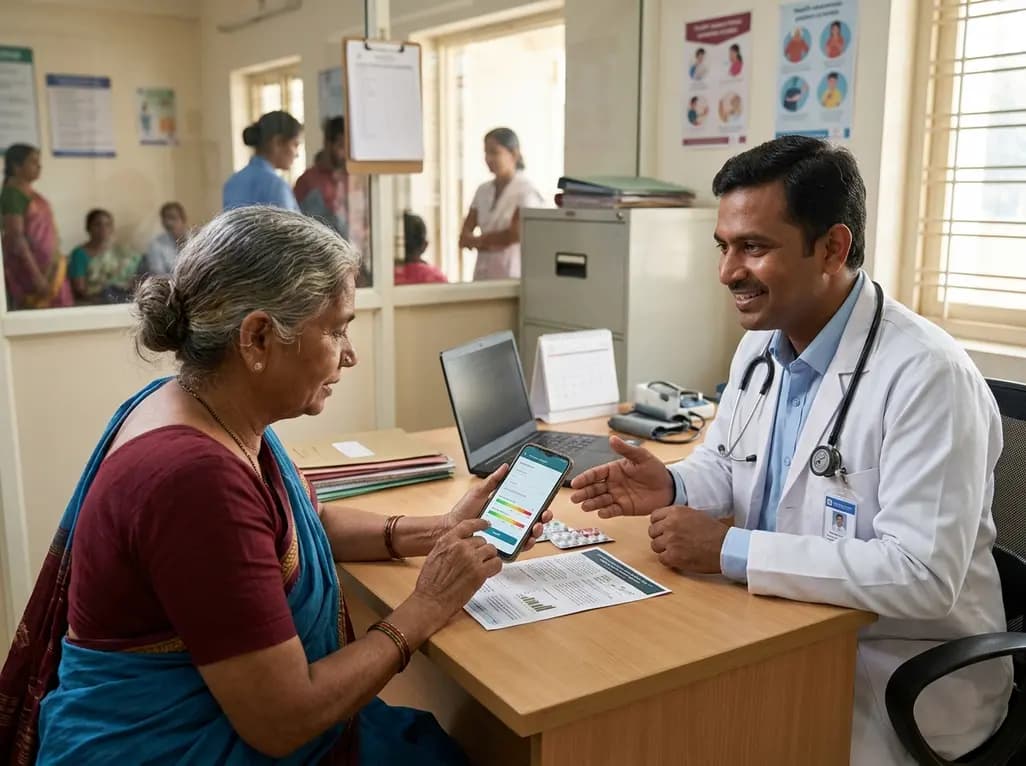
Psoriasis represents a chronic, relapsing inflammatory disease requiring proactive and personalized management. Consequently, clinicians are increasingly adopting psoriasis remote monitoring to bridge the gap between routine office visits. Electronic patient-reported outcome measures, commonly known as ePROMs, allow patients to report disease flares, symptom burdens, and treatment responses directly from their homes. Therefore, digital tracking tools empower both dermatologists and primary care physicians to detect disease worsening early, optimize treatment adherence, and adjust topical or systemic therapies promptly.
Furthermore, managing unpredictable inflammatory flare-ups requires continuous patient engagement. Traditional scheduled consultations often miss acute exacerbations that occur between clinic visits. In contrast, digital monitoring platforms capture real-time fluctuations in disease severity, psychological distress, and physical discomfort. As a result, healthcare teams gain valuable longitudinal insights into authentic disease trajectories. Moreover, these remote digital platforms reduce the overall logistical burden of frequent hospital appointments while ensuring timely clinical interventions for vulnerable patients requiring step-up therapy.
Additionally, modern teledermatology programs integrate validated symptom scores with lifestyle tracking to offer a holistic perspective on disease control. Thus, clinicians can address comorbid conditions and psychological impacts before clinical complications escalate.
A recent multicenter observational study evaluated patient adherence to digital monitoring across both primary care and specialized dermatological settings over twelve months. The investigation tracked 102 patients using linked longitudinal data from Estonia's national health insurance registry. Overall, the study revealed a mean adherence ratio of 63.4%, demonstrating that structured digital follow-up is feasible in diverse real-world healthcare environments.
Interestingly, patient adherence remained remarkably consistent across different levels of clinical care. Participants managed in primary care clinics demonstrated a mean adherence ratio of 60.9%, whereas those monitored in specialized dermatology centers achieved an adherence ratio of 66.0%. Furthermore, researchers categorized 45.1% of patients into a high-adherence group, while 21.6% demonstrated medium adherence and 33.3% showed low adherence. Therefore, the findings confirm that primary care providers can implement digital monitoring protocols as effectively as specialized dermatology tertiary centers.
In addition, the consistency in completion rates suggests that patient motivation does not depend entirely on specialist contact. Instead, regular prompts and clear clinical instructions play a decisive role in maintaining longitudinal compliance across diverse clinical cohorts.
Demographic characteristics often influence how patients interact with digital health technologies. In this multicenter analysis, multivariable ordinal logistic regression revealed that older age was significantly associated with higher adherence to remote reporting protocols. Specifically, older individuals completed their scheduled digital questionnaires more consistently than younger participants throughout the one-year follow-up period.
Consequently, this finding challenges the common assumption that older adults struggle with digital health applications. Because older patients frequently manage established daily routines, they may integrate regular digital self-reporting more seamlessly into their schedules. In contrast, younger individuals often experience fluctuating work schedules, time constraints, or digital notification fatigue, which can lead to sporadic responses. Therefore, clinicians should not hesitate to recommend digital health platforms to senior individuals with psoriasis.
Interestingly, the study found no significant associations between adherence and other investigated factors, such as biological sex or specific baseline healthcare utilization patterns. Thus, age emerged as the primary independent predictor of sustained engagement, highlighting the universal acceptability of digital monitoring interfaces across broad adult demographics.
Integrating electronic patient-reported outcomes into daily clinical practice transforms chronic disease management. When patients complete digital assessments regarding erythema, scaling, pruritus, and pain, clinicians receive standardized data before consultations. Consequently, physicians can conduct more focused and efficient clinical evaluations during both virtual and in-person appointments.
Moreover, longitudinal ePROM data collection allows medical teams to evaluate treatment efficacy objectively over extended periods. For instance, tracking validated indices like the Dermatology Life Quality Index alongside physical symptoms helps clinicians determine whether a biologic or conventional systemic therapy provides adequate disease control. Therefore, healthcare providers can make evidence-based decisions regarding dose titration, medication switching, or topical reinforcement without waiting for routine quarterly visits.
Furthermore, active participation in self-monitoring enhances patient health literacy and self-efficacy. Because patients observe how their lifestyle triggers and medication compliance correlate with symptom fluctuations, they gain greater confidence in managing their condition. Consequently, shared decision-making becomes more collaborative, leading to stronger therapeutic alliances and superior overall treatment satisfaction.
Although digital monitoring provides substantial clinical benefits, healthcare systems must address several implementation barriers to maximize adherence. Low adherence occurred in approximately one-third of study participants, indicating that some patients require additional engagement strategies. Therefore, healthcare organizations must streamline user interfaces, provide multilingual support, and minimize questionnaire length to prevent survey fatigue.
Additionally, primary care practitioners often face heavy administrative workloads, which can hinder the timely review of incoming patient data. To overcome this challenge, healthcare institutions should adopt automated triage algorithms that alert clinicians only when patient-reported scores exceed predefined severity thresholds. As a result, busy practitioners can prioritize high-risk patients experiencing acute flares while maintaining passive oversight for stable individuals.
Moreover, patient education during onboarding is crucial for sustained digital engagement. When clinicians explicitly explain how reported scores directly guide treatment decisions, patients perceive clear value in submitting regular updates. Therefore, structured training sessions during initial enrollment can significantly reduce dropout rates and foster consistent reporting habits over extended management timelines.
The success of remote monitoring in psoriasis paves the way for scalable digital care pathways across chronic inflammatory conditions. By demonstrating strong feasibility across both primary and specialty care, this study underscores the viability of decentralized dermatological monitoring. Consequently, health systems can establish collaborative care networks where primary practitioners and dermatologists share remote monitoring data seamlessly.
Furthermore, future telecare initiatives should explore personalized reminder schedules tailored to individual patient risk profiles. For example, younger patients or those with histories of low adherence may benefit from automated text message reminders, gamified mobile interfaces, or flexible reporting windows. In contrast, stable patients with established adherence may require less frequent prompts, reducing long-term digital burden.
Ultimately, incorporating comprehensive national health database registries provides an unprecedented opportunity to evaluate the long-term clinical and economic impacts of digital health tools. As healthcare systems strive to deliver value-based care, remote patient-reported outcomes will serve as a cornerstone for proactive, patient-centered dermatology.
Remote monitoring collects real-time electronic patient-reported outcome measures regarding skin symptoms, pruritus, and quality of life. Consequently, clinicians can identify inflammatory flare-ups between scheduled visits and evaluate treatment efficacy objectively. This continuous stream of longitudinal data allows physicians to make prompt, evidence-based adjustments to topical, systemic, or biologic therapies, thereby preventing disease escalation and reducing unnecessary hospital visits.
Older patients often maintain more structured daily routines and exhibit greater diligence in managing chronic health conditions. Furthermore, they may experience fewer conflicting professional disruptions compared to younger adults who frequently face work-related time constraints and digital survey fatigue. Consequently, older individuals integrate periodic electronic questionnaires into their lifestyles more reliably, demonstrating high long-term engagement with remote monitoring platforms.
Yes, research shows that primary care clinicians achieve adherence rates comparable to specialized dermatology centers when using electronic monitoring systems. Automated platforms capture validated severity metrics, allowing general practitioners to track disease progression accurately. When symptom scores indicate significant clinical deterioration, primary care providers can adjust baseline treatments promptly or initiate timely referrals to specialist dermatologists for advanced therapeutic management.
Disclaimer: This content is for informational and educational purposes only and should not be considered medical advice or substituted for professional clinical judgement. Healthcare professionals must exercise independent medical judgment when managing patients. Refer to the latest local and national guidelines for clinical practice.
References

Read summarized clinical updates, watch expert medical content, and earn CME certifications right from your smartphone.
Open your smartphone camera to scan and install.





A multicenter study reveals strong feasibility and adherence in psoriasis remote monitoring using ePROMs across primary and specialty care, demonstrating particularly high engagement among older adults.
last month

Researchers developed a novel bezafibrate-L-proline cocrystal inclusion compound using ball milling, boosting saturation solubility by 3.9-fold and oral bioavailability twofold. This supramolecular strategy holds promising potential to enhance drug efficacy and consistency in atherogenic dyslipidemia management.
Today

A multiparametric MRI approach combining quantitative T2 shading, apparent diffusion coefficient (ADC) measurements, and morphological signs provides superior diagnostic accuracy over subjective evaluation to differentiate ovarian endometriomas from benign hemorrhagic cysts.
Yesterday

A landmark case report reveals a donor heart beating for a century in a 63-year-old recipient, challenging conventional age limits in cardiac transplantation and offering critical lessons on organ longevity, donor selection, and long-term graft survival.
Today
Fatty infiltration after rotator cuff tears impairs shoulder repair outcomes. A new study reveals that targeting MST1 kinase suppresses fibro/adipogenic progenitor adipogenesis via WNT/β-catenin signaling, reducing muscle fat accumulation and mitigating muscle atrophy.
Today
A randomized crossover study reveals that exercise-induced glycogen depletion combined with a low-carbohydrate diet significantly enhances peak fat oxidation without impairing skeletal muscle mitochondrial coupling control or efficiency in healthy trained men.
Today
