

Loading, please wait...
Loading, please wait...
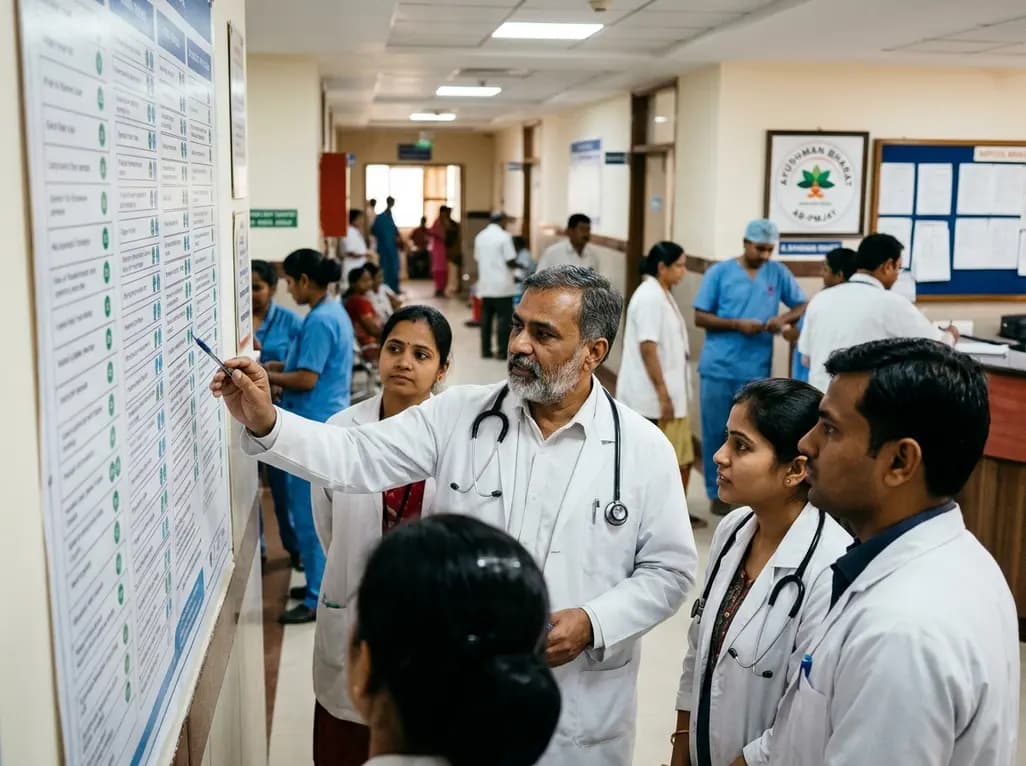
The National Health Authority recently announced a major structural update to India's public healthcare financing framework. Specifically, the government plans to expand dedicated AB-PMJAY packages for public hospitals from 23 to 112. This policy decentralizes care by shifting numerous common medical and surgical treatments into community health facilities. Consequently, the initiative brings essential medical care closer to patients while revitalizing state-run health infrastructure.
For years, tertiary hospitals and private facilities absorbed excessive volumes of routine medical cases. Consequently, rural patients frequently travelled long distances to receive basic primary and secondary healthcare. This burdensome pattern placed heavy financial and physical strains on vulnerable families across the country. In addition, peripheral public health centers often suffered from chronic underutilization and limited financial support.
To resolve these disparities, health policymakers developed this targeted package expansion. The initiative primarily strengthens Community Health Centres and Sub-Divisional Hospitals across Indian districts. Therefore, local facilities will now manage a substantially broader spectrum of routine conditions. By delivering these essential treatments locally, the government actively reduces congestion at distant tertiary institutions.
Moreover, keeping common clinical procedures within public facilities fosters community trust and patient satisfaction. Patients can secure timely medical attention without paying costly transportation fees. At the same time, regional clinical teams gain valuable regular exposure to everyday medical challenges. This steady caseload elevates clinical competence across peripheral healthcare networks. Furthermore, this structural reorganization advances universal health coverage by utilizing public resources efficiently.
The expanded schedule introduces 89 newly reserved packages into public facilities. Specifically, the revised list prioritizes high-incidence acute and chronic medical conditions. For instance, primary clinicians will manage severe anaemia cases using standardized parenteral therapy protocols. In addition, physicians will treat accelerated hypertension directly within local wards to prevent fatal cardiovascular complications.
Furthermore, acute respiratory illnesses occupy an important place within the new framework. Secondary hospitals will admit and stabilize patients presenting with severe acute bronchitis. Similarly, public medical teams will manage frequent gastrointestinal infections under these dedicated provisions. This expanded care covers acute infectious diarrhoea, severe dysentery, and complicated gastroenteritis requiring inpatient rehydration.
Moreover, district clinical teams will manage acute febrile illnesses and urinary tract infections on site. Doctors will also evaluate and treat acute renal colic using standardized pain protocols. Additionally, the updated schedule establishes clear inpatient management pathways for common diabetes complications. Consequently, primary care physicians can stabilize fluctuating glycemic states before systemic decompensation occurs. Through these dedicated medical packages, community health facilities will provide comprehensive non-communicable and infectious disease care.
Alongside general internal medicine, the expanded framework introduces essential routine surgical interventions. In particular, general surgeons in secondary government hospitals will perform standard procedures like hysterectomy. Moreover, public operating teams will conduct routine circumcisions and tissue biopsies under sterile surgical protocols. These additions address frequent gynecological and surgical presentations that previously drove patients to private providers.
Additionally, the revised package roster encompasses frequent day-care surgical interventions. For example, surgical teams will regularly perform hydrocele repairs and excise benign lipomas or sebaceous cysts. Surgeons will also manage symptomatic haemorrhoids using modern operative techniques in secondary theater suites. Consequently, rural beneficiaries will obtain prompt surgical relief without enduring prohibitive hospital waiting lists.
Furthermore, this expansion introduces crucial specialized screening protocols into peripheral outpatient departments. Government eye clinics will now perform systematic screening for diabetic retinopathy and early glaucoma. Therefore, medical teams can detect vision-threatening disorders long before irreversible ocular damage occurs. This development empowers optometrists and general ophthalmologists across sub-divisional units. Ultimately, embedding these diverse surgical and diagnostic packages elevates surgical capacity across community health facilities.
Under the AB-PMJAY framework, empanelled government hospitals receive direct claims reimbursements for treating eligible beneficiaries. Previously, having only 23 reserved packages constrained the total insurance revenue entering public health facilities. However, expanding the package list to 112 procedures will dramatically increase municipal and district hospital earnings. Public medical centers will capture regular reimbursements for treatments they already manage on a daily basis.
Importantly, existing policies permit hospital administrators to reinvest these insurance revenues directly into internal operations. Facilities can deploy these financial resources to renovate aging wards and purchase diagnostic equipment. In addition, hospital leadership can maintain consistent supplies of essential drugs, surgical items, and laboratory consumables. Consequently, public healthcare centers will minimize drug shortages and improve clinical safety protocols.
Furthermore, these earned revenues allow public hospitals to hire contractual doctors, nursing staff, and technicians. Expanded clinical staffing relieves severe physician workload and shortens patient consultation times. Therefore, growing package reimbursements generate an enduring cycle of institutional development. As facility standards rise, public hospitals attract greater patient volumes. Ultimately, this revenue model converts government healthcare facilities into sustainable and well-equipped treatment centers.
Historically, the national health scheme reserved 23 packages for public institutions starting in 2019. Those early packages focused exclusively on obstetrics, gynaecology, and foundational mental health services. However, several enterprising state governments gradually introduced additional reserved treatments based on local hospital capacity. Observing these regional successes, the National Health Authority designed this broader national rollout.
Accordingly, the authority published an official memorandum on October 13 to initiate nationwide stakeholder consultations. State Health Agencies must evaluate the 112 proposed packages and submit formal feedback by November 25. Subsequently, the central authority plans to integrate the revised framework into the digital Transaction Management System. This updated system will officially launch on December 1 across all participating territories.
Nevertheless, the central guidelines provide meaningful operational flexibility to state administrators. States maintain the legal authority to adjust the reserved list according to regional medical workforce availability. For example, if specific districts lack specialist surgeons, states can permit private hospitals to provide those procedures. Thus, the implementation plan respects regional realities while expanding community healthcare delivery. In conclusion, this collaborative policy strengthens national healthcare equity.
Q1: Why is the government expanding reserved packages for public hospitals?
The National Health Authority aims to achieve two primary goals through this major expansion. First, reserving packages ensures that patients access high-quality routine medical and surgical care closer to home. Consequently, vulnerable families avoid burdensome travel expenses and wage losses. Second, the policy channels substantial insurance reimbursements directly back into government hospitals. Public institutions can subsequently reinvest these funds to modernize clinical equipment, secure uninterrupted medication supplies, and recruit essential healthcare staff.
Q2: Which clinical conditions are included in the new AB-PMJAY packages?
The 89 newly proposed packages encompass a broad spectrum of common medical conditions and routine surgical procedures. Clinicians will manage acute bronchitis, severe anaemia, accelerated hypertension, dysentery, urinary tract infections, and diabetes complications. Furthermore, the surgical schedule incorporates hysterectomy, circumcision, biopsy, haemorrhoidectomy, and hydrocele repair. Additionally, the expanded list includes crucial outpatient screening for diabetic retinopathy and glaucoma. These packages allow government facilities to provide comprehensive care without requiring outside referrals.
Q3: Can individual states modify the list of reserved public hospital packages?
Yes, individual State Health Agencies retain significant administrative flexibility under the proposed national framework. States can assess local government infrastructure, diagnostic resources, and specialist availability across secondary facilities. If particular districts lack adequate surgical personnel or equipment, state authorities can selectively reduce reserved packages. Consequently, private empanelled hospitals may continue providing those specific treatments to prevent care disruption. This pragmatic decentralization ensures that patients maintain uninterrupted access to cashless treatments throughout regional transitions.
Disclaimer: This content is for informational and educational purposes only. It does not constitute medical advice or replace professional judgment. Refer to the latest local and national guidelines for clinical practice.
References

Read summarized clinical updates, watch expert medical content, and earn CME certifications right from your smartphone.
Open your smartphone camera to scan and install.





The National Health Authority proposes expanding reserved AB-PMJAY treatments in government hospitals to 112 packages. This regulatory shift aims to decentralize routine clinical care, optimize public facility utilization, and generate vital reinvestment funds for Community Health Centres and district facilities.
Today

Discover how high-sensitivity testing detects trace drug residues in athletes, differentiating deliberate doping from unintentional exposure through food, supplements, and environmental contamination.
Today

A large cohort study demonstrates that fetal growth restriction in a first pregnancy raises maternal cardiovascular risk within five years postpartum, including elevated rates of heart failure, stroke, and myocardial infarction. Clinicians must initiate proactive postpartum screening and cardiovascular prevention.
Today
An NHANES analysis reveals that meeting 24-hour movement guidelines significantly lowers the odds of cardiovascular disease, obesity, hypertension, and diabetes among adults with disabilities, emphasizing the power of combined physical activity, sleep, and limited sedentary time.
Today

A paired cadaveric study compared triple and quintuple percutaneous Achilles tendon lengthening. While quintuple hemisection showed numerically greater elongation, differences were not statistically significant.
Yesterday
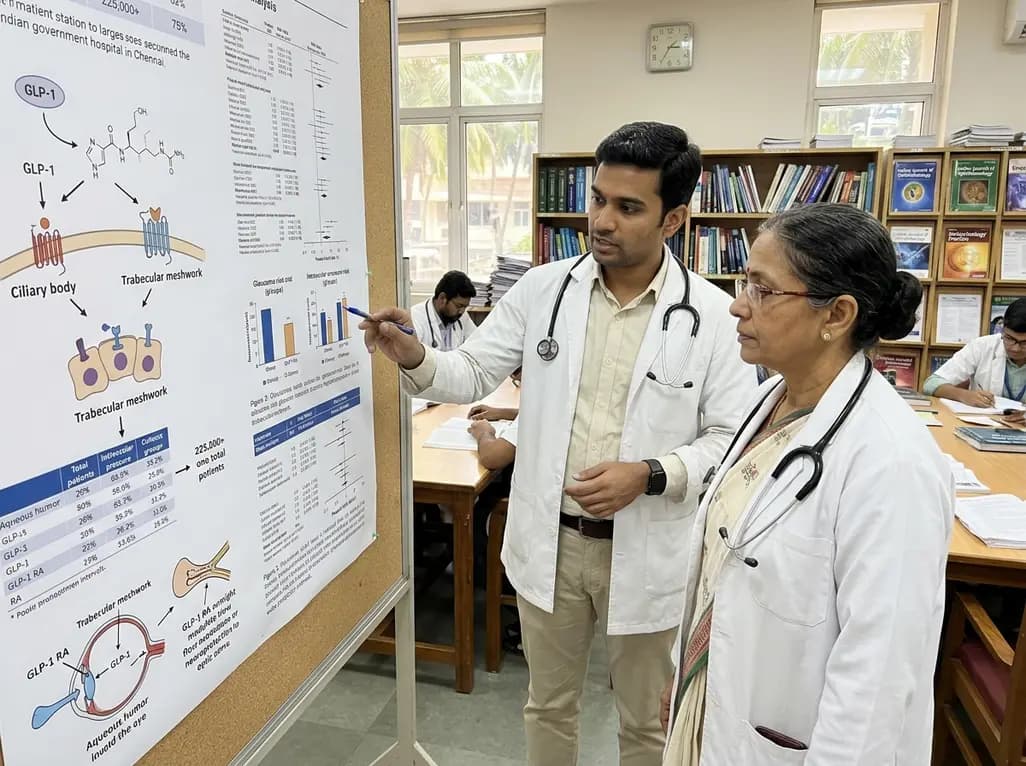
A systematic review and meta-analysis of over 225,000 patients explores whether GLP-1 receptor agonists reduce the risk of glaucoma and ocular hypertension. While pooled data show a 31% lower risk, low certainty and wide prediction intervals urge cautious optimism and further randomized trial evaluation.
Today
