.webp&w=384&q=75)

Loading, please wait...
Loading, please wait...
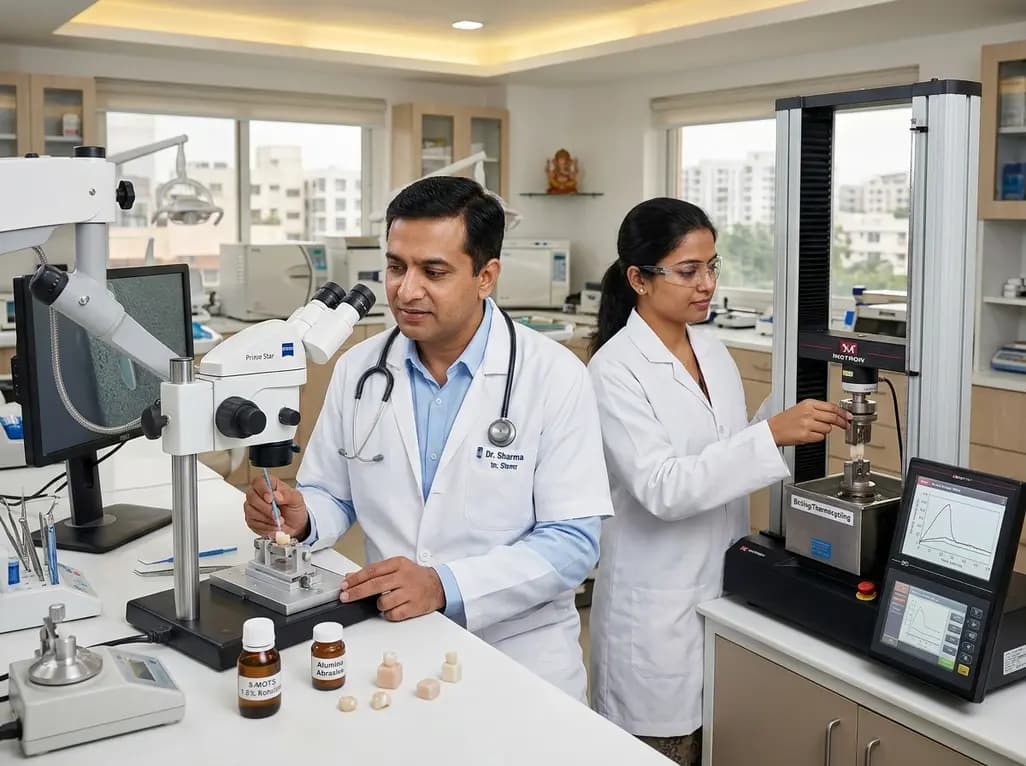
Achieving durable silane bonding to zirconia remains a primary objective in contemporary restorative dentistry. Zirconia lacks an amorphous silica glass phase, which traditionally limits chemical adhesion with conventional coupling agents. Consequently, dental practitioners often face interface failure when cementing high-strength ceramic restorations. However, recent bioengineering advancements introduce novel chemical formulations designed to overcome these historical boundaries. A landmark study demonstrates that a specialized long-chain coupling agent significantly enhances adhesion durability. Specifically, researchers established that applying 8-methacryloxyoctyl trimethoxysilane delivers unprecedented hydrolytic stability.
Clinicians have historically relied on mechanical retention and aggressive surface roughening to retain polycrystalline ceramic crowns. While airborne-particle abrasion creates micromechanical undercuts, durable clinical success also demands robust chemical integration. Standard organosilanes, particularly 3-(trimethoxysilyl)propyl methacrylate, generally show limited direct affinity toward polycrystalline metal oxides. Therefore, dental researchers have explored alternative molecular architectures to bridge the chemical gap. The introduction of 8-methacryloxyoctyl trimethoxysilane represents a vital leap forward in material chemistry. Unlike traditional primers, this agent incorporates an elongated octyl spacer chain between its functional groups. As a result, the molecule exhibits superior hydrophobic characteristics that actively repel aqueous fluids at the restoration margin. Furthermore, this lengthened alkyl spacer permits greater spatial flexibility during chemical conjugation. Thus, the adhesive interface accommodates polymerization shrinkage stresses more effectively during resin curing. Clinicians can consequently expect enhanced bond resilience and prolonged margin stability under continuous cyclic masticatory loading.
The structural geometry of coupling agents strongly influences their interfacial durability in oral environments. Traditional silanes possess a short three-carbon propyl chain that remains susceptible to hydrolytic cleavage over time. In contrast, 8-methacryloxyoctyl trimethoxysilane features an extended eight-carbon aliphatic chain. This extensive hydrophobic backbone acts as an impermeable barrier against salivary moisture ingress. Moreover, the enhanced molecular length improves spatial mobility, facilitating copolymerization with surrounding dimethacrylate resin monomers. When clinicians combine this agent with 10-methacryloyloxydecyl dihydrogen phosphate primers, synergistic chemical bonding occurs. The phosphate monomer forms ionic bonds with zirconium oxide atoms, while the silane copolymerizes with the resin luting matrix. Additionally, the prolonged organic backbone relieves localized interfacial stress generated during masticatory function. Consequently, the hybrid adhesive layer maintains structural integrity under fluctuating thermal intraoral conditions. Dental prosthodontists therefore achieve a reliable seal that protects margins against microleakage and secondary caries.
To evaluate chemical durability rigorously, investigators tested experimental primers against conventional controls under standardized in vitro settings. First, technicians subjected high-translucency zirconia specimens to airborne-particle abrasion using fifty-micrometer alumina particles. This standard pretreatment cleaned surface contaminants and established micro-retentive surface topography. Subsequently, researchers treated the conditioned substrates with various concentrations of 8-methacryloxyoctyl trimethoxysilane, spanning 0.1% to 4.0%. For rigorous comparison, the team evaluated traditional 3-trimethoxysilylpropyl methacrylate and an established commercial primer. Next, investigators bonded specimens using an MDP-containing resin cement and divided them into distinct aging groups. Baseline specimens underwent standard water storage at thirty-seven degrees Celsius for twenty-four hours. In contrast, aging groups underwent a severe hydrothermal boiling challenge at one hundred degrees Celsius for sixteen hours. This rigorous thermal stress test rapidly simulates years of hydrolytic degradation in the human mouth. Thus, the protocol provided unequivocal insight into chemical bond longevity.
The experimental findings confirmed that silane concentration plays a decisive role in bonding success. When investigators evaluated baseline bond strength after twenty-four hours of water storage, all formulations demonstrated acceptable initial performance. However, hydrothermal boiling revealed stark differences among the experimental groups. Specimens conditioned with 8-methacryloxyoctyl trimethoxysilane at 1.0% and 1.5% achieved superior results, retaining shear bond strengths above twenty megapascals. In contrast, lower concentrations failed to provide adequate molecular coverage across the treated zirconia surface. Similarly, concentrations exceeding two percent produced excessive multilayering, which weakened the adhesive boundary through cohesive slippage. Scanning electron microscopy and failure-mode assessments further validated these biomechanical measurements. High-performing groups displayed extensive resin retention on the debonded substrate, exhibiting mixed cohesive and adhesive failures. Consequently, the 1.0% to 1.5% concentration window emerged as the optimal therapeutic range for reliable ceramic adhesion.
These laboratory findings offer immediate value for restorative dentists operating throughout India. As monolithic zirconia crowns and resin-bonded bridges become mainstream restorations, bonding predictability dictates clinical success. In humid oral environments, conventional luting procedures frequently suffer from premature bond degradation and subsequent dislodgement. Therefore, adopting optimized chemical pretreatment protocols will substantially reduce chairside remakes, postoperative sensitivity, and patient dissatisfaction. Clinicians must remember that applying arbitrary silane concentrations can compromise rather than enhance bond longevity. Instead, manufacturers must calibrate chemical formulations precisely around the optimal 1.0% to 1.5% concentration threshold. Furthermore, practitioners should consistently combine mechanical airborne-particle abrasion with specialized MDP primers to maximize chemical synergy. By incorporating these evidence-based principles into daily clinical workflows, dental practitioners across India deliver predictable restorations. Consequently, these aesthetic ceramic prostheses withstand severe functional stresses for decades.
Conventional silanes incorporate a short three-carbon propyl chain that degrades readily when exposed to oral water and moisture. In contrast, 8-methacryloxyoctyl trimethoxysilane features an extended eight-carbon octyl spacer that provides substantial hydrophobicity. This chemical shield prevents moisture intrusion at the ceramic-cement interface. Furthermore, the flexible spacer enhances molecular mobility, allowing greater copolymerization with resin monomers and effectively relieving interfacial stresses caused by masticatory loading and resin polymerization shrinkage.
Airborne-particle abrasion with alumina particles cleans contaminated zirconia surfaces and increases micromechanical surface roughness. Polycrystalline zirconia lacks an etchable glass matrix, rendering hydrofluoric acid etching ineffective. Consequently, alumina sandblasting creates critical micro-retentive undercuts and increases surface free energy. This physical conditioning facilitates uniform primer wetting and exposes hydroxyl radicals. Therefore, mechanical abrasion works synergistically with chemical primers, establishing the baseline foundation required for long-chain silanes and MDP monomers to achieve durable adhesion.
Boiling water storage at one hundred degrees Celsius serves as an accelerated hydrothermal aging protocol. In oral conditions, resin-bonded restorations undergo continuous thermal cycling and constant exposure to salivary enzymes and moisture. Hydrothermal boiling vigorously stresses the bonded interface, rapidly exposing chemical bonds to hydrolytic cleavage. Retaining shear bond strength exceeding twenty megapascals after sixteen hours of boiling indicates exceptional adhesive durability, assuring clinicians that the bonded interface will resist degradation over decades.
Disclaimer: This content is for informational and educational purposes only and should not replace professional clinical judgment. Refer to the latest local and national guidelines for clinical practice.
References
Hiraba H et al. Effect of 8-methacryloxyoctyl trimethoxy silane concentration on the bonding performance and durability to zirconia. Dent Mater J. 2026 Sep 02. doi: 10.4012/dmj.2026-055. PMID: 42686540.
Maruo Y, Yoshihara K, Irie M, Nagaoka N, Kodama N, Yoshizane M, Akiyama K. Concentration-Dependent Synergistic Interfacial Interactions Between Multifunctional Acrylate and Silane Coupling Agents in an Organic–Inorganic Nanohybrid Material. Appl Sci. 2026;16(5):2339. doi: 10.3390/app16052339.
Blatz MB, Vonderheide M, Conejo J. The APC concept for zirconia bonding. J Esthet Restor Dent. 2018;30(3):165-173. doi: 10.1111/jerd.12398.

Read summarized clinical updates, watch expert medical content, and earn CME certifications right from your smartphone.
Open your smartphone camera to scan and install.





A recent investigation reveals that 8-methacryloxyoctyl trimethoxysilane (8-MOTS) applied at 1.0% to 1.5% significantly enhances bonding durability and shear bond strength to alumina-abraded zirconia restorations, maintaining over 20 MPa after severe hydrothermal boiling.
4 weeks back
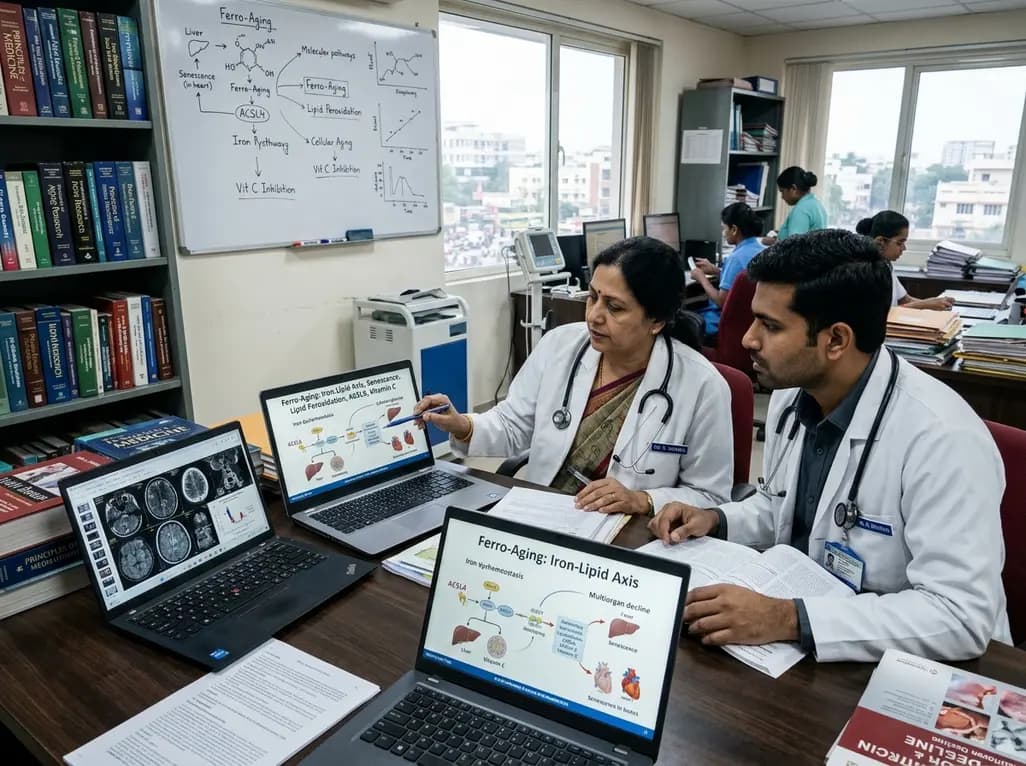
Recent research defines ferro-aging as a conserved iron-lipid axis driving organ decline across primates. Age-related iron dyshomeostasis stimulates ACSL4-mediated lipid peroxidation, promoting cellular senescence. Notably, vitamin C directly inhibits ACSL4, suppressing phospholipid oxidation and multi-organ decay.
Today
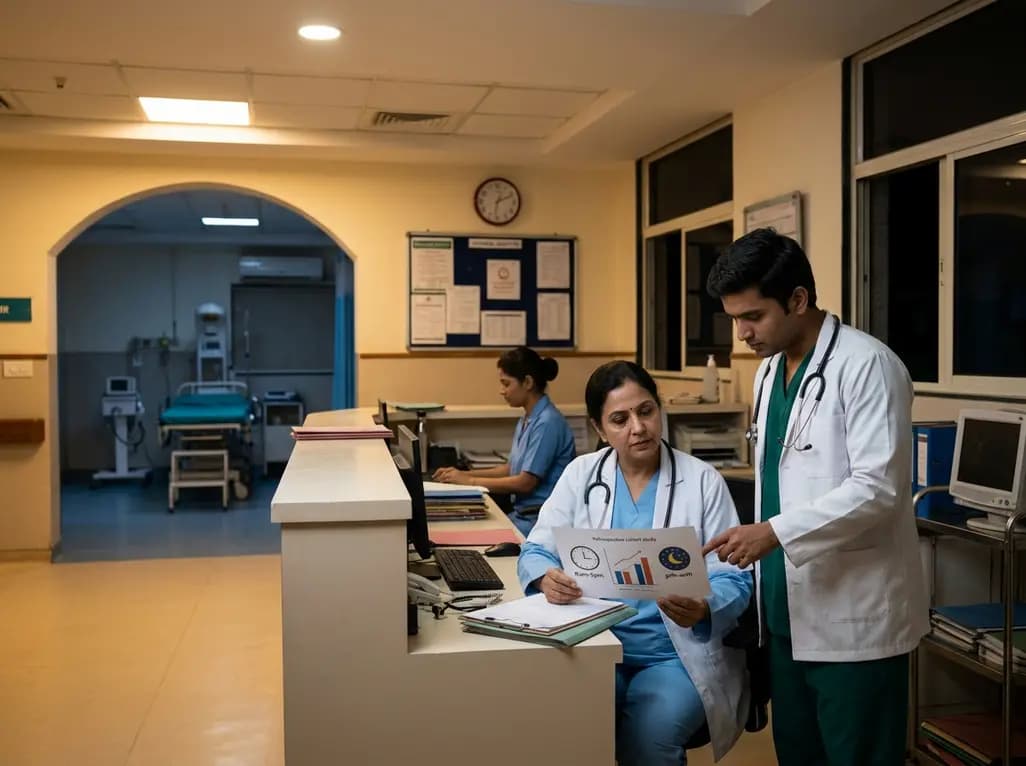
A retrospective cohort study evaluated 1,000 low-risk singleton births to assess maternal and neonatal outcomes during office-hours versus off-hours. Off-hours deliveries were significantly associated with higher odds of intrapartum cesarean sections and episiotomies, highlighting critical obstetric staffing considerations.
Today
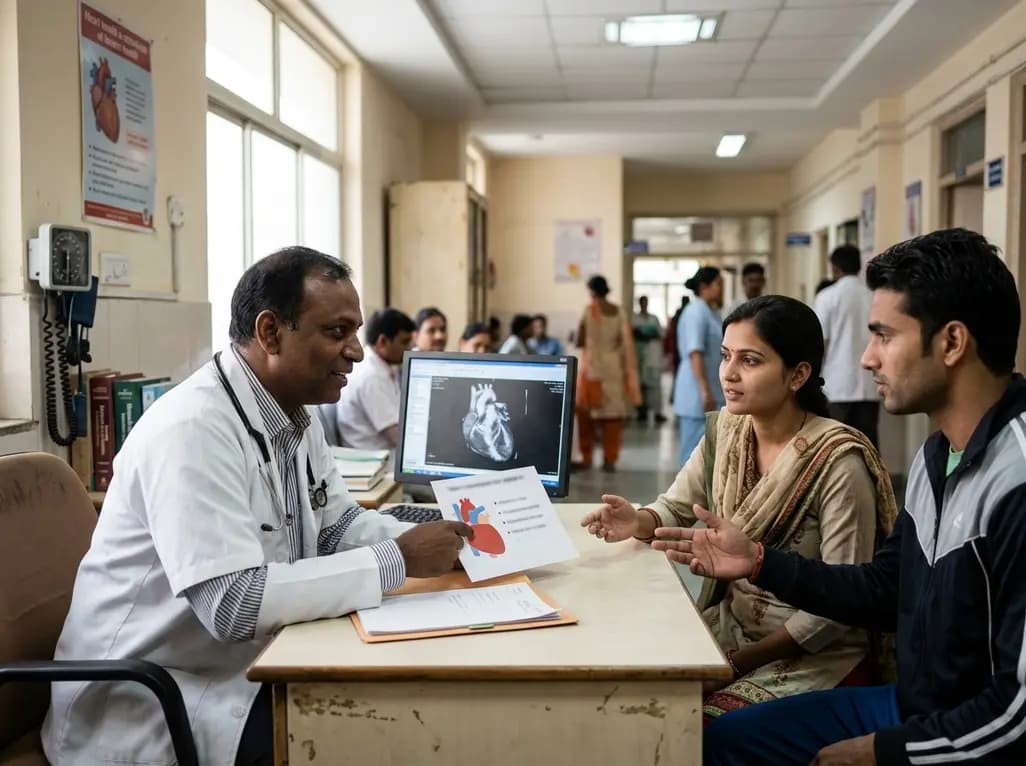
New clinical evidence demonstrates a shift away from strict exercise restrictions in genetic heart disease. While patients with channelopathies engage in more vigorous activity than those with cardiomyopathies, shared decision-making and individualized risk assessments ensure safe, beneficial exercise participation.
Today
Sarcopenia significantly impairs functional independence and amplifies fracture risks in patients with osteoarthritis and osteoporosis. Learn about modern diagnostic strategies, GLP-1 therapy considerations, and evidence-based non-pharmacological management across multidisciplinary clinical settings.
Today

Discover how to identify superimposed entrapment neuropathy in diabetic patients. This review details clinical evaluation, surgical decompression evidence, and a structured algorithm for primary care referrals to prevent ulcers and preserve limb function.
Today
