.webp&w=384&q=75)

Loading, please wait...
Loading, please wait...
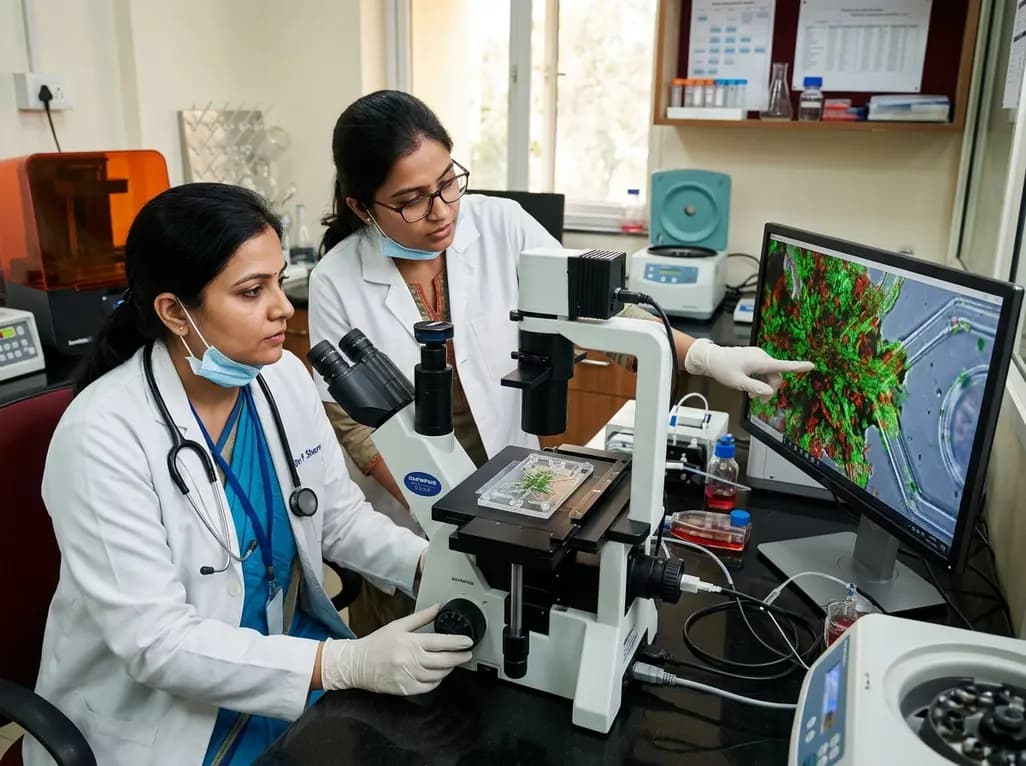
Understanding how bacterial pathogens attach and proliferate within dental microenvironments remains a cornerstone of successful restorative dentistry and endodontics. Traditional laboratory assays rely on static culture wells or conventional polydimethylsiloxane channels, yet these models fail to mirror the chemical complexity of natural human enamel and dentin. Consequently, translational researchers face persistent challenges when testing antimicrobial strategies in vitro. A recent breakthrough introduces a novel, transparent, directly printable resin called CYTO to address these critical hurdles. This innovative platform modernizes real-time oral biofilm investigation under physiological hydrodynamic flow. Furthermore, it creates reproducible experimental avenues for studying microbial architecture, protein adsorption, and endodontic irrigant efficacy in complex root canal anatomies. By recapitulating native tooth behavior, this technology bridges fundamental microbiology and chairside therapeutic development.
Polydimethylsiloxane (PDMS) has long served as the gold standard material for fabricating microfluidic chips in biomedical engineering. Researchers value PDMS for its optical clarity, elasticity, gas permeability, and ease of soft lithography. However, PDMS possesses several fundamental limitations that compromise dental translational research. First, its synthetic polymer chemistry lacks the critical biointeractive characteristics of natural mineralized tooth structures. Hydroxyapatite, the primary crystalline component of human dentin and enamel, exhibits high surface energy, unique wettability, and strong affinity for salivary proteins. In contrast, standard smooth and rough PDMS surfaces exhibit hydrophobic profiles and minimal protein adsorption. Therefore, oral bacteria adhere poorly to bare PDMS compared to natural tooth surfaces. In addition, conventional soft lithography requires tedious multi-step casting, which restricts the rapid creation of intricate three-dimensional root canal configurations. As a result, standard microfluidic devices fail to simulate hydrodynamic shear stresses alongside authentic biological interactions. Dentists and translational researchers require advanced materials that combine optical transparency with realistic mineral biomimicry. Without such materials, in vitro models cannot accurately predict how clinical antimicrobials will perform against persistent bacterial biofilms in vivo.
To bridge the gap between artificial microfluidics and true dental tissues, investigators evaluated a proprietary 3D-printable photocurable material termed CYTO. They characterized CYTO against smooth PDMS, rough PDMS, and sintered hydroxyapatite disks across multiple surface parameters. These parameters included surface roughness, wettability, surface energy, and protein adsorption capacity. Notably, CYTO demonstrated significantly superior protein adsorption compared to silicone-based substrates. Quantitative measurements revealed that CYTO adsorbed 44.13 micrograms per milliliter of protein, whereas smooth PDMS adsorbed only 6.55 micrograms per milliliter. Even textured rough PDMS achieved only 11.21 micrograms per milliliter of protein uptake. This remarkable seven-fold increase highlights the elevated surface charge and favorable biointeractivity of CYTO. Furthermore, contact angle and surface energy measurements showed that CYTO closely approximates the physicochemical surface profile of sintered hydroxyapatite. Consequently, early microbial conditioning films form rapidly on CYTO, establishing an organic foundation for bacterial colonization. The material also maintains outstanding optical transparency throughout photopolymerization. This critical optical feature allows researchers to employ high-resolution confocal and fluorescence microscopy without sacrificing substrate biocompatibility, optical resolution, or dimensional fidelity during microchannel fabrication.
Microbial attachment within the human mouth rarely occurs in stagnant environments. Instead, salivary flow, masticatory forces, and gingival crevicular fluids create continuous hydrodynamic shear stresses. In this landmark study, researchers utilized the novel transparent resin to conduct rigorous oral biofilm investigation under dynamic fluid flow. The team inoculated microfluidic flow chambers with Enterococcus faecalis, an opportunistic pathogen frequently implicated in persistent apical periodontitis and endodontic failures. Thanks to the optical transparency of the microfluidic chip, investigators recorded continuous visual mapping of initial bacterial adhesion and subsequent microcolony expansion over time. The experimental findings revealed that bacterial attachment on CYTO far exceeded attachment on both smooth and rough PDMS surfaces. In fact, initial bacterial adhesion counts on CYTO approached values observed on natural sintered hydroxyapatite controls. Moreover, the real-time observation demonstrated spatially heterogeneous colonization patterns across the microfluidic channels. Enterococcus faecalis established stable biofilm clusters in response to localized fluid flow gradients, mimicking true clinical niches. Thus, this 3D-printable platform provides an unprecedented window into live biofilm development without perturbing the physical microenvironment, offering invaluable quantitative data for dental researchers.
Root canal systems rarely represent simple, uniform conical tubes. Instead, dental pulp chambers branch into intricate lateral canals, apical deltas, isthmuses, and accessory canals. These anatomical complexities frequently shield bacterial biofilms from direct mechanical instrumentation, forcing clinicians to rely heavily on chemical irrigation. To study this phenomenon dynamically, researchers designed a 3D-printed root canal platform incorporating accessory canal structures of varying widths. The authors then inoculated these accessory geometries with Enterococcus faecalis biofilms and subjected them to standardized hydrodynamic irrigation with sodium hypochlorite. The experimental data revealed striking differences in bacterial clearance based on canal geometry. Specifically, sodium hypochlorite irrigation achieved approximately 90% bacterial biofilm eradication in accessory canals measuring 300 micrometers or wider. In contrast, accessory canals with narrow widths between 100 and 200 micrometers showed significantly reduced bacterial removal. Fluid dynamics analysis demonstrated that irrigant exchange stagnates within narrow lateral tunnels due to vapor lock and limited fluid velocity. Consequently, bactericidal solutions cannot reach sufficient concentration or fluid shear stress to dislodge stubborn pathogens in restricted spaces. These empirical findings illustrate why persistent periapical lesions often originate in narrow anatomical ramifications.
The development of transparent, directly printable biomimetic materials carries major implications for the future of conservative endodontics and dental materials testing. Historically, clinicians have relied on static disk-diffusion tests or extracted human teeth to evaluate novel root canal irrigants and disinfection protocols. However, extracted teeth exhibit wide anatomical variability, and static culture assays completely ignore hydrodynamic shear stress. By combining 3D printability, optical clarity, and hydroxyapatite-like biointeractivity, the CYTO platform establishes a standardized, reproducible testing bench. Dental researchers can now evaluate advanced disinfection technologies, including sonic and ultrasonic activation, multisonic irrigation, laser-activated irrigation, and antimicrobial photodynamic therapy. Furthermore, the findings emphasize the critical clinical need to optimize irrigant delivery beyond traditional needle dispensing. Because conventional irrigation leaves substantial biofilm remnants in accessory canals smaller than 200 micrometers, clinicians must adopt active irrigation techniques. Dynamic fluid agitation facilitates deeper chemical penetration and mechanical detachment of biofilm matrices from complex anatomical recesses. In addition, this platform accelerates the screening of novel anti-biofilm molecules and nanocarrier drug delivery systems under clinically realistic flow regimes, bridging laboratory discoveries directly to chairside dental practice.
Enterococcus faecalis serves as a primary model organism because it exhibits remarkable resistance to harsh intracanal conditions, including high alkalinity from calcium hydroxide medicaments. Furthermore, this facultative anaerobic bacterium frequently causes persistent periapical infections and secondary endodontic treatment failures. It readily invades dentinal tubules, adheres to collagen, and survives starvation periods. Consequently, testing disinfection protocols against Enterococcus faecalis establishes a robust benchmark for evaluating novel antimicrobial irrigants and endodontic devices.
Traditional polydimethylsiloxane microfluidics exhibit low surface energy and hydrophobic qualities, preventing realistic salivary protein adsorption and natural microbial attachment. In contrast, the novel CYTO photopolymer demonstrates a seven-fold increase in protein adsorption while preserving optical transparency. In addition, CYTO closely mimics the wettability and biointeractive profile of sintered hydroxyapatite. Researchers can also directly 3D-print complex dental geometries without multi-step casting, enabling continuous, real-time visualization of biofilm behavior under physiological hydrodynamic flow.
Narrow accessory canals measuring under 200 micrometers severely restrict fluid exchange because of high hydrodynamic resistance, stagnant boundary layers, and air entrapment. Consequently, standard syringe irrigation cannot deliver sufficient fluid velocity or shear stress into these micro-recesses. As a result, sodium hypochlorite cannot replenish active chlorine ions or mechanically disrupt adherent biofilms. Clinicians must therefore incorporate active agitation techniques, such as ultrasonic, sonic, or multisonic agitation, to drive antimicrobial irrigants into constricted lateral ramifications.
Disclaimer: This content is for informational and educational purposes only and does not constitute medical advice, diagnosis, or treatment. Healthcare professionals should exercise their independent clinical judgment when interpreting or applying this information. While every effort has been made to ensure accuracy, clinical contexts and evidence may evolve. Refer to the latest local and national guidelines for clinical practice.
References
Lee MY et al. Transparent 3D-printable biointeractive surfaces enable real-time oral biofilm investigation under controlled flow. Dent Mater. 2026 Oct 02. doi: undefined. PMID: 42827066.
Haapasalo M, Shen Y, Wang Z, Gao Y. Irrigation in endodontics. Br Dent J. 2014;216(6):299-303.
Zehnder M. Root canal irrigants. J Endod. 2006;32(5):389-398.

Read summarized clinical updates, watch expert medical content, and earn CME certifications right from your smartphone.
Open your smartphone camera to scan and install.





A transparent, 3D-printable resin (CYTO) mimics hydroxyapatite surface dynamics, enabling real-time microfluidic analysis of oral biofilms and root canal irrigation efficacy under controlled flow.
Today
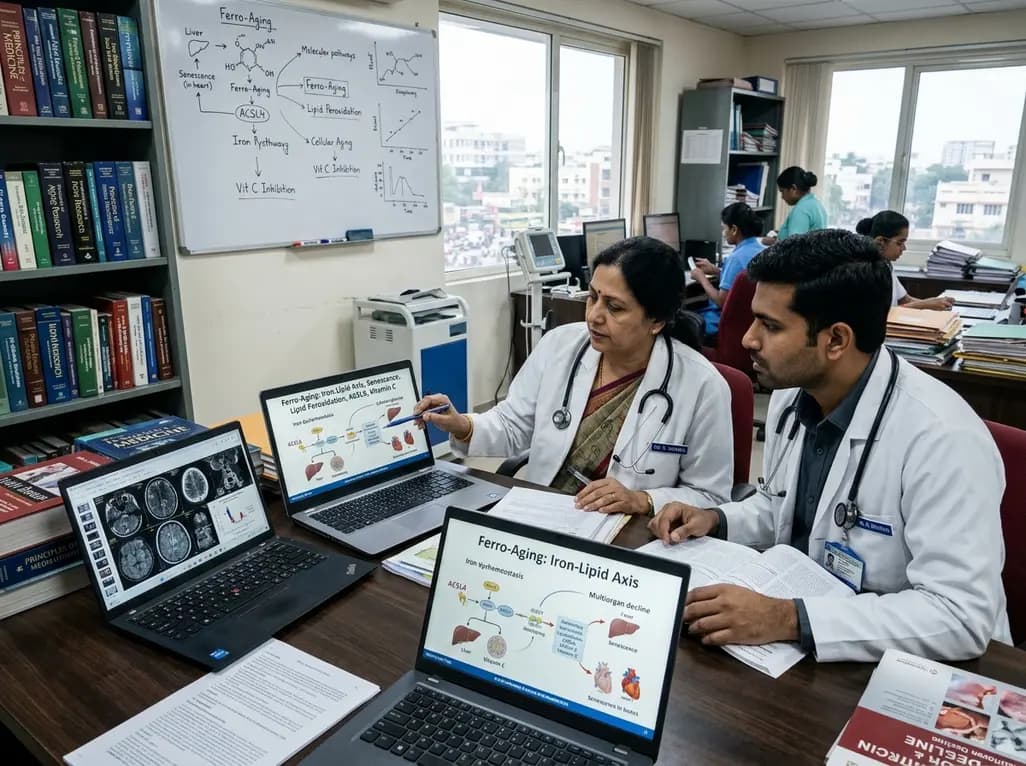
Recent research defines ferro-aging as a conserved iron-lipid axis driving organ decline across primates. Age-related iron dyshomeostasis stimulates ACSL4-mediated lipid peroxidation, promoting cellular senescence. Notably, vitamin C directly inhibits ACSL4, suppressing phospholipid oxidation and multi-organ decay.
Today
A retrospective cohort study evaluated 1,000 low-risk singleton births to assess maternal and neonatal outcomes during office-hours versus off-hours. Off-hours deliveries were significantly associated with higher odds of intrapartum cesarean sections and episiotomies, highlighting critical obstetric staffing considerations.
Today
New clinical evidence demonstrates a shift away from strict exercise restrictions in genetic heart disease. While patients with channelopathies engage in more vigorous activity than those with cardiomyopathies, shared decision-making and individualized risk assessments ensure safe, beneficial exercise participation.
Today
Sarcopenia significantly impairs functional independence and amplifies fracture risks in patients with osteoarthritis and osteoporosis. Learn about modern diagnostic strategies, GLP-1 therapy considerations, and evidence-based non-pharmacological management across multidisciplinary clinical settings.
Today

Discover how to identify superimposed entrapment neuropathy in diabetic patients. This review details clinical evaluation, surgical decompression evidence, and a structured algorithm for primary care referrals to prevent ulcers and preserve limb function.
Today
