.webp&w=384&q=75)

Loading, please wait...
Loading, please wait...
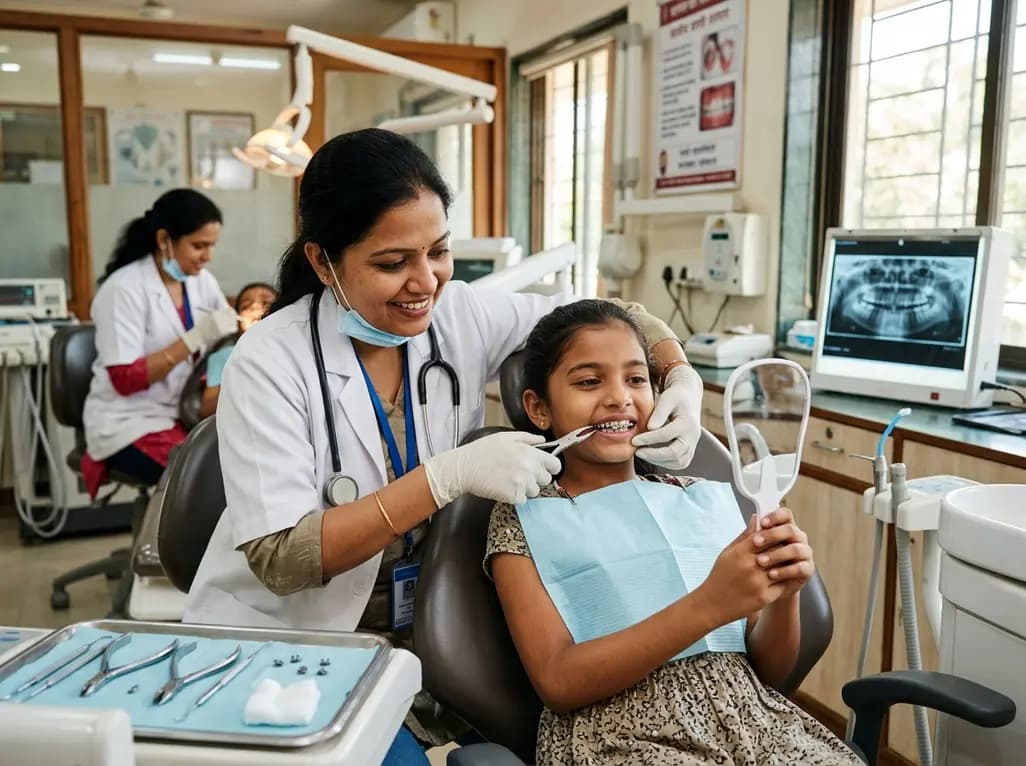
Anterior crossbite represents one of the most common malocclusions observed during the pediatric mixed dentition phase. Dental clinicians frequently encounter cases where aberrant eruptive paths, developmental anomalies, or dental hyperdontia trigger this occlusal disruption. Timely interceptive intervention plays a pivotal role in preventing permanent structural damage, dental attrition, and skeletal discrepancies. In clinical practice, early anterior crossbite correction restores optimal dental alignment, preserves soft tissue health, and promotes normal jaw development. When dental crossbites stem from hyperdontia, removing the physical obstruction and applying targeted orthodontic mechanics provides a reliable pathway to successful realignment.
Anterior crossbite during the mixed dentition period usually develops secondary to local mechanical interference or environmental disturbances. Clinicians classify these malocclusions based on whether they stem from skeletal imbalances, functional shifts, or localized dental factors. Dental crossbites typically arise when maxillary incisors erupt palatally relative to their mandibular counterparts. Lingually displaced eruption often occurs due to over-retained primary teeth, trauma to primary predecessors, arch perimeter insufficiency, or supernumerary teeth. Supernumerary teeth in the anterior maxillary region, such as mesiodens, act as physical barriers that deflect erupting permanent central and lateral incisors from their intended trajectories. Consequently, affected incisors lock behind opposing mandibular teeth upon centric occlusion closure.
Leaving this malocclusion unmanaged initiates a cascade of adverse biomechanical changes. Traumatic occlusal forces generate excessive strain on opposing mandibular incisors, frequently resulting in labial gingival recession, alveolar bone loss, and increased tooth mobility. Furthermore, uncorrected dental crossbites can induce functional shifts of the mandible during closure, predisposing growing pediatric patients to facial asymmetry and temporomandibular joint dysfunction. Early recognition allows pediatric dentists and orthodontists to implement targeted interceptive strategies, eliminating local mechanical obstacles and guiding permanent teeth into stable relationships before complex skeletal deformities develop.
When a pediatric patient presents with an anterior crossbite involving permanent incisors, comprehensive clinical and radiographic evaluations are imperative. In typical clinical presentations, children around ten years of age present with maxillary central incisors trapped in a lingual relationship relative to mandibular incisors. Careful intraoral inspection frequently reveals localized periodontal compromise, including Miller Class I or Class II gingival recession on opposing mandibular incisors. Radiographic examination, utilizing periapical and panoramic radiography or cone-beam computed tomography, often reveals an unerupted or partially erupted supernumerary tooth obstructing the palatal path of eruption.
Management requires a multi-stage approach beginning with surgical intervention. Surgical extraction of the offending supernumerary tooth removes the primary mechanical obstruction, creating sufficient space for incisor relocation. Dentists must execute the extraction with minimal trauma to adjacent permanent roots and surrounding alveolar bone. Following surgical healing, clinicians evaluate whether spontaneous eruption and self-correction will occur or if active orthodontic force application is necessary. In most mixed dentition cases with established reverse overjet, spontaneous self-correction remains insufficient. Therefore, clinicians must initiate active biomechanical tooth movement promptly to alleviate traumatic occlusal contact, halt progressive gingival tissue destruction, and re-establish a healthy periodontal environment.
The 2 x 4 appliance represents a highly effective fixed orthodontic configuration designed specifically for interceptive therapy in mixed dentition. This versatile system comprises two molar bands cemented onto the permanent first maxillary molars and four brackets bonded to the labial surfaces of the four maxillary incisors. A continuous archwire connects these components, passing through buccal tubes on molar bands and engaging the incisor brackets. Biomechanically, the first permanent molars serve as robust anchorage units, enabling precise three-dimensional control over the positioning and inclination of the anterior teeth.
Clinicians typically initiate alignment using flexible nickel-titanium archwire sequences, such as 0.012-inch or 0.014-inch wires, to gently engage malposed incisors without delivering excessive force. As alignment improves, stiffer stainless steel archwires allow controlled labial crown tipping and root torque adjustment. To facilitate smooth labial movement of palatally displaced maxillary incisors without occlusal interference, clinicians frequently place temporary posterior bite planes on mandibular molars. Posterior bite planes disinclude the anterior dentition, disengaging the traumatic crossbite lock. This mechanical disocclusion allows maxillary incisors to move labially across the lower incisal edges rapidly, minimizing patient discomfort and accelerating complete crossbite resolution.
A major motivation for performing early anterior crossbite correction lies in the restoration and protection of periodontal health. Traumatic occlusion resulting from reverse overjet places significant anteriorly directed forces on opposing mandibular incisors during mastication and swallowing. These persistent forces push lower incisors labially through thin labial alveolar bone plates, leading to progressive attachment loss, thinning of attached gingiva, and visible gingival recession.
By eliminating reverse overjet and establishing positive overjet and overbite, the 2 x 4 appliance immediately relieves traumatic stress on mandibular incisors. Clinical follow-ups consistently demonstrate significant improvements in soft tissue parameters following crossbite resolution. Gingival inflammation decreases, attached gingiva thickens, and further recession halts without requiring immediate mucogingival surgical repair. Additionally, the fixed design of the 2 x 4 appliance delivers consistent, controlled orthodontic forces without relying on patient compliance. Unlike removable appliances, which pediatric patients frequently misplace, forget to wear, or break, the fixed 2 x 4 appliance ensures continuous treatment progression. Reduced reliance on patient compliance leads to shorter treatment times, predictable tooth movement, minimal chairside adjustments, and highly reliable clinical outcomes.
Achieving successful crossbite correction requires equal attention to post-treatment retention and long-term occlusal stability. Once maxillary incisors move labially into positive overjet and normal overbite relationships, the anatomical lock provided by upper incisors overlapping lower incisors naturally stabilizes the corrected positions. However, clinicians often maintain the 2 x 4 appliance in place as a passive retainer for a brief consolidation period of two to three months. This passive retention phase allows periodontal ligament fibers to reorganize and surrounding alveolar bone to remineralize around newly aligned roots.
Follow-up evaluations at six months and beyond typically reveal excellent stability with positive overjet, favorable overbite, and restored anterior arch aesthetics. Regular monitoring remains essential throughout the remainder of the mixed dentition phase to track the eruption of permanent canines and premolars. Interceptive correction of dental crossbites successfully eliminates environmental obstacles, allowing normal maxilla and mandible growth to proceed uninhibited. Consequently, early intervention with a 2 x 4 appliance significantly reduces the complexity, duration, and financial burden of potential comprehensive orthodontic treatment during adolescence.
Anterior crossbite in children during the mixed dentition phase typically stems from localized dental obstructions, skeletal discrepancies, or functional habits. Common causes include over-retained primary teeth, trauma to primary incisors, arch length deficiencies, and hyperdontia such as supernumerary teeth. Supernumerary teeth act as physical barriers, deflecting erupting permanent incisors lingually. Early evaluation helps clinicians identify these underlying causes and implement timely interceptive treatment to prevent progressive structural damage.
The 2 x 4 appliance offers several key advantages over removable appliances, primarily by eliminating reliance on patient compliance. Children often forget to wear or frequently lose removable plates, prolonging treatment. The fixed 2 x 4 appliance provides precise three-dimensional control over tooth movement, allowing rapid alignment and labial tipping. Additionally, it requires fewer clinical adjustments, minimizes soft tissue irritation, and delivers highly predictable, efficient outcomes in young patients.
Anterior crossbite creates traumatic occlusal contact, forcing palatally displaced upper teeth against mandibular incisors during occlusion. This excessive mechanical strain pushes lower incisors labially through thin alveolar bone, leading to gingival recession, attachment loss, and tooth mobility. Correcting the crossbite restores positive overjet and overbite, disengaging traumatic forces. This allows lower periodontal tissues to heal, halts further recession, and preserves long-term periodontal health without complex surgery.
Disclaimer: This content is for informational and educational purposes only and does not constitute medical advice. Refer to the latest local and national guidelines for clinical practice.
References
Chandraseharan P et al. Correction of Supernumerary Tooth-Associated Anterior Crossbite in Mixed Dentition Using a 2 × 4 Appliance. Case Rep Dent. 2026 undefined undefined. doi: 10.1155/crid/1417850. PMID: 42571373.
Gupta S et al. 2×4 Appliance for Correction of Anterior Crossbite: A Case Series. J Clin Pediatr Dent. 2023; 47(6):112-118.
Kumar SK et al. Management of Developing Anterior Cross Bite in Mixed Dentition Period Using Versatile 2x4 Appliance. Asian J Pediatr Res. 2023; 12(3):45-52.
Rai A et al. Correction of anterior crossbite using eight different treatment modalities: A case series. BMC Oral Health. 2024; 24(1):215.

Read summarized clinical updates, watch expert medical content, and earn CME certifications right from your smartphone.
Open your smartphone camera to scan and install.





Early interceptive correction of anterior crossbite caused by supernumerary teeth in mixed dentition using a 2x4 fixed appliance restores occlusion, prevents gingival recession, and eliminates compliance dependence.
last month

Clinical guidelines rely heavily on isolated biomarkers like IGF-1 and HbA1c. However, portal insulin delivery fundamentally gates hepatic growth hormone sensitivity. This physiological continuum unites type 1 and type 2 diabetes, obesity, cirrhosis, and acromegaly, challenging conventional treatment strategies.
Today
The ClinGen Prenatal Gene Curation Expert Panel evaluated 63 disease relationships across 61 genes, establishing clinical validity for severe fetal phenotypes like hydrops and stillbirth to enhance prenatal genomic interpretation and clinical care.
Today
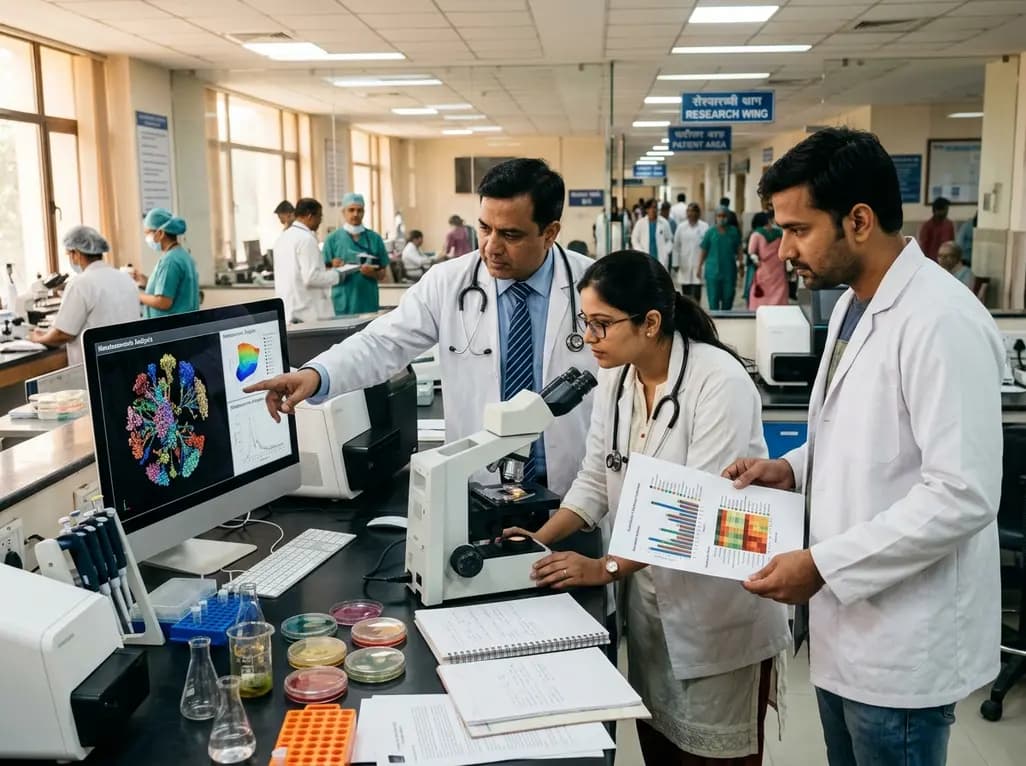
A metataxonomic study reveals distinct gut bacteriome biomarkers in type 2 diabetes, obesity, and cardiovascular complications, identifying specific bacterial shifts that pave the way for precision metabolic medicine.
Today
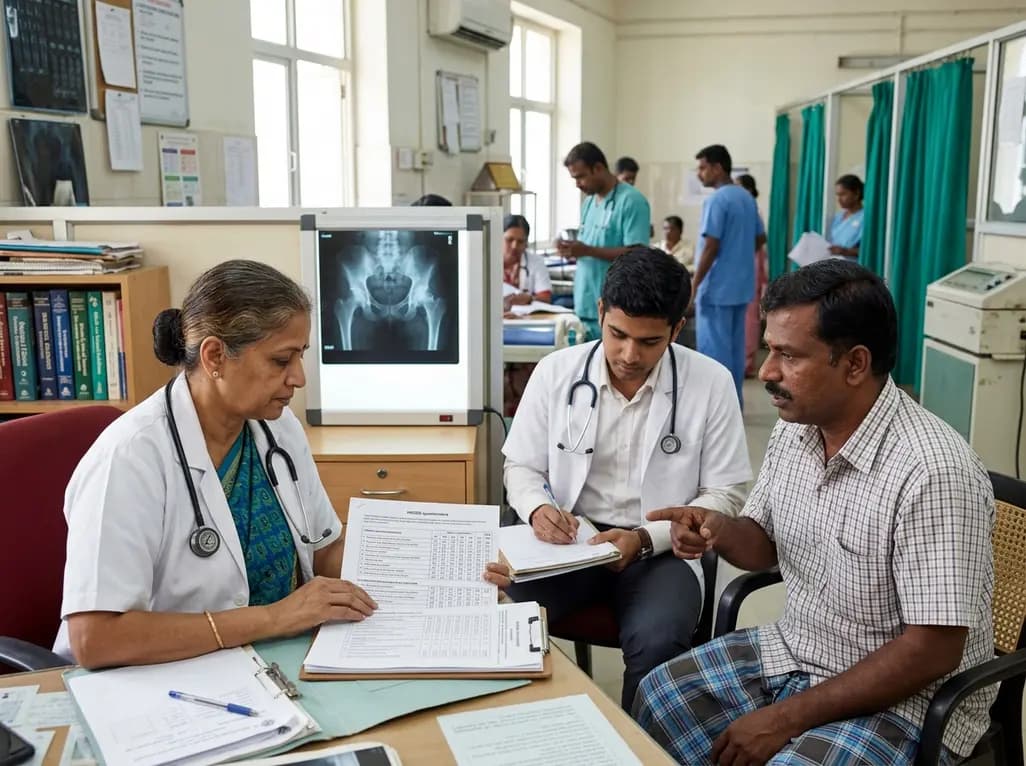
A psychometric validation study confirms that the Turkish Copenhagen Hip and Groin Outcome Score (HAGOS-T) offers excellent reliability, construct validity, and interpretability for patients with hip osteoarthritis, providing clinicians with a robust tool for functional assessment.
Today

A global dose-response meta-analysis of 8.8 million adults reveals that consuming an extra 100 grams of processed food daily raises cardiovascular event risk by 14%. Explore how industrial additives, systemic inflammation, and metabolic disruption heighten long-term multimorbidity and cardiometabolic risks.
Today
