

Loading, please wait...
Loading, please wait...
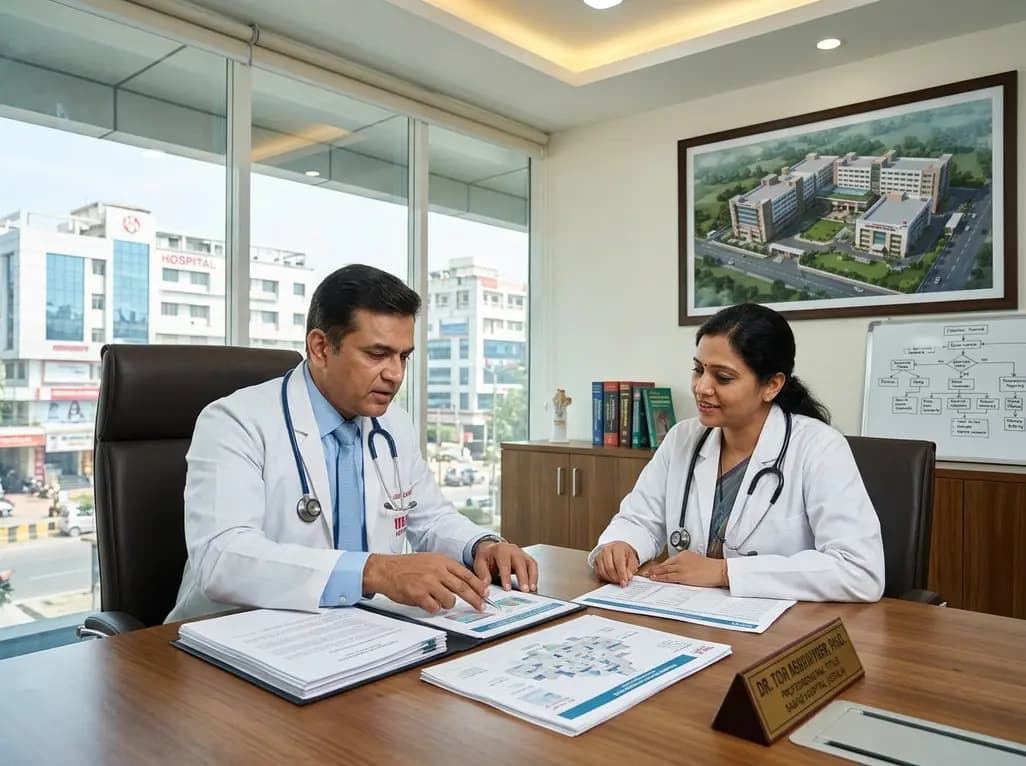
The reproductive healthcare landscape in India is currently witnessing rapid fertility clinic consolidation as organized chains expand into high-potential regional corridors. In a major market development, Indira IVF has initiated advanced discussions to acquire a controlling stake in Kerala-based Sabine Hospital and Research Centre. This proposed transaction values the regional mother-and-child healthcare network at approximately 1,200 to 1,300 crore rupees. Consequently, this maneuver highlights how specialized reproductive providers are scaling clinical capabilities across South India. Furthermore, corporate consolidation helps chains streamline assisted reproductive technology services and upgrade specialized tertiary infrastructure.
Swedish private equity firm EQT Partners backs Indira IVF, which currently operates over 200 centers nationwide. Meanwhile, investment firm CX Partners acquired roughly a 54% stake in Sabine Hospital during 2024 at an estimated 100 million dollar valuation. Under the proposed transaction, Indira IVF plans to purchase a 70% to 75% equity stake. This transaction involves acquiring the institutional stake from CX Partners alongside additional shares from founder Dr. Sabine Sivadasan. Furthermore, investment banking entity o3 Capital is actively advising on this exit roadmap.
Founded in 2010, Sabine Hospital manages two comprehensive clinical facilities in Kerala with an aggregate capacity of 300 hospital beds. Importantly, this infrastructure includes a high-level 60-bed neonatal intensive care unit to support complex high-risk deliveries. The hospital system conducts more than 6,000 assisted reproductive technology cycles and completes roughly 3,000 deliveries each year. Financially, analysts expect the institution to generate 230 to 250 crore rupees in revenue during the upcoming fiscal period. Additionally, projected operating earnings stand comfortably between 70 and 80 crore rupees. Therefore, integrating this high-volume clinical center provides immediate clinical depth and market leadership across the region.
The aggressive push toward fertility clinic consolidation across India reflects broader institutional pressures and regulatory shifts. In recent years, private equity investors have poured capital into organized fertility platforms to build integrated nationwide footprints. Indira IVF itself secured substantial institutional backing when EQT acquired a majority stake in 2023 for nearly 6,000 crore rupees. Consequently, the organization has executed targeted regional acquisitions to maintain operational scale ahead of its planned initial public offering.
For example, Indira IVF purchased Kolkata-based Abha Surgy Healthcare to reinforce its reach in Eastern India. Similarly, the network bought Creation Science IVF in Puducherry and acquired Banker IVF to broaden access across Gujarat. However, national operators face fierce competition from other well-funded hospital groups. In March, Asia Healthcare Holdings-backed Nova IVF Fertility acquired Craft Fertility for 370 crore rupees to establish its southern footprint. Nova also revealed plans to launch 10 specialized reproductive centers across Kerala within five years. Thus, corporate consolidation is transforming fragmented standalone clinics into centralized clinical networks. As a result, healthcare enterprises can better absorb rising regulatory compliance costs while deploying sophisticated laboratory diagnostics.
A primary clinical catalyst behind expanding fertility services in Kerala is the state's remarkable demographic transition. Notably, Kerala reports a total fertility rate ranging between 1.35 and 1.7, resting far below the national replacement threshold. Consequently, shifting socioeconomic priorities have led many couples to defer marriage and childbearing until later reproductive ages. Advanced maternal age naturally correlates with diminished ovarian reserve and higher incidences of ovulatory dysfunction.
Additionally, clinicians across the state report rising cases of polycystic ovary syndrome, endometriosis, and male-factor subfertility. Because couples increasingly delay conception, spontaneous pregnancy rates have declined across urban and semi-urban populations. Therefore, patient acceptance of assisted reproductive technology has expanded significantly over the past decade. Malayali couples now actively seek early reproductive counseling rather than delaying specialized clinical interventions. Furthermore, elevated health literacy across Kerala encourages couples to utilize evidence-based fertility treatments without cultural stigma. Consequently, high patient footfalls sustain major reproductive centers like Sabine Hospital. As local demand continues to surge, larger healthcare networks recognize immense value in consolidating established clinical practices.
The ongoing restructuring of fertility practices brings profound changes for reproductive endocrinologists, gynecologists, and clinical embryologists. Specifically, the Assisted Reproductive Technology Regulation Act of 2021 introduced rigorous mandates for clinic registration, donor tracking, and ethical record-keeping. Independent fertility clinics frequently struggle to manage the documentation burdens and compliance audits required by national and state boards. In contrast, corporate networks maintain dedicated legal, administrative, and clinical governance teams to ensure compliance.
Furthermore, hospital consolidation alters career pathways and clinical workflows for obstetricians and fertility doctors. Clinicians operating within corporatized environments benefit from structured continuing medical education, standardized clinical protocols, and collaborative multidisciplinary teams. On the other hand, practitioners must navigate centralized corporate targets and strict performance expectations. Nevertheless, consolidated networks offer superior risk management frameworks for complex maternal-fetal outcomes. For instance, pairing high-volume embryology labs with full-fledged neonatal intensive care units significantly improves survival rates for premature multiples. Therefore, integrated fertility hubs create comprehensive safety nets that protect patients throughout gestation and childbirth.
Modern assisted reproduction demands continuous capital investment in state-of-the-art laboratory infrastructure and quality control. Large networks possess the financial scale necessary to adopt artificial intelligence for embryo grading, time-lapse imaging, and genetic testing. Consequently, these technologies improve embryo selection accuracy and lower cumulative time to pregnancy. Moreover, standardized cleanroom environments and laminar airflow systems minimize ambient particulate contamination during gamete handling.
Additionally, consolidation facilitates robust electronic medical records and traceability systems across participating clinics. In high-volume settings, standardized electronic witnessing platforms prevent misidentification of gametes and embryos, ensuring patient security. Furthermore, centralized procurement enables reproductive units to secure high-grade culture media, vitrification kits, and micromanipulation consumables at optimal costs. Clinicians can thereby maintain consistent laboratory benchmarks regardless of regional clinic location. However, clinical leaders must maintain individualized care pathways rather than applying rigid industrial algorithms to all patients. Thus, balancing protocolized operational excellence with personalized patient management remains essential for reproductive success.
Looking ahead, the reproductive healthcare sector in India will experience further institutional alignment and geographical integration. Large multi-center providers will continue acquiring prominent standalone clinics to accelerate regional entry and capture regional referral networks. Meanwhile, fertility groups are expanding beyond core in vitro fertilization to deliver holistic fertility preservation, oncofertility, and genetic diagnostics.
Consequently, healthcare practitioners should prepare for an environment shaped by shared infrastructure, multidisciplinary care, and corporate oversight. As capital-backed chains expand, smaller clinics may explore collaborative affiliations or specialized referral arrangements to maintain financial viability. In addition, transparent clinical reporting will become paramount as public awareness and regulatory scrutiny grow. Ultimately, transactions like the Indira IVF and Sabine Hospital partnership signify a maturing healthcare segment. Specifically, these ventures prioritize clinical scale, patient safety, and comprehensive mother-and-child wellness.
Q1: Why are national fertility networks acquiring established regional hospitals in India?
National fertility networks acquire regional centers to rapidly scale operations, secure established patient volumes, and expand geographical presence. Regional hospitals like Sabine possess reputable local brand value, experienced clinical talent, and specialized infrastructure. Acquiring existing facilities allows corporate platforms to bypass lengthy gestation timelines for new builds. Furthermore, consolidation helps organizations prepare for public market listings by enhancing revenue scale, operational margins, and overall market share.
Q2: How does Kerala's total fertility rate impact local demand for assisted reproduction?
Kerala's total fertility rate has dropped to approximately 1.35 to 1.7, well below demographic replacement levels. Because men and women frequently delay marriage and childbearing to pursue higher education and careers, age-related subfertility has increased. Consequently, more couples encounter challenges with diminished ovarian reserves and lifestyle-related reproductive disorders. High societal awareness and progressive health literacy further prompt families to seek timely assisted reproductive treatments across reputable clinical centers.
Q3: What clinical advantages do integrated mother-and-child units offer in reproductive medicine?
Integrated mother-and-child facilities provide seamless clinical continuity from initial conception through prenatal care, labor, and neonatal recovery. Assisted reproduction carries higher probabilities of multiple gestations, preterm labor, and low-birth-weight neonates. By combining high-volume embryology labs with advanced tertiary neonatal intensive care units and emergency obstetric operating theaters, hospitals effectively manage life-threatening complications on site. This comprehensive setup safeguards maternal and neonatal health without requiring external hospital transfers during critical emergencies.
Disclaimer: This content is for informational and educational purposes only. It does not constitute medical advice or replace professional judgment. Refer to the latest local and national guidelines for clinical practice.
References

Read summarized clinical updates, watch expert medical content, and earn CME certifications right from your smartphone.
Open your smartphone camera to scan and install.





India's leading assisted reproduction provider Indira IVF is in advanced talks to acquire a majority stake in Kerala's Sabine Hospital in a Rs 1,300 crore transaction. This strategic development highlights rising private equity interest, clinical consolidation, and changing demographic demands across reproductive medicine.
Today
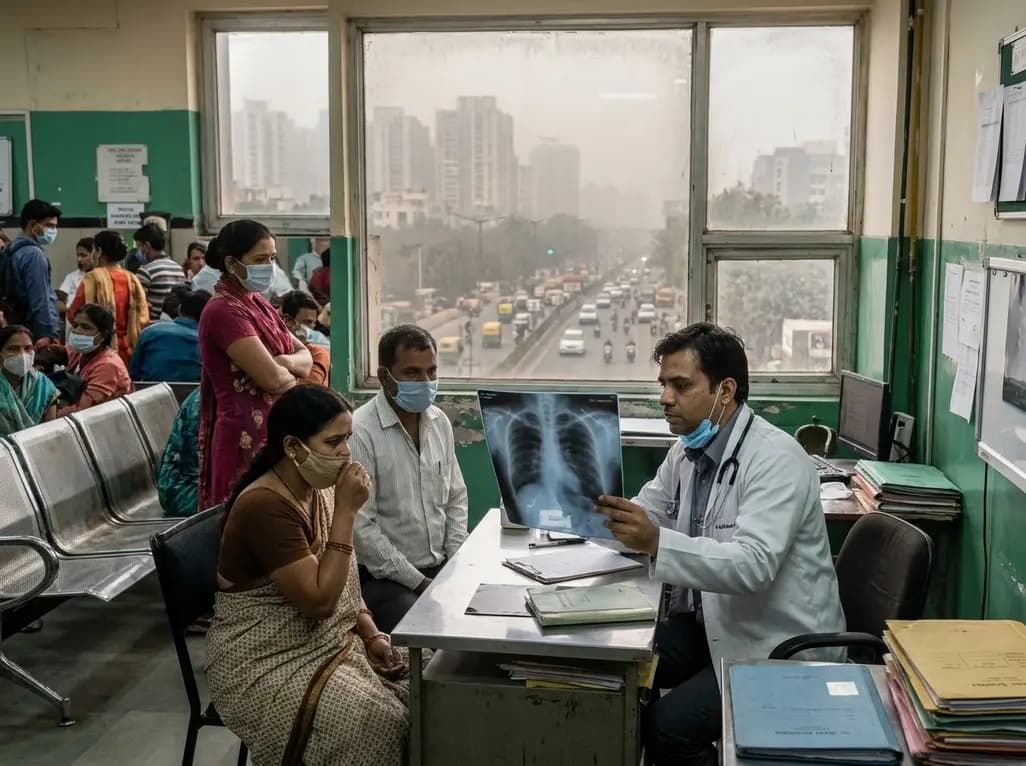
With India still adhering to 2009 air pollution benchmarks, the delayed NAAQS revision exposes populations to fine particulate matter far exceeding global safety limits. Clinicians face surging cardiopulmonary morbidity, emphasizing the urgent need for stringent, health-centered regulatory thresholds nationwide.
Today
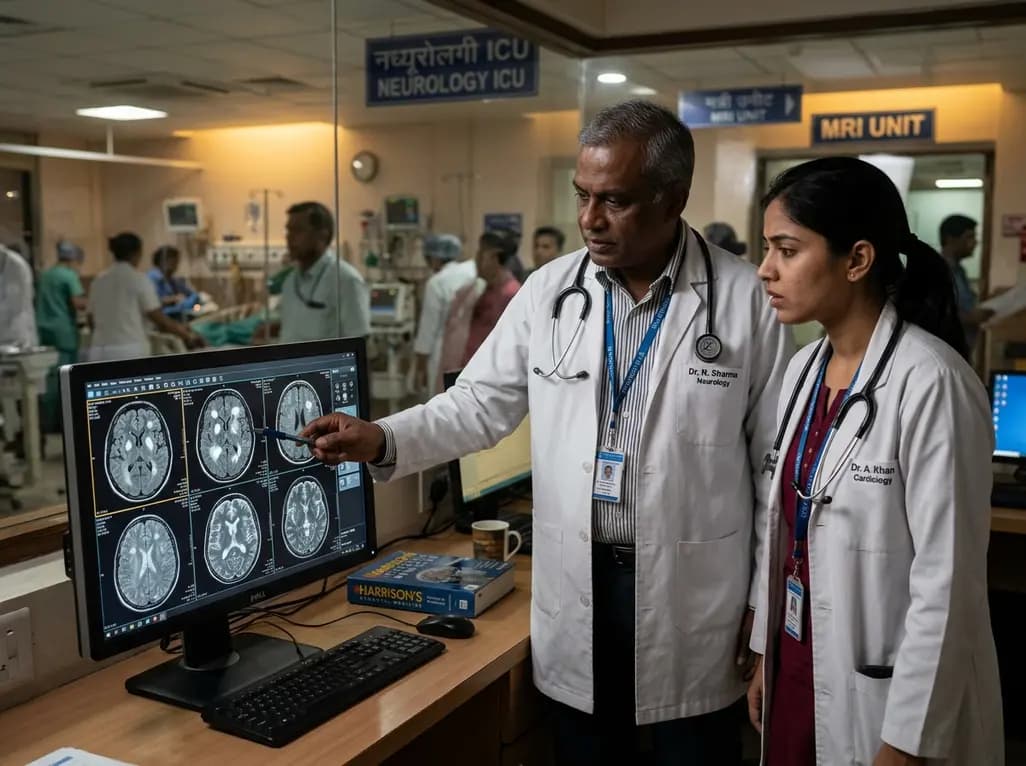
Recent findings from the VESUVE study demonstrate that brain MRI detects intracranial lesions in over 76% of patients with infective endocarditis. Acute ischemic stroke and subarachnoid hemorrhage independently elevate six-month mortality, underscoring the critical prognostic utility of neuroimaging.
Yesterday
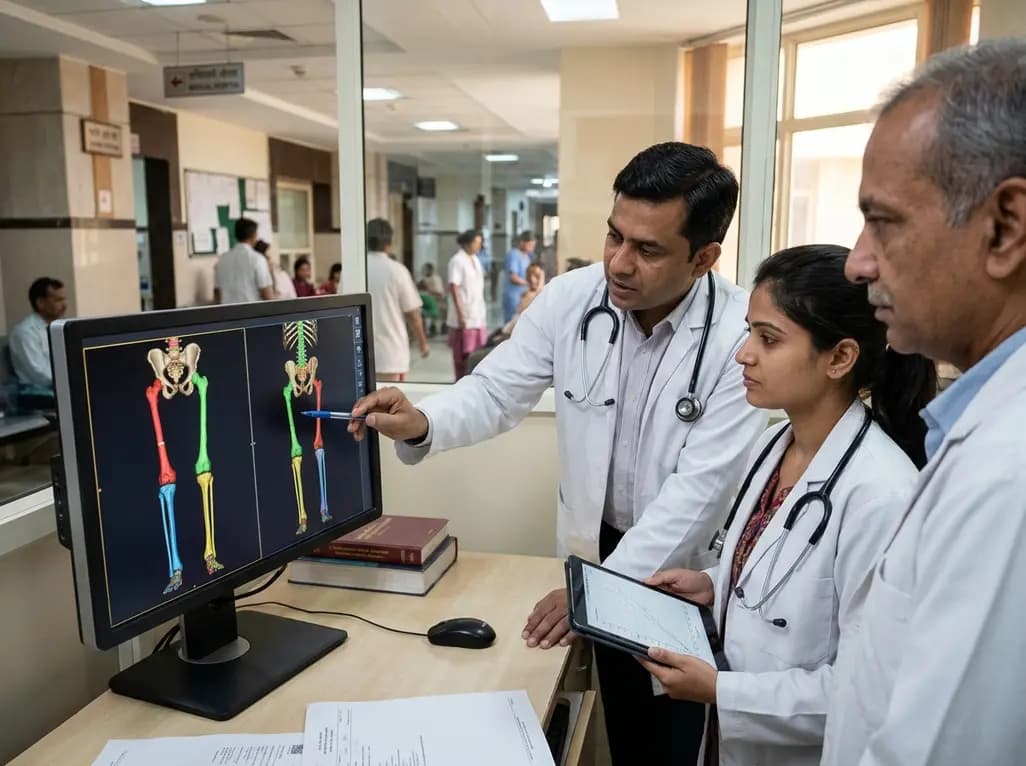
Modern 3D anthropometry reveals that pediatric leg growth ceases years before spinal elongation, exposing the clinical illusion of the classical Anderson-Green model. Learn how segmental growth dissociation improves surgical timing for epiphysiodesis in adolescent leg length discrepancy.
Yesterday

A meta-analysis of 18 studies reveals that bariatric surgery does not significantly alter circulating homocysteine levels, regardless of follow-up duration. Clinicians must maintain vigilance over post-surgical micronutrient supplementation to prevent hyperhomocysteinemia.
2 days back
