

Loading, please wait...
Loading, please wait...
Armed conflict and mass casualty events inflict severe psychological distress on civilian populations across the globe. Specifically, understanding key PTSD risk factors is essential for clinicians who evaluate individuals exposed to acute and chronic trauma. While earlier literature focused primarily on combat veterans, civilians living in conflict zones encounter unique psychological threats under sudden, terrifying conditions. The TERUMAH (Trauma, Civic Engagement, Resilience and Health) study delivers vital epidemiologic data regarding posttraumatic responses. By investigating both vulnerability markers and mitigation pathways, this longitudinal research illuminates critical touchpoints for primary care physicians, emergency responders, and psychiatrists managing trauma survivors.
The TERUMAH investigation followed an adult civilian cohort assessed six months after the onset of the October 7 war and again nine months later. Overall, the population prevalence of probable posttraumatic stress disorder reached 15.6%. However, among participants reporting a distinct, bothersome traumatic exposure, the probable PTSD prevalence surged to 29.2%. Researchers evaluated psychiatric distress using the PTSD Checklist for DSM-5 (PCL-5) with a validated threshold score of 31 points. Furthermore, longitudinal assessments demonstrated persistent distress across diverse demographic cohorts over time. These numbers prove that civilian mental health burdens during active warfare rival rates observed in deployed military personnel. Consequently, healthcare systems must recognize that civilians face sustained psychiatric morbidity rather than short-lived situational anxiety. In addition, secondary trauma affects individuals far beyond the physical impact zones of conflict. Therefore, systematic screening remains essential for mitigating chronic psychological disability across affected communities. Meanwhile, early triage enables clinicians to deploy targeted psychological resources before symptom chronification occurs. Ultimately, ongoing longitudinal tracking helps medical directors allocate clinical personnel efficiently during protracted humanitarian crises.
Multivariable regression models within the TERUMAH cohort revealed prominent PTSD risk factors that dramatically elevate clinical vulnerability. For example, individuals with low income exhibited a 13.7% higher predicted probability of PTSD compared to peers with high financial security. Socioeconomic deprivation frequently deprives families of essential coping resources, safe housing, and immediate medical care. Moreover, experiencing multiple traumatic incidents emerged as an exceptionally powerful determinant of psychiatric illness. Participants reporting a high count of traumatic experiences demonstrated a 19.4% higher predicted probability of meeting diagnostic criteria. Traumatic events included direct physical peril, indirect exposure, and ongoing secondary stressors, such as having immediate relatives deployed in combat. Furthermore, individuals who experienced intense perceived threat exhibited a 12.6% higher probability of disorder. Thus, cumulative trauma exposure and persistent economic precarity interact synergistically. In addition, clinicians must recognize that poverty magnifies chronic hypervigilance under prolonged threats. Consequently, these compounding factors heighten diagnostic vulnerability, deplete emotional reserves, and complicate subsequent psychological recovery.
Worsening sleep patterns emerged as another critical determinant of posttraumatic pathology. In the multivariable analysis, degraded sleep quality correlated with an 11.9% higher predicted probability of developing PTSD. Clinically, sleep disturbance represents both an early symptom and an active biological driver of psychiatric decompensation. When sleep architecture deteriorates, rapid eye movement fragmentation impairs normative emotional memory consolidation. Consequently, trauma survivors struggle to extinguish conditioned fear associations and recalibrate threat appraisals. Furthermore, persistent insomnia exacerbates autonomic hyperarousal, neuroendocrine dysregulation, and systemic neuroinflammation. Because disrupted sleep often precedes full symptom expression, physicians must evaluate sleep patterns systematically during clinical intakes. In addition, addressing insomnia promptly with targeted behavioral therapies, such as Cognitive Behavioral Therapy for Insomnia, can halt symptom progression. Similarly, clinicians should educate patients on basic sleep hygiene to prevent worsening distress. Therefore, treating sleep fragmentation provides an accessible, high-yield clinical intervention in post-disaster healthcare settings that effectively shields vulnerable neural circuits from chronic excitotoxicity.
Although severe traumatic exposures elevate psychiatric risk, specific psychological and behavioral assets provide robust clinical protection. The TERUMAH study highlighted personal resilience as a vital psychological defense mechanism. Specifically, individuals demonstrating high resilience scores exhibited a 14.5% lower predicted probability of PTSD. Resilience enables adaptive cognitive reframing, flexible coping, and persistent problem-solving under profound uncertainty. Even more striking, active community participation served as an independent shield against psychiatric morbidity. Participants engaging in moderate-intensity volunteering displayed an 18.5% lower predicted probability of developing posttraumatic symptoms. Altruistic engagement restores personal agency, fosters meaningful social bonds, and interrupts catastrophic rumination. However, excessive volunteering may cause physical exhaustion and emotional burnout. In contrast, isolated individuals lack the social validation necessary to process shared adversity. Therefore, clinicians and public health planners should encourage balanced civic engagement as a sustainable coping mechanism that bolsters long-term psychological health while actively reinforcing communal solidarity.
Physicians across primary care and emergency departments frequently encounter trauma survivors presenting with somatic complaints rather than overt psychological distress. For example, patients often report unremitting tension headaches, gastrointestinal upset, unexplained fatigue, or persistent palpitations following traumatic events. Consequently, doctors must maintain high clinical suspicion and administer brief validated screening instruments like the Primary Care PTSD Screen. Furthermore, clinicians should identify socioeconomically disadvantaged patients and those with repetitive trauma exposure as high-risk candidates. Interventions should prioritize trauma-informed communication that validates survivor experiences without pathologizing initial acute stress reactions. Additionally, multidisciplinary clinics should connect vulnerable individuals with supportive community networks and organized volunteer programs. When symptoms persist beyond one month, prompt referral for evidence-based psychotherapies, including Cognitive Processing Therapy, remains essential. Therefore, proactive community initiatives play a pivotal role alongside formal clinical treatments. Ultimately, integrating medical surveillance with community empowerment ensures comprehensive recovery following mass traumatic crises.
Sleep disruption directly undermines neural recovery following severe trauma. Fragmented rapid eye movement sleep impairs emotional memory consolidation and prevents adaptive fear extinction. Additionally, chronic insomnia maintains persistent sympathetic nervous system arousal and elevates stress hormones like cortisol and adrenaline. Consequently, unresolved sleep fragmentation intensifies daytime hyperarousal and intrusive flashbacks. Proactively restoring healthy sleep through behavioral or targeted medical interventions stabilizes emotional processing and significantly reduces posttraumatic vulnerability.
Moderate volunteering offers profound protective benefits by actively restoring personal agency during catastrophic crises. Engaging in purposeful community service counteracts feelings of helplessness, builds strong social support networks, and interrupts cyclical rumination. Furthermore, altruistic behaviors stimulate reward circuitry in the central nervous system, enhancing emotional resilience. However, volunteering must remain moderate to prevent compassion fatigue and physical exhaustion. Therefore, balanced civic engagement acts as a potent, scalable community intervention against psychological distress.
The Primary Care PTSD Screen for DSM-5 represents the most reliable tool for initial outpatient evaluations. This five-item questionnaire rapidly assesses core posttraumatic manifestations, including intrusion, avoidance, hyperarousal, and emotional numbing. Patients who screen positive should subsequently complete the PTSD Checklist for DSM-5 for comprehensive symptom profiling. Incorporating these validated instruments into routine clinical assessments facilitates timely identification, accurate risk stratification, and prompt therapeutic referral before severe functional impairment occurs.
Disclaimer: This content is for informational and educational purposes only... Refer to the latest local and national guidelines for clinical practice.
References

Read summarized clinical updates, watch expert medical content, and earn CME certifications right from your smartphone.
Open your smartphone camera to scan and install.





The TERUMAH study assesses PTSD prevalence among Israeli civilians following armed conflict, identifying key risk factors like sleep disturbance and low income alongside protective elements such as resilience and community volunteering to guide evidence-based, trauma-informed interventions.
5 days back
A Canadian multicenter study reveals that older adults who survive past age 65 with HIV have similar burdens of cardiovascular, renal, and pulmonary comorbidities regardless of duration since diagnosis, highlighting the decisive impact of lifestyle factors, routine screening, and metabolic health.
Today

Large genomic databases like gnomAD and All of Us offer crucial insights into the population prevalence of partial RHD genotypes. Identifying these variants helps clinicians mitigate anti-D alloimmunization risks in transfusion medicine and obstetric care across diverse ancestral populations.
Today

A novel magnetoactive hydrogel platform demonstrates that vascular curvature independently guides endothelial mechanosensing. Elevated curvature triggers nuclear YAP translocation, VE-cadherin junction thinning, and eNOS membrane shifts, offering critical insights into arterial tortuosity and aneurysm pathology.
Today
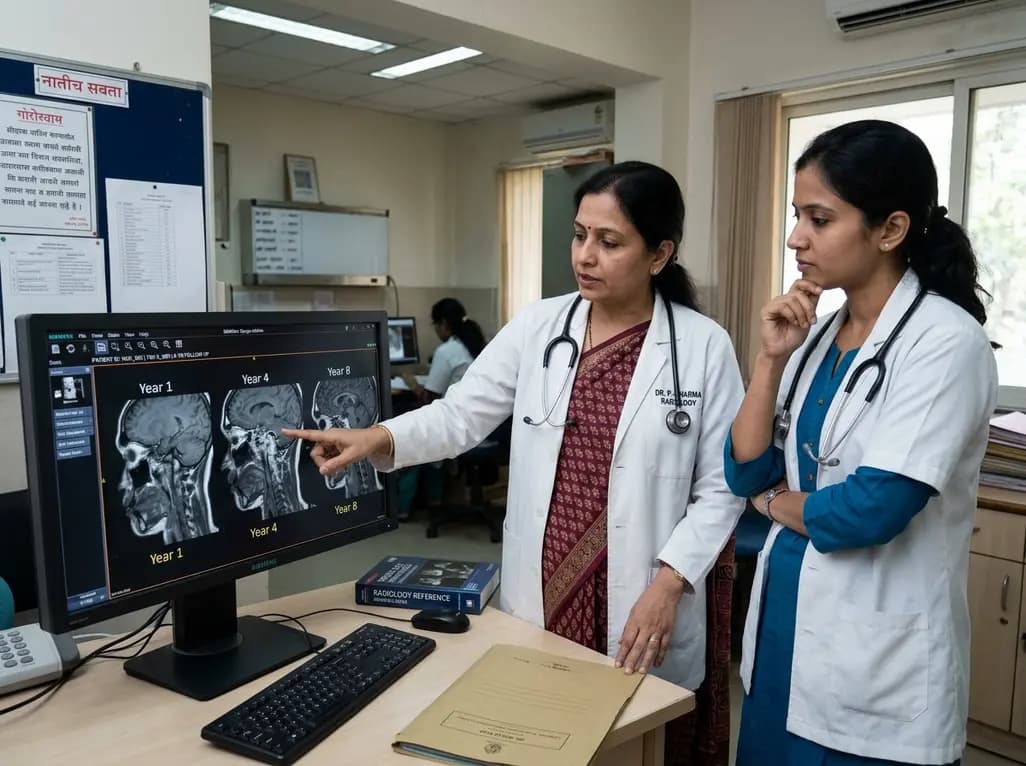
An eight-year longitudinal imaging follow-up reveals severe temporomandibular joint remodeling in nodulosis-arthropathy-osteolysis (NAO) syndrome. Despite extensive osseous destruction, the patient maintained functional jaw opening without TMJ interventions, highlighting the role of conservative management.
Today

Discover essential clinical insights into AGLP1-type amyloidosis, a rare localized complication of glucagon-like peptide-1 analog injections. Learn how histopathology and mass spectrometry differentiate benign iatrogenic amyloidomas from systemic disease, preventing misdiagnosis and unwarranted therapies.
Yesterday
