

Loading, please wait...
Loading, please wait...
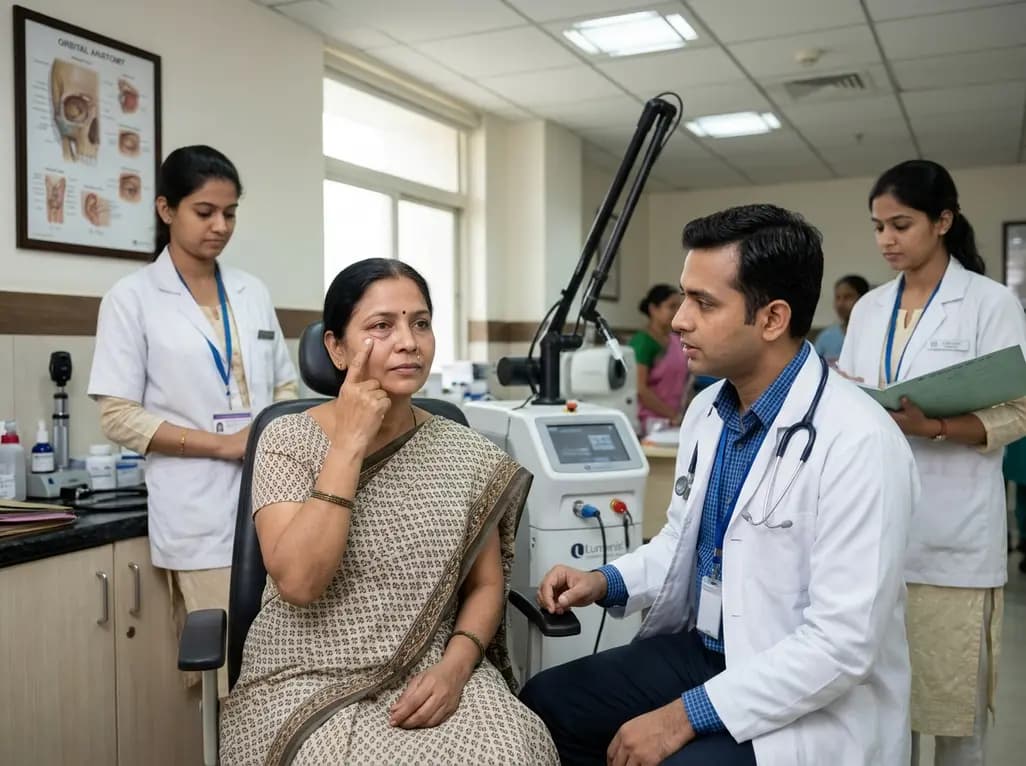
Surgical reconstruction of orbital floor fractures through transcutaneous subciliary or subtarsal incisions offers excellent surgical exposure. However, cicatricial contracture and visible scarring remain persistent clinical complications for reconstructive surgeons. Recent clinical evidence demonstrates that early postoperative intervention with a fractional carbon dioxide laser significantly optimizes wound remodeling, accelerates scar maturation, and maintains delicate periorbital architecture. By initiating targeted photothermal ablation shortly after complete epithelialization, clinicians can markedly suppress pathologic fibroblast proliferation and minimize long-term cicatricial lower-eyelid malposition.
Surgeons frequently utilize transcutaneous approaches to access the inferior orbital rim and repair displaced bony fragments. Although these approaches provide direct visualization, transcutaneous access inherently violates superficial muscular and dermal planes. Consequently, postoperative contracture along the lower eyelid can induce devastating aesthetic and functional deformities. Patients frequently experience inferior scleral show, persistent ectropion, or lagophthalmos due to vertical skin shortening. Moreover, excessive tension during the proliferative phase worsens surgical scar cosmesis and impairs patient satisfaction. Therefore, perioperative management requires dynamic strategies that guide collagen alignment before rigid scar contracture develops. Traditional scar therapies, such as silicone gel sheeting or massage, yield variable outcomes in the delicate infraorbital skin. As a result, reconstructive teams increasingly seek active biophysical interventions that safely modulate early wound healing dynamics.
The application of a fractional carbon dioxide laser produces microscopic treatment zones of thermal injury that penetrate deep into the reticular dermis. Because these microscopic columns leave surrounding tissue intact, rapid re-epithelialization occurs without substantial donor morbidity. Furthermore, localized heat shock proteins stimulate rapid clearance of disorganized collagen bundles while promoting physiological collagen turnover. Early laser application triggers a phenotypic shift in dermal fibroblasts, effectively lowering transforming growth factor-beta expression. Consequently, this intervention prevents excessive alpha-smooth muscle actin deposition and limits vertical myofibroblastic contraction. In addition, the controlled thermal micro-injuries enhance dermal elasticity and restore natural tissue compliance along the lower lid. Thus, delivering ablative photothermal energy during the immature remodeling phase fundamentally shifts the biological trajectory of the healing surgical wound.
Clinical data highlight the importance of optimal timing when delivering laser therapy to freshly healed periocular incisions. In the comparative clinical investigation, surgeons initiated treatment between 19 and 36 days postoperatively, strictly following complete incision epithelialization. The treatment protocol comprised two to three treatment sessions spaced approximately four weeks apart to respect cellular turnover cycles. During each session, clinicians applied cautious fluence parameters specifically calibrated for the thin infraorbital integument. Furthermore, strict corneal protection and precise boundary management ensured complete ocular safety throughout every procedure. Because premature application before epithelial maturity risks wound dehiscence, accurate clinical assessment of wound stability is mandatory. Therefore, waiting for intact barrier function while intervening before dense scar maturation represents the crucial therapeutic window for success.
Investigators utilized validated objective instruments to monitor tissue remodeling and lid contour across six months of follow-up. Specifically, the Scar Cosmesis Assessment and Rating (SCAR) score and maximum scar width served as primary cosmesis metrics. Simultaneously, lower-eyelid positional stability was quantified using the interocular difference in margin reflex distance 2 (ΔMRD2) and inferior scleral show. Generalized estimating equations revealed statistically significant group-by-time interactions favoring early laser therapy over routine observation. After multivariable adjustment, early intervention independently correlated with significantly lower six-month SCAR scores and reduced scar widths. More importantly, treated cohorts maintained lower ΔMRD2 values and exhibited negligible inferior scleral show throughout recovery. Consequently, early photothermal therapy successfully mitigated the vertical tissue shortening that typically precipitates cicatricial eyelid descent.
These clinical findings provide reconstructive surgeons with actionable guidance for postoperative periorbital rehabilitation. Integrating early laser resurfacing into orbital trauma pathways prevents irreversible aesthetic deformities that otherwise necessitate complex revisional canthoplasty. Furthermore, Indian surgical teams operating on diverse Fitzpatrick skin phototypes can adapt conservative energy densities to prevent post-inflammatory hyperpigmentation. Clinicians must combine thorough patient counseling with strict postoperative sun avoidance and broad-spectrum photoprotection. Additionally, multi-disciplinary collaboration between maxillofacial surgeons, ophthalmologists, and dermatologists ensures consistent follow-up during early scar remodeling. By proactively addressing surgical scars within the initial post-injury month, surgeons protect ocular surface health and significantly elevate postoperative quality of life.
Clinicians should initiate treatment between 19 and 36 days following surgical closure, strictly after complete wound epithelialization has occurred. Intervening during this early proliferative phase prevents excessive myofibroblastic contracture. However, treating too early before epithelial integrity stabilizes creates risks of wound breakdown, while delaying treatment beyond two months severely limits the laser ability to redirect established collagen architectures.
Early laser application creates controlled micro-thermal columns that disrupt rigid parallel collagen bundles and downregulate pro-fibrotic signaling molecules. Consequently, this targeted photothermal action suppresses excessive vertical scar contracture within the infraorbital lamellae. By preserving dermal elasticity and native tissue length, the therapy maintains normal eyelid apposition against the globe and prevents lower-eyelid retraction and scleral show.
Yes, clinical evidence indicates that achieving optimal scar remodeling requires two to three consecutive treatment sessions delivered at four-week intervals. This staged approach accommodates natural cellular turnover and progressive neocollagenesis. Repeated gentle ablative stimulation allows clinicians to gradually refine incision width, smooth surface contour irregularities, and enhance overall lower eyelid stability without overloading delicate periocular tissues.
Disclaimer: This content is for informational and educational purposes only and should not be considered medical advice. Always consult a qualified healthcare professional regarding any medical condition or treatment. Refer to the latest local and national guidelines for clinical practice.
References
Liao C et al. Association of Early Fractional Carbon Dioxide Laser Treatment With Lower-Eyelid Incision Scar Maturation and Positional Stability After Orbital Floor Fracture Repair. J Craniofac Surg. 2026 Oct 26. doi: 10.1097/SCS.0000000000013529. PMID: 42930042.
Xing Y, Guo Y, Ding X, Li J, Lin M. Eyelid malposition after orbital fracture surgery. Ann Eye Sci. 2020;5:35. doi: 10.21037/aes-2020-03.
Kwon TG, Choi JW, Neupane S, et al. Early intervention with fractional carbon dioxide laser for surgical scar prevention: A randomized controlled trial. Dermatol Surg. 2021;47(4):518-523.

Read summarized clinical updates, watch expert medical content, and earn CME certifications right from your smartphone.
Open your smartphone camera to scan and install.





A landmark clinical study shows that early fractional carbon dioxide laser intervention significantly accelerates scar maturation and preserves lower-eyelid positional stability after transcutaneous orbital floor fracture repair, offering clinicians an effective preventative strategy against ectropion.
2 days back

With packaged goods giant HUL backing FSSAI's proposed front-of-pack red warning labels for foods high in fat, sugar, and salt, India takes a major step toward curbing non-communicable diseases. Learn how clearer nutrition disclosures empower clinicians, inform consumer choices, and drive dietary reform.
Today
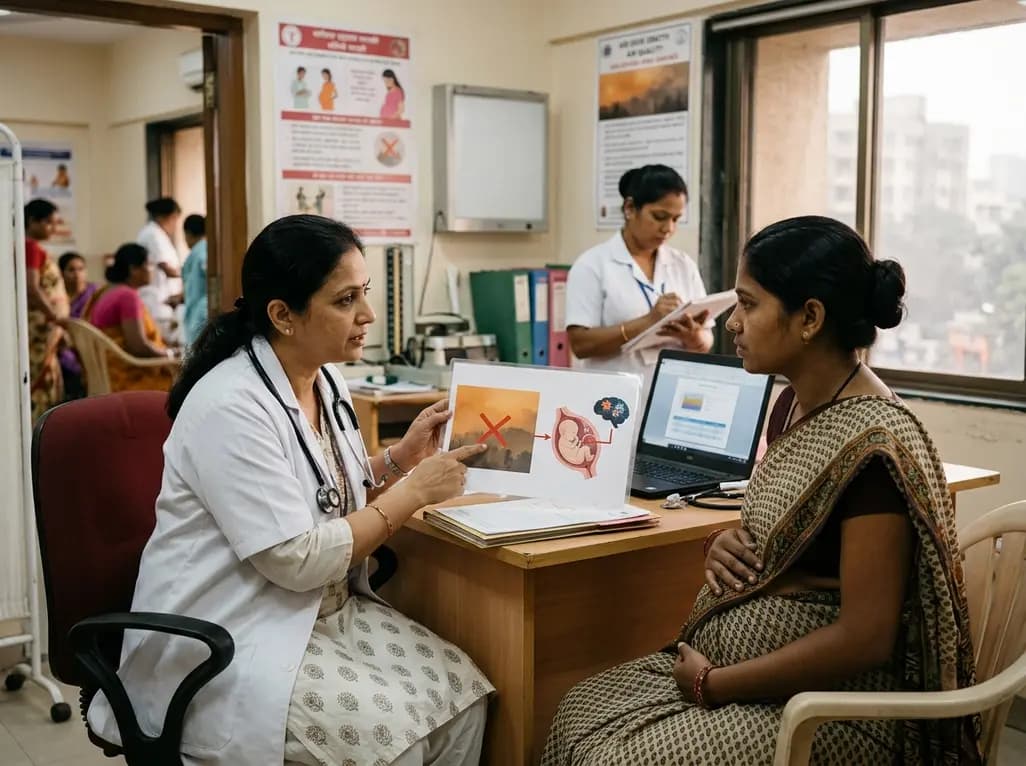
A nationwide cohort study published in JAMA Pediatrics reveals that maternal exposure to wildfire fine particulate matter, especially in late pregnancy, is linked to an elevated risk of childhood autism. Clinicians should evaluate ambient air quality risks and provide proactive protective counseling to mothers.
Today
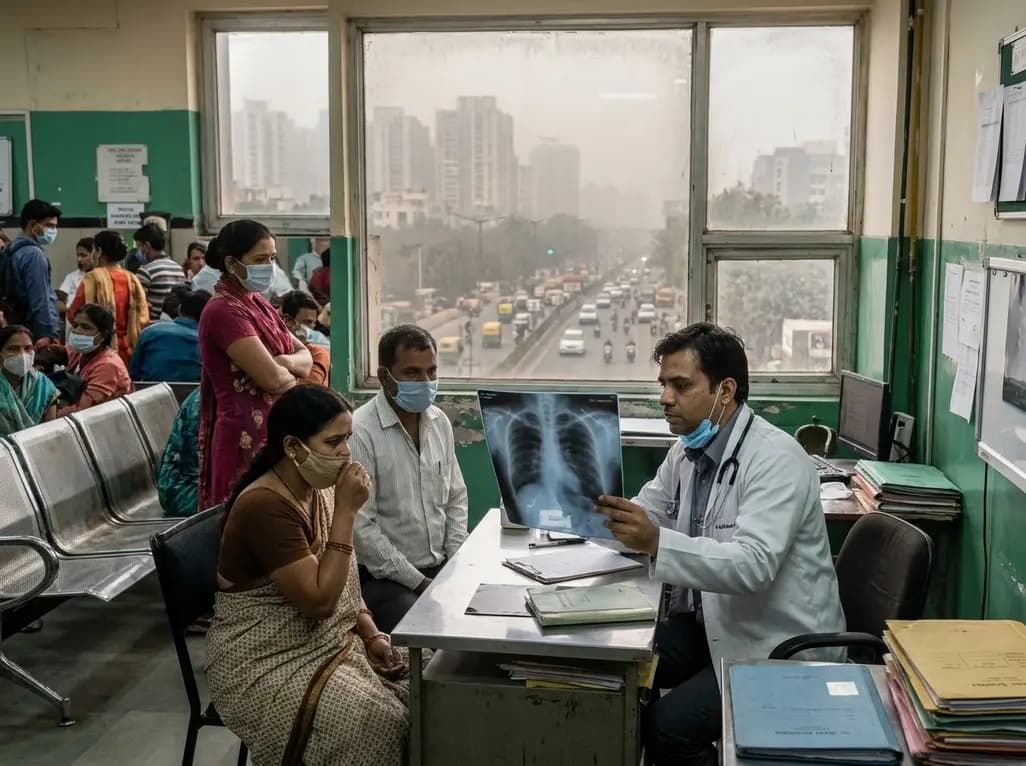
With India still adhering to 2009 air pollution benchmarks, the delayed NAAQS revision exposes populations to fine particulate matter far exceeding global safety limits. Clinicians face surging cardiopulmonary morbidity, emphasizing the urgent need for stringent, health-centered regulatory thresholds nationwide.
Today
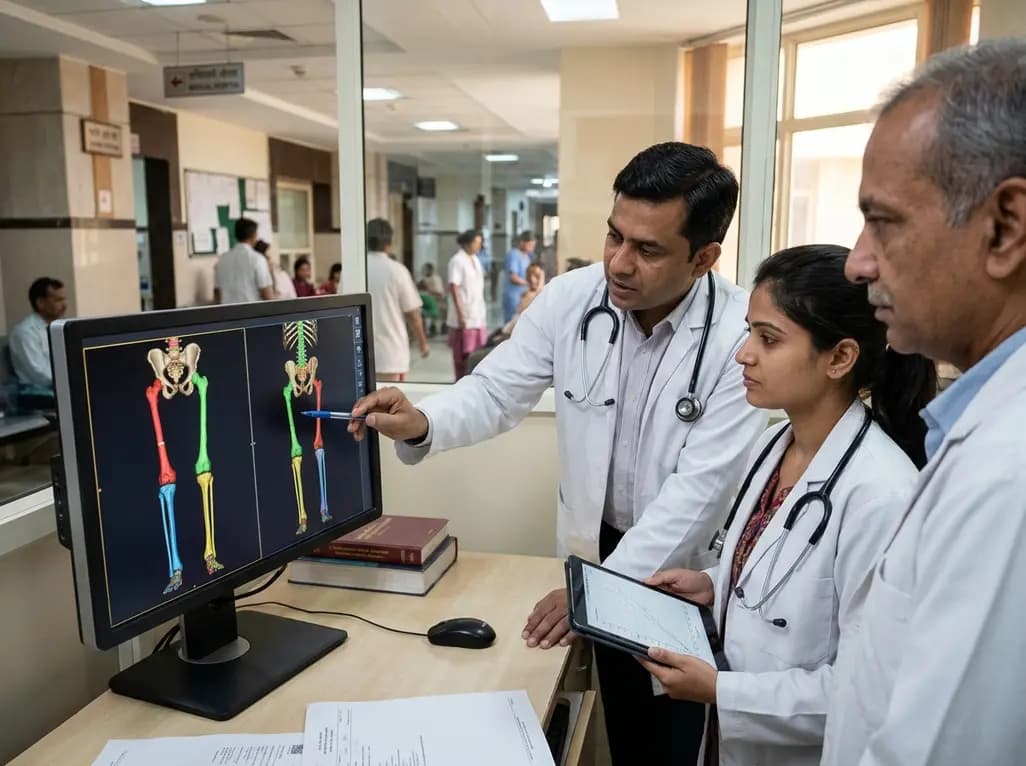
Modern 3D anthropometry reveals that pediatric leg growth ceases years before spinal elongation, exposing the clinical illusion of the classical Anderson-Green model. Learn how segmental growth dissociation improves surgical timing for epiphysiodesis in adolescent leg length discrepancy.
2 days back

A meta-analysis of 18 studies reveals that bariatric surgery does not significantly alter circulating homocysteine levels, regardless of follow-up duration. Clinicians must maintain vigilance over post-surgical micronutrient supplementation to prevent hyperhomocysteinemia.
2 days back
