

Loading, please wait...
Loading, please wait...

Clinicians frequently view human sexuality through binary or normative frameworks that overlook diverse variations. Consequently, healthcare providers may struggle to understand patients identifying along the ace spectrum. Recent epidemiological data challenge the notion that asexuality represents a uniform absence of desire. Instead, comprehensive evaluations reveal nuanced asexual spectrum profiles across large clinical and community cohorts. Specifically, investigators evaluated data from 11,063 respondents in the 2021 Ace Community Survey to clarify this internal complexity. They examined key psychosexual variables, including sexual attraction frequency, desire to act on attraction, physiological libido, and personal sex disposition. Furthermore, researchers applied advanced statistical modeling to determine how these distinct traits assemble within individuals. Historically, medical practitioners conflated ace identities with sexual dysfunction or psychological trauma. However, modern sexological evidence demonstrates that asexuality constitutes a healthy, valid sexual orientation. By exploring multidimensional configurations, clinicians can move beyond obsolete stereotypes. Moreover, this approach enables doctors to evaluate minority stress without pathologizing normal human variation. Therefore, understanding this multidimensional spectrum helps physicians recognize legitimate diversity and deliver empathetic care.
To unpack this diversity, researchers employed latent profile analysis across four essential dimensions of psychosexual functioning. Consequently, the statistical models delineated four robust latent subgroups within the surveyed ace cohort. First, the Sex-Averse Low-Attraction profile encompassed individuals reporting negligible sexual attraction alongside marked aversion toward sexual activity. In contrast, the Context-Dependent Low-Attraction group included people who experience sexual attraction under specific conditions, such as emotional bonding. This subgroup aligns closely with demisexual and gray-asexual experiences recognized in sexology literature. Furthermore, the analysis identified a unique Higher-Frequency profile characterized by more recurrent sexual attraction and moderate libido. Finally, the Sex-Favorable High-Attraction profile exhibited relatively higher attraction frequency accompanied by positive dispositions toward sexual engagement. Thus, people in this group often engage in consensual sexual encounters for intimacy or partner pleasure despite lacking conventional drive. These findings demonstrate that libido, attraction, and behavioral willingness operate as separate variables. Therefore, clinicians must avoid assuming that all ace individuals completely reject sexual intimacy or lack physiological excitation.
After establishing these four profiles, investigators evaluated how each configuration interacts with perceived minority stress and social discrimination. Specifically, the researchers utilized the Bolck-Croon-Hagenaars methodological approach to analyze global impairment and domain-specific outcomes. These outcomes included harm to family relationships, socioeconomic disadvantage, social exclusion, and physical or mental health burdens. Overall, participants reported comparatively low baseline levels of perceived stigma-related impairment across the entire cohort. However, significant variations emerged when comparing the individual profiles against one another. Notably, the Higher-Frequency profile exhibited the highest perceived impairment across all evaluated social and health domains. The authors suggest that individuals in this group face unique identity ambiguity and invalidation from both queer and heterosexual communities. In contrast, the Sex-Averse Low-Attraction and Sex-Favorable High-Attraction profiles generally experienced lower overall impairment. Interestingly, the Sex-Favorable High-Attraction profile reported elevated socioeconomic disadvantage compared to peers. Meanwhile, the Context-Dependent Low-Attraction group consistently demonstrated intermediate impairment scores across domains. Consequently, within-group variability strongly shapes the psychological vulnerability of asexual individuals.
In clinical settings, physicians must carefully differentiate asexual orientations from psychiatric conditions like Hypoactive Sexual Desire Disorder. Medical manuals, including the DSM-5-TR and ICD-11, emphasize that low desire does not constitute pathology if lifelong and identity-syntonic. Furthermore, diagnostic criteria explicitly state that clinicians should not diagnose dysfunction when asexuality explains the individual's experience. A primary distinguishing factor centers on personal distress versus external pressure. For example, patients with genuine sexual desire disorders typically suffer marked personal distress regarding their absent libido. In contrast, asexual individuals usually experience distress solely from interpersonal friction, societal prejudice, or compulsory sexual norms. Therefore, doctors should conduct comprehensive psychosexual histories before ordering extensive hormonal panels or prescribing psychotropic medications. Misdiagnosing an asexual individual exposes them to unnecessary medical interventions and psychological harm. Additionally, medicalizing a valid identity reinforces perceived stigma and damages therapeutic trust. Accordingly, clinicians must validate identity while addressing secondary depression or relationship conflicts that stem from cultural expectations.
Understanding the ace spectrum holds profound clinical importance for psychiatrists, sexologists, and family medicine practitioners worldwide. In many societies, strong social pressures surrounding marriage and reproduction amplify minority stress for ace-spectrum individuals. Consequently, patients often present to clinics accompanied by distressed partners or family members concerned about unconsummated partnerships. Under such circumstances, clinicians must maintain an objective, non-judgmental stance. Instead of attempting conversion or behavioral modification, practitioners should facilitate open communication and psychoeducation. Furthermore, recognizing specific asexual profiles allows doctors to tailor mental health support effectively. For instance, clinicians should anticipate higher minority stress and social exclusion among patients fitting the Higher-Frequency profile. Similarly, providers should assess socioeconomic stressors among sex-favorable asexual individuals navigating heteronormative environments. In addition, couples therapy should explore relationship structures that respect asexual boundaries while honoring partner needs. Ultimately, affirming psychosexual diversity promotes psychological well-being, prevents unnecessary pharmacotherapy, and establishes equitable healthcare environments for all patients.
Clinicians differentiate asexuality from hypoactive sexual desire disorder by assessing personal distress and lifelong identity continuity. Asexual individuals lack intrinsic distress regarding their low sexual attraction, experiencing anxiety only due to societal stigma or relational conflict. In contrast, individuals with sexual desire disorders experience profound subjective distress directly caused by absent libido. Furthermore, international diagnostic guidelines state that low desire explained by an asexual orientation should never receive a psychiatric diagnosis.
Yes, individuals on the asexual spectrum often experience physiological arousal, masturbate, or form deep romantic relationships. Asexuality specifically describes an absence or low frequency of sexual attraction toward other people, rather than impaired genital functioning or emotional incapacity. Furthermore, many ace individuals adopt the split attraction model, distinguishing sexual attraction from romantic orientation. Consequently, an asexual person may identify as heteroromantic, biromantic, or homoromantic while maintaining fulfilling, non-sexual or sex-favorable partnerships.
Individuals in the higher-frequency asexual profile often experience heightened stigma due to persistent identity invalidation from both allosexual and asexual communities. Because they experience situational attraction or moderate libido, mainstream society frequently misinterprets their identity as mere indecisiveness or repression. Similarly, some asexual spaces may mistakenly question their belonging on the spectrum. Consequently, this unique marginalization generates substantial minority stress, producing elevated perceived impairment across familial, socioeconomic, and mental health domains.
Disclaimer: This content is for informational and educational purposes only... Refer to the latest local and national guidelines for clinical practice.
References

Read summarized clinical updates, watch expert medical content, and earn CME certifications right from your smartphone.
Open your smartphone camera to scan and install.





A study of 11,063 individuals identifies four distinct asexual spectrum profiles, demonstrating within-group diversity and differential stigma-related impairment. Clinicians gain key insights to differentiate asexuality from sexual dysfunction, reduce pathologization, and address minority stress.
3 weeks back
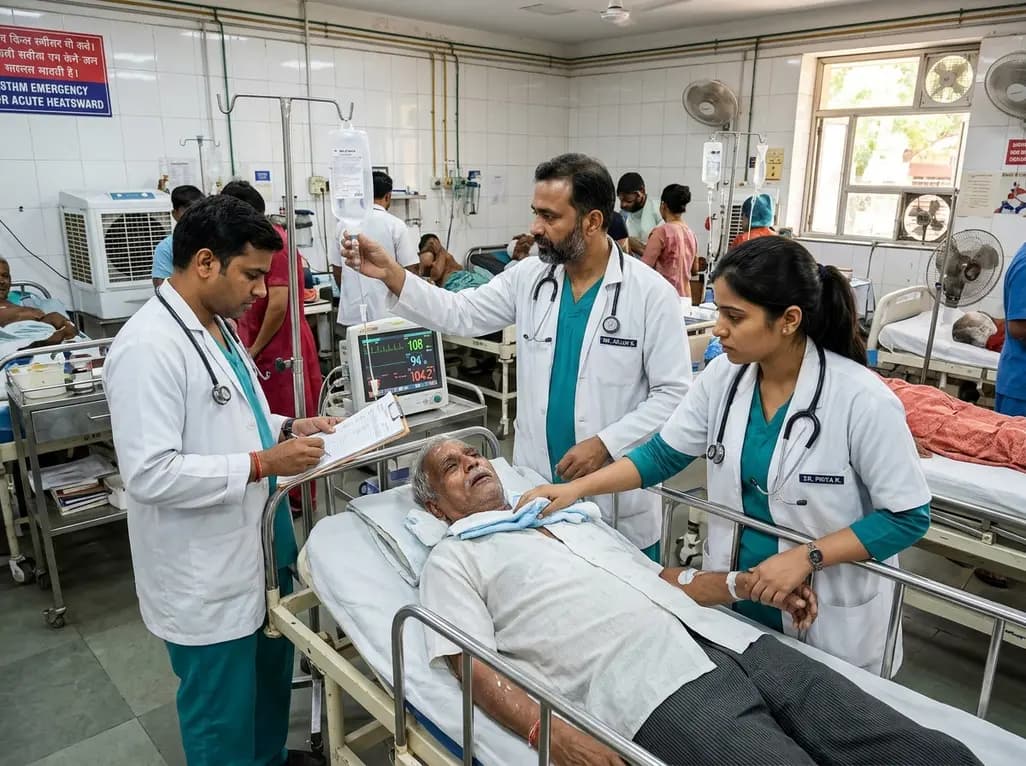
Recent epidemiological data reveals a dramatic surge in summer heat mortality driven by human-induced climate warming. This analysis explores the pathophysiological impacts on cardiac and renal systems, diagnostic dilemmas in death certification, and essential emergency cooling protocols for acute clinical care.
Today
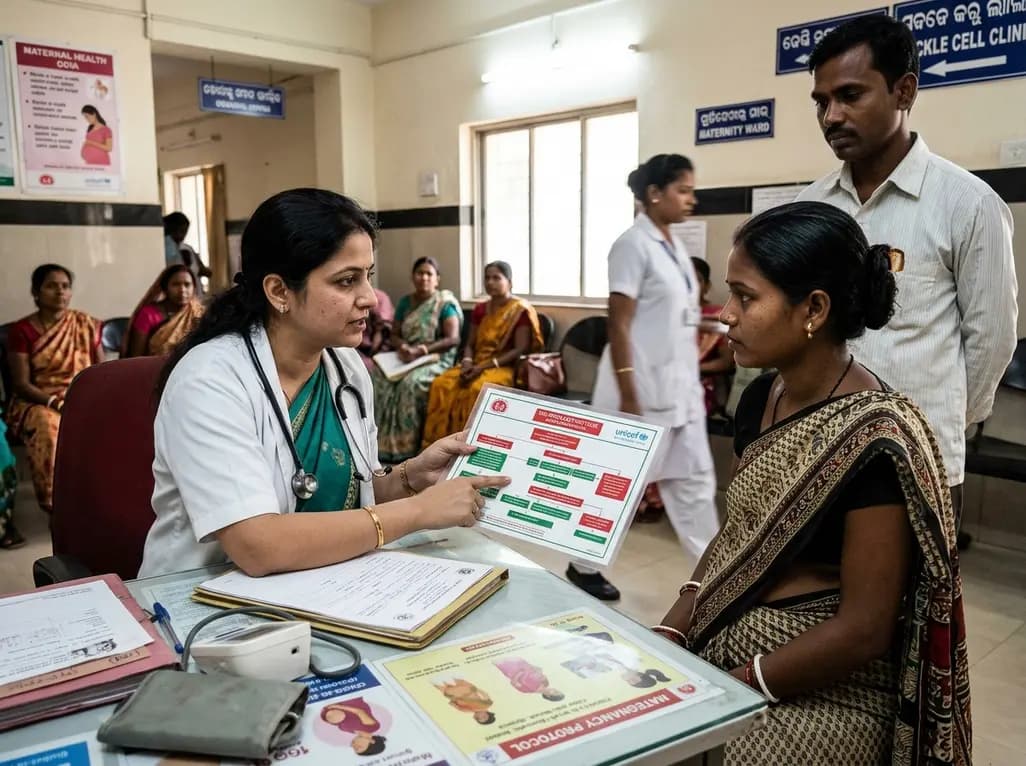
Odisha has established India's first state-level clinical protocol specifically tailored for pregnant women with sickle cell disease. Developed with NHM and UNICEF, the framework provides structured antenatal screening, crisis mitigation, standardized referral pathways, and specialized interdisciplinary care.
Today

India is advancing preventive healthcare by integrating genomics, artificial intelligence, and quantum technologies. With the SANGAM programme sequencing one million Indian genomes, clinicians can unlock personalized therapies, detect cardiometabolic risks early, and curb the burden of diabetes and heart disease.
Today
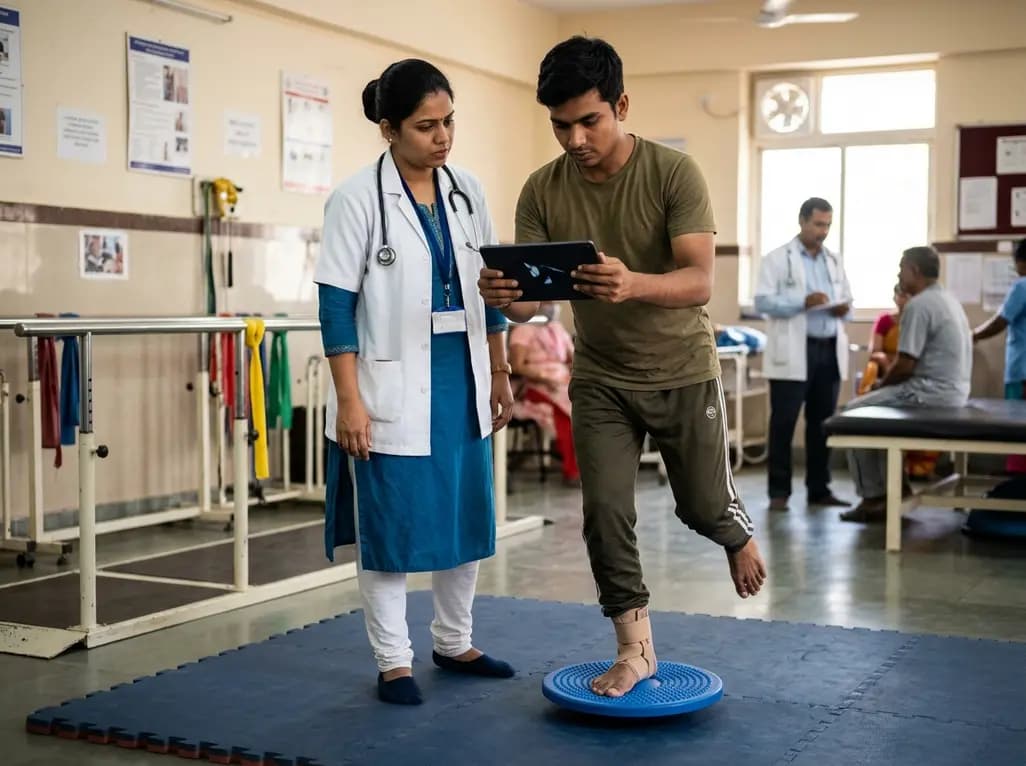
A randomized controlled trial demonstrates that an eight-week dual-task training intervention significantly improves static and dynamic postural control over standard balance exercises in individuals with chronic ankle instability, addressing critical neurocognitive deficits during athletic and daily activities.
Today

A retrospective cohort study of 7,716 ICU patients from the MIMIC-IV database demonstrates that Gradient Boosting Decision Trees significantly outperform traditional SOFA scores in predicting in-hospital mortality among patients with sepsis and diabetes, with SHAP analysis providing clinical interpretability.
Today
