.webp&w=384&q=75)

Loading, please wait...
Loading, please wait...

Adolescent sleep quality plays a pivotal role in long-term reproductive health and neuroendocrine balance. While clinicians frequently treat dysmenorrhea as an isolated gynecological condition, emerging longitudinal evidence reveals deeper chronobiological ties. Specifically, disturbed rest during formative teenage years may amplify pelvic pain sensitivity during early adulthood.
Primary dysmenorrhea affects a staggering proportion of young women worldwide, causing substantial academic absenteeism and diminished quality of life. Although clinicians frequently prescribe nonsteroidal anti-inflammatory drugs, these medications only address downstream prostaglandin synthesis. Consequently, researchers have shifted focus toward upstream modifiable determinants of pain processing. Emerging longitudinal cohorts have begun examining whether teenage lifestyle behaviors establish susceptibility to heightened menstrual pain later in life.
In this context, the Amsterdam Born Children and their Development (ABCD) study evaluated 614 adolescent girls prospectively. Researchers tracked these participants from ages 15 to 16 through ages 19 to 20. At enrollment, investigators evaluated subjective rest parameters utilizing the validated Pittsburgh Sleep Quality Index (PSQI). Years later, clinicians assessed dysmenorrhea severity using the modified Menstrual Disorder of Teenagers (MDOT) questionnaire. Furthermore, multivariable regression models adjusted for extensive confounding variables, including body mass index, depressive symptoms, physical activity, and age at menarche. Therefore, this rigorous longitudinal design provides robust insights into how adolescent rest patterns govern subsequent menstrual experiences.
The cohort results demonstrated an alarming prevalence of severe menstrual distress among emerging adults. At ages 19 to 20, 77.7% of participants reported moderate or severe dysmenorrhea. Moreover, baseline assessments revealed that 45.5% of girls suffered from poor rest at ages 15 to 16. Among those poor sleepers, 84.3% subsequently suffered from moderate to severe menstrual pain as young adults.
Statistical modeling identified a consistent risk profile linked to chronic sleep disturbances. Specifically, higher global PSQI scores predicted an increased relative risk of severe dysmenorrhea later in life. In addition, extended sleep latency emerged as a distinct, significant risk factor. Poor sleep efficiency also elevated the likelihood of experiencing severe pelvic discomfort. Interestingly, baseline menstrual pain attenuated the magnitude of this effect. This attenuation suggests that initial dysmenorrhea and nocturnal disturbance share overlapping pathophysiological pathways. Thus, poor rest acts both as a prodromal marker and an active contributor to worsening pelvic symptomatology over developmental transitions.
Several biological mechanisms plausibly explain how poor adolescent rest amplifies menstrual nociception. First, sleep deprivation triggers hypothalamic-pituitary-adrenal axis hyperactivity, which increases systemic cortisol secretion. Consequently, chronic neuroendocrine disruption promotes pro-inflammatory cytokine production, including interleukin-6 and tumor necrosis factor-alpha. Elevated baseline inflammation directly enhances local endometrial prostaglandin production during cyclical luteolysis. Excessive prostaglandins subsequently induce intense myometrial hypercontractility and uterine ischemia.
Furthermore, inadequate sleep severely impairs central pain modulatory systems. Deep slow-wave sleep naturally restores descending inhibitory pain pathways within the brainstem. When adolescents experience prolonged sleep onset latency and fragmented sleep architecture, central sensitization accelerates rapidly. As a result, somatic pain thresholds decrease across the entire nervous system. Moreover, sleep loss reduces endogenous melatonin synthesis. Because melatonin exhibits anti-inflammatory and smooth muscle relaxant properties, its deficiency may exacerbate uterine spasms. Therefore, chronic teenage sleep debt biologically primes the female reproductive and nervous systems for exaggerated pain signaling.
These longitudinal observations carry immediate significance for primary care physicians, pediatricians, and gynecologists. Traditionally, clinicians treat adolescent menstrual complaints reactively after severe symptoms impair daily functioning. However, identifying poor rest during routine adolescent health visits enables proactive clinical intervention. Inquiring about nighttime screen habits, insomnia, and erratic bedtime schedules provides actionable prognostic data.
Additionally, healthcare providers should incorporate standardized sleep evaluations during annual well-woman examinations. When teenage patients present with mild dysmenorrhea, doctors must not overlook concurrent sleep complaints. Treating both issues simultaneously prevents the vicious cycle of nocturnal insomnia and daytime menstrual agony. For example, simple behavioral sleep modifications can reduce systemic inflammation before chronic pain pathways become entrenched. Furthermore, pediatric teams can collaborate with school health personnel to educate young girls on chronohygiene. Accordingly, expanding clinical assessments beyond the pelvic exam ensures comprehensive, preventive care for young female patients.
Clinicians can easily guide teenage patients toward evidence-based behavioral strategies to optimize restorative sleep. First, adolescents must maintain consistent sleep and wake times across weekdays and weekends. Consistent schedules stabilize circadian rhythmicity and optimize nighttime melatonin surges. In addition, teenagers should avoid electronic screens for at least one hour before bedtime. Blue light from smartphones and tablets suppresses melatonin release, thereby prolonging sleep latency.
Moreover, clinicians should advise adolescents to limit caffeine intake during the afternoon and evening hours. Energy drinks and sodas significantly reduce slow-wave sleep depth and diminish overall sleep efficiency. Instead, patients can adopt relaxing pre-sleep routines, such as reading, warm baths, or gentle mindfulness exercises. Regular daytime physical activity also promotes restorative rest, provided patients finish vigorous exercise several hours before sleep. Finally, optimizing bedroom temperature and eliminating ambient light fosters sound sleep maintenance. Consequently, these straightforward lifestyle interventions empower adolescents to safeguard their reproductive comfort and future health.
Poor adolescent sleep quality disrupts hypothalamic-pituitary-adrenal axis regulation and escalates systemic inflammatory signaling. Consequently, heightened circulating cytokines stimulate excessive endometrial prostaglandin synthesis during menstruation. In addition, chronic sleep deprivation impairs central descending pain inhibition and lowers nociceptive thresholds. Together, these neuroendocrine and inflammatory alterations intensify uterine myometrial contractions, predisposing young women to severe menstrual pain as they transition into adulthood.
Research indicates that prolonged sleep latency and reduced sleep efficiency most reliably predict severe dysmenorrhea. Sleep latency reflects difficulty initiating sleep, whereas sleep efficiency measures the proportion of time in bed spent asleep. When adolescents struggle to fall asleep or experience fragmented nights, restorative slow-wave sleep declines. Therefore, these specific sleep disturbances trigger sustained central sensitization, significantly magnifying pelvic pain intensity over time.
Yes, optimizing adolescent sleep habits can reduce menstrual pain severity by dampening chronic systemic inflammation and normalizing endogenous melatonin release. Implementing consistent sleep schedules, eliminating late-night screen exposure, and avoiding evening caffeine promote deep, restorative sleep. As sleep efficiency improves, central pain inhibitory mechanisms regain optimal function. Consequently, these non-pharmacological lifestyle modifications serve as valuable preventive strategies alongside conventional analgesics for managing primary dysmenorrhea.
Disclaimer: This content is for informational and educational purposes only. It is not intended to be a substitute for professional medical advice, diagnosis, or treatment. Always seek the advice of your physician or another qualified healthcare provider with any questions you may have regarding a medical condition. Never disregard professional medical advice or delay in seeking it because of something you have read here. The authors, editors, and publishers are not liable for any losses, injuries, or damages arising from the use of this information. Refer to the latest local and national guidelines for clinical practice.
References

Read summarized clinical updates, watch expert medical content, and earn CME certifications right from your smartphone.
Open your smartphone camera to scan and install.





A prospective cohort study demonstrates that poor adolescent sleep quality, especially long sleep latency and reduced efficiency, increases dysmenorrhea severity in young adulthood. Addressing adolescent rest patterns offers a critical preventive avenue for clinicians.
Today

A large NHANES cohort study reveals that higher Healthy Eating Index scores significantly reduce all-cause mortality risk in CKD patients by 45%. This analysis highlights the importance of comprehensive diet quality and medical nutrition therapy in renal care to optimize long-term clinical survival.
Today

Explore real-world data showing how private oncogenetics and molecular tumor boards achieve 3-week consult turnaround, high ctDNA actionability, and vital germline variant detection, enhancing individualized cancer care and familial risk assessment.
Today
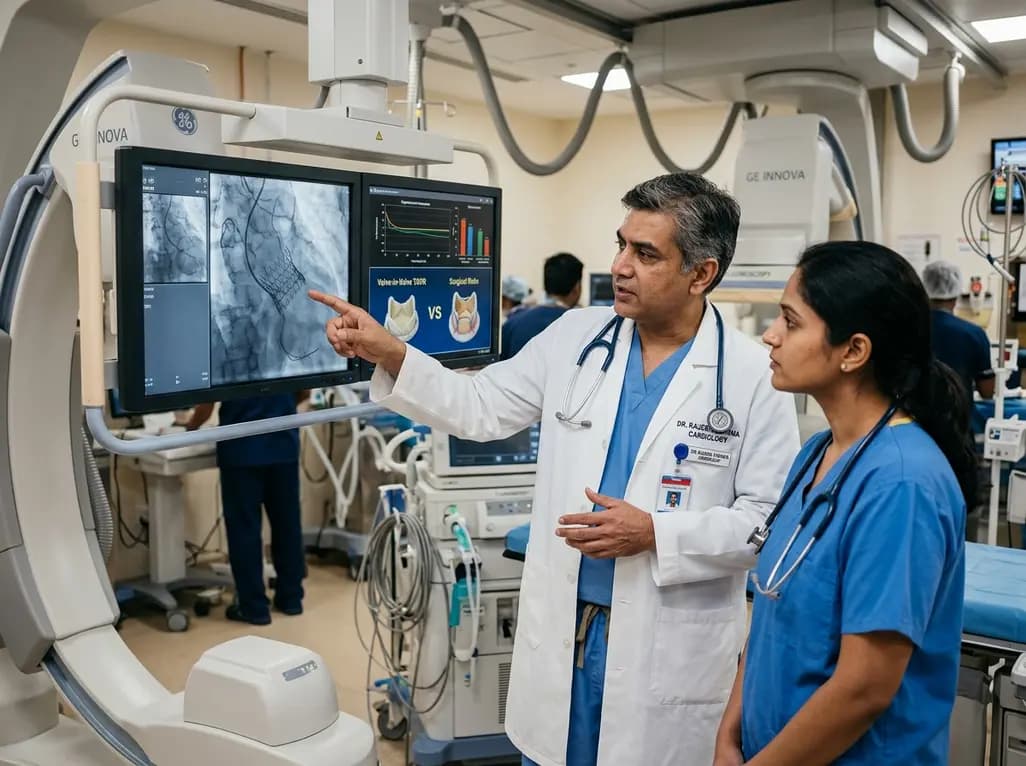
A meta-analysis of 13 propensity score-matched studies shows ViV-TAVR delivers lower early mortality and reduced bleeding compared to redo-SAVR for degenerated bioprosthetic aortic valves, though long-term hemodynamics warrant careful anatomical and patient-centered evaluation.
Today
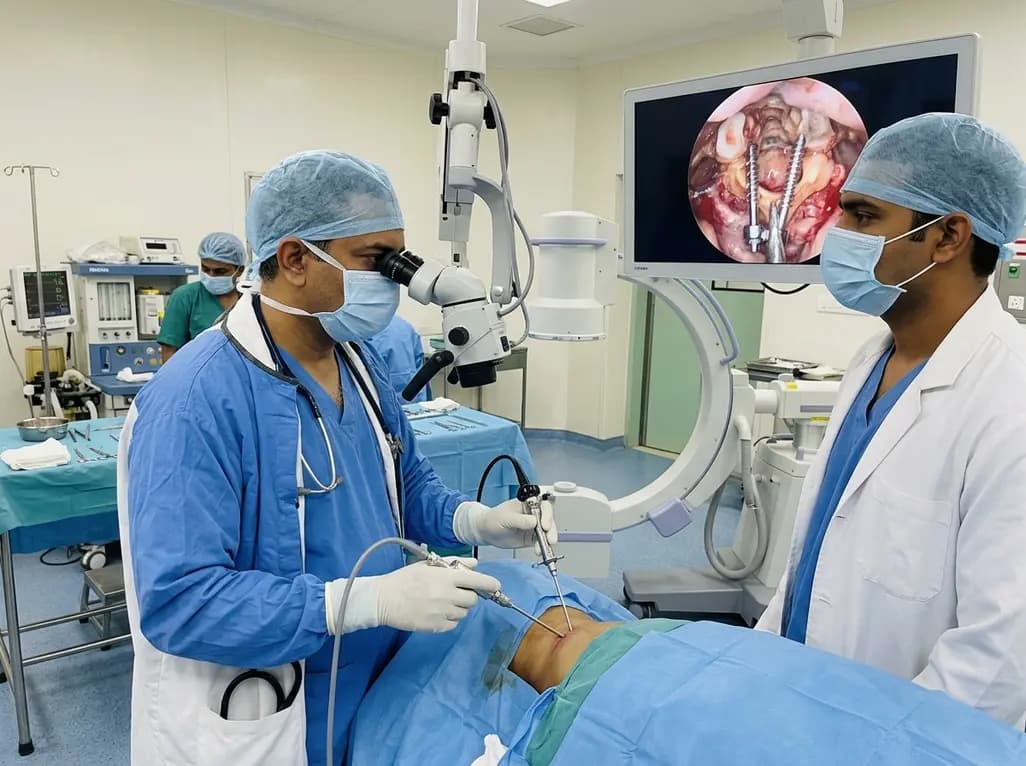
Endoscopic posterior cervical fusion combines minimally invasive decompression, joint preparation, and rigid screw-rod fixation for atlantoaxial pathologies. Early clinical findings demonstrate solid bony union, excellent symptom relief, and minimal soft-tissue morbidity without significant vascular compromise.
Today
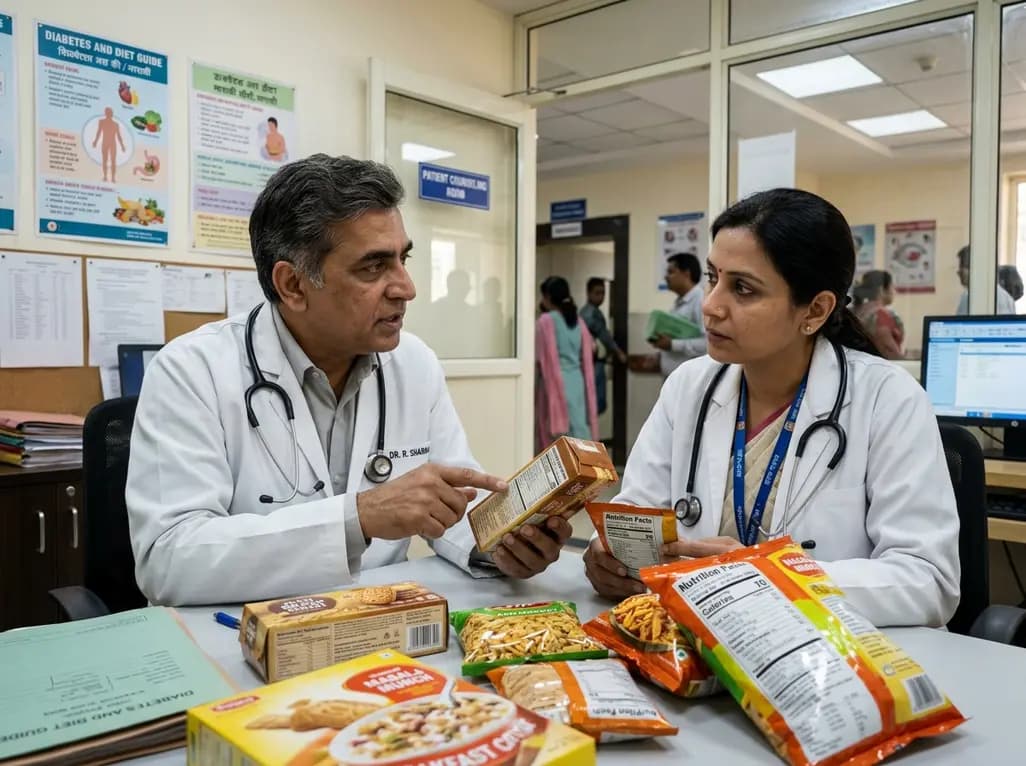
The All-India Food Processors' Association has approached the Supreme Court to oppose FSSAI's proposed per-100g benchmark for front-of-pack warning labels, advocating instead for a per-serving threshold. We explore the regulatory showdown, nutritional evidence, and implications for clinical lifestyle counseling.
Today
