.webp&w=384&q=75)

Loading, please wait...
Loading, please wait...
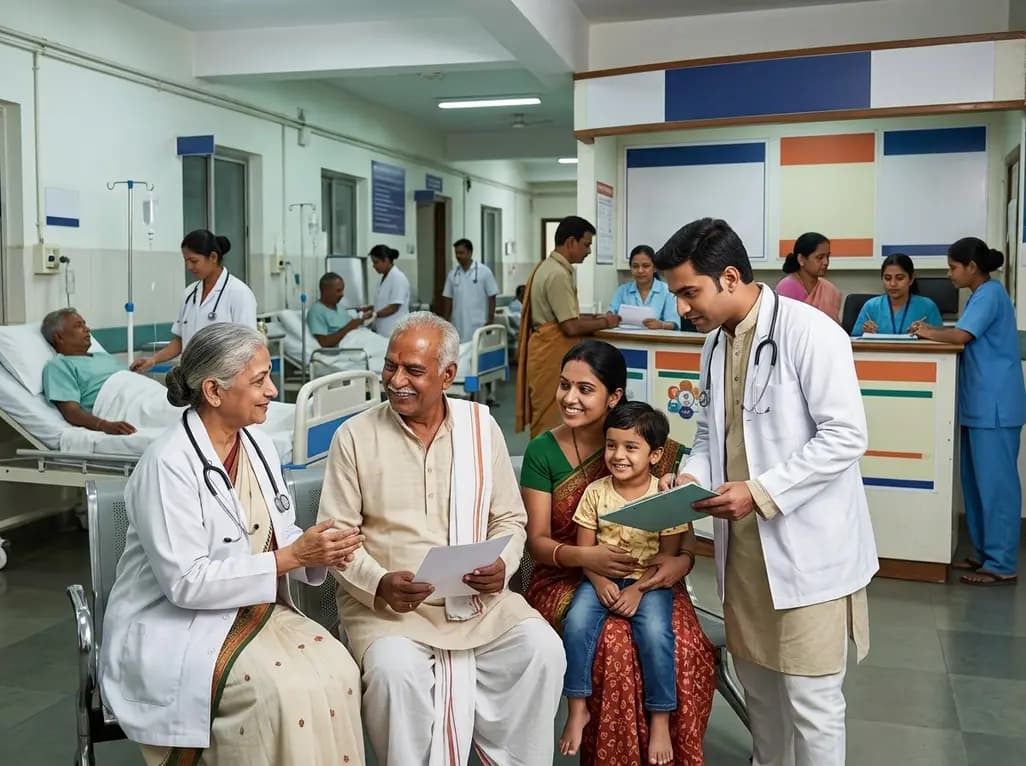
Healthcare affordability remains a major challenge for vulnerable patient populations across India. Fortunately, recent government initiatives in Maharashtra aim to eliminate financial barriers for life-saving medical procedures. Consequently, state officials have expanded health cover and established specialized assistance funds. The Mahatma Phule Jan Arogya Yojana serves as a vital foundation for this initiative, offering extensive coverage for critical illnesses. Chief Minister Devendra Fadnavis recently reiterated that no patient will be denied surgical intervention due to poverty. Furthermore, the state has integrated multiple funding streams to support complex treatments. Healthcare providers must understand these policy mechanisms to guide eligible patients effectively. Therefore, clinicians play an important role in identifying financial need and facilitating timely medical referrals.
Catastrophic healthcare costs often force low-income families into deep financial distress. To prevent this crisis, Maharashtra has established multi-tiered funding systems to manage expensive treatments. While standard state health insurance policies cover medical expenses up to five lakh rupees, advanced tertiary care frequently requires higher capital. Therefore, the Chief Minister’s Medical Assistance Fund offers additional financial aid for critical illnesses. Specifically, the government provides financial support up to nine lakh rupees for specific complex medical conditions. Additionally, rare and exceptionally expensive treatments can receive grants up to thirty-five lakh rupees. Over the past eighteen months, this fund has disbursed four hundred fifty-two crore rupees to support fifty-seven thousand patients. As a result, patients requiring cardiac surgeries, organ transplants, and advanced interventions can access life-saving care. Medical practitioners must recognize these elevated funding caps when counseling patients with severe illnesses. Consequently, timely application to state funds can prevent treatment delay and reduce patient mortality. Furthermore, government agencies actively collaborate with public and private empanelled hospitals to streamline grant approvals. Hospital social workers and medical officers systematically review applications to ensure rapid assistance. Hence, patients facing severe financial hardship can receive treatment approval prior to major elective surgeries. In addition, emergency medical grants permit immediate interventions for acute conditions. Thus, these financial safeguards eliminate out-of-pocket expenses for families in extreme poverty.
The Mahatma Phule Jan Arogya Yojana acts as the primary health assurance mechanism across Maharashtra. Recently, the state expanded the scope of this flagship scheme to cover broader populations and additional surgical procedures. Consequently, empanelled public and private medical institutions now offer end-to-end cashless care for secondary and tertiary illnesses. Furthermore, integration with central schemes like Ayushman Bharat has unified healthcare delivery across the state. Medical practitioners routinely utilize this network to perform essential procedures without upfront billing. Moreover, the scheme covers diagnostic tests, inpatient nursing, surgical consumables, and post-operative medications. As a result, clinical outcomes improve because patients complete their full recommended treatment regimens. Additionally, local health coordinators, known as Aarogya Mitras, assist families throughout the hospital admission process. Hence, administrative barriers are minimized for illiterate or rural beneficiaries. Clinicians working in empanelled hospitals should maintain clear documentation to facilitate smooth authorization. Therefore, understanding scheme protocols ensures that surgical procedures proceed without administrative delays. Additionally, recent policy updates have broadened the clinical specialties included under the scheme. Specialty services now encompass advanced surgical oncology, neurosurgery, complex orthopedics, and pediatric interventions. Consequently, tertiary care hospitals can perform multi-stage surgical procedures under unified scheme pre-authorizations.
Specialized surgical interventions for pediatric patients represent a crucial aspect of state healthcare expansion. Specifically, the Maharashtra government now provides completely free cochlear implant surgeries for hearing-impaired children. Early surgical intervention for congenital hearing loss significantly improves speech acquisition and cognitive development. However, the high cost of cochlear devices previously placed this procedure beyond the reach of underprivileged families. Consequently, government sponsorship ensures that eligible children receive timely implantation and rehabilitation. Furthermore, public health authorities are organizing dedicated distribution drives for assistive technology. On August ninth, the state will distribute artificial limbs and mobility devices to persons with disabilities. Additionally, comprehensive pediatric screening programs identify congenital defects, cardiac abnormalities, and developmental disorders early. As a result, pediatric surgeons can intervene before permanent disability occurs. Physicians must actively screen pediatric patients in primary care settings and refer eligible children to designated state tertiary centers. Thus, early referral maximizes the therapeutic benefit of these state-funded surgical interventions. Moreover, speech therapy and auditory verbal therapy sessions are provided following cochlear implant surgeries. This holistic rehabilitation strategy guarantees that children achieve optimal language development. Similarly, orthotic and prosthetic support allows individuals with physical disabilities to regain functional independence.
Charitable hospitals in Maharashtra are legally required to reserve a specific percentage of beds for economically weaker sections. However, patients historically faced transparency issues while attempting to access these reserved facilities. To solve this problem, the state government introduced a digital system for bed tracking and allocation. Consequently, real-time data regarding available charitable beds is now accessible to authorities and patients alike. Furthermore, this digital portal ensures transparent allocation without administrative bias or delay. Charitable Hospital Assistance Cells monitor compliance to verify that eligible patients receive subsidized or free care. As a result, needy patients gain prompt access to ICU beds, surgical suites, and specialized ward units. Medical administrators must integrate their hospital systems with this central digital platform. Additionally, hospital staff must inform low-income patients about reserved bed availability upon admission. Hence, digital governance strengthens the accountability of charitable medical trusts across the region. Ultimately, public-private integration optimizes bed utilization and expands critical care capacity. In addition, the central portal allows hospital social workers to submit digital applications directly to funding committees. Therefore, approval timelines for financial assistance have dropped significantly. Consequently, emergency admissions receive fast-track review, enabling prompt surgical intervention.
Mass screening initiatives play a pivotal role in early disease detection and surgical triage. Recently, the Maha Arogya Shibir in Nagpur screened thirty-one thousand patients across urban and rural areas. Consequently, clinical specialists identified four thousand five hundred patients requiring surgical procedures. Furthermore, these mega health camps provide consultations across cardiology, oncology, ophthalmology, otolaryngology, dermatology, and emergency medicine. Diagnostics, laboratory tests, and necessary medications are distributed at no cost during these events. Moreover, identified surgical candidates receive seamless referrals to empanelled hospitals for free operations. Consequently, rural populations who lack local tertiary facilities gain direct access to specialized care. Meanwhile, healthcare leaders emphasize the necessity of lowering cancer medication costs, particularly for advanced chemotherapy injections. Reducing pharmaceutical costs remains essential to complement surgical and diagnostic financial aid. Therefore, medical professionals should actively participate in regional health camps to facilitate early diagnosis. Thus, mega screening camps bridge the gap between rural communities and advanced surgical centers. Additionally, mobile medical units and temporary diagnostic hubs enable comprehensive pre-operative evaluations directly in rural districts. As a result, patients undergo initial blood work, electrocardiograms, and imaging before traveling to city hospitals. This structured referral framework saves patients time and financial resources.
Q1: What financial support does the Chief Minister's Medical Assistance Fund offer?
The Chief Minister's Medical Assistance Fund provides supplemental financial aid for low-income patients in Maharashtra. While standard health insurance covers expenses up to five lakh rupees, this fund offers up to nine lakh rupees for critical conditions. Furthermore, exceptional cases requiring highly expensive medical procedures can receive up to thirty-five lakh rupees. Consequently, over four hundred fifty crore rupees have assisted tens of thousands of patients across the state.
Q2: How does the digital system improve bed allocation in charitable hospitals?
The state government implemented a digital monitoring platform to track reserved beds in charitable hospitals transparently. Legally, charitable institutions must reserve specific bed quotas for economically vulnerable patients. Consequently, the online system displays real-time bed availability and streamlines patient allocation. Furthermore, Charitable Hospitals Assistance Cells oversee compliance to prevent arbitrary denials. Therefore, eligible patients receive prompt, transparent access to surgical and intensive care beds without administrative delays.
Q3: Which specialized pediatric procedures are fully funded by the state government?
The Maharashtra government fully funds specialized pediatric procedures, including free cochlear implant surgeries for children with severe hearing impairment. Furthermore, the state covers post-surgical speech therapy and auditory rehabilitation to ensure long-term clinical benefits. Additionally, public initiatives regularly distribute artificial limbs, orthotic devices, and assistive technology to children and adults with physical disabilities. Consequently, pediatric surgeons can offer comprehensive tertiary interventions without financial burdens on families.
Disclaimer: This content is for informational and educational purposes only. It does not constitute medical advice or replace professional judgment. Refer to the latest local and national guidelines for clinical practice.
References

Read summarized clinical updates, watch expert medical content, and earn CME certifications right from your smartphone.
Open your smartphone camera to scan and install.





Maharashtra has expanded its health assistance programs, ensuring no poor patient is denied surgery due to financial constraints. Through Mahatma Phule Jan Arogya Yojana and CMMAF, the state offers cashless coverage up to 35 lakh rupees, free pediatric cochlear implants, and transparent bed allocation systems.
last month
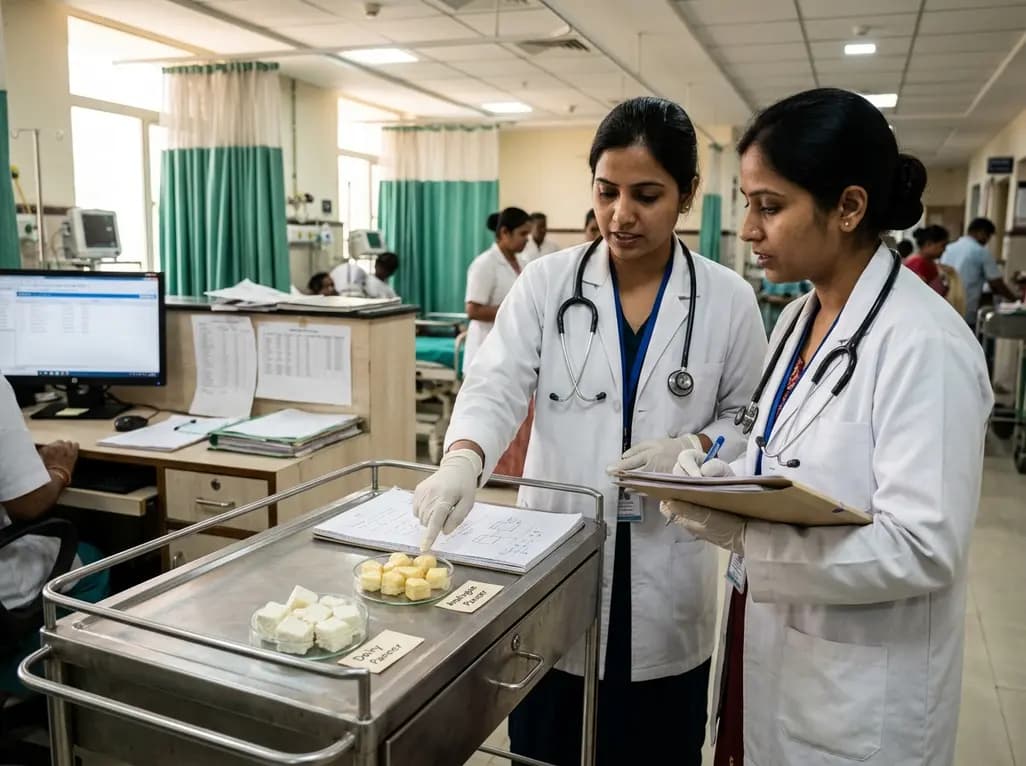
The Food Safety and Standards Authority of India has issued draft regulations prohibiting the sale and manufacture of non-dairy imitation substitutes as paneer. This nationwide regulatory action aims to eliminate consumer deception, protect dietary protein quality, and curtail lipid-related metabolic risks.
Today
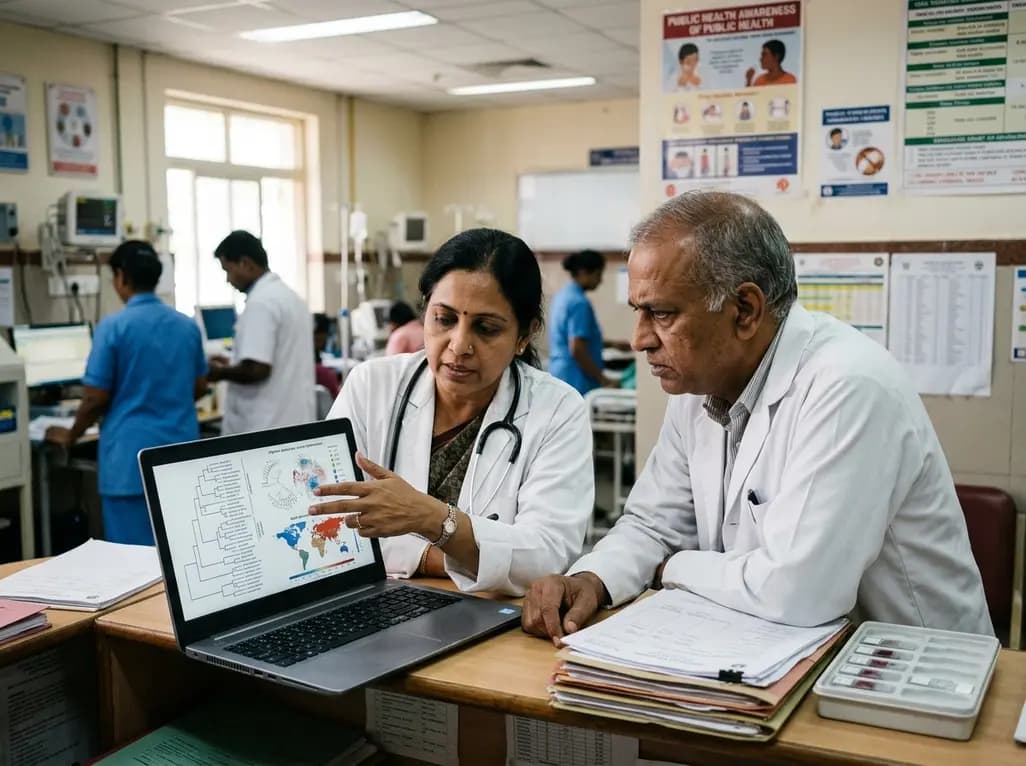
A landmark Lancet Oncology Commission reveals profound global disparities in cancer genetic testing and precision medicine. While molecular therapies expand rapidly, access remains heavily concentrated in high-income nations, leaving millions of eligible cancer patients in developing regions without care.
Today
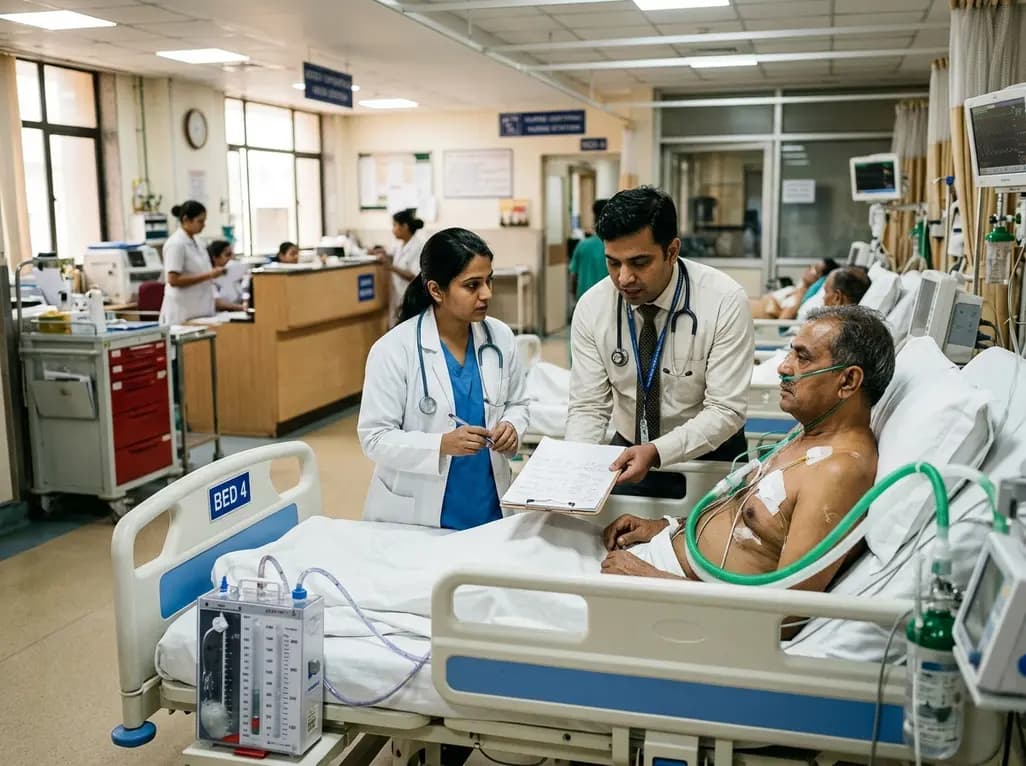
Managing refractory hypoxemia after cardiothoracic surgery becomes perilous when prolonged air leak limits positive-pressure ventilation. This case-based review details how high-flow nasal cannula, paired with awake rehabilitation, enabled successful extubation and avoided invasive re-intubation.
Today
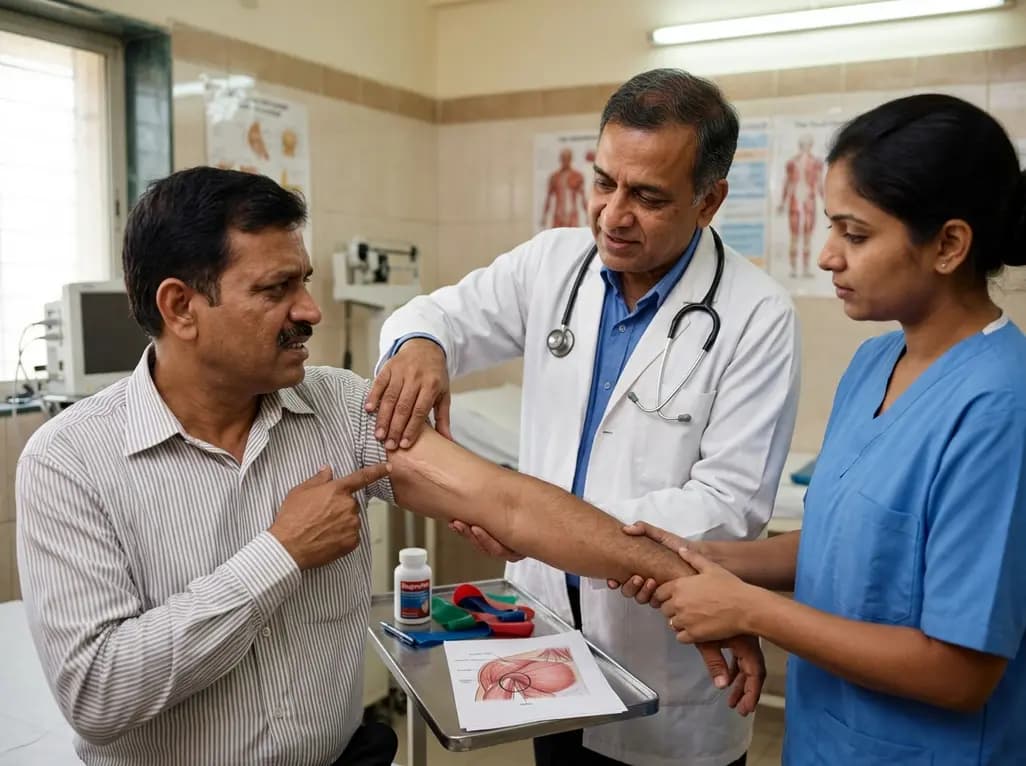
Idiopathic axillary web syndrome (IAWS) is a rare cause of shoulder pain and mobility restriction characterized by palpable axillary cording without prior surgery or trauma. Early diagnosis, nonsteroidal anti-inflammatory therapy, and physical rehabilitation lead to complete resolution of symptoms.
Today
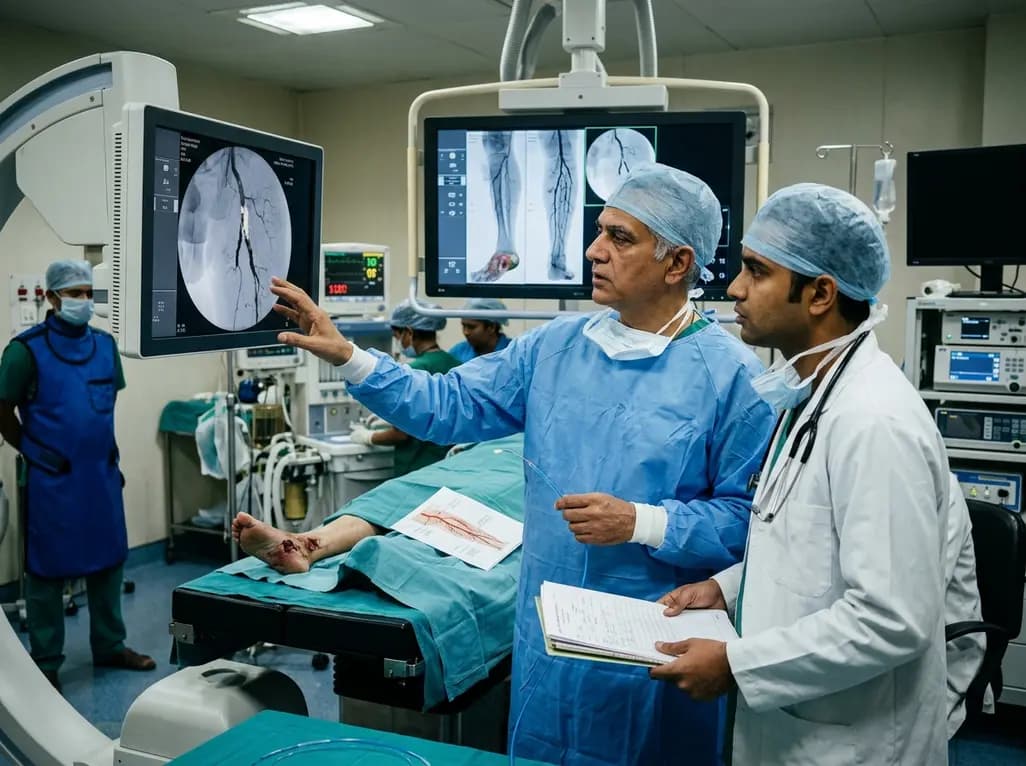
SWEDEPAD-1 trial insights show paclitaxel-coated devices do not improve long-term limb salvage in patients with chronic limb-threatening ischemia and tissue loss. While one-year reinterventions decreased, the devices were linked to a higher risk of major amputation at three months.
Today
