.webp&w=384&q=75)

Loading, please wait...
Loading, please wait...
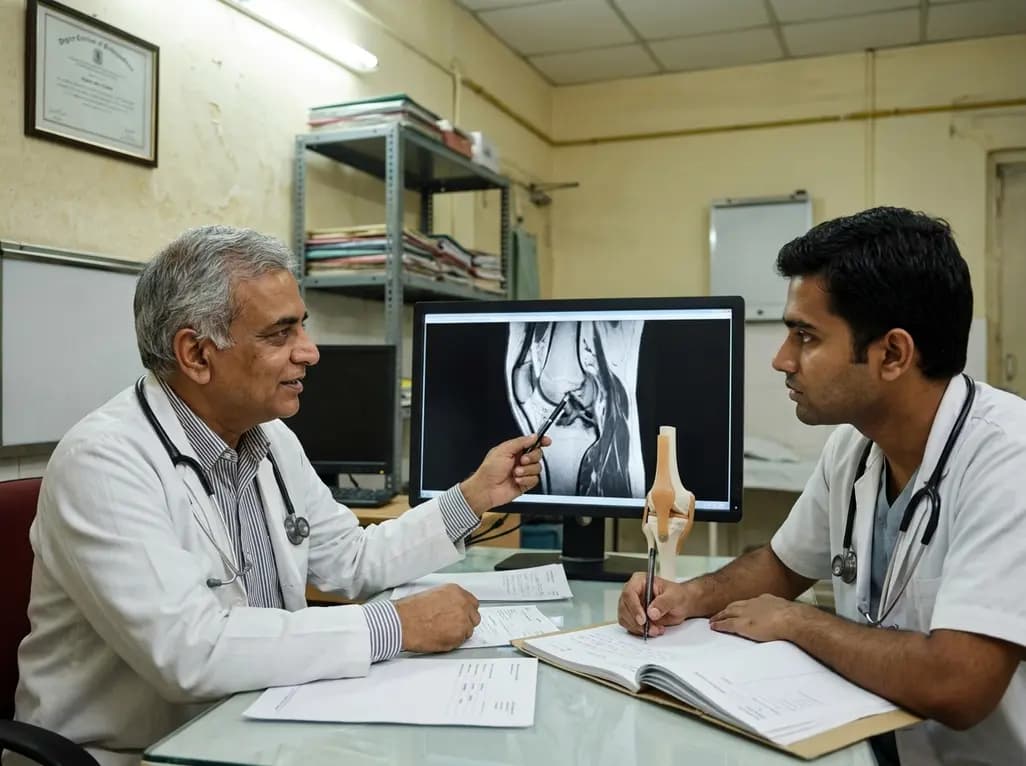
Anterior cruciate ligament reconstruction (ACLR) stands among the most frequently performed and overall successful interventions in contemporary orthopedic practice and sports medicine. However, a significant cohort of patients experiences suboptimal outcomes postoperatively. Historically, defining ACL reconstruction failure has proven challenging due to heterogeneous diagnostic criteria across clinical trials and systematic reviews. While traditional definitions relied solely on catastrophic graft rupture or revision surgery, contemporary evidence demonstrates that defining ACL reconstruction failure encompasses a much broader spectrum of clinical and functional deficiencies.
Historically, orthopaedic literature has struggled to achieve a unified consensus regarding what constitutes true surgical failure following ligament reconstruction. Clinical studies frequently utilized disparate and conflicting parameters to evaluate procedural success, leading to significant variations in reported failure rates. For instance, several trial designs defined failure strictly as catastrophic structural graft rupture confirmed by magnetic resonance imaging or the execution of secondary revision surgery. Conversely, other clinical investigations emphasized mechanical laxity thresholds measured via KT-1000 arthrometers or positive physical examination findings, such as positive Lachman and pivot-shift tests. Additionally, numerous reports relied solely on isolated patient-reported outcome measures without objective physical verification. Consequently, this marked diagnostic inconsistency severely hampers clinicians' ability to compare surgical techniques, graft selections, and rehabilitation protocols across different patient populations. Furthermore, relying exclusively on revision surgery rates significantly underestimates the true incidence of surgical failure because many symptomatic individuals elect non-operative management over revision procedures. Therefore, establishing standardized diagnostic criteria remains a critical prerequisite for advancing evidence-based orthopedic practice, optimizing comparative clinical trials, and improving long-term joint preservation outcomes in active patient populations.
Understanding the underlying mechanisms of graft compromise is essential for preventing primary treatment failure and planning effective revision procedures. Postoperative failure typically stems from complex, multifactorial interactions involving technical errors, biological factors, acute recurrent trauma, and patient-specific anatomical characteristics. Surgically, technical mistakes represent the single most common cause of early and mid-term graft failure. Tunnel malpositioning, particularly non-anatomical femoral tunnel placement, induces abnormal graft tensioning, graft impingement, and altered knee kinematics. Similarly, failing to identify and reconstruct concurrent secondary stabilizers, such as anterolateral ligament disruption or posterolateral corner laxity, drastically increases rotational instability and places excessive mechanical stress on the primary graft. Biologically, failure can occur when graft revascularization and ligamentization fail to progress normally due to infection, graft overtensioning, or host immune responses. Furthermore, aggressive rehabilitation before complete biological incorporation or premature return to high-impact pivoting sports predisposes patients to acute traumatic re-rupture. Moreover, intrinsic anatomical features, including an elevated sagittal posterior tibial slope or severe varus malalignment, generate elevated anterior shear forces across the knee joint. Consequently, systematic identification of these distinct risk factors enables surgeons to refine surgical techniques and personalize rehabilitation strategies.
The absence of standardized operational criteria introduces substantial clinical and methodological complications across clinical practice and orthopedic research. Published failure rates after primary ligament reconstruction vary dramatically between three percent and fifteen percent depending on the specific criteria applied. This vast variance distorts clinical risk prediction and complicates preoperative counseling for young, high-demand athletes. Moreover, clinical trials utilizing overly restrictive failure definitions fail to identify patients who suffer from persistent joint pain, joint stiffness, or subjective instability despite possessing structurally intact grafts. These symptomatic individuals experience significant functional limitations, yet conventional outcome reporting systems frequently classify their primary reconstructive procedures as complete successes. Additionally, delayed recognition of subtle graft insufficiency or persistent mechanical instability promotes progressive articular cartilage degeneration and secondary meniscal tearing over time. As a result, affected patients face an elevated risk of developing early-onset post-traumatic knee osteoarthritis without ever receiving a formal diagnosis of surgical failure. Therefore, adopting integrative diagnostic criteria is imperative to ensure accurate outcome reporting, improve doctor-patient communication, and guide timely clinical interventions before irreversible joint damage occurs.
To overcome historical reporting limitations, orthopaedic researchers have proposed an integrative, patient-centered framework that directly aligns with the primary functional objectives of reconstructive surgery. Under this updated paradigm, surgical failure is defined by the presence of any single criterion among five key clinical pillars. First, the presence of objective or subjective postoperative knee instability indicates failure. Second, persistent or recurring postoperative knee pain significantly compromises joint function and patient satisfaction. Third, functional limitations, including restricted range of motion or persistent quadriceps muscle weakness, prevent patients from returning to their desired physical activities. Fourth, documented structural graft rupture, confirmed through magnetic resonance imaging or secondary arthroscopic evaluation, represents definitive structural failure. Fifth, the emergence of a new symptomatic meniscal tear in the absence of major acute trauma signifies underlying, unaddressed mechanical instability. By seamlessly combining objective physical examination findings with subjective patient-reported outcome measures, this comprehensive framework captures the true burden of postoperative joint dysfunction and provides a pragmatic standard for clinical practice.
Implementing an integrative definition into routine clinical practice requires a fundamental shift toward multidimensional postoperative patient evaluation. Orthopaedic surgeons and physical therapists must combine rigorous physical examination maneuvers with validated patient-reported outcome measures to detect early signs of graft compromise. Routine clinical follow-up protocols should systematically evaluate subtle rotational laxity, range-of-motion deficits, persistent joint effusion, and subjective reports of knee giving way. Furthermore, advanced diagnostic imaging, including high-resolution magnetic resonance imaging, should be utilized judiciously whenever clinical symptoms conflict with physical examination findings. Crucially, evaluating patient satisfaction and activity level restoration provides essential clinical insights into overall functional success that objective joint laxity measurements alone cannot capture. By adopting this holistic approach, clinical researchers can standardize reporting standards across international ligament registries and prospective clinical trials. Consequently, this standardized framework will facilitate high-quality comparative studies between different surgical techniques, graft choices, and rehabilitation protocols, ultimately advancing orthopaedic patient care worldwide.
The new integrative framework defines ACL reconstruction failure as the presence of any of five distinct clinical parameters. These include objective or subjective postoperative knee instability, persistent or recurring knee pain, functional limitations like restricted motion, documented graft rupture, or new symptomatic meniscal lesions occurring without major secondary trauma. This patient-centered definition evaluates overall functional restoration rather than relying solely on structural graft integrity.
Historical failure rates vary considerably across orthopedic studies because researchers previously lacked a standardized operational definition. Older studies defined failure using isolated metrics, such as structural graft rupture, secondary revision procedures, quantitative joint laxity thresholds, or patient-reported questionnaires. This heterogeneity prevented accurate comparisons across surgical trials. The new integrative criteria establish unified standards to simplify clinical reporting and improve comparative research quality.
Technical errors during surgery represent the primary cause of early and mid-term graft compromise. Improper tunnel placement, especially non-anatomical femoral tunnel positioning, creates abnormal graft tension and altered joint kinematics during movement. Furthermore, failing to recognize and treat secondary instability, such as posterolateral corner laxity or high posterior tibial slope, significantly increases stress on the primary graft, ultimately predisposing it to mechanical failure.
Disclaimer: This content is for informational and educational purposes only and does not constitute medical advice, diagnosis, or treatment. Always seek the advice of a qualified healthcare provider with any questions regarding a medical condition. Refer to the latest local and national guidelines for clinical practice.
References
1. Pérez RDA et al. What does a failure in anterior cruciate ligament reconstruction really mean? An integrative view. Knee Surg Relat Res. 2026 Jul 23. doi: undefined. PMID: 42493802.
2. Kemler B, Coladonato C, Sonnier JH, et al. Evaluation of Failed ACL Reconstruction: An Updated Review. Open Access J Sports Med. 2024;15:23-38.
3. Grassi A, Zaffagnini S, Marcheggiani Muccioli GM, et al. Various Definitions of Failure Are Used in Studies of Patients Who Underwent Anterior Cruciate Ligament Reconstruction. Arthroscopy. 2023;39(9):2012-2021.

Read summarized clinical updates, watch expert medical content, and earn CME certifications right from your smartphone.
Open your smartphone camera to scan and install.





Anterior cruciate ligament reconstruction failure lacks uniform definition. A narrative review proposes an integrative framework incorporating objective and subjective instability, persistent pain, restricted motion, graft rupture, and secondary meniscal injury to standardize clinical reporting.
2 months ago

A landmark cross-sectional study in Algeria and Türkiye reveals distinct age-related molecular IgE sensitization profiles between children and adults, highlighting higher house dust mite reactivity in youth and providing vital insights for precision allergen immunotherapy.
Today

A landmark Lancet Oncology Commission reveals profound global disparities in cancer genetic testing and precision medicine. While molecular therapies expand rapidly, access remains heavily concentrated in high-income nations, leaving millions of eligible cancer patients in developing regions without care.
Today

Managing refractory hypoxemia after cardiothoracic surgery becomes perilous when prolonged air leak limits positive-pressure ventilation. This case-based review details how high-flow nasal cannula, paired with awake rehabilitation, enabled successful extubation and avoided invasive re-intubation.
Today
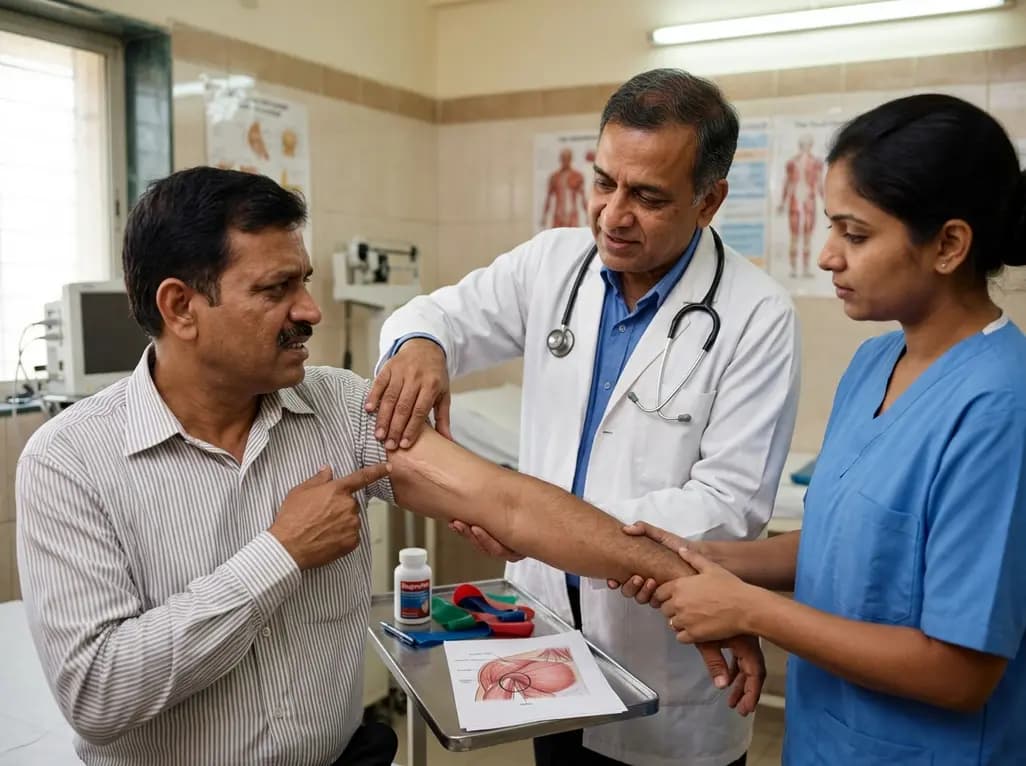
Idiopathic axillary web syndrome (IAWS) is a rare cause of shoulder pain and mobility restriction characterized by palpable axillary cording without prior surgery or trauma. Early diagnosis, nonsteroidal anti-inflammatory therapy, and physical rehabilitation lead to complete resolution of symptoms.
Today
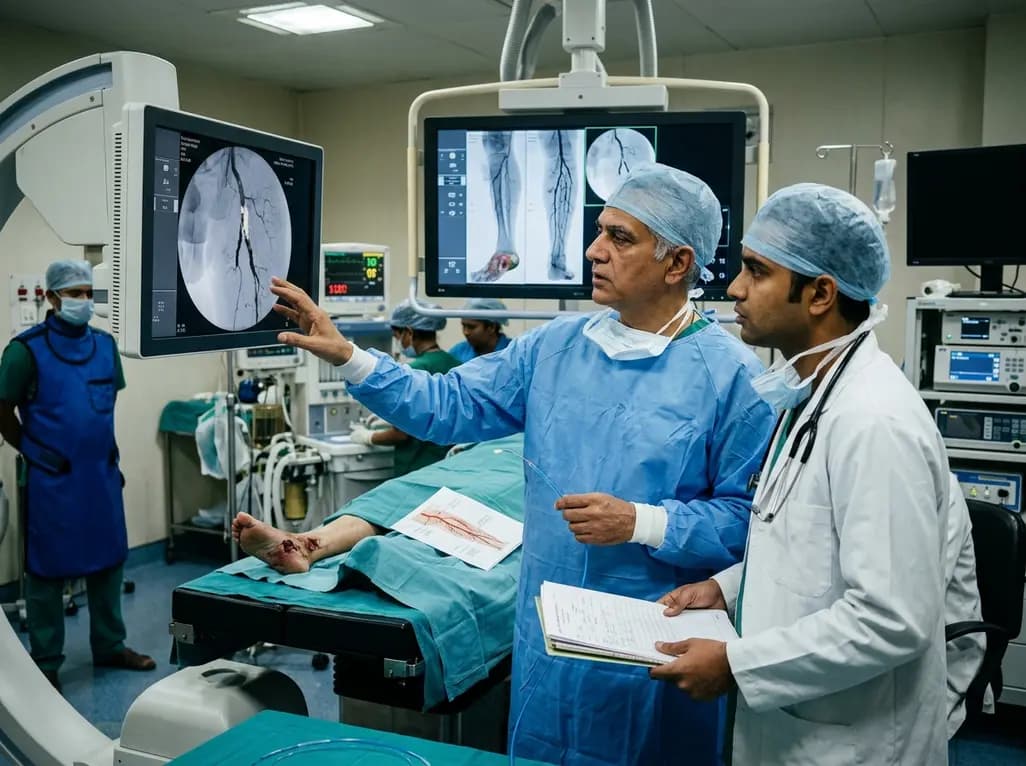
SWEDEPAD-1 trial insights show paclitaxel-coated devices do not improve long-term limb salvage in patients with chronic limb-threatening ischemia and tissue loss. While one-year reinterventions decreased, the devices were linked to a higher risk of major amputation at three months.
Today
