.webp&w=384&q=75)

Loading, please wait...
Loading, please wait...

During the COVID-19 pandemic, widespread antibiotic administration created severe pressure on microbial communities. Hospitalized children receiving broad-spectrum therapy faced elevated risks of gastrointestinal dysbiosis, facilitating the selection of multidrug-resistant pathogens. Fecal carriage of resistant bacteria serves as a silent reservoir, significantly increasing the likelihood of secondary bloodstream infections. Consequently, understanding pediatric CRKP colonization among vulnerable young patients has emerged as a critical clinical priority. When multidrug-resistant organisms colonize the gut microbiota, they easily transfer resistance genes to commensal bacteria, compounding antimicrobial resistance in acute care settings. Furthermore, pediatric patients in intensive care units are particularly susceptible to cross-transmission, which can trigger localized hospital outbreaks. Therefore, investigating the intestinal burden of carbapenem-resistant pathogens provides vital insights for clinicians. Early detection of intestinal colonization remains the primary line of defense against invasive clinical complications.
Systematic screening of hospitalized pediatric patients provides essential epidemiological data regarding multidrug-resistant Enterobacterales. In a cross-sectional study conducted at a tertiary pediatric hospital in Fayoum, Egypt, researchers evaluated fecal samples from pediatric COVID-19 patients between October 2020 and March 2022. The study utilized antibiotic-supplemented selective culture media to isolate resistant strains of Klebsiella pneumoniae. Out of 71 hospitalized pediatric patients, 36 individuals yielded positive stool cultures, representing a carriage rate of 50.7 percent. Alarmingly, all isolated strains exhibited multidrug-resistant phenotypes. Specifically, the researchers classified these isolates into 22 carbapenem-resistant Klebsiella pneumoniae (CRKP) strains and 14 extended-spectrum beta-lactamase-producing (ESBL-KP) strains. This high proportion underscores the intense selection pressure generated by widespread antibiotic usage during pandemic surges. Moreover, selective screening confirms that silent intestinal carriage occurs far more frequently than clinically recognized.
Comprehensive antimicrobial susceptibility testing, performed according to CLSI guidelines, revealed severe therapeutic limitations. Notably, all CRKP and ESBL-KP isolates maintained complete susceptibility to colistin, preserving colistin as a key last-resort therapeutic option. However, CRKP strains demonstrated significantly higher resistance rates to fluoroquinolones and amikacin compared with ESBL-KP strains. This co-resistance severely complicates clinical management by eliminating preferred secondary treatment options. Additionally, microtiter plate assays showed that biofilm formation was common and comparable between both CRKP and ESBL-KP groups. Biofilm production enables bacterial colonies to adhere strongly to biological tissues and medical devices, shielding them from host immunity and antibiotic penetration. Consequently, patients harboring biofilm-producing strains face heightened risks of persistent gut colonization and recurrent infections. These phenotypic findings emphasize the necessity of conservative antibiotic prescribing to preserve effective treatments.
Molecular characterization using multiplex and uniplex PCR revealed diverse resistance determinants driving these resistant phenotypes. Among CRKP isolates, carbapenemase-encoding genes were highly prevalent, with specific bla genes detected in 54.5 percent of isolates and additional variants in 45.5 percent. These enzymatic mechanisms efficiently hydrolyze carbapenems and cephalosporins, rendering standard beta-lactam therapy ineffective. Furthermore, extended-spectrum beta-lactamase genes were widely distributed across both CRKP and ESBL-KP cohorts, demonstrating substantial genetic overlap. Plasmid-mediated horizontal gene transfer likely facilitated the dissemination of these resistance genes within the pediatric ward. Because these resistance determinants are frequently located on mobile genetic elements, they pose a constant risk of transferring resistance to other intestinal bacteria. Therefore, understanding the molecular landscape is crucial for developing targeted diagnostic assays and tracking gene transmission across pediatric networks.
The high prevalence of pediatric CRKP colonization carries profound implications for pediatric critical care and infection control. Gut colonization directly precedes invasive extraintestinal infections, such as catheter-related bloodstream infections and ventilator-associated pneumonia. When pediatric patients undergo invasive procedures or experience mucosal barrier breakdown, colonized strains can translocate into the bloodstream, causing severe sepsis. Moreover, treating infections caused by CRKP requires reliance on second-line therapies, which often possess narrow therapeutic windows and potential pediatric toxicity. In addition, asymptomatic colonized patients act as hidden reservoirs, continuously shedding resistant bacteria into the environment. Healthcare personnel can inadvertently transfer these strains between patients via contaminated hands or shared equipment. Therefore, recognizing carriage allows care teams to implement preemptive contact precautions, optimize patient isolation, and reduce broad-spectrum antibiotic exposure.
Mitigating carbapenem-resistant organisms in pediatric wards requires a robust approach combining strict infection control with active antimicrobial stewardship. Hospitals must establish routine screening protocols for high-risk pediatric admissions, particularly children with prolonged antibiotic exposure or severe underlying illness. Upon identifying positive fecal carriage, contact precautions, including single-room isolation, dedicated equipment, and enhanced cleaning, should be immediately implemented. Furthermore, antimicrobial stewardship programs must audit pediatric prescriptions, restricting unvetted carbapenem and fluoroquinolone use. Implementing rapid molecular diagnostics allows for early detection of carbapenemase genes, enabling timely therapeutic adjustments. Healthcare staff education regarding hand hygiene compliance also remains essential to breaking transmission chains. Ultimately, combining strict infection control with disciplined stewardship offers the most effective strategy against multidrug-resistant Enterobacterales in pediatric settings.
Pediatric CRKP colonization refers to the presence of carbapenem-resistant Klebsiella pneumoniae in the gut microbiota without active infection. While asymptomatic, colonized children face a significantly increased risk of developing invasive extraintestinal infections, such as bloodstream infections or pneumonia. Furthermore, colonized patients serve as silent reservoirs for hospital cross-transmission, making early detection and infection control protocols essential to prevent ward outbreaks and safeguard vulnerable pediatric populations.
In the study of pediatric fecal isolates, colistin retained complete susceptibility across all tested CRKP and ESBL-KP strains, serving as a critical last-resort agent. However, CRKP isolates demonstrated high co-resistance to fluoroquinolones and amikacin. Clinicians managing these resistant infections must rely on susceptibility testing, considering colistin or novel beta-lactam/beta-lactamase inhibitor combinations while carefully monitoring pediatric toxicity and drug clearance.
Extensive antibiotic administration during the COVID-19 pandemic significantly disrupted normal intestinal microflora, eliminating sensitive commensal bacteria and creating selective pressure. This dysbiosis allowed multidrug-resistant organisms, such as carbapenem-resistant and ESBL-producing Klebsiella pneumoniae, to proliferate and colonize the gut microbiota. Preserving gut microflora through targeted antimicrobial stewardship is vital to minimize the emergence and spread of superbugs in hospitalized pediatric patients.
Disclaimer: This content is for informational and educational purposes only and does not constitute medical advice, diagnosis, or treatment. Always seek the advice of a qualified healthcare provider with any questions regarding a medical condition or therapeutic intervention. Refer to the latest local and national guidelines for clinical practice.
References

Read summarized clinical updates, watch expert medical content, and earn CME certifications right from your smartphone.
Open your smartphone camera to scan and install.





A study in hospitalized pediatric COVID-19 patients revealed a 50.7% fecal carriage rate of multidrug-resistant Klebsiella pneumoniae, including CRKP and ESBL-KP strains. Colistin susceptibility remained intact, but high co-resistance and biofilm formation highlight the need for enhanced stewardship.
2 months ago
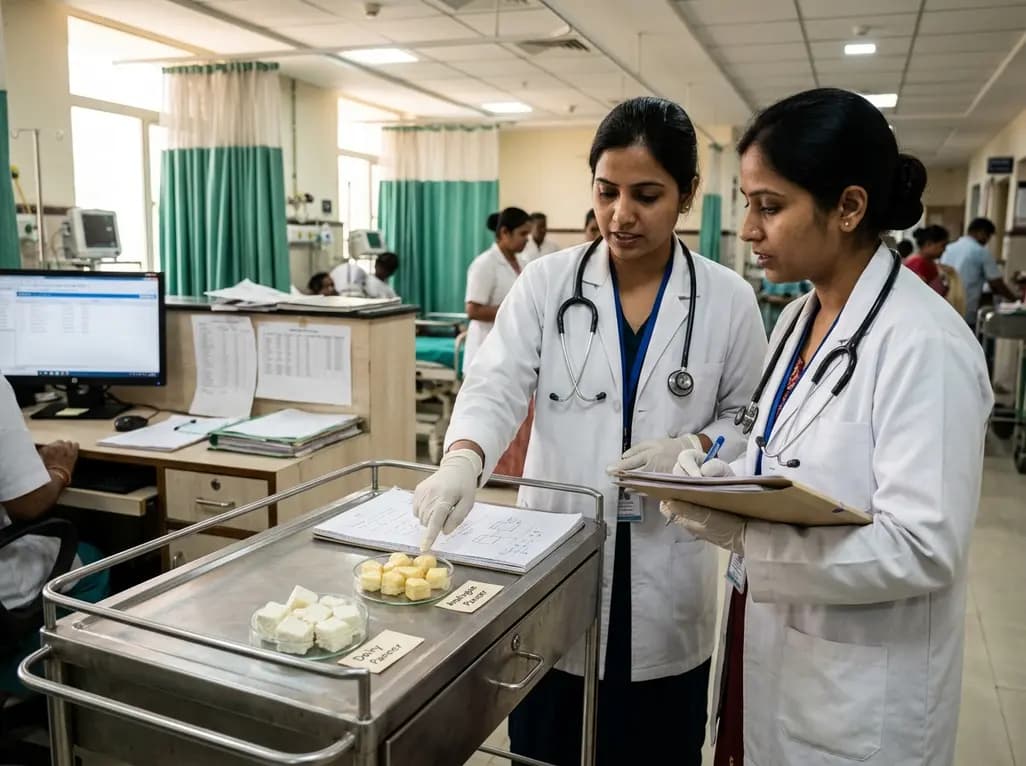
The Food Safety and Standards Authority of India has issued draft regulations prohibiting the sale and manufacture of non-dairy imitation substitutes as paneer. This nationwide regulatory action aims to eliminate consumer deception, protect dietary protein quality, and curtail lipid-related metabolic risks.
Today

A landmark Lancet Oncology Commission reveals profound global disparities in cancer genetic testing and precision medicine. While molecular therapies expand rapidly, access remains heavily concentrated in high-income nations, leaving millions of eligible cancer patients in developing regions without care.
Today

Managing refractory hypoxemia after cardiothoracic surgery becomes perilous when prolonged air leak limits positive-pressure ventilation. This case-based review details how high-flow nasal cannula, paired with awake rehabilitation, enabled successful extubation and avoided invasive re-intubation.
Today

Idiopathic axillary web syndrome (IAWS) is a rare cause of shoulder pain and mobility restriction characterized by palpable axillary cording without prior surgery or trauma. Early diagnosis, nonsteroidal anti-inflammatory therapy, and physical rehabilitation lead to complete resolution of symptoms.
Today

SWEDEPAD-1 trial insights show paclitaxel-coated devices do not improve long-term limb salvage in patients with chronic limb-threatening ischemia and tissue loss. While one-year reinterventions decreased, the devices were linked to a higher risk of major amputation at three months.
Today
