.webp&w=384&q=75)

Loading, please wait...
Loading, please wait...
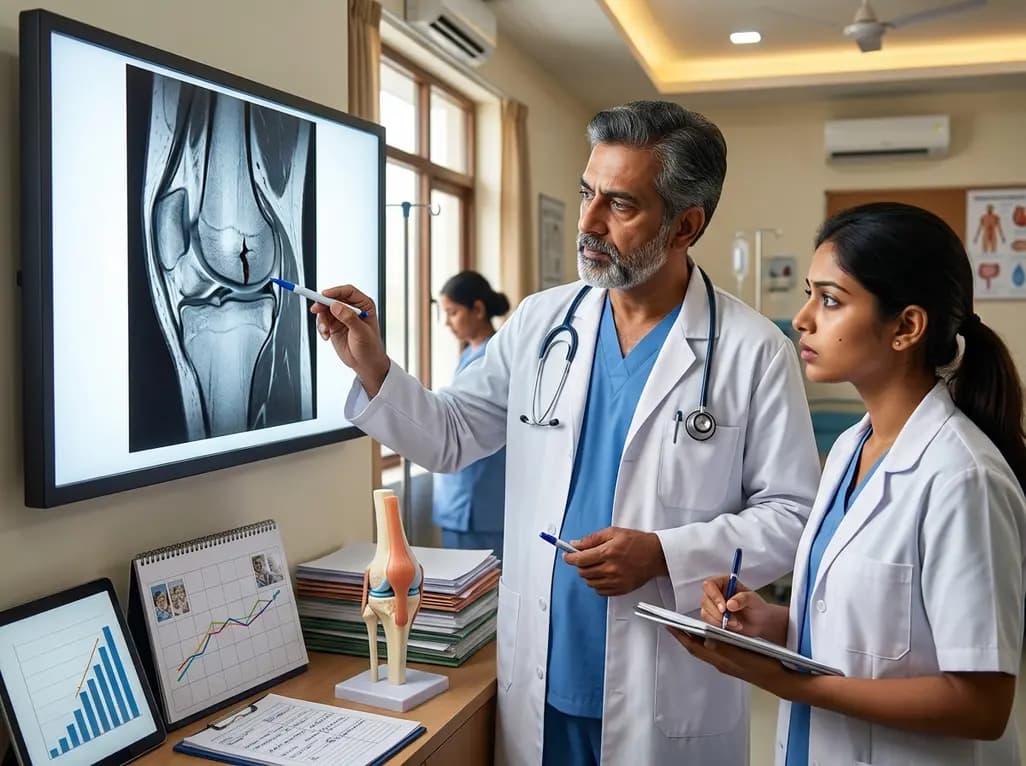
Anterior cruciate ligament ruptures represent a major cause of mechanical knee instability, often leading to progressive intra-articular structural degradation. Recent clinical directives frequently advocate categorizing delayed ACL reconstruction as low priority when baseline imaging shows no active meniscal lesions. However, delaying surgical stabilization exposes the unstable joint to repetitive microtrauma, substantially escalating the probability of secondary meniscal tears and articular chondral loss over time.
When knee joint stability drops following ligamentous disruption, normal biomechanical kinematics become severely compromised. Consequently, subluxation episodes during daily physical activity exert abnormal shear forces across the medial and lateral meniscus. Recent cohort evaluations demonstrate that 15.1% of patients undergoing reconstruction develop new meniscal tears that were completely absent on initial magnetic resonance imaging. Furthermore, demographic analyses reveal a distinct male-to-female ratio of 3:1 among individuals who develop these secondary structural injuries. Patients experiencing chronic knee instability frequently suffer from recurrent dynamic shifts, which continuously load the posterior horns of the menisci. Therefore, relying solely on initial non-operative management without surgical stabilization can jeopardize joint health. Additionally, untreated meniscal tears accelerate joint space narrowing, leading to early-onset osteoarthritis. Orthopaedic surgeons must recognize that dynamic joint laxity creates an unstable environment, making delay inherently risky for structural knee integrity over long periods.
Quantifying how surgical delays influence secondary meniscal pathology is critical for clinical decision-making. Multivariable logistic regression models, adjusting for key confounders such as patient sex and body mass index, establish a daily incremental hazard. Specifically, each additional waiting day increases the risk of developing a secondary meniscal tear by 0.3%. Consequently, a surgical delay of just thirty days yields nearly a 10% higher likelihood of newly developed meniscal injury. Furthermore, this cumulative risk continues to build linearly as wait times extend across months. In many healthcare systems, median times from initial diagnostic listing to actual surgical intervention frequently exceed 140 days. Therefore, during this prolonged waiting interval, a significant proportion of patients transition from isolated ligamentous injury to complex multi-structural knee pathology. Ultimately, these quantitative findings demonstrate that waiting list delays directly degrade structural knee health and complicate subsequent arthroscopic reconstruction.
Understanding specific patient characteristics helps clinicians identify individuals at highest risk for progressive joint deterioration. While patient age and initial time to diagnosis do not significantly alter the risk of secondary meniscal damage, body mass index plays a key role. Specifically, when severe statistical outliers are excluded, higher body mass index demonstrates a statistically significant association with increased meniscal tear rates. Excess weight places heightened axial loads across the unconstrained tibiofemoral joint during functional weight-bearing. Consequently, every step taken on an unstable knee multiplies shear stress across the cartilage. Moreover, male sex independently correlates with higher tear rates, potentially reflecting greater average activity levels or higher physical demand during everyday locomotion. Therefore, risk stratification models must account for patient body mass index and baseline physical demands when scheduling surgical procedures. Prioritizing higher-BMI individuals can successfully mitigate secondary meniscal breakdown.
Diagnostic evaluation of knee injuries relies heavily on magnetic resonance imaging, yet imaging alone has clear limitations. Clinical trial data indicate that approximately 5% of patients exhibit MRI-detected meniscal pathology that is not confirmed during arthroscopic surgery. Conversely, initial MRI scans miss a significant fraction of meniscal lesions that develop during prolonged waiting periods. While median time to initial diagnosis is often within 21 days of injury, surgical intervention is frequently delayed for several months. Consequently, clinicians cannot assume that a clean baseline MRI guarantees ongoing meniscal integrity throughout a lengthy wait. Intraoperative inspection remains the gold standard for definitive diagnosis and treatment. Furthermore, dynamic instability during the waiting period can convert minor, asymptomatic fraying into frank, repairable or unrepairable tears. Therefore, repeating imaging or expediting surgery becomes essential when patients report new mechanical symptoms during waiting intervals.
Current clinical guidelines listing reconstructive procedures as low priority in the absence of initial meniscal pathology require urgent re-evaluation. Reclassifying these cases as low priority overlooks the progressive nature of joint laxity and mechanical breakdown. As a result, healthcare systems risk converting simple, single-ligament reconstructions into complex procedures requiring concurrent meniscal repair or partial meniscectomy. Furthermore, preserving natural meniscal tissue is crucial for distributing load and preventing long-term osteoarthritic changes. Delaying surgery not only increases technical complexity but also compromises long-term clinical outcomes and patient satisfaction. Therefore, clinical care pathways should incorporate objective risk-stratification metrics that prioritize patients based on wait duration, functional demands, and body mass index. Healthcare administrators and orthopaedic surgeons must collaborate to shorten waiting list durations. Ultimately, timely surgical intervention protects joint longevity and reduces overall long-term healthcare costs.
Delayed ACL reconstruction exposes the knee joint to recurrent episodes of mechanical instability during daily activities. Without functional ligamentous constraint, abnormal tibial translation generates excessive shear forces across the medial and lateral menisci. Over time, these repetitive microtraumas cause progressive structural failure, leading to new meniscal tears that were absent on initial imaging. Consequently, longer waiting times directly increase the cumulative risk of developing secondary meniscal pathology.
Body mass index significantly influences knee joint stress when structural stability is compromised. Higher body weight increases axial and torsional forces transmitted across the unconstrained tibiofemoral joint during weight-bearing activities. When statistical analysis excludes extreme outliers, elevated body mass index correlates with a higher rate of secondary meniscal tears. Therefore, clinicians should consider patient body mass index as an important factor when evaluating surgical urgency and personalizing treatment timelines.
Baseline magnetic resonance imaging provides a static snapshot of the knee immediately following injury. However, because joint instability persists while patients await surgery, secondary meniscal tears frequently develop after initial imaging is completed. Studies show that over 15% of patients present with new intraoperative meniscal tears absent on baseline scans. Consequently, relying strictly on initial imaging can underestimate structural damage if surgical delay extends over several weeks or months.
Disclaimer: This content is for informational and educational purposes only, and does not constitute medical advice, diagnosis, or treatment. Refer to the latest local and national guidelines for clinical practice.
References

Read summarized clinical updates, watch expert medical content, and earn CME certifications right from your smartphone.
Open your smartphone camera to scan and install.





A retrospective cohort study reveals that delayed ACL reconstruction increases the risk of secondary meniscal tears by 0.3% per waiting day. Delays of just one month raise tear risk by nearly 10%, highlighting the urgent need to re-evaluate current surgical prioritization guidelines for low-priority listings.
2 months ago
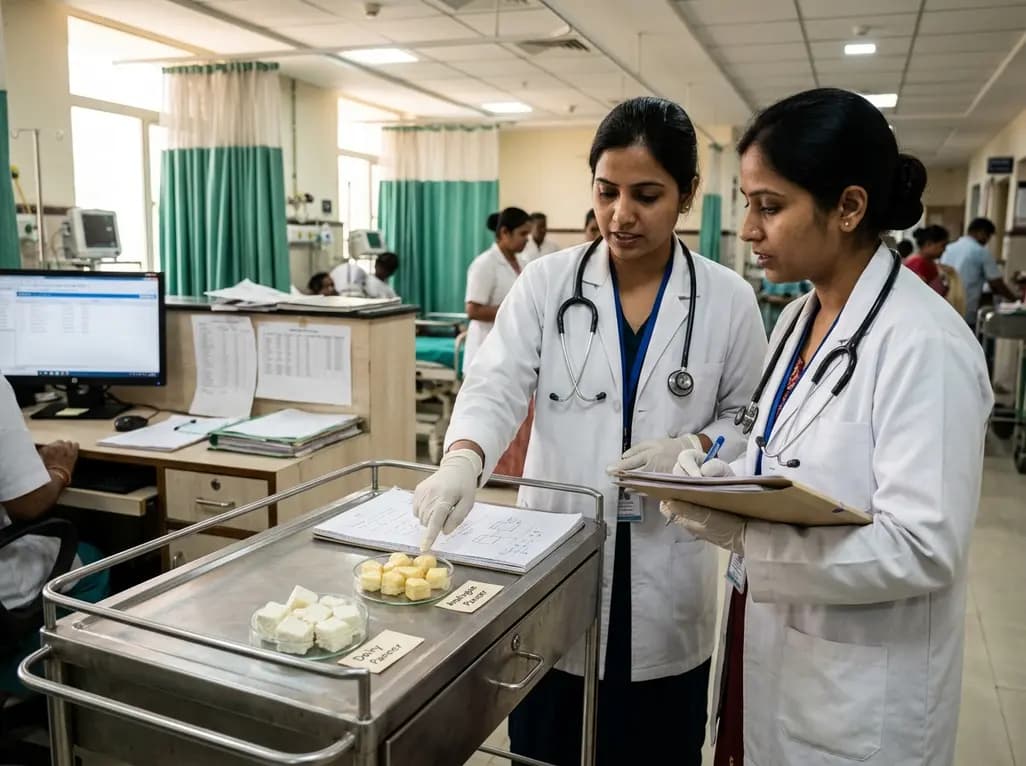
The Food Safety and Standards Authority of India has issued draft regulations prohibiting the sale and manufacture of non-dairy imitation substitutes as paneer. This nationwide regulatory action aims to eliminate consumer deception, protect dietary protein quality, and curtail lipid-related metabolic risks.
Today
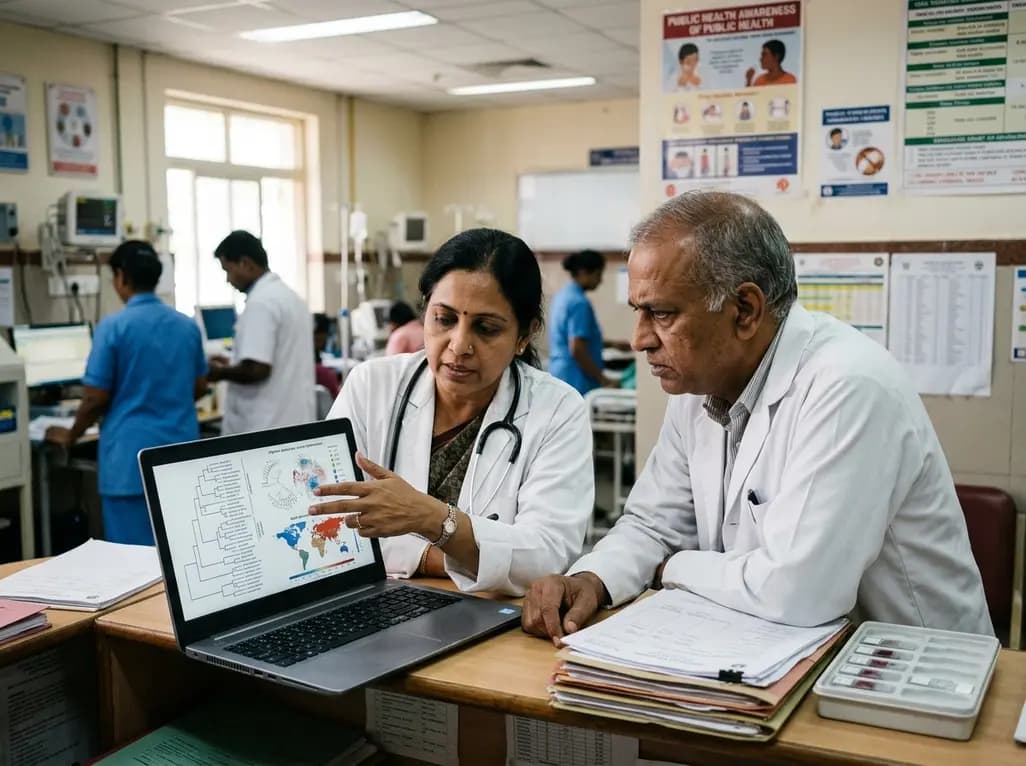
A landmark Lancet Oncology Commission reveals profound global disparities in cancer genetic testing and precision medicine. While molecular therapies expand rapidly, access remains heavily concentrated in high-income nations, leaving millions of eligible cancer patients in developing regions without care.
Today
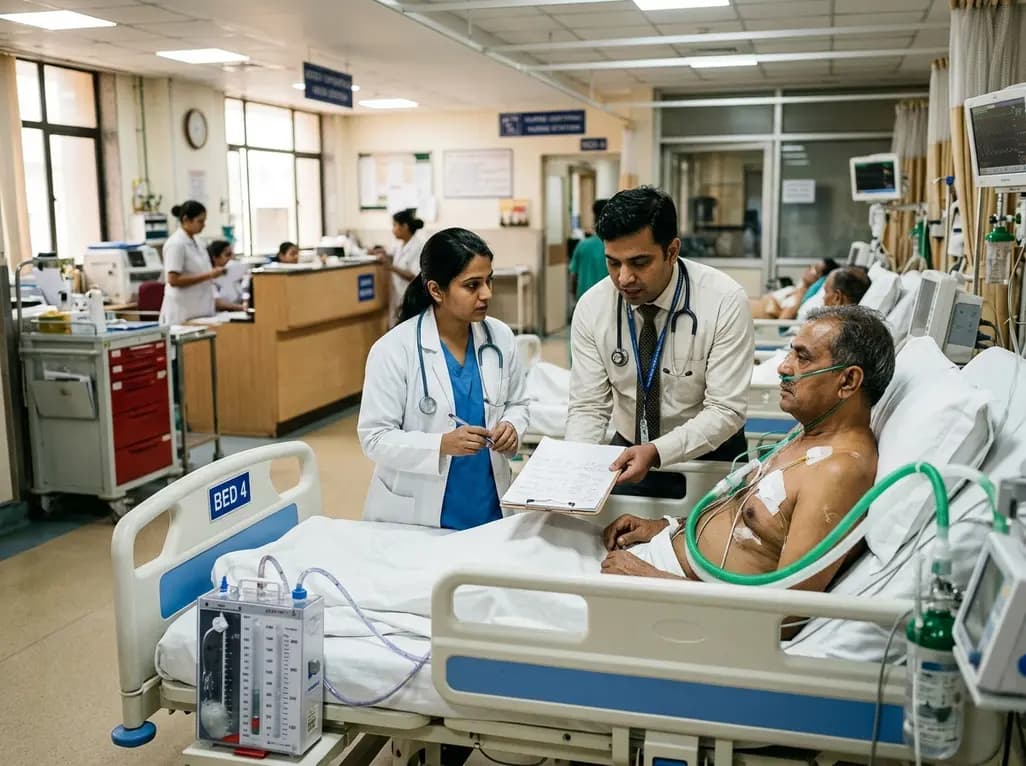
Managing refractory hypoxemia after cardiothoracic surgery becomes perilous when prolonged air leak limits positive-pressure ventilation. This case-based review details how high-flow nasal cannula, paired with awake rehabilitation, enabled successful extubation and avoided invasive re-intubation.
Today
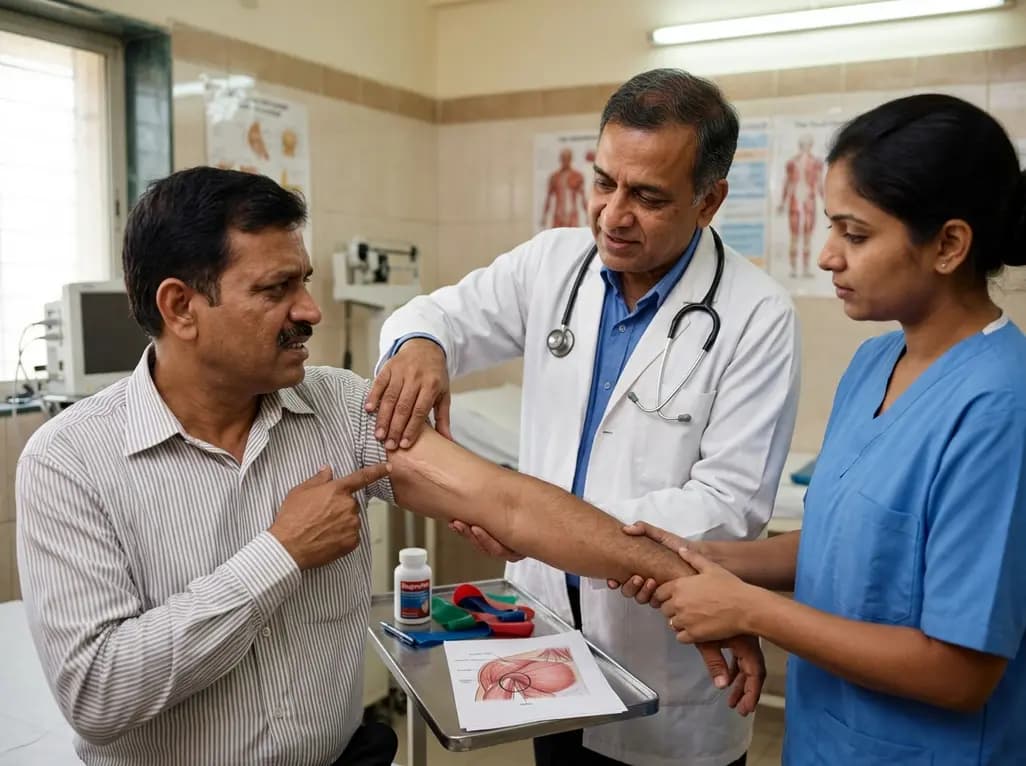
Idiopathic axillary web syndrome (IAWS) is a rare cause of shoulder pain and mobility restriction characterized by palpable axillary cording without prior surgery or trauma. Early diagnosis, nonsteroidal anti-inflammatory therapy, and physical rehabilitation lead to complete resolution of symptoms.
Today
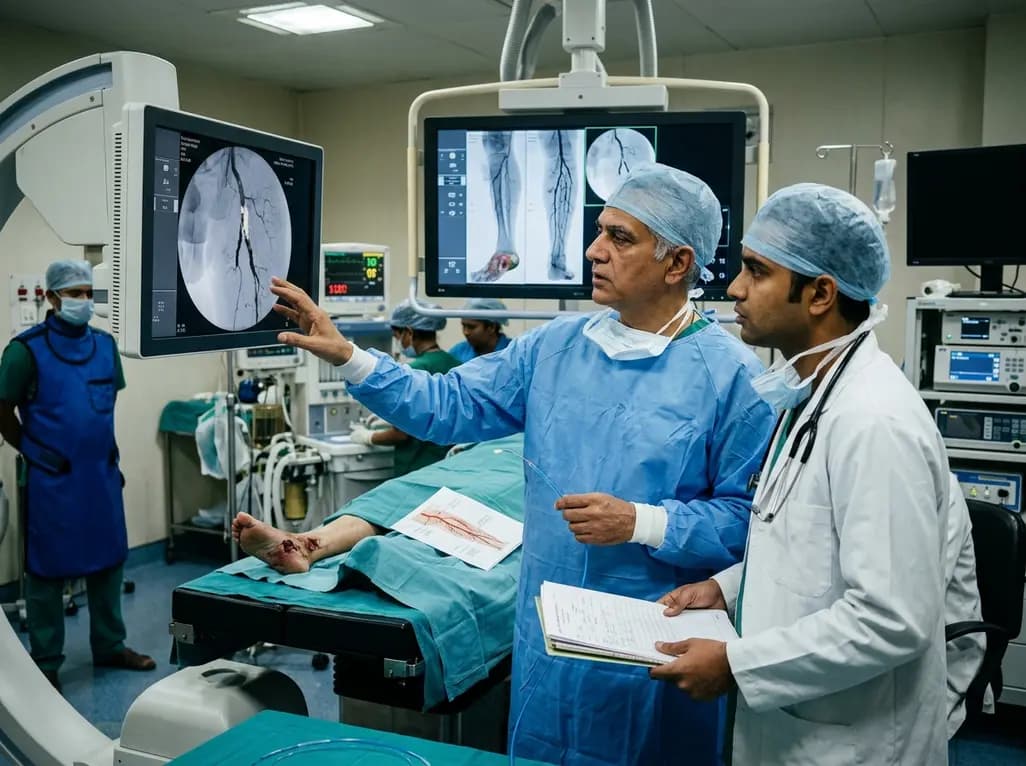
SWEDEPAD-1 trial insights show paclitaxel-coated devices do not improve long-term limb salvage in patients with chronic limb-threatening ischemia and tissue loss. While one-year reinterventions decreased, the devices were linked to a higher risk of major amputation at three months.
Today
