.webp&w=384&q=75)

Loading, please wait...
Loading, please wait...
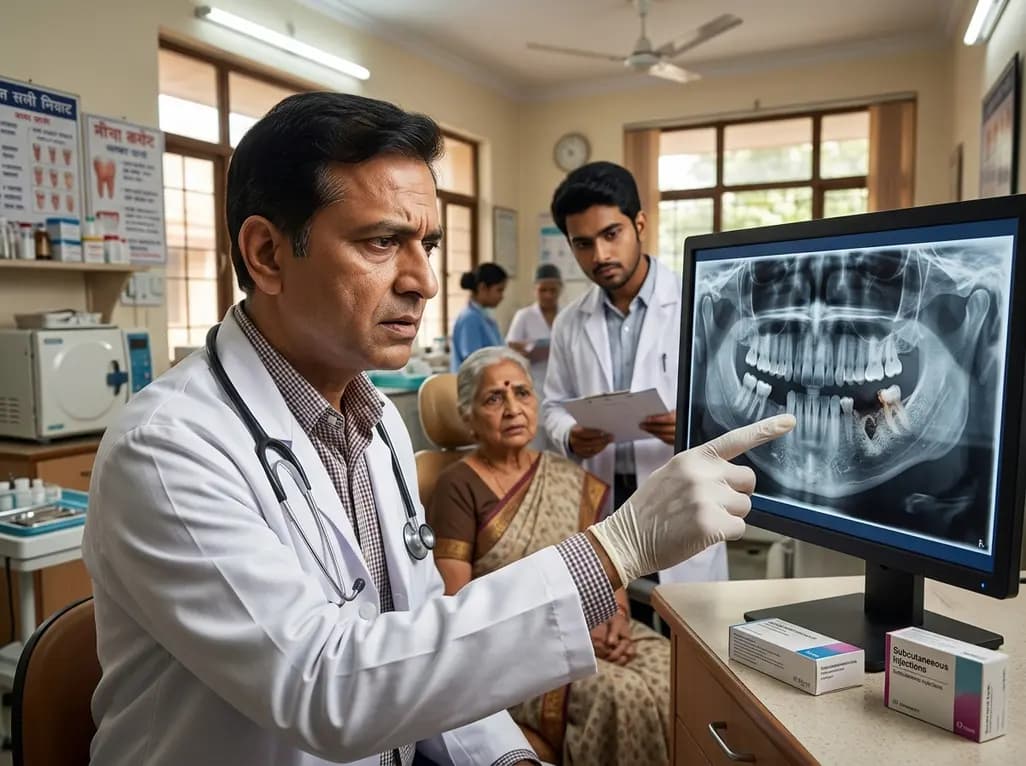
Osteoporosis management has evolved significantly with the introduction of potent biological agents that either stimulate bone formation or inhibit bone resorption. Clinicians often employ a sequential treatment strategy to maximize bone mineral density (BMD) gains, particularly in patients at very high risk for fractures. One common approach involves starting with an anabolic agent like romosozumab, followed by an antiresorptive agent like denosumab. While this sequence effectively strengthens the skeleton, recent evidence raises concerns regarding its impact on oral health. Specifically, the risk of sequential osteoporosis treatment MRONJ (medication-related osteonecrosis of the jaw) has become a focal point for researchers. Understanding how these drugs interact during the bone remodeling process is essential for preventing severe complications following invasive dental procedures such as tooth extractions.
To appreciate the risks associated with sequential therapy, one must first understand the pharmacological mechanisms of the drugs involved. Romosozumab is a humanized monoclonal antibody that targets sclerostin, a glycoprotein that inhibits bone formation. By blocking sclerostin, romosozumab exerts a dual effect: it significantly increases bone formation by osteoblasts and simultaneously decreases bone resorption by osteoclasts. This "anabolic window" is highly effective for rapidly building bone mass. However, because its effects diminish over time, it is typically administered for only one year. Following this, clinicians transition patients to an antiresorptive agent like denosumab to maintain the newly formed bone. Denosumab works by binding to the receptor activator of nuclear factor kappa-B ligand (RANKL), which is crucial for the formation and survival of osteoclasts. By inhibiting RANKL, denosumab virtually halts bone resorption. While this sequence is excellent for preventing hip and vertebral fractures, the profound suppression of bone turnover may create a physiological environment in the jaw that is less capable of healing after trauma. This unique environment is what predisposes certain patients to developing osteonecrotic lesions after dental extractions.
Recent research using murine models has provided startling insights into how this specific drug sequence affects oral bone health. In a controlled study, researchers examined the effects of sequential administration of romosozumab followed by denosumab on post-extraction socket healing. The results indicated that mice receiving the sequential treatment (Rm + Dmab) exhibited significantly less new bone formation compared to those receiving single agents or control treatments. More alarmingly, the sequential group showed a marked increase in necrotic bone within the extraction sockets. Histological analysis revealed a severe reduction in the number of osteoclasts, which are necessary for the initial stages of bone remodeling and wound debridement. The researchers observed that while romosozumab initially boosts bone density, the subsequent addition of denosumab leads to an extreme state of low bone turnover. This state appears to severely impair the natural healing progression that occurs after a tooth is removed. The lack of functional osteoclasts prevents the removal of damaged bone matrix, eventually leading to the clinical presentation of MRONJ. These findings suggest that the sequential approach might be more detrimental to jawbone healing than either drug used in isolation.
The radiological and histological evidence from the study further clarifies why sequential therapy is problematic. Micro-computed tomography (micro-CT) scans of the extraction sites in the sequential treatment group showed incomplete socket closure and sparse trabecular architecture. This lack of structural integrity is a hallmark of impaired healing. Furthermore, immunohistochemistry revealed that although sclerostin levels were not significantly different across the groups, the RANKL/OPG ratio was significantly altered. Osteoprotegerin (OPG) acts as a decoy receptor for RANKL, and a lower ratio indicates suppressed osteoclast activity. In the denosumab and sequential groups, this ratio was heavily skewed, reflecting a complete shutdown of the resorptive side of bone remodeling. Without active bone resorption, the body cannot clear out the microscopic fractures or necrotic debris that occur during a dental extraction. Consequently, the bone becomes stagnant, loses its vascularity, and eventually undergoes necrosis. This process mirrors the clinical stages of MRONJ seen in human patients, where exposed bone fails to heal for eight weeks or more despite standard care. The study highlights that the transition phase between anabolic and antiresorptive therapy is a high-risk period for dental complications.
The findings from this murine study serve as a vital warning for healthcare providers in India and globally who manage patients with severe osteoporosis. For endocrinologists and rheumatologists, it is imperative to coordinate care with dental professionals before initiating a sequential treatment plan. Patients should undergo a comprehensive dental evaluation to address any potential sources of infection or the need for extractions before starting romosozumab. If a dental extraction becomes necessary while the patient is transitioning to denosumab, the risk of MRONJ should be considered high. Dentists must be aware of the patient's full medication history, as the suppressed bone turnover state can persist for months. In some cases, conservative dental management or endodontic treatment might be preferable to surgical extraction to avoid triggering osteonecrosis. Moreover, patients must be educated about the importance of maintaining meticulous oral hygiene and reporting any symptoms such as jaw pain, swelling, or exposed bone immediately. While sequential therapy remains a gold standard for fracture prevention, the oral cavity requires specific protective strategies to ensure that systemic bone gains do not come at the cost of local jawbone health.
As we look toward the future of osteoporosis treatment, more research is needed to determine the optimal timing for dental procedures during sequential therapy. Some experts suggest a "drug holiday" or delaying the transition to the antiresorptive agent if dental surgery is imminent, although this must be balanced against the risk of rapid bone loss after stopping anabolic therapy. In the Indian context, where the prevalence of both osteoporosis and periodontal disease is high, this issue is particularly relevant. Local guidelines should emphasize a multidisciplinary approach involving orthopedists, endocrinologists, and dentists. The ultimate goal is to create a seamless care pathway that protects the patient's entire skeleton. Future clinical trials should also investigate whether specific biomarkers of bone turnover can help predict which patients are at the highest risk for MRONJ during sequential transitions. Until then, the murine evidence provides a clear biological basis for increased caution. By recognizing the potential for severely impaired socket healing, clinicians can implement proactive measures to reduce the incidence of this debilitating condition while still providing life-saving osteoporosis care.
Sequential therapy involving romosozumab followed by denosumab creates a state of extremely low bone turnover. While romosozumab initially builds bone, denosumab subsequently halts the activity of osteoclasts. This prevents the body from clearing out necrotic bone tissue after a dental extraction. Without this essential remodeling process, the extraction socket cannot heal properly, leading to the development of necrotic lesions and the clinical manifestation of MRONJ.
Deciding to stop osteoporosis medication, often called a drug holiday, is complex and must be managed by the prescribing physician. Stopping drugs like denosumab can lead to a rapid rebound in bone resorption and an increased risk of vertebral fractures. However, for patients on sequential therapy, a coordinated plan between the dentist and endocrinologist is essential to minimize MRONJ risk while maintaining systemic bone health through careful timing.
Patients should be vigilant for symptoms such as persistent pain in the jaw, swelling of the gums, or the sensation of a sharp edge in the mouth. Other signs include loose teeth that were previously stable or numbness in the lower lip. If an extraction site does not show signs of healing after several weeks, or if bone becomes visible in the mouth, immediate consultation with a dental specialist is required.
Disclaimer: This content is for informational and educational purposes only. It does not constitute professional medical advice, diagnosis, or treatment. Always seek the advice of your physician or other qualified healthcare provider with any questions you may have regarding a medical condition. Refer to the latest local and national guidelines for clinical practice.
References
An SY et al. Sequential Anabolic and Antiresorptive Treatment Promotes Medication-Related Osteonecrosis of the Jaw in Mice. Oral Dis. 2026 Jul 19. doi: 10.1111/odi.70417. PMID: 42473038.
Stokar J, Szalat A. Risk of medication-related osteonecrosis of the jaw during romosozumab treatment. Osteoporos Int. 2026 Jun 16. doi: 10.1007/s00198-026-08109-z.
AAOMS Position Paper on Medication-Related Osteonecrosis of the Jaw—2022 Update. Journal of Oral and Maxillofacial Surgery. 2022;80(5):920-943.

Read summarized clinical updates, watch expert medical content, and earn CME certifications right from your smartphone.
Open your smartphone camera to scan and install.





A new murine study suggests that sequential therapy with romosozumab followed by denosumab significantly impairs tooth extraction socket healing and increases the risk of medication-related osteonecrosis of the jaw (MRONJ). This research provides critical warnings for managing high-risk osteoporosis patients.
2 months ago
The Food Safety and Standards Authority of India has issued draft regulations prohibiting the sale and manufacture of non-dairy imitation substitutes as paneer. This nationwide regulatory action aims to eliminate consumer deception, protect dietary protein quality, and curtail lipid-related metabolic risks.
Today

A landmark Lancet Oncology Commission reveals profound global disparities in cancer genetic testing and precision medicine. While molecular therapies expand rapidly, access remains heavily concentrated in high-income nations, leaving millions of eligible cancer patients in developing regions without care.
Today

Managing refractory hypoxemia after cardiothoracic surgery becomes perilous when prolonged air leak limits positive-pressure ventilation. This case-based review details how high-flow nasal cannula, paired with awake rehabilitation, enabled successful extubation and avoided invasive re-intubation.
Today
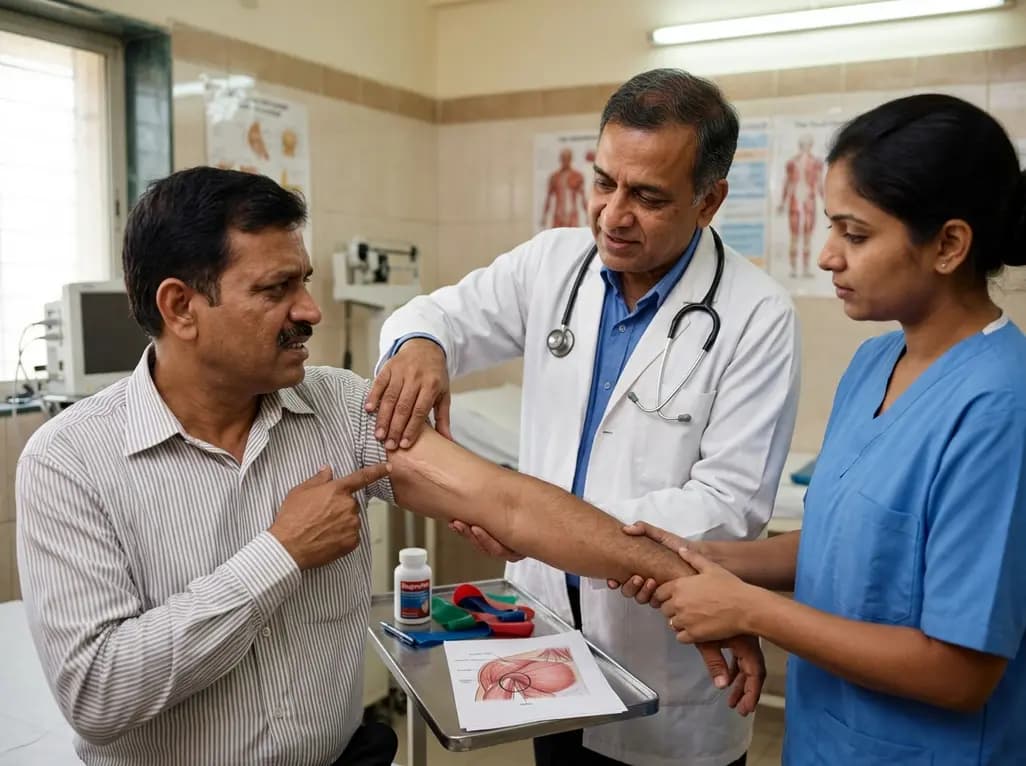
Idiopathic axillary web syndrome (IAWS) is a rare cause of shoulder pain and mobility restriction characterized by palpable axillary cording without prior surgery or trauma. Early diagnosis, nonsteroidal anti-inflammatory therapy, and physical rehabilitation lead to complete resolution of symptoms.
Today
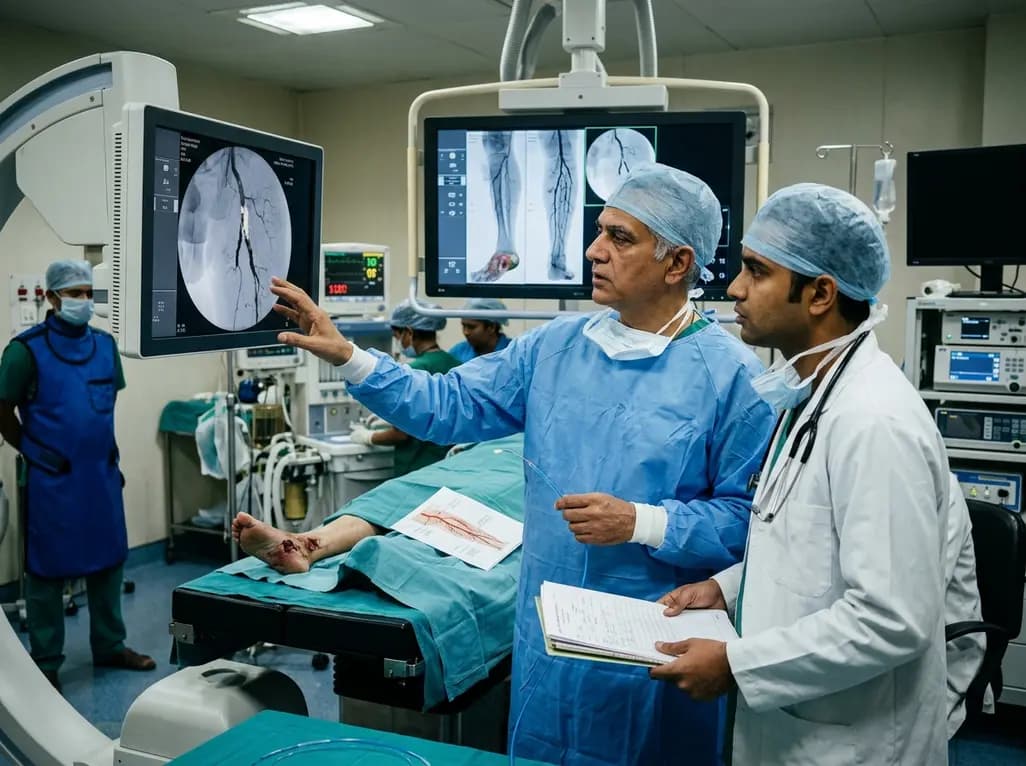
SWEDEPAD-1 trial insights show paclitaxel-coated devices do not improve long-term limb salvage in patients with chronic limb-threatening ischemia and tissue loss. While one-year reinterventions decreased, the devices were linked to a higher risk of major amputation at three months.
Today
