.webp&w=384&q=75)

Loading, please wait...
Loading, please wait...
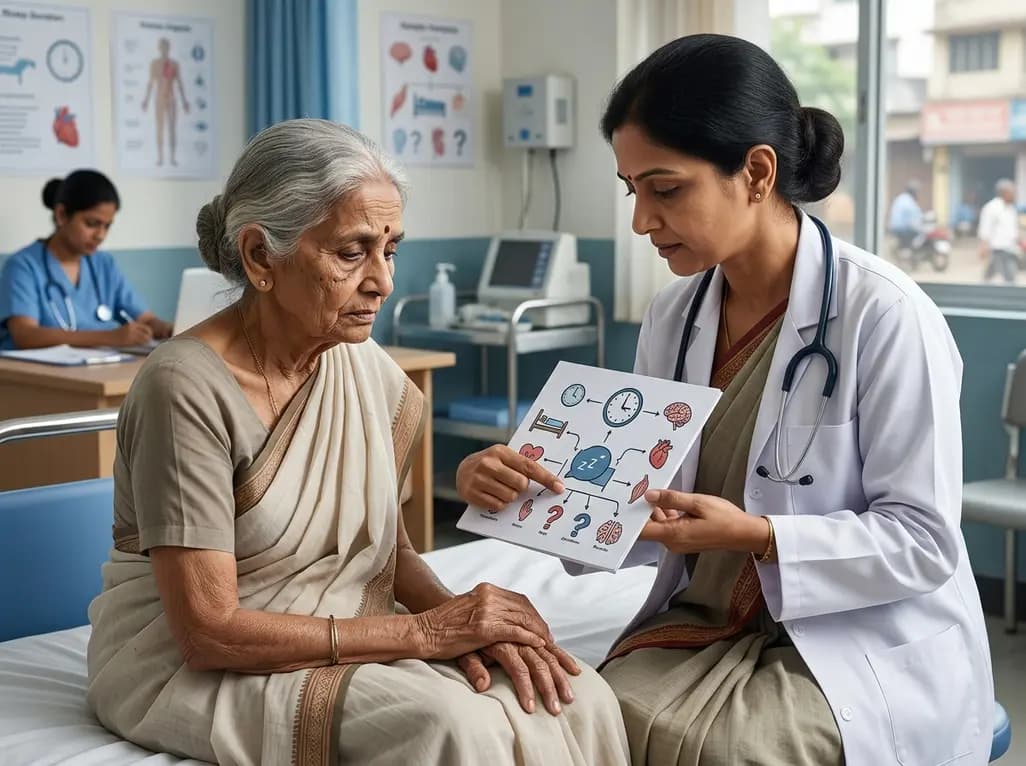
As the global population ages, the clinical focus has shifted from managing single diseases to addressing the complexities of multimorbidity. Among the various lifestyle factors that influence long-term health, sleep duration and multimorbidity have emerged as critical areas of investigation. Sleep is not merely a period of rest; it is a vital physiological process necessary for cognitive function, metabolic health, and emotional regulation. Recent epidemiological data suggests that variations in sleep habits can predict the onset of multiple chronic conditions. Specifically, middle-aged and older adults often face a decline in sleep quality and quantity, which creates a ripple effect across their health status. Understanding the biological and behavioral pathways involved is essential for modern medicine. Consequently, researchers have begun looking at how these elements interact to exacerbate or mitigate the cumulative burden of disease. This is particularly relevant in densely populated regions where the geriatric demographic is expanding rapidly. Therefore, identifying early markers of decline, such as changes in sleep patterns, could provide a window for preventative intervention. By addressing these foundational lifestyle habits, clinicians can potentially delay the progression of complex health issues. This blog delves into the intricate relationship between sleep, frailty, and the simultaneous presence of physical, psychological, and cognitive impairments.
Physical-psychological-cognitive multimorbidity, often abbreviated as PPC-MM, represents a distinct phenotype of aging. Unlike traditional multimorbidity, which primarily counts physical ailments like diabetes or hypertension, PPC-MM accounts for the coexistence of physical diseases, psychological distress, and cognitive deficits. This comprehensive approach reflects the reality of patient care, where a single individual often struggles with depression, memory loss, and cardiovascular disease simultaneously. Because these domains are deeply interconnected, a deficit in one area frequently leads to a decline in another. For instance, chronic physical pain can trigger depressive symptoms, which in turn may accelerate cognitive decline due to social withdrawal or neurobiological changes. Furthermore, the presence of PPC-MM is associated with higher healthcare costs, increased hospitalization rates, and a lower quality of life. Research indicates that the prevalence of this triad is rising, necessitating a shift toward integrated care models. However, standard clinical guidelines often treat these conditions in silos, potentially missing the underlying common risk factors. By recognizing PPC-MM as a unified challenge, healthcare providers can better tailor their diagnostic and therapeutic strategies. Therefore, exploring the early predictors of this multimorbidity pattern, such as sleep duration, is a priority for geriatric research and clinical practice alike.
Frailty is a multidimensional geriatric syndrome characterized by a decrease in physiological reserve and an increased vulnerability to stressors. It acts as a bridge between age-related physiological changes and the development of overt chronic diseases. Recent studies have highlighted that frailty often mediates the association between sleep duration and multimorbidity. This means that poor sleep may not directly cause every chronic disease but instead fosters a state of frailty that allows these diseases to take hold. From a physiological standpoint, inadequate sleep promotes chronic low-grade inflammation, often termed 'inflammaging.' This state of constant immune activation weakens the body's resilience, leading to the clinical manifestations of frailty, such as muscle weakness, exhaustion, and slow gait speed. Once an individual becomes frail, they are significantly more likely to develop multiple health conditions across the physical, psychological, and cognitive domains. Thus, frailty serves as a crucial tipping point in the health trajectory of an aging adult. Consequently, identifying frailty in its early or 'pre-frail' stage offers a significant opportunity for intervention. If clinicians can strengthen a patient's physiological reserve, they may disrupt the link between poor sleep and the eventual development of complex multimorbidity. Therefore, frailty assessment should be a cornerstone of routine geriatric evaluations.
Longitudinal data from major aging studies, such as the China Health and Retirement Longitudinal Study (CHARLS), provides profound insights into these relationships. Evidence shows that sleep duration is negatively associated with the risk of developing PPC-MM over time. Specifically, as sleep duration decreases below the recommended seven to eight hours, the risk of multi-system health decline increases. Path analysis has revealed that frailty accounts for a substantial portion of this association, with mediation effects observed in both cross-sectional and longitudinal cohorts. For middle-aged adults, even minor deviations in sleep can begin the subtle process of physiological erosion. Moreover, the relationship often appears non-linear, where both excessively short and excessively long sleep durations may correlate with adverse outcomes. This 'U-shaped' association suggests that there is an optimal window for sleep that supports healthy aging. Interestingly, the mediation effect of frailty appears stronger in cross-sectional observations, suggesting that sleep and frailty are closely intertwined in the current health state of the individual. However, the longitudinal findings confirm that these baseline sleep patterns do indeed predict the future onset of multimorbidity. Therefore, monitoring sleep habits over many years is vital for predicting long-term health outcomes. These findings emphasize that sleep is a modifiable risk factor that must be managed proactively to prevent the cascade into frailty and subsequent disease.
In the Indian context, the rising burden of non-communicable diseases and an aging population makes the study of sleep and multimorbidity highly relevant. Data from the Longitudinal Aging Study in India (LASI) echoes global findings, showing high rates of sleep disturbances and frailty among the elderly. Cultural factors, such as multi-generational living and urban noise pollution, often impact the sleep quality of older Indians. Furthermore, many elderly patients in India may perceive poor sleep as an inevitable part of aging rather than a treatable medical concern. This leads to underreporting and missed opportunities for early intervention. Clinicians in general practice and geriatrics must, therefore, be vigilant in screening for sleep disorders and frailty. Simple tools, like the Fried Frailty Phenotype or the Clinical Frailty Scale, can be easily integrated into routine consultations. Additionally, addressing sleep hygiene through behavioral counseling can be a cost-effective way to improve health outcomes. Given the high prevalence of diabetes and hypertension in India, preventing the additional burden of psychological and cognitive decline is essential for maintaining a sustainable healthcare system. Consequently, a holistic approach that includes sleep assessment and frailty management is necessary. By focusing on these interconnected factors, Indian healthcare providers can improve the functional lifespan of their patients and reduce the overall burden of multimorbidity in the community.
To mitigate the risks associated with sleep duration and multimorbidity, a proactive strategy focusing on sleep hygiene and frailty reduction is required. Clinicians should encourage patients to maintain consistent sleep schedules, limit caffeine intake, and create a restful environment. Furthermore, physical activity plays a dual role by improving sleep quality and directly reducing frailty through muscle strengthening. Nutritional interventions, particularly those targeting protein intake and anti-inflammatory diets, also support physiological resilience. When patients present with existing multimorbidity, the management of sleep becomes even more critical to prevent further decline. In summary, sleep, frailty, and multimorbidity form a complex web that dictates the health of older adults. Addressing these factors collectively rather than in isolation is the key to successful geriatric care. Therefore, integrated health policies should prioritize sleep health as a pillar of healthy aging. By fostering resilience and protecting sleep, we can help the aging population lead more vibrant, independent lives.
Sleep duration and multimorbidity are linked through complex biological mechanisms. Short sleep duration disrupts metabolic processes and increases systemic inflammation, which triggers a cascade of physical ailments. Simultaneously, sleep deprivation impairs neurotransmitter balance and prevents the clearance of neurotoxins from the brain, leading to psychological distress and cognitive decline. Maintaining a consistent seven to eight hours of sleep helps protect these diverse systems, effectively lowering the cumulative risk of developing multiple chronic conditions simultaneously.
Frailty acts as a critical mediator in the relationship between sleep habits and long-term health outcomes. Poor sleep weakens the body's physiological reserves, leading to the clinical signs of frailty, such as exhaustion and reduced physical strength. Once an individual becomes frail, their vulnerability to various diseases across physical, cognitive, and psychological domains increases significantly. Therefore, frailty is the primary pathway through which inadequate sleep translates into a broad spectrum of chronic health problems.
Clinicians should adopt a comprehensive screening approach for older adults. This includes asking specific questions about sleep duration, quality, and daytime sleepiness during routine visits. Since sleep duration and multimorbidity are so closely linked, any report of persistent sleep issues should trigger an assessment for frailty using validated tools like the Fried Phenotype. Identifying these risks early allows for timely interventions, such as sleep hygiene education or physical therapy, to prevent further health deterioration.
Disclaimer: This content is for informational and educational purposes only. It is not intended as a substitute for professional medical advice, diagnosis, or treatment. Always seek the advice of your physician or other qualified health provider with any questions you may have regarding a medical condition. Refer to the latest local and national guidelines for clinical practice.
References
Ding H et al. Frailty mediates the association between sleep duration and physical, psychological, and cognitive multimorbidity in Chinese middle-aged and older adults. Sci Rep. 2026 Jul 19. doi: 10.1038/s41598-026-63040-x. PMID: 42473003.
Longitudinal Aging Study in India (LASI). Wave 1, 2017-18. International Institute for Population Sciences (IIPS).
Ma Z et al. The relationship between frailty and multimorbidity in Chinese older adults: the chain mediating effects of sleep quality and anxiety. BMC Geriatrics. 2025; 25:814.
Sankara Pandi K. Prevalence, Determinants, and Socioeconomic Correlates of Frailty among Older Adults in India: Evidence from WHO-SAGE. Madras Institute of Development Studies. 2026.

Read summarized clinical updates, watch expert medical content, and earn CME certifications right from your smartphone.
Open your smartphone camera to scan and install.





Recent research highlights that frailty significantly mediates the relationship between sleep duration and physical, psychological, and cognitive multimorbidity (PPC-MM). This blog explores the clinical implications and the importance of sleep hygiene for healthy aging in the middle-aged and older population.
2 months ago

The Food Safety and Standards Authority of India has issued draft regulations prohibiting the sale and manufacture of non-dairy imitation substitutes as paneer. This nationwide regulatory action aims to eliminate consumer deception, protect dietary protein quality, and curtail lipid-related metabolic risks.
Today

A landmark Lancet Oncology Commission reveals profound global disparities in cancer genetic testing and precision medicine. While molecular therapies expand rapidly, access remains heavily concentrated in high-income nations, leaving millions of eligible cancer patients in developing regions without care.
Today
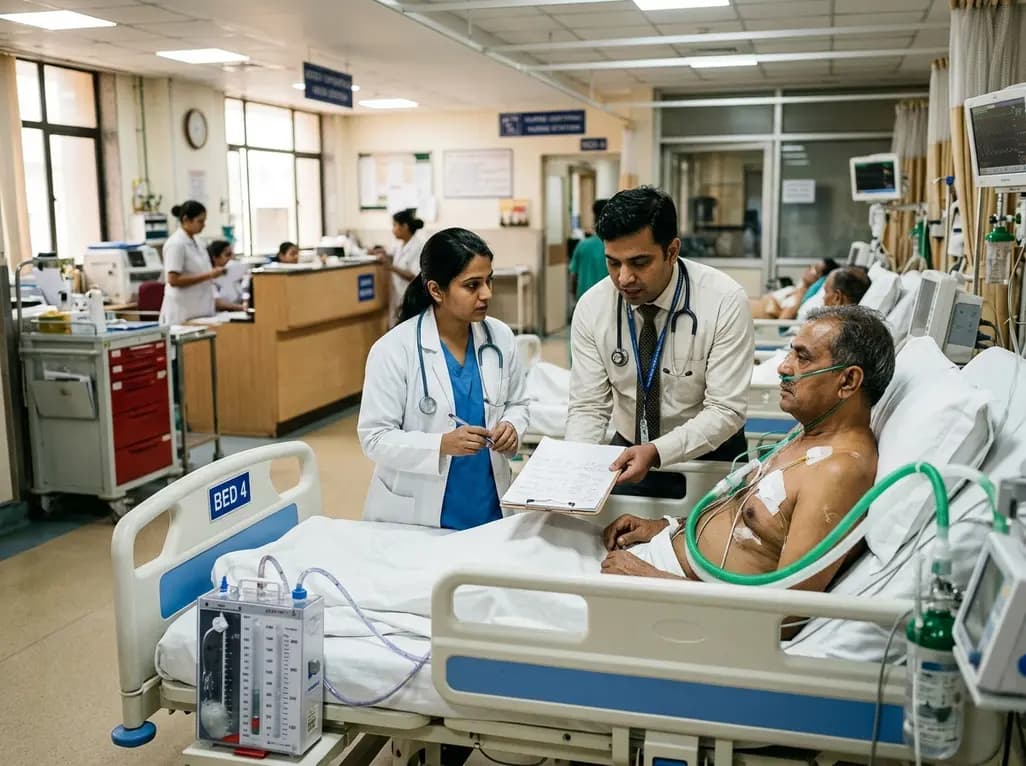
Managing refractory hypoxemia after cardiothoracic surgery becomes perilous when prolonged air leak limits positive-pressure ventilation. This case-based review details how high-flow nasal cannula, paired with awake rehabilitation, enabled successful extubation and avoided invasive re-intubation.
Today

Idiopathic axillary web syndrome (IAWS) is a rare cause of shoulder pain and mobility restriction characterized by palpable axillary cording without prior surgery or trauma. Early diagnosis, nonsteroidal anti-inflammatory therapy, and physical rehabilitation lead to complete resolution of symptoms.
Today

SWEDEPAD-1 trial insights show paclitaxel-coated devices do not improve long-term limb salvage in patients with chronic limb-threatening ischemia and tissue loss. While one-year reinterventions decreased, the devices were linked to a higher risk of major amputation at three months.
Today
