.webp&w=384&q=75)

Loading, please wait...
Loading, please wait...
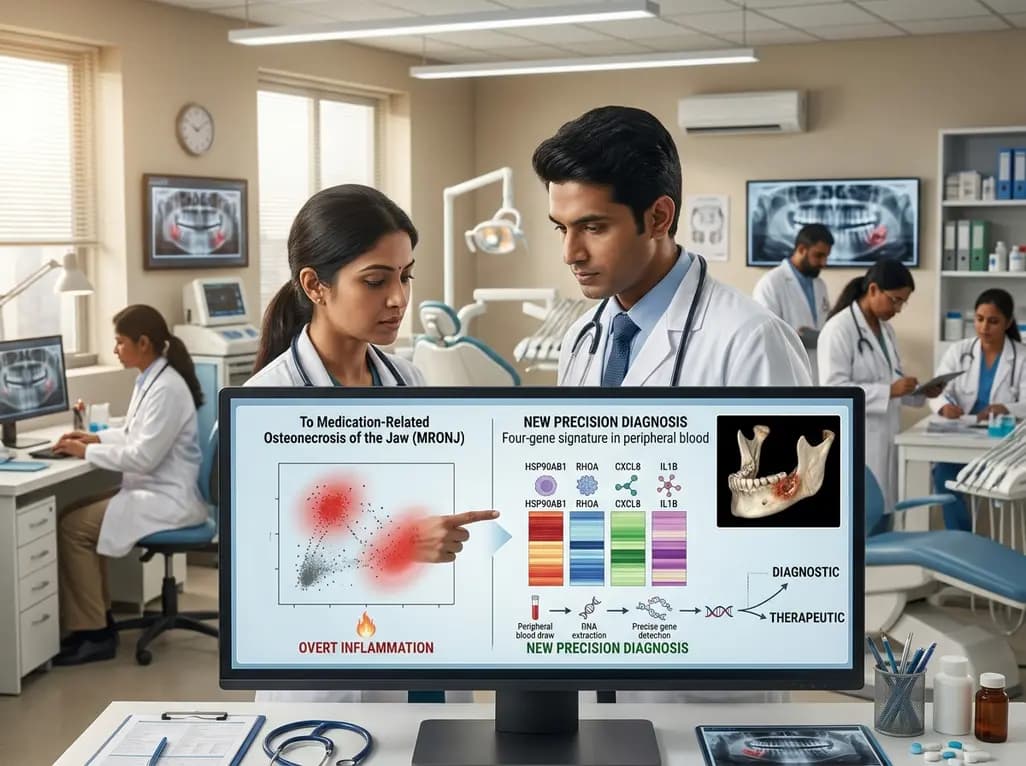
Medication-related osteonecrosis of the jaw (MRONJ) remains one of the most challenging complications for patients undergoing antiresorptive or antiangiogenic therapy. While the clinical presentation involving exposed necrotic bone is well-documented, the underlying molecular drivers have long remained elusive. Recent advancements in bioinformatics have allowed researchers to take a closer look at the genetic factors involved. Specifically, the identification of MRONJ core genes has opened new avenues for understanding why certain patients develop this debilitating condition while others on similar drug regimens do not. This research shift is particularly relevant for clinicians in India, where the use of bisphosphonates and denosumab for osteoporosis and cancer-related bone disease is steadily increasing.
Previously, the focus of MRONJ pathogenesis was largely limited to local factors such as oral microflora or direct drug toxicity to bone cells. However, newer studies suggest that the systemic environment plays a far more significant role than once thought. By analyzing peripheral blood mononuclear cells (PBMCs), scientists are uncovering a complex network of genetic signals that precede and accompany clinical bone exposure. This systemic perspective is essential because it suggests that MRONJ might be a manifestation of a broader immune dysfunction. Understanding these genetic markers is not just a matter of academic interest but a necessary step toward developing non-invasive diagnostic tools that can identify at-risk patients before irreversible damage occurs.
A recent landmark study utilized integrative bioinformatics to analyze the GSE7116 dataset, focusing on PBMC samples from patients with multiple myeloma who were receiving bisphosphonate therapy. This analysis aimed to differentiate the gene expression profiles of those who developed MRONJ from those who did not. The researchers identified 241 differentially expressed genes (DEGs), which is a significant number that highlights the widespread impact of the condition on the systemic immune system. Interestingly, the vast majority of these genes—212 to be exact—were downregulated. Only 29 genes showed increased expression, suggesting that the primary state of the immune system in MRONJ is one of suppression rather than hyper-activation.
Furthermore, this widespread downregulation points toward a specific pattern of immune exhaustion. When we examine these DEGs, they are primarily involved in critical biological processes such as immune and inflammatory responses. The study specifically highlighted the role of the NOD-like receptor and NF-κB signaling pathways. In normal physiological conditions, these pathways are vital for mounting an effective defense against oral pathogens. However, in the context of MRONJ, their suppression likely impairs the body's ability to manage minor trauma in the oral cavity. Consequently, this leads to a failure in mucosal healing and subsequent bone necrosis. This genetic evidence strongly supports the theory that MRONJ is rooted in a systemic inability to regulate inflammation effectively.
To move from a long list of genes to actionable clinical insights, the researchers performed functional enrichment and protein-protein interaction (PPI) network analyses. These methods help determine which genes are central to the disease process and how they interact with one another. Through this process, ten hub genes were identified as central players: TNF, ACTB, IL1B, JUN, CXCL8, CXCR4, PTPRC, IL1A, HSP90AB1, and RHOA. These genes are not just random markers; they are fundamental to how the body communicates during an inflammatory crisis. For instance, genes like TNF and IL1B are well-known mediators of the inflammatory cascade, yet their downregulation in this context suggests a unique systemic environment.
Moreover, the analysis showed that these hub genes are deeply integrated into the NF-κB and NOD-like receptor signaling pathways. These pathways are essentially the body’s "early warning systems" for infection and cellular stress. When these systems are dampened systemically, the local environment of the jaw—which is constantly exposed to mechanical stress and oral bacteria—becomes vulnerable. Instead of a localized inflammatory response that clears damage and promotes healing, the suppressed systemic state allows for chronic, low-grade issues to transition into full-scale necrosis. This integrative approach provides a comprehensive view of how systemic genetic signatures dictate local clinical outcomes in the maxillofacial region.
One of the most exciting aspects of this research is the development of a diagnostic panel based on a subset of the MRONJ core genes. By using receiver operating characteristic (ROC) curve analysis, the researchers evaluated the diagnostic accuracy of the identified hub genes. Four specific genes—HSP90AB1, RHOA, CXCL8, and IL1B—emerged as highly accurate markers. These genes demonstrated Area Under the Curve (AUC) values ranging from 0.864 to 0.936, which indicates a high level of sensitivity and specificity. Such high accuracy suggests that a blood test focusing on these four genes could effectively distinguish MRONJ patients from non-MRONJ patients receiving similar treatments.
In addition to the bioinformatic predictions, the researchers validated these findings using independent quantitative real-time PCR (qRT-PCR) experiments. This step is crucial because it confirms that the computational models reflect real biological changes in patient samples. The consistency between the bioinformatic data and the experimental validation reinforces the potential of this four-gene signature as a peripheral blood-based diagnostic panel. For clinicians, this could eventually mean having a tool to monitor patients on high-risk medications more closely. If a patient shows a specific signature of downregulation in these four genes, it might warrant more aggressive preventive measures or a closer coordination between the oncologist and the dental surgeon.
The findings of this study challenge the traditional view of MRONJ as primarily an inflammatory or infectious condition. Traditionally, the presence of pus and soft tissue swelling led many to believe that the disease was driven by an overactive inflammatory response. However, the widespread downregulation of inflammatory genes in PBMCs suggests the opposite: systemic immunosuppression. This systemic "hushing" of the immune system means that the body lacks the necessary tools to resolve local injuries in the jawbone. This insight is transformative for treatment strategies because it suggests that anti-inflammatory drugs might not always be the optimal choice.
Instead, the data points toward the potential for immunomodulatory strategies that aim to restore normal immune function rather than simply suppressing inflammation. If the patient is in a state of systemic immunosuppression, the focus should be on enhancing the body's natural regenerative and defensive capabilities. For practitioners in India, where patient management often involves multi-morbidity and polypharmacy, understanding this systemic baseline is vital. It reminds us that the jaw is not an isolated organ but is deeply connected to the overall immunological health of the patient. By targeting these core genetic pathways, we may eventually find ways to prevent the onset of necrosis altogether.
For the medical community, the identification of a four-gene diagnostic signature provides a tangible goal for future clinical trials and diagnostic development. Currently, the diagnosis of MRONJ is largely clinical, requiring the presence of exposed bone for at least eight weeks. This means that by the time a diagnosis is made, the disease is already in an advanced stage. A blood-based panel could potentially identify the molecular changes of MRONJ much earlier, perhaps even before clinical symptoms appear. This would allow for much earlier intervention, such as adjusting the dosing of antiresorptive agents or performing prophylactic dental procedures under more controlled conditions.
Ultimately, the goal of this research is to move toward a personalized medicine approach for patients at risk of MRONJ. By screening for the expression levels of HSP90AB1, RHOA, CXCL8, and IL1B, clinicians can stratify patients into high- and low-risk categories. This would improve the safety profile of essential medications like bisphosphonates, which remain vital for preventing skeletal-related events in cancer and osteoporosis. As we continue to refine our understanding of these genetic markers, the hope is to transition MRONJ from a feared and poorly understood complication into a manageable condition with clear diagnostic and therapeutic pathways.
The core genes, specifically the four-gene signature of HSP90AB1, RHOA, CXCL8, and IL1B, serve as molecular biomarkers. Because these genes show a distinct and consistent pattern of expression in the blood of MRONJ patients compared to healthy controls, they can be measured using standard laboratory techniques like PCR. Their high diagnostic accuracy, as shown by AUC values, means they can potentially identify the disease with high reliability, offering a non-invasive way to supplement clinical examinations.
Downregulation suggests that the systemic immune system is in a state of suppression or exhaustion rather than being overactive. This is significant because it shifts the focus of treatment. If the body is unable to mount an effective inflammatory response due to this genetic silencing, then local wounds in the mouth cannot heal properly. This provides a new biological explanation for why necrotic bone becomes exposed and persists, pointing toward systemic immune health as a primary factor in the disease.
While the current research identifies these markers in patients who already have MRONJ, they hold great promise for future preventive screening. If further studies confirm that these genetic changes occur before clinical bone exposure, doctors could use a blood test to identify high-risk individuals. This would allow for personalized risk assessment, enabling clinicians to modify treatment plans, improve oral hygiene protocols, or time dental surgeries more safely to avoid the onset of osteonecrosis.
Disclaimer: This content is for informational and educational purposes only. It is not a substitute for professional medical advice, diagnosis, or treatment. Always seek the advice of your physician or other qualified health provider with any questions you may have regarding a medical condition. Refer to the latest local and national guidelines for clinical practice.
References
Duan X et al. Identification of Potential Core Genes in Medication-Related Osteonecrosis of the Jaw via Bioinformatics Analysis. Oral Dis. 2026 Jul 19. doi: 10.1111/odi.70438. PMID: 42473030.
Ruggiero SL, et al. American Association of Oral and Maxillofacial Surgeons Position Paper on Medication-Related Osteonecrosis of the Jaw—2022 Update. J Oral Maxillofac Surg. 2022;80(5):920-943.
Al-Dabbagh Ad et al. Pathogenesis of medication-related osteonecrosis of the jaw: A review. J Oral Maxillofac Pathol. 2023;27(1):124-130.

Read summarized clinical updates, watch expert medical content, and earn CME certifications right from your smartphone.
Open your smartphone camera to scan and install.





This study identifies a four-gene signature (HSP90AB1, RHOA, CXCL8, IL1B) in peripheral blood that accurately diagnoses MRONJ. Discover how systemic immunosuppression rather than overt inflammation drives this condition and what it means for future clinical diagnostics and therapies.
2 months ago
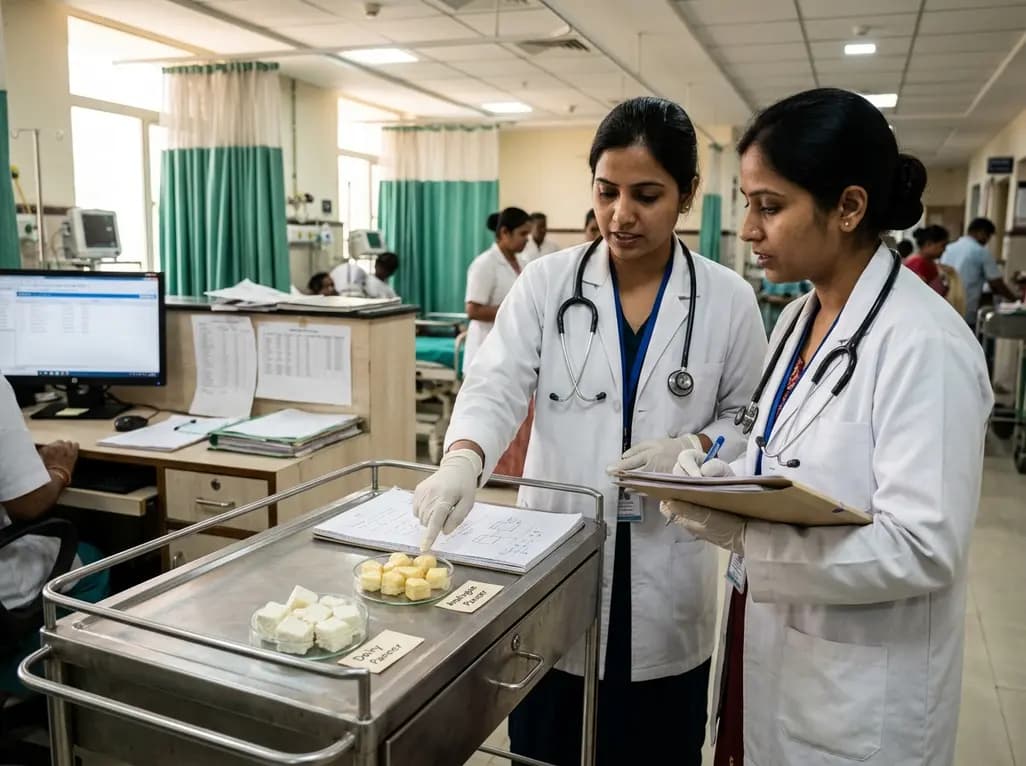
The Food Safety and Standards Authority of India has issued draft regulations prohibiting the sale and manufacture of non-dairy imitation substitutes as paneer. This nationwide regulatory action aims to eliminate consumer deception, protect dietary protein quality, and curtail lipid-related metabolic risks.
Today
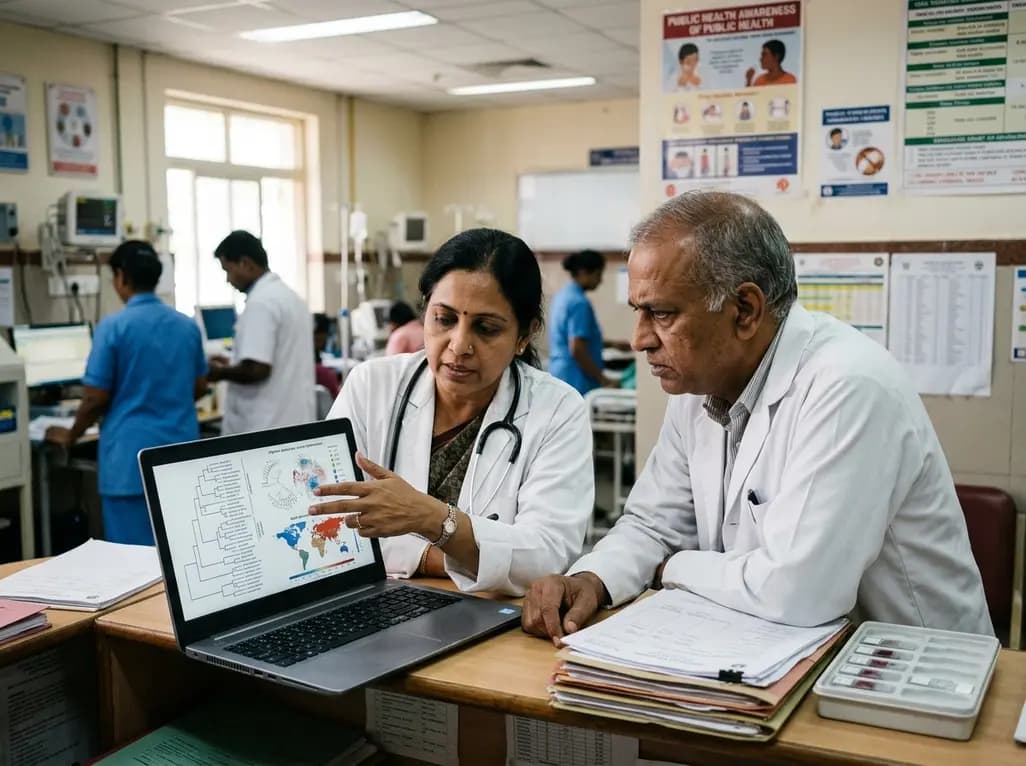
A landmark Lancet Oncology Commission reveals profound global disparities in cancer genetic testing and precision medicine. While molecular therapies expand rapidly, access remains heavily concentrated in high-income nations, leaving millions of eligible cancer patients in developing regions without care.
Today
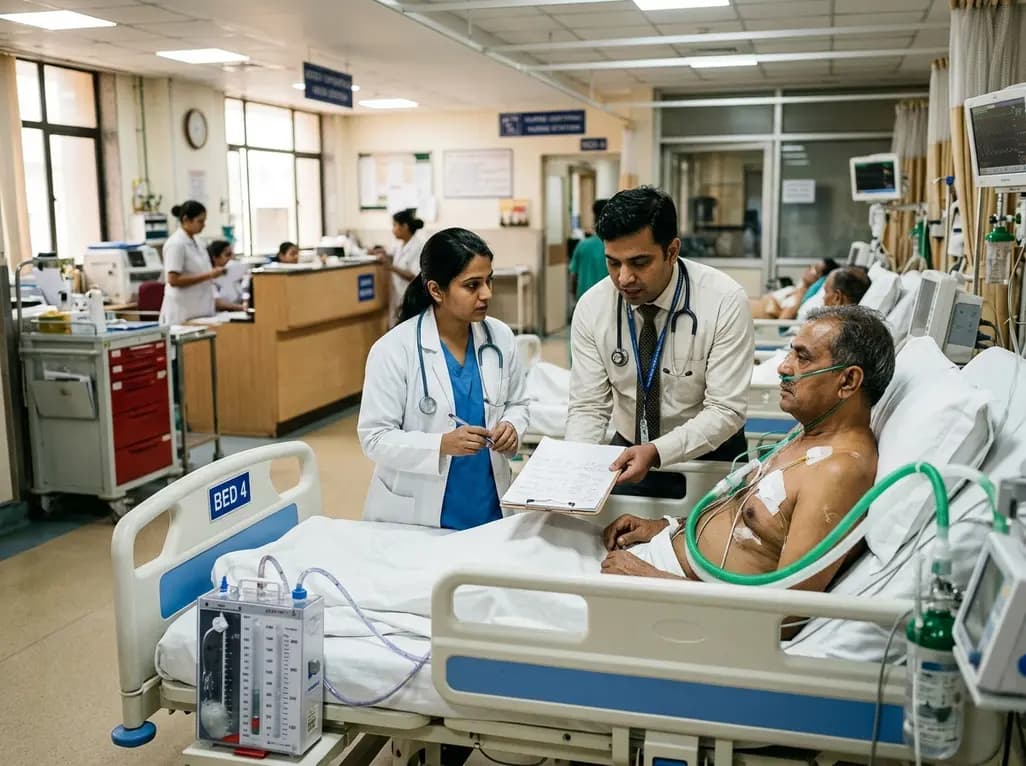
Managing refractory hypoxemia after cardiothoracic surgery becomes perilous when prolonged air leak limits positive-pressure ventilation. This case-based review details how high-flow nasal cannula, paired with awake rehabilitation, enabled successful extubation and avoided invasive re-intubation.
Today
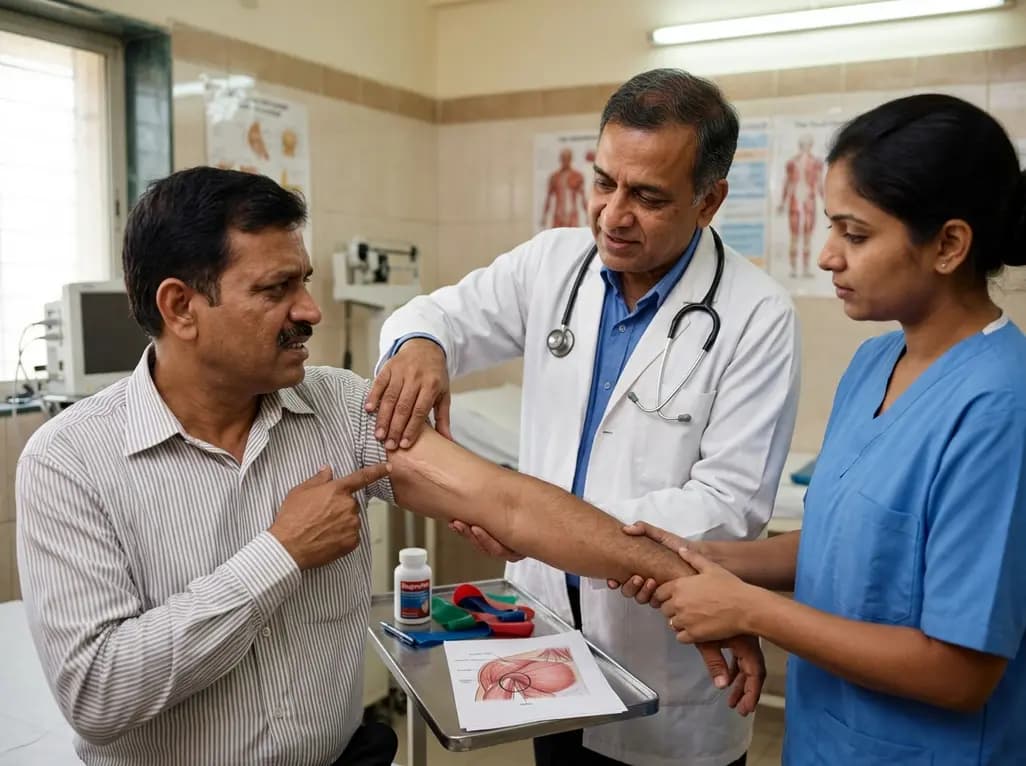
Idiopathic axillary web syndrome (IAWS) is a rare cause of shoulder pain and mobility restriction characterized by palpable axillary cording without prior surgery or trauma. Early diagnosis, nonsteroidal anti-inflammatory therapy, and physical rehabilitation lead to complete resolution of symptoms.
Today
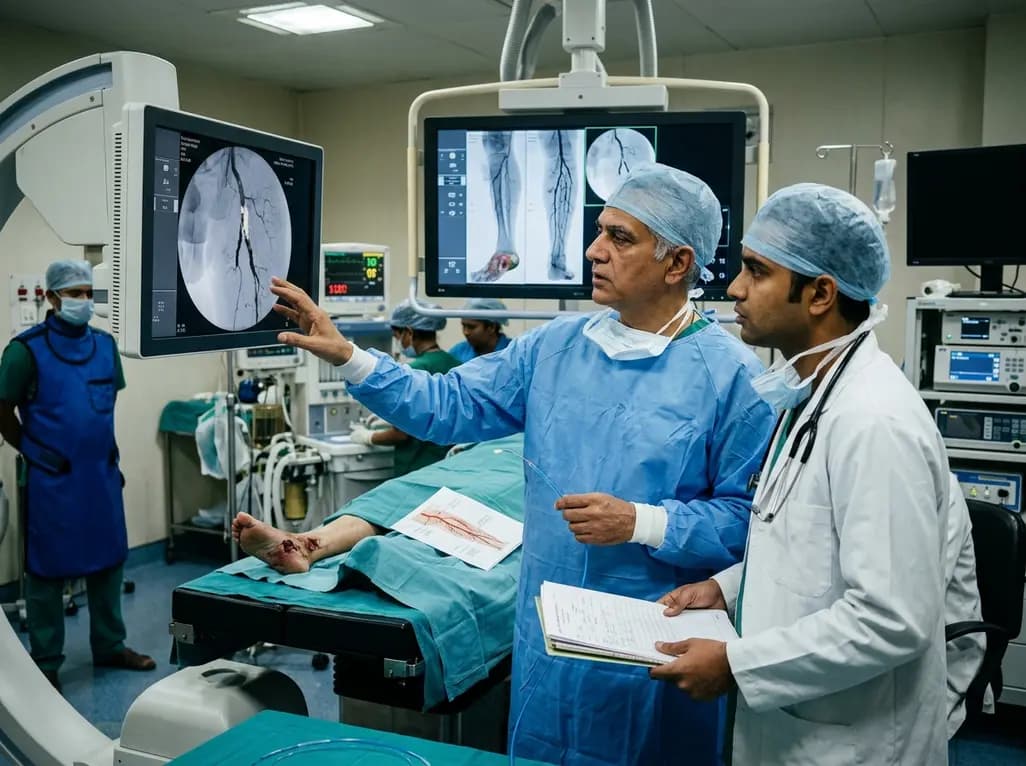
SWEDEPAD-1 trial insights show paclitaxel-coated devices do not improve long-term limb salvage in patients with chronic limb-threatening ischemia and tissue loss. While one-year reinterventions decreased, the devices were linked to a higher risk of major amputation at three months.
Today
