.webp&w=384&q=75)

Loading, please wait...
Loading, please wait...

Coronary artery bypass grafting remains a cornerstone of cardiovascular treatment in India. While surgical techniques have improved significantly over the years, postoperative pulmonary complications continue to pose a substantial challenge for surgical teams. These complications affect between 5% and 20% of patients, often leading to prolonged intensive care stays and increased healthcare costs. Identifying patients at high risk before they enter the operating room is crucial for achieving better clinical outcomes. Recent research has highlighted the predictive value of preoperative hematologic inflammation indices in this specific patient population. By examining simple blood test ratios like the neutrophil-to-lymphocyte ratio, clinicians can better anticipate respiratory difficulties. Furthermore, these biomarkers offer a cost-effective and readily available method for risk stratification in busy hospital settings. Consequently, they represent an accessible tool for improving the safety profile of elective cardiac procedures.
The neutrophil-to-lymphocyte ratio, platelet-to-lymphocyte ratio, and systemic immune-inflammation index represent different facets of the human immune response. Neutrophils act as primary responders to acute inflammation and tissue damage during surgery. In contrast, lymphocytes reflect the physiological stress response and the overall immune status of the individual. When the balance shifts toward higher neutrophil counts and lower lymphocyte counts, it indicates a heightened and potentially harmful inflammatory state. Similarly, the platelet-to-lymphocyte ratio provides unique insights into prothrombotic and inflammatory pathways that influence recovery. The systemic immune-inflammation index is even more comprehensive because it incorporates platelet, neutrophil, and lymphocyte counts into a single value. These indices have gained popularity because they are derived from routine complete blood counts performed during standard preoperative workups. Therefore, they do not require additional specialized testing or significant expenses for the patient or the hospital.
A recent retrospective cohort study involving 1,034 patients demonstrated a clear correlation between these markers and respiratory outcomes after surgery. Specifically, patients who developed postoperative pulmonary complications had significantly higher preoperative values across all three indices. For instance, the mean neutrophil-to-lymphocyte ratio in the complication group was 3.55, compared to 1.79 in the group without complications. The systemic immune-inflammation index showed a dramatic difference as well, with values of 825 versus 548. These findings suggest that hematologic inflammation indices serve as powerful indicators of a patient's underlying biological inflammatory burden. However, researchers noted that while all three markers were useful, certain ratios showed higher sensitivity than others in different clinical contexts. Using receiver operating characteristic curve analysis, the study established specific cut-off values that can help surgeons in daily clinical decision-making. Integrating these ratios into standard preoperative assessments could significantly improve the accuracy of current risk models.
While blood markers are invaluable, traditional clinical risk factors remain fundamental in predicting the success of cardiac surgery. The study identified age, smoking history, and chronic obstructive pulmonary disease as independent predictors of pulmonary complications. Older patients often have reduced physiological reserves and weakened respiratory muscles, making them more vulnerable to the stress of surgery. Smoking history is particularly problematic because it induces chronic inflammation in the airways and impairs natural mucociliary clearance. Furthermore, patients with pre-existing chronic obstructive pulmonary disease often experience exacerbated lung injury when exposed to the systemic inflammatory response triggered by the heart-lung machine. Consequently, combining clinical history with laboratory data creates a more holistic view of the patient's overall risk profile. Surgeons should pay particular attention to these comorbidities during the preoperative consultation phase to ensure safety. This dual approach ensures that high-risk individuals receive targeted interventions to mitigate potential respiratory failures during recovery.
The use of on-pump cardiopulmonary bypass is a double-edged sword in modern cardiac surgery. While it provides a stable, bloodless field for the surgeon, it also triggers a massive systemic inflammatory response. This phenomenon occurs when blood contacts the artificial surfaces of the bypass circuit, leading to the activation of leukocytes and the release of various cytokines. Consequently, the lungs are often the first organs to suffer from this systemic inflammatory storm. This condition, sometimes referred to as "pump lung," involves increased capillary permeability and pulmonary edema. Moreover, ischemia-reperfusion injury during the procedure further worsens tissue damage in the respiratory system. Therefore, patients who already have elevated inflammatory markers before surgery are more likely to experience severe lung dysfunction after the bypass procedure. Understanding this pathophysiological link is essential for developing new strategies to protect the lungs during and after the operation.
Clinicians can use these predictive tools to implement effective preoperative optimization strategies. For example, patients identified as high-risk could undergo prehabilitation, including intensive chest physiotherapy and structured smoking cessation programs. Additionally, anesthesiologists might choose specific lung-protective ventilation strategies or adjust fluid management to minimize postoperative lung strain. Furthermore, the early identification of risk allows for more vigilant monitoring in the intensive care unit following the procedure. This proactive approach can lead to earlier detection of common complications like atelectasis or hospital-acquired pneumonia. In conclusion, simple blood markers provide a valuable window into the patient's biological readiness for major cardiac surgery. By leveraging these hematologic data alongside clinical history, medical teams can personalize care pathways and improve the recovery experience for patients. Ultimately, this leads to better long-term outcomes and more efficient use of healthcare resources.
Hematologic inflammation indices are numerical ratios derived from routine blood tests, including the neutrophil-to-lymphocyte ratio (NLR), platelet-to-lymphocyte ratio (PLR), and systemic immune-inflammation index (SII). They are used in cardiac surgery because they reflect the patient's baseline systemic inflammatory state. High levels often indicate a greater risk of adverse outcomes, such as pulmonary complications, because they signal an overactive immune response that can exacerbate tissue damage during and after cardiopulmonary bypass.
Smoking significantly increases the risk of postoperative pulmonary complications by inducing chronic airway inflammation and impairing the lungs' natural cleaning mechanisms. It reduces mucociliary clearance, which makes it harder for patients to clear secretions after surgery. Additionally, smokers often have higher baseline levels of inflammatory markers. Consequently, they are more susceptible to pneumonia, atelectasis, and prolonged mechanical ventilation. Clinicians strongly recommend smoking cessation well before elective surgery to improve overall respiratory recovery.
The Systemic Immune-Inflammation Index (SII) is a comprehensive biomarker calculated by multiplying the neutrophil count by the platelet count and then dividing the result by the lymphocyte count. It is significant because it integrates information from three different immune pathways: acute inflammation, thrombosis, and the adaptive immune response. Studies show that a high SII is a potent predictor of poor outcomes, providing a more sensitive assessment of systemic inflammation than individual cell counts alone.
Disclaimer: This content is for informational and educational purposes only and does not constitute medical advice or a professional relationship. Always seek the advice of a qualified healthcare provider for any questions regarding a medical condition. Refer to the latest local and national guidelines for clinical practice.
References
Vezir Ö et al. Predictive value of preoperative hematologic inflammation indices (NLR, PLR, SII) and clinical risk factors in predicting postoperative pulmonary complications after elective isolated on-pump coronary artery bypass grafting: a retrospective cohort study of 1034 patients. J Cardiothorac Surg. 2026 Jul 18. doi: 10.1186/s13019-026-04541-8. PMID: 42471737.
Gungor H et al. The neutrophil-to-lymphocyte ratio as a predictor of early and late mortality in patients undergoing coronary artery bypass grafting. Heart, Lung and Circulation. 2015; 24(3): 245-251.
Mungan I et al. Systemic immune-inflammation index: a novel predictor of adverse outcomes in cardiac surgery patients. Journal of Cardiothoracic and Vascular Anesthesia. 2023; 37(8): 1420-1427.

Read summarized clinical updates, watch expert medical content, and earn CME certifications right from your smartphone.
Open your smartphone camera to scan and install.





This study explores how preoperative blood markers like NLR, PLR, and SII can predict postoperative pulmonary complications in CABG patients. By identifying high-risk individuals early, clinicians can optimize perioperative care and improve recovery outcomes in cardiac surgery.
2 months ago

The Food Safety and Standards Authority of India has issued draft regulations prohibiting the sale and manufacture of non-dairy imitation substitutes as paneer. This nationwide regulatory action aims to eliminate consumer deception, protect dietary protein quality, and curtail lipid-related metabolic risks.
Today
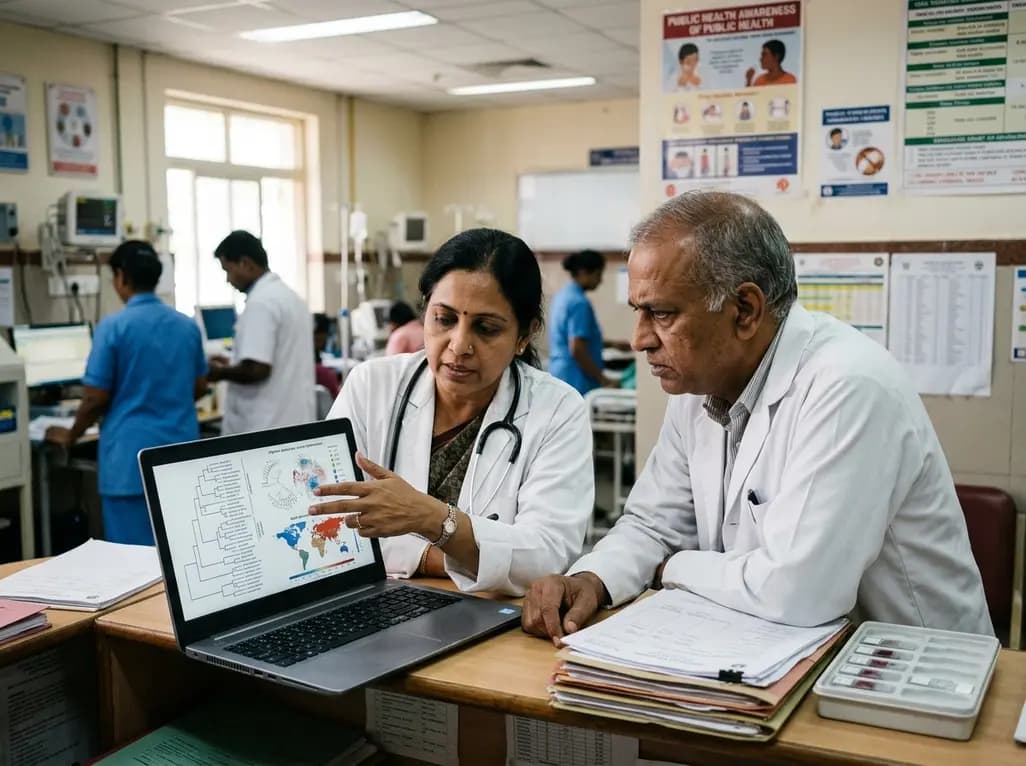
A landmark Lancet Oncology Commission reveals profound global disparities in cancer genetic testing and precision medicine. While molecular therapies expand rapidly, access remains heavily concentrated in high-income nations, leaving millions of eligible cancer patients in developing regions without care.
Today

Managing refractory hypoxemia after cardiothoracic surgery becomes perilous when prolonged air leak limits positive-pressure ventilation. This case-based review details how high-flow nasal cannula, paired with awake rehabilitation, enabled successful extubation and avoided invasive re-intubation.
Today
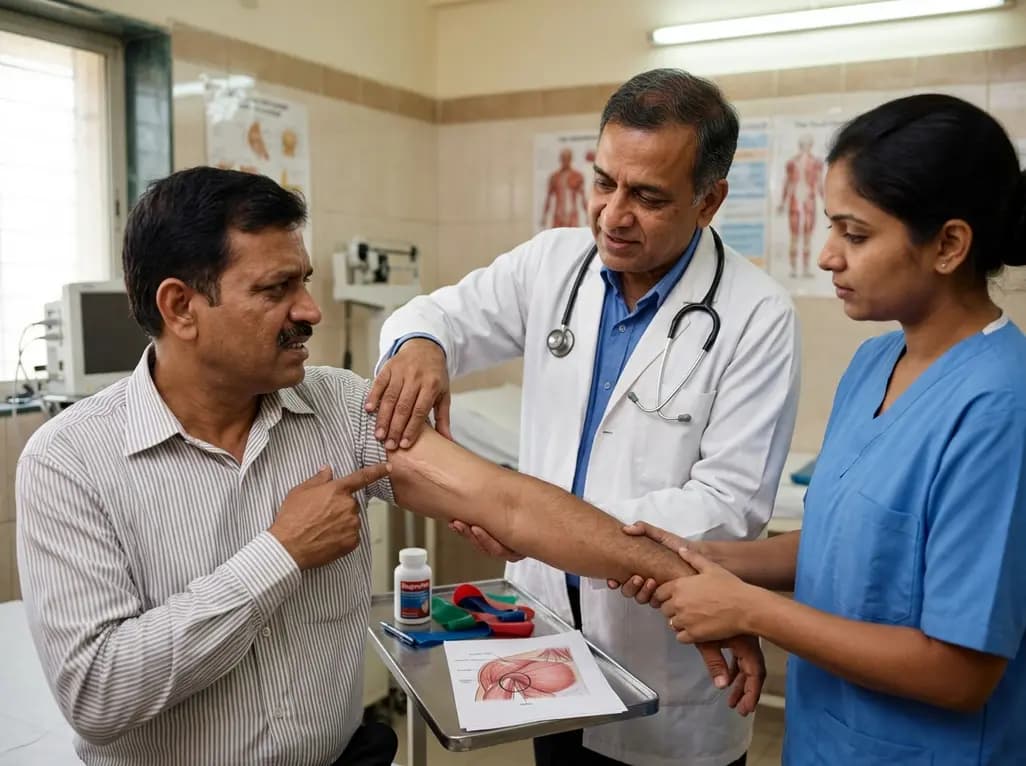
Idiopathic axillary web syndrome (IAWS) is a rare cause of shoulder pain and mobility restriction characterized by palpable axillary cording without prior surgery or trauma. Early diagnosis, nonsteroidal anti-inflammatory therapy, and physical rehabilitation lead to complete resolution of symptoms.
Today
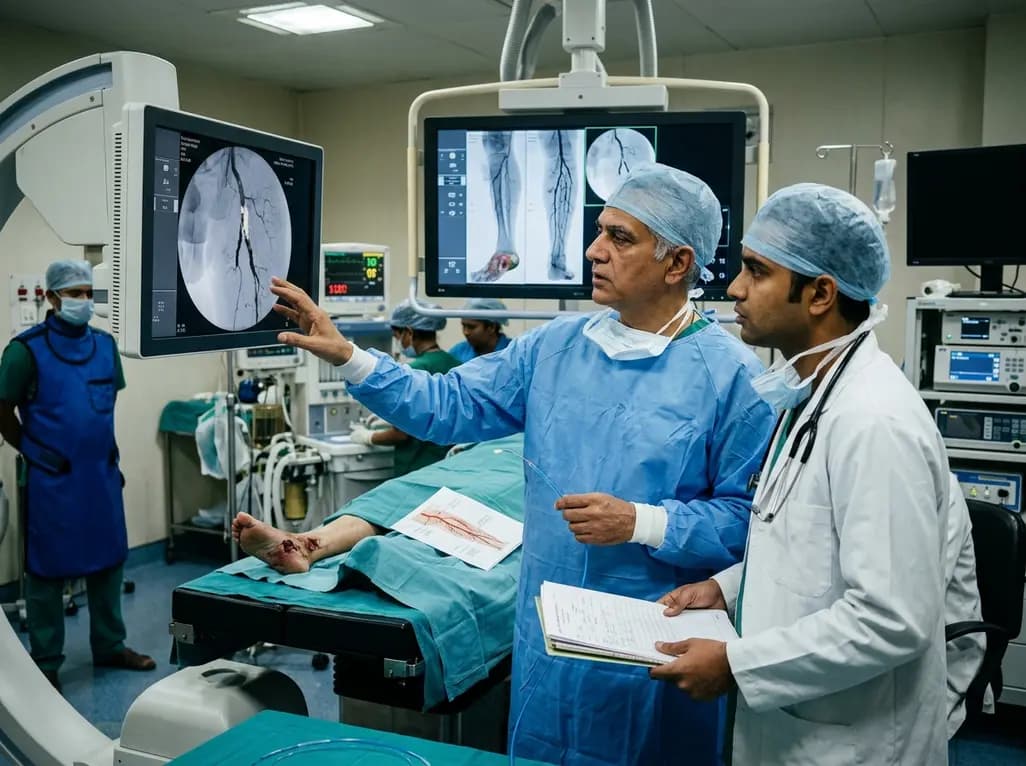
SWEDEPAD-1 trial insights show paclitaxel-coated devices do not improve long-term limb salvage in patients with chronic limb-threatening ischemia and tissue loss. While one-year reinterventions decreased, the devices were linked to a higher risk of major amputation at three months.
Today
