.webp&w=384&q=75)

Loading, please wait...
Loading, please wait...
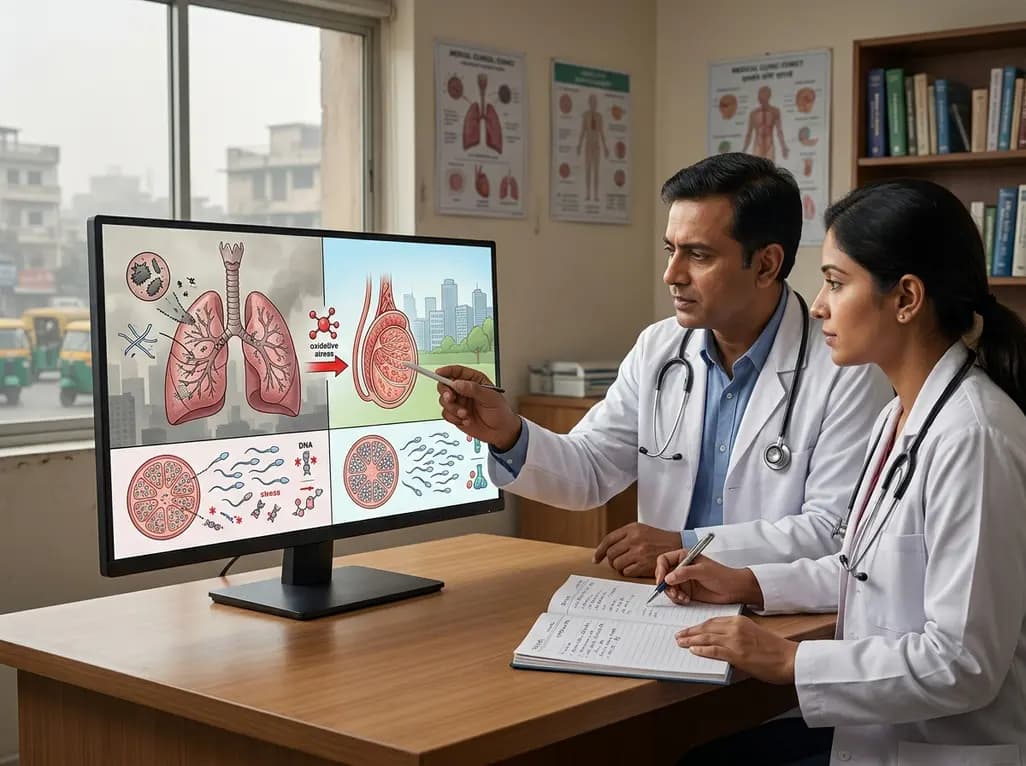
Male infertility represents an escalating global health crisis, with environmental factors now recognized as primary contributors to declining reproductive potential. In recent years, clinicians have observed a marked reduction in semen quality across diverse populations, particularly in industrial and urban centers where air quality remains poor. This phenomenon is no longer considered a localized issue but rather a significant public health challenge that necessitates urgent medical attention. Furthermore, contemporary research spanning from 2020 to 2026 suggests that the link between air pollution and male infertility is driven by complex molecular interactions. While many factors contribute to subfertility, airborne pollutants emerge as particularly insidious due to their ubiquitous nature and persistent presence in the environment. Specifically, the inhalation of toxic particles triggers systemic physiological changes that ultimately manifest in the reproductive system. Consequently, understanding these mechanisms is essential for healthcare providers in regions like India, where pollution levels frequently exceed international safety limits. This article explores the multifaceted relationship between atmospheric contaminants and testicular dysfunction, highlighting the central role of oxidative damage.
The relationship between air pollution and male infertility is primarily mediated through the induction of oxidative stress within the testicular microenvironment. When individuals inhale fine particulate matter and gaseous compounds, these toxins enter the bloodstream and trigger a systemic inflammatory response. Moreover, these pollutants facilitate the excessive production of reactive oxygen species (ROS) that overwhelm the body's natural antioxidant defenses. Because spermatozoa possess high levels of polyunsaturated fatty acids in their cell membranes, they are exceptionally vulnerable to lipid peroxidation. As a result, this oxidative cascade damages the structural integrity of the sperm and impairs mitochondrial function. In addition, persistent oxidative stress leads to significant sperm DNA fragmentation, which compromises genetic integrity and reduces the likelihood of successful fertilization. Furthermore, chronic exposure to pollutants like nitrogen dioxide and sulfur dioxide exacerbates cellular damage by promoting pro-inflammatory cytokine release. Therefore, the resulting state of testicular oxidative stress acts as a central driver for the decline in reproductive health. Clinicians must recognize that these molecular changes often precede clinical symptoms, making early intervention critical for preserving fertility in exposed populations.
Particulate matter, especially PM2.5, poses a unique threat to reproductive health due to its ability to bypass biological barriers. These microscopic particles carry heavy metals and polycyclic aromatic hydrocarbons directly into the circulatory system. Subsequently, research indicates that these particles can cross the blood-testis barrier (BTB), a specialized structure designed to protect developing germ cells from systemic toxins. When the BTB is breached, the testicular environment becomes compromised, leading to direct cellular toxicity. For instance, pollutants can induce apoptosis in Sertoli and Leydig cells, which are essential for maintaining spermatogenesis and testosterone production. Furthermore, the disruption of these vital cells leads to an imbalance in the hypothalamic-pituitary-testicular (HPT) axis. This hormonal disruption further compounds the reproductive challenges faced by men in high-pollution environments. In addition to structural damage, the presence of these foreign particles triggers local immune responses that may result in autoimmune-like reactions against sperm. Consequently, the combination of physical barrier disruption and immune activation creates a hostile environment for sperm development. Such findings emphasize the need for integrated clinical strategies to monitor patients residing in heavily polluted geographic regions.
In addition to traditional pollutants, emerging research has identified microplastics as a significant risk factor for male reproductive failure. Recent studies have detected these plastic fragments within human testicular tissue, raising alarms about their long-term toxicological effects. Microplastics act as vectors for endocrine-disrupting chemicals (EDCs), which can interfere with normal androgen signaling. Furthermore, these particles promote chronic inflammation within the testes, leading to the depletion of essential antioxidants like glutathione. Similarly, polycyclic aromatic hydrocarbons (PAHs) found in industrial emissions bind to aryl hydrocarbon receptors, further disrupting the delicate hormonal balance required for sperm production. Because these compounds mimic natural hormones, they can cause a significant decline in serum testosterone levels. This endocrine disruption not only affects sperm count but also impairs libido and sexual function. Moreover, the cumulative effect of various chemical interactions often leads to more severe reproductive outcomes than exposure to a single pollutant. Therefore, it is increasingly clear that the modern environment presents a chemical cocktail that significantly undermines male reproductive capacity. Healthcare providers should consider environmental exposure history as a standard component of any fertility workup to address these hidden risks.
The epidemiological evidence linking air pollution and male infertility is reflected in consistently declining semen parameters among exposed individuals. High levels of atmospheric pollution are strongly associated with reduced sperm concentration, impaired motility, and abnormal morphology. Specifically, the induction of oxidative stress leads to a decrease in progressive motility, as sperm cells lose the energy required to traverse the female reproductive tract. In addition, morphological abnormalities often increase as the developing germ cells are exposed to toxins during the early stages of spermatogenesis. Furthermore, many studies have demonstrated a direct correlation between the duration of exposure and the severity of sperm DNA damage. This genetic instability not only reduces natural conception rates but also increases the risk of miscarriage and developmental issues in offspring. Moreover, men living in urban areas with high nitrogen dioxide levels often exhibit lower sperm counts compared to those in cleaner environments. Consequently, the clinical impact of pollution extends beyond the individual to affect broader population growth and health trends. Addressing these challenges requires a shift toward proactive reproductive care and the adoption of lifestyle modifications to minimize pollutant exposure.
Managing the risks of air pollution on male fertility requires a multi-pronged approach involving both environmental control and medical intervention. While large-scale pollution control is a policy-driven endeavor, clinicians can offer individual strategies to mitigate reproductive damage. For instance, the administration of high-dose antioxidant therapy has shown promise in reducing the systemic effects of oxidative stress. Specifically, supplements containing Vitamin C, Vitamin E, Zinc, and Coenzyme Q10 may help neutralize ROS and protect sperm membrane integrity. Furthermore, lifestyle adjustments such as using high-quality air purifiers at home and avoiding outdoor exercise during peak pollution hours can significantly reduce the toxic burden. Clinicians should also encourage regular monitoring of semen quality and oxidative stress markers in patients residing in high-risk zones. In addition, providing education about the sources of pollutants, including indoor air quality and plastic use, empowers patients to make safer choices. Ultimately, integrating environmental medicine into reproductive clinics will be vital for improving outcomes in the coming decades. By combining clinical expertise with preventive measures, we can better protect the reproductive health of future generations against the silent threat of atmospheric pollution.
Particulate matter with a diameter of 2.5 micrometers or less is small enough to penetrate deep into the pulmonary alveoli and enter the bloodstream. Once in circulation, these particles can reach the testes. Although the blood-testis barrier provides significant protection, chronic exposure and the inflammatory response induced by these particles can increase barrier permeability. This allows toxins and heavy metals attached to the particles to infiltrate the sensitive germ cell environment and cause damage.
Current evidence suggests that some degree of recovery is possible if the source of pollution exposure is removed or significantly reduced. Since the cycle of spermatogenesis takes approximately 72 to 90 days, avoiding high-pollution areas or using air filtration systems can lead to improvements in semen parameters over several months. However, chronic long-term exposure may cause permanent damage to the testicular architecture or lead to epigenetic changes that are more difficult to reverse through standard interventions.
Antioxidant therapy is a valuable adjunctive treatment for mitigating pollution-induced oxidative stress. Supplements like N-acetylcysteine, Selenium, and Lycopene help replenish the body's natural defenses and reduce lipid peroxidation in sperm cells. While these interventions can improve sperm motility and reduce DNA fragmentation, they are most effective when combined with lifestyle changes that minimize further toxic exposure. Patients should consult their healthcare provider to determine the appropriate dosage and combination of antioxidants for their specific needs.
Disclaimer: This content is for informational and educational purposes only. It is not intended as a substitute for professional medical advice, diagnosis, or treatment. Always seek the advice of your physician or other qualified health provider with any questions you may have regarding a medical condition. Refer to the latest local and national guidelines for clinical practice.
References
Fatoba AT et al. Oxidative Stress Induced by Air Pollutants and Its Role in Testicular Dysfunction. J Appl Toxicol. 2026 Jul 18. doi: 10.1002/jat.70352. PMID: 42470213.
Omolaoye TS, du Plessis SS, Ramsay M. Implications of exposure to air pollution on male reproduction. Antioxidants. 2024;13(1):92.
Wang Y, Fu X, Li H. Mechanisms of oxidative stress-induced sperm dysfunction. Front Endocrinol. 2025;16:1520835.
Gao Y, et al. The silent threat: PM2.5-associated challenges in male reproductive health. Arch Toxicol. 2026;100(3):793-809.
"
Read summarized clinical updates, watch expert medical content, and earn CME certifications right from your smartphone.
Open your smartphone camera to scan and install.





Male infertility is a growing global health concern. This clinical review examines how airborne pollutants, including particulate matter and microplastics, induce oxidative stress and impair testicular function, leading to reduced sperm quality and hormonal imbalance.
2 months ago
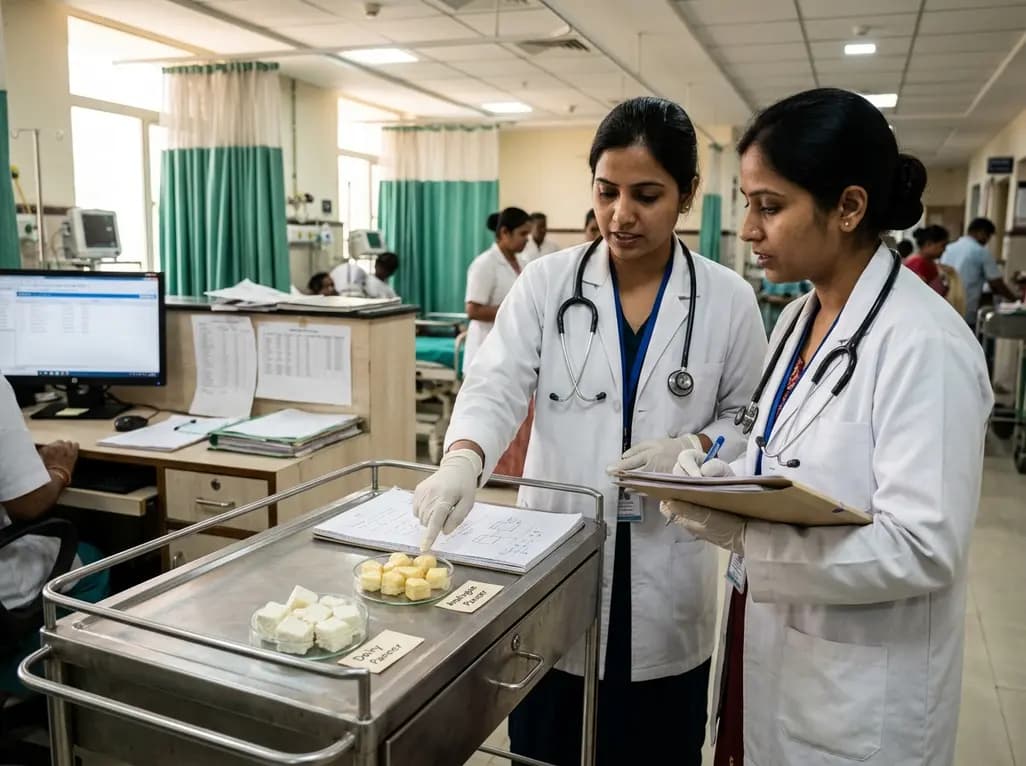
The Food Safety and Standards Authority of India has issued draft regulations prohibiting the sale and manufacture of non-dairy imitation substitutes as paneer. This nationwide regulatory action aims to eliminate consumer deception, protect dietary protein quality, and curtail lipid-related metabolic risks.
Today
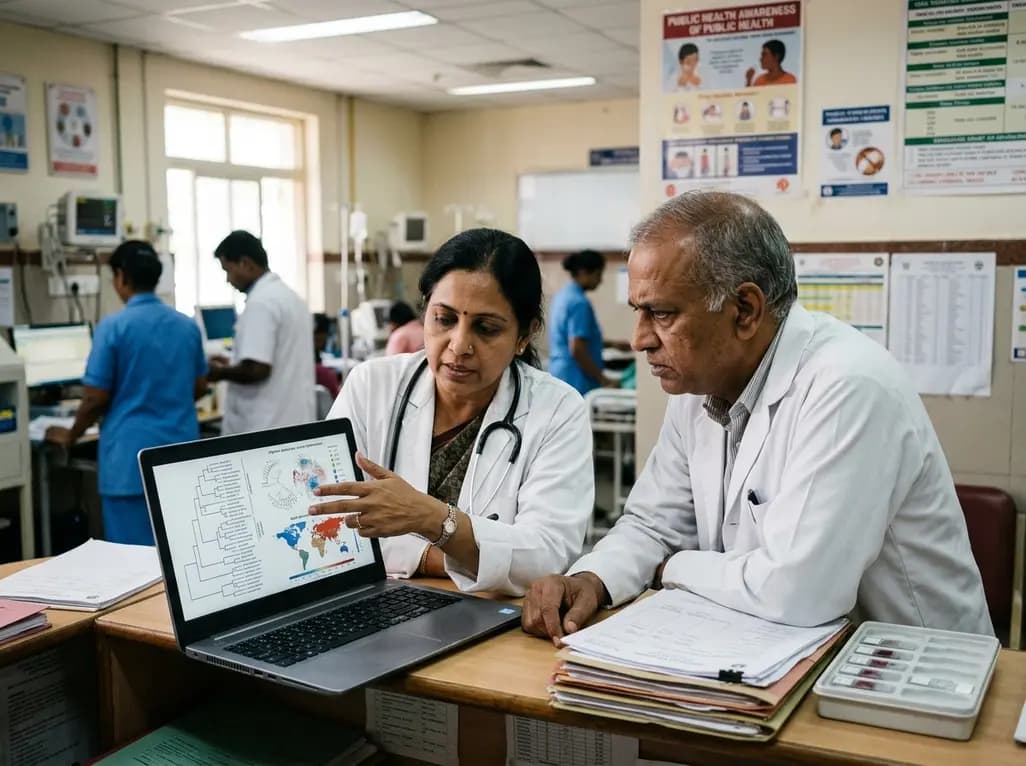
A landmark Lancet Oncology Commission reveals profound global disparities in cancer genetic testing and precision medicine. While molecular therapies expand rapidly, access remains heavily concentrated in high-income nations, leaving millions of eligible cancer patients in developing regions without care.
Today

Managing refractory hypoxemia after cardiothoracic surgery becomes perilous when prolonged air leak limits positive-pressure ventilation. This case-based review details how high-flow nasal cannula, paired with awake rehabilitation, enabled successful extubation and avoided invasive re-intubation.
Today
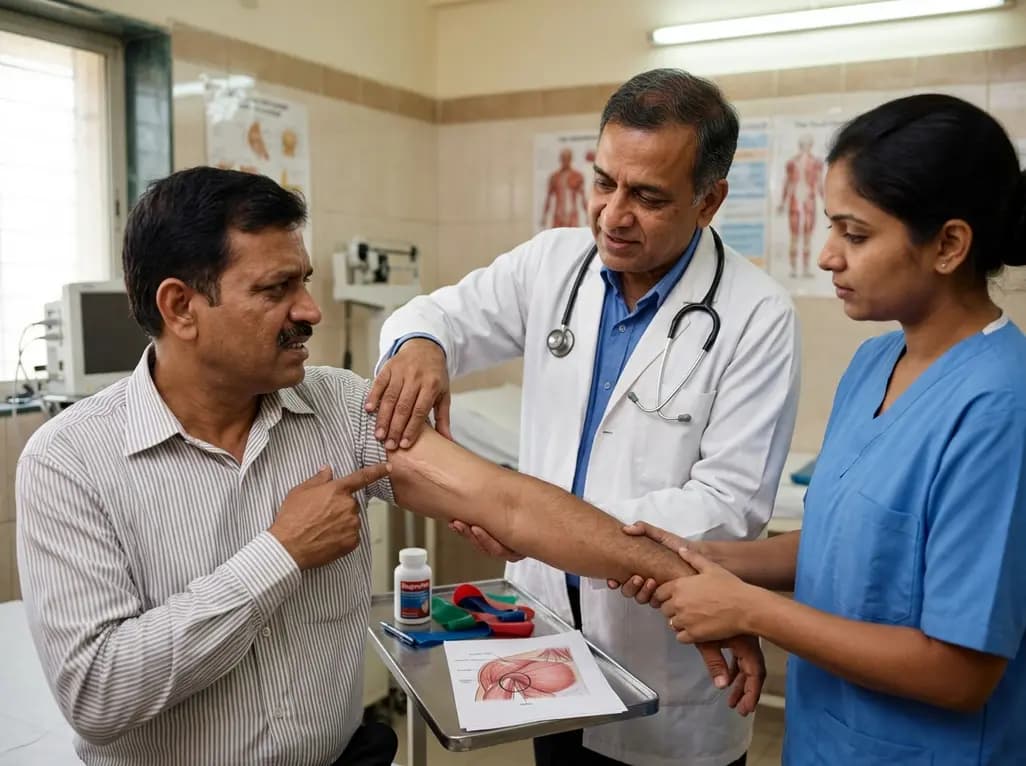
Idiopathic axillary web syndrome (IAWS) is a rare cause of shoulder pain and mobility restriction characterized by palpable axillary cording without prior surgery or trauma. Early diagnosis, nonsteroidal anti-inflammatory therapy, and physical rehabilitation lead to complete resolution of symptoms.
Today
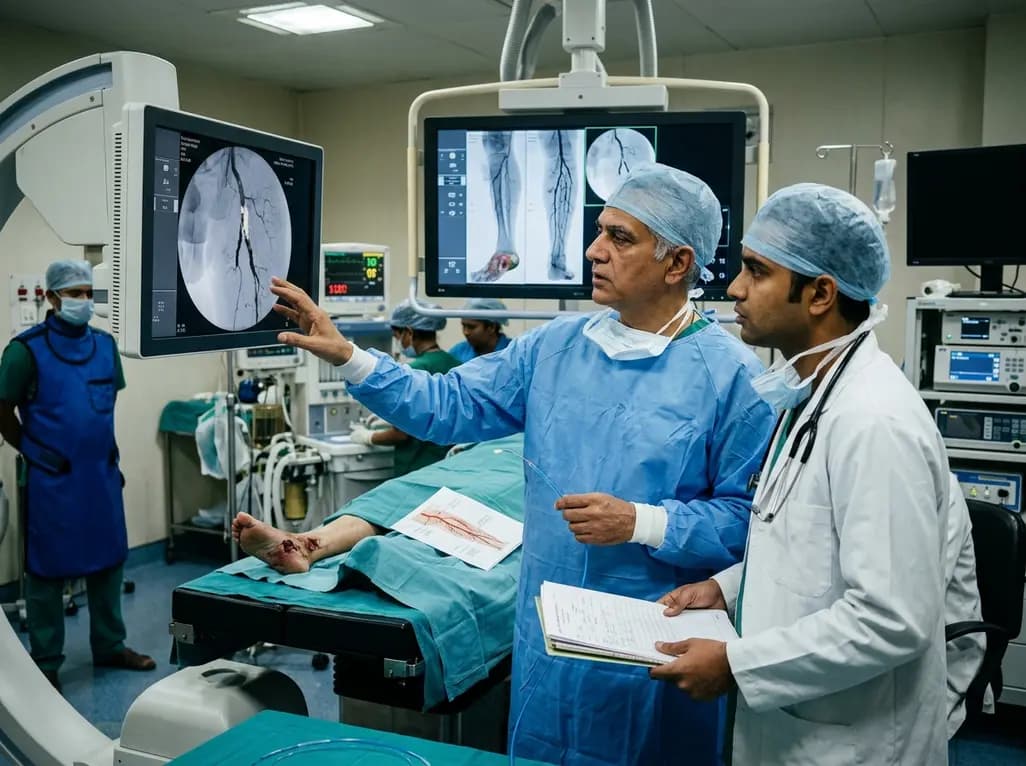
SWEDEPAD-1 trial insights show paclitaxel-coated devices do not improve long-term limb salvage in patients with chronic limb-threatening ischemia and tissue loss. While one-year reinterventions decreased, the devices were linked to a higher risk of major amputation at three months.
Today
