.webp&w=384&q=75)

Loading, please wait...
Loading, please wait...
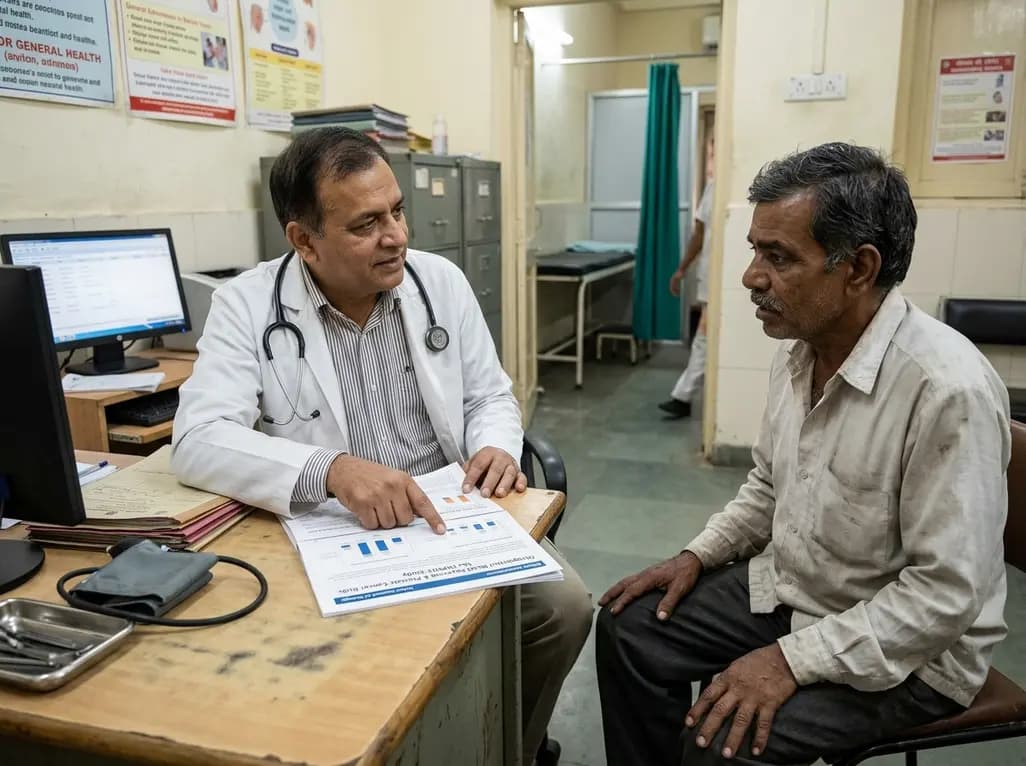
Prostate cancer remains one of the most prevalent malignancies among men globally, with significant variations in incidence linked to both genetic and environmental factors. While age and family history are well-established non-modifiable risk factors, the role of environmental and workplace hazards continues to be a subject of intense scientific inquiry. Recent research suggests that occupational metal exposure prostate cancer links may be more specific than previously understood, particularly regarding the aggressiveness of the tumor. Many industrial processes involve the handling of heavy metals, yet the epidemiological evidence connecting these exposures to specific cancer stages has often been inconsistent or limited in scope. The CAPLIFE study provides a modern lens through which we can view these risks, focusing on how lifetime exposure to specific metals influences not just the presence of cancer, but its clinical severity.
The CAPLIFE study, a comprehensive case-control investigation, sought to clarify the murky relationship between metal handling in the workplace and prostate cancer development. Researchers recruited 464 men diagnosed with prostate cancer and 428 controls to evaluate how chromium, nickel, iron, and lead impact health over a lifetime. Unlike many previous studies that only looked at whether a person was ever exposed, this research utilized the Spanish job-exposure matrix, known as MatEmESp. This tool allowed for a much more nuanced estimation of exposure intensity and duration. By categorizing exposure into ever versus never, lifetime cumulative exposure, and total duration in years, the researchers were able to identify specific patterns of risk that might otherwise remain hidden in broad datasets. This detailed approach is essential for identifying high-risk populations in industrial sectors like metallurgy, construction, and chemical manufacturing.
A pivotal finding of the CAPLIFE study is the distinction between overall prostate cancer risk and the risk of developing aggressive, advanced-stage disease. Interestingly, the researchers found no significant association between individual metal exposure and the overall incidence of prostate cancer across the entire cohort. However, when the data was stratified by tumor stage and International Society of Urological Pathology (ISUP) grade, a different picture emerged. For men with locally advanced or metastatic tumors, the odds of having been exposed to metals like chromium, nickel, and iron were significantly higher. Specifically, chromium and iron showed notable associations with more severe disease presentations. This suggests that while these metals might not be the primary drivers of localized, low-grade tumors, they may play a critical role in the biological pathways that lead to tumor progression and metastasis. Consequently, clinicians must consider a patient's occupational history when assessing the potential for aggressive disease progression.
Among the various metals studied, nickel emerged as the most significant contributor to advanced prostate cancer risk. The data indicated that men with any history of nickel exposure had nearly double the odds of presenting with locally advanced or metastatic disease. Even more striking were the results for lifetime cumulative exposure and duration of exposure; those in the highest tertiles saw their risk triple. Specifically, the adjusted odds ratio for high lifetime cumulative exposure reached 3.53, while long-duration exposure showed an odds ratio of 3.58. Furthermore, in the multi-metal mixture analysis using Quantile g-Computation models, nickel was the only metal that maintained a consistently positive weight in the risk association. This identifies nickel as a potent occupational hazard that warrants specific attention in industrial hygiene and worker health surveillance programs. The biological mechanism likely involves nickel's ability to induce oxidative stress and interfere with DNA repair mechanisms within prostatic tissue.
In real-world industrial settings, workers are rarely exposed to a single metal in isolation. Instead, they often encounter a "cocktail" of substances during various manufacturing and welding processes. The CAPLIFE study addressed this reality by analyzing the joint effects of multiple metals. The results showed that combined exposure to chromium, nickel, iron, and lead was associated with a 41% increase in the odds of locally advanced or metastatic prostate cancer for every quartile increase in the metal mixture. This joint effect highlights the importance of cumulative toxicity in occupational oncology. Notably, even if individual metal levels remain below certain regulatory thresholds, the synergistic effect of multiple exposures can still pose a substantial health risk. Therefore, preventive strategies must move beyond monitoring single elements and focus on the total burden of metallic exposure in the workplace to effectively protect male reproductive and urological health.
The findings of the CAPLIFE study have significant implications for public health and clinical practice, particularly in countries with large industrial sectors. While the results should be interpreted with caution due to the use of a job-exposure matrix rather than direct biomarkers, they provide a strong rationale for enhanced screening protocols for workers in high-risk trades. Implementing regular urological check-ups and PSA monitoring for men in the metalworking, mining, and chemical industries could facilitate earlier detection of aggressive cancers. Additionally, improving workplace ventilation, providing adequate personal protective equipment, and strictly adhering to occupational safety guidelines are essential steps in reducing the long-term risk. Occupational health specialists and urologists should collaborate to ensure that men with significant metal exposure histories receive appropriate counseling regarding their increased risk of advanced prostate cancer, ultimately aiming to reduce the burden of metastatic disease through prevention and early intervention.
Nickel exposure is believed to promote advanced prostate cancer through several complex biological mechanisms. It can trigger the production of reactive oxygen species, leading to significant oxidative stress and subsequent DNA damage within prostate cells. Furthermore, nickel can inhibit essential DNA repair enzymes and alter gene expression related to tumor suppression. This environment facilitates the progression of malignant cells into more aggressive, metastatic forms, as demonstrated by the significantly higher odds ratios found in the CAPLIFE study for advanced disease stages.
This distinction suggests that certain occupational metals act as "promoters" rather than "initiators" of cancer. While they may not cause the initial development of a localized tumor, they may exacerbate the biological environment to favor aggressive growth and metastasis. Many localized prostate cancers are slow-growing and may never become clinically significant. However, exposure to chromium, nickel, and iron appears to specifically correlate with the more dangerous, locally advanced or metastatic stages, which require more intensive clinical management and carry a poorer prognosis.
Workers in industries involving metal processing should strictly follow all safety protocols to minimize inhalation and skin contact with metal dust and fumes. This includes the consistent use of high-quality respirators, protective clothing, and proper hygiene practices like washing hands before eating. Additionally, workers should participate in employer-sponsored health surveillance programs. Informing a primary care physician about a long-term history of metal exposure is also vital, as it may influence the frequency and starting age of prostate cancer screening and monitoring.
Disclaimer: This content is for informational and educational purposes only and does not constitute professional medical advice, diagnosis, or treatment. Always seek the advice of your physician or other qualified healthcare provider with any questions you may have regarding a medical condition. Refer to the latest local and national guidelines for clinical practice.
References
Olmedo-Requena R et al. Occupational exposure to metals and prostate cancer: CAPLIFE study. Cancer Epidemiol. 2026 Jul 17. doi: undefined. PMID: 42468082.
"
Read summarized clinical updates, watch expert medical content, and earn CME certifications right from your smartphone.
Open your smartphone camera to scan and install.





The CAPLIFE study investigates the association between occupational exposure to metals like nickel, chromium, and iron with prostate cancer risk. Findings suggest a significant link between these metals and locally advanced or metastatic disease, highlighting the need for better occupational health monitoring.
2 months ago

The Food Safety and Standards Authority of India has issued draft regulations prohibiting the sale and manufacture of non-dairy imitation substitutes as paneer. This nationwide regulatory action aims to eliminate consumer deception, protect dietary protein quality, and curtail lipid-related metabolic risks.
Today

A landmark Lancet Oncology Commission reveals profound global disparities in cancer genetic testing and precision medicine. While molecular therapies expand rapidly, access remains heavily concentrated in high-income nations, leaving millions of eligible cancer patients in developing regions without care.
Today

Managing refractory hypoxemia after cardiothoracic surgery becomes perilous when prolonged air leak limits positive-pressure ventilation. This case-based review details how high-flow nasal cannula, paired with awake rehabilitation, enabled successful extubation and avoided invasive re-intubation.
Today

Idiopathic axillary web syndrome (IAWS) is a rare cause of shoulder pain and mobility restriction characterized by palpable axillary cording without prior surgery or trauma. Early diagnosis, nonsteroidal anti-inflammatory therapy, and physical rehabilitation lead to complete resolution of symptoms.
Today

SWEDEPAD-1 trial insights show paclitaxel-coated devices do not improve long-term limb salvage in patients with chronic limb-threatening ischemia and tissue loss. While one-year reinterventions decreased, the devices were linked to a higher risk of major amputation at three months.
Today
