.webp&w=384&q=75)

Loading, please wait...
Loading, please wait...
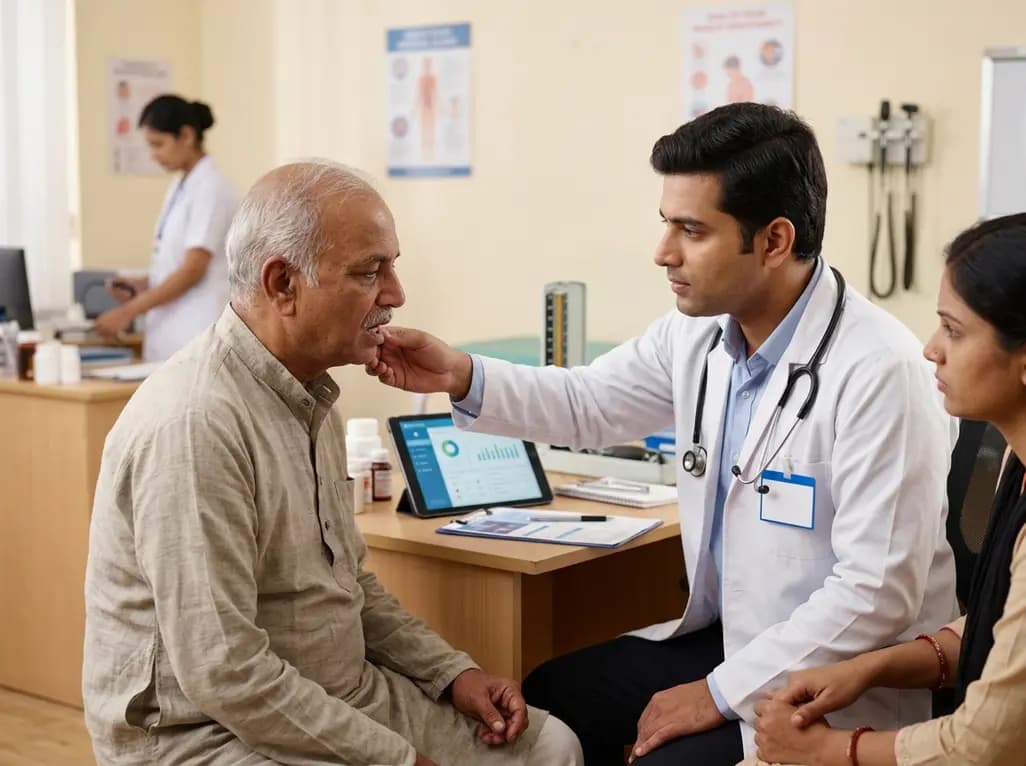
Managing the health of an aging population requires a comprehensive understanding of both physical and psychological well-being. As life expectancy increases globally, clinicians frequently encounter patients who struggle with multiple co-morbidities. Consequently, identifying the root causes of depressive symptoms in elderly patients has become a priority for healthcare providers. This task is especially vital for those managing chronic diseases, as mental health often dictates the success of physical treatments. Recent research indicates that mental health is not influenced solely by biological factors. Instead, it is shaped by a complex interplay of physical functionality, social environment, and modern technological challenges. Furthermore, elderly individuals with chronic conditions are more susceptible to mood disorders because their daily lives are often restricted by physical limitations. Therefore, a multidimensional assessment is necessary to provide effective interventions. By examining variables such as oral health and digital literacy, physicians can better understand the holistic needs of their patients. This approach moves beyond traditional symptom management toward a more integrated model of geriatric care. Ultimately, addressing these subtle factors can significantly enhance the quality of life for seniors navigating the complexities of chronic illness in an increasingly digital world.
Oral health is frequently overlooked in routine psychiatric assessments, yet it plays a critical role in nutritional status and psychological confidence. Oral frailty encompasses a decline in masticatory function, swallowing issues, and overall poor dental hygiene. Specifically, the study found that oral frailty is associated with significantly higher odds of experiencing depressive symptoms in elderly individuals. When seniors experience difficulty in chewing or speaking, they may avoid social situations involving food, leading to isolation. Moreover, the physiological link between oral health and systemic inflammation could potentially exacerbate mood disorders. In clinical settings, the Oral Frailty Index-8 serves as a useful tool for identifying these risks early. Because oral function is essential for maintaining a varied diet, its decline often leads to malnutrition, which is a known risk factor for depression. Additionally, the psychological burden of losing dental function can diminish a patient's self-image and sense of autonomy. Consequently, dentists and geriatricians must collaborate to ensure that oral health is monitored as part of a mental health screening protocol. Integrated care that prioritizes dental interventions may provide a novel pathway for reducing the prevalence of depressive episodes in older adults with chronic diseases.
Interpersonal relationships and community engagement act as a significant defense against the development of depressive symptoms in elderly populations. For those living with chronic diseases, the presence of a strong social network can mitigate the stress of managing long-term health issues. In fact, research consistently shows a negative correlation between high social support and the likelihood of depressive symptoms. When seniors feel valued and supported by family or friends, they are more likely to adhere to medical regimens and maintain a positive outlook. Conversely, social isolation often exacerbates the symptoms of chronic illnesses, creating a downward spiral of declining health and worsening mood. The Oslo Social Support Scale-3 provides clinicians with a rapid method to gauge the adequacy of a patient's social environment. Furthermore, social support encourages physical activity and intellectual stimulation, both of which are neuroprotective. Therefore, healthcare providers should inquire about a patient's living situation and social interactions during every visit. Encouraging participation in community groups or facilitating family involvement can be as therapeutic as pharmacological interventions. By strengthening these social bonds, we can create a resilient foundation for elderly patients, helping them navigate the psychological challenges associated with aging and chronic disease management.
As the healthcare landscape becomes increasingly digitized, the fear of technology has emerged as a distinct risk factor for depressive symptoms in elderly patients. Technophobia, which includes techno-anxiety and privacy concerns, can leave older adults feeling excluded from modern society. Specifically, those who struggle with digital tools may find it difficult to access telehealth services or manage online pharmacy orders. This exclusion can lead to a sense of helplessness and increased anxiety, which are core components of depression. Interestingly, the research highlighted that privacy concerns regarding data security are particularly troubling for this demographic. While technology aims to bridge gaps in care, for many seniors, it creates a new barrier to maintaining their independence. Furthermore, the pressure to adapt to rapidly changing interfaces can be overwhelming for someone already dealing with cognitive or physical decline. As a result, clinicians must be sensitive to the digital literacy of their patients when recommending health-related apps or portals. Providing simplified instructions or involving younger caregivers in the technological aspects of care can reduce this burden. Addressing technophobia is not merely about digital inclusion; it is about ensuring that technology does not become a source of psychological distress for the very people it is meant to serve.
For medical professionals in India and beyond, the findings of this study underscore the necessity of a holistic approach to geriatric medicine. When treating depressive symptoms in elderly individuals, focusing on a single diagnosis is rarely sufficient. Instead, clinicians should consider the synergistic effects of oral health, social networks, and technological adaptability. For instance, a patient with diabetes may experience worse mental health outcomes if they also suffer from oral frailty and digital isolation. Therefore, using standardized screening tools like the PHQ-9 alongside oral and social assessments can provide a more accurate clinical picture. Moreover, the transition to digital health must be accompanied by educational support for older patients to prevent techno-anxiety. Specifically, primary care physicians are in a unique position to identify these subtle risk factors during regular follow-ups. By recognizing that oral health and social connectivity are intertwined with mental well-being, doctors can design more effective, patient-centered care plans. This multidisciplinary strategy not only addresses the immediate depressive symptoms but also tackles the underlying stressors that contribute to mood decline. Ultimately, the goal is to foster a comprehensive care environment where physical and mental health are treated with equal importance and care.
To improve outcomes for older adults, healthcare systems must implement targeted interventions that address the diverse factors influencing depressive symptoms in elderly patients. Community-based programs that combine nutritional support with social activities can address both oral frailty and isolation simultaneously. Furthermore, digital literacy workshops specifically designed for seniors can empower them to use health technologies without fear. Such interventions help bridge the digital divide and reduce the anxiety associated with technophobia. Additionally, dental check-ups should be integrated into the routine management of chronic diseases to ensure oral function is maintained. Consequently, medical education should emphasize the importance of these non-traditional risk factors in geriatric mental health. By adopting a proactive stance, healthcare providers can prevent the onset of severe depression and improve the overall functionality of their patients. Long-term studies are still needed to determine the most effective intervention strategies for different cultural contexts. However, the current evidence suggests that a broad, inclusive approach to health assessment is the most promising path forward. Through collaborative efforts across various medical specialties, we can significantly enhance the well-being of the elderly population in our communities today.
Oral frailty impacts mental health by restricting nutritional intake and limiting social interactions. When seniors find it difficult to chew or swallow, they may experience physical weakness and avoid communal dining, leading to social isolation. These physical and social limitations are significant contributors to depressive symptoms in elderly individuals. Addressing oral health through regular dental care can therefore improve both nutritional status and psychological well-being in this vulnerable population.
Technophobia in older adults typically manifests as techno-anxiety, which is a generalized fear of using digital devices, and specific privacy concerns regarding personal data. These fears can prevent patients from utilizing essential digital health services, leading to feelings of exclusion and helplessness. Clinicians should assess a patient's comfort level with technology before recommending digital tools to ensure that these modern advancements do not inadvertently increase the patient's stress levels.
Social support is a negative predictor because high levels of support are associated with lower odds of developing depression. Perceived support from family and friends acts as a psychological buffer against the stressors of chronic illness and aging. It provides emotional validation and practical assistance, which helps seniors maintain a sense of purpose and belonging. Consequently, strengthening social networks is a vital strategy for preventing depressive symptoms in elderly patients with chronic conditions.
Disclaimer: This content is for informational and educational purposes only. It does not constitute medical advice or establish a doctor-patient relationship. Always seek the advice of a qualified healthcare provider regarding any medical condition or treatment. Refer to the latest local and national guidelines for clinical practice.
References
Xu W et al. Association of oral frailty, social support, and technophobia with depressive symptoms in Chinese older adults with chronic diseases: a cross-sectional study. Sci Rep. 2026 Jul 16. doi: 10.1038/s41598-026-62780-0. PMID: 42463866.
Tanaka T et al. Oral Frailty as a Risk Factor for Physical Frailty and Mortality: A Longitudinal Study of Community-Dwelling Elderly in Japan. J Gerontol A Biol Sci Med Sci. 2018;73(12):1661-1667.
Giacomo DD et al. Psychological Barriers to Digital Living in Older Adults: Computer Anxiety as Predictive Mechanism for Technophobia. Behav Sci (Basel). 2019;9(9):96.

Read summarized clinical updates, watch expert medical content, and earn CME certifications right from your smartphone.
Open your smartphone camera to scan and install.





A cross-sectional study reveals that oral frailty and technophobia are strongly linked to depressive symptoms in older adults with chronic diseases. Addressing these factors, alongside social support, is crucial for holistic geriatric care and improved mental health outcomes in clinical practice.
2 months ago

The Food Safety and Standards Authority of India has issued draft regulations prohibiting the sale and manufacture of non-dairy imitation substitutes as paneer. This nationwide regulatory action aims to eliminate consumer deception, protect dietary protein quality, and curtail lipid-related metabolic risks.
Today

A landmark Lancet Oncology Commission reveals profound global disparities in cancer genetic testing and precision medicine. While molecular therapies expand rapidly, access remains heavily concentrated in high-income nations, leaving millions of eligible cancer patients in developing regions without care.
Today

Managing refractory hypoxemia after cardiothoracic surgery becomes perilous when prolonged air leak limits positive-pressure ventilation. This case-based review details how high-flow nasal cannula, paired with awake rehabilitation, enabled successful extubation and avoided invasive re-intubation.
Today

Idiopathic axillary web syndrome (IAWS) is a rare cause of shoulder pain and mobility restriction characterized by palpable axillary cording without prior surgery or trauma. Early diagnosis, nonsteroidal anti-inflammatory therapy, and physical rehabilitation lead to complete resolution of symptoms.
Today
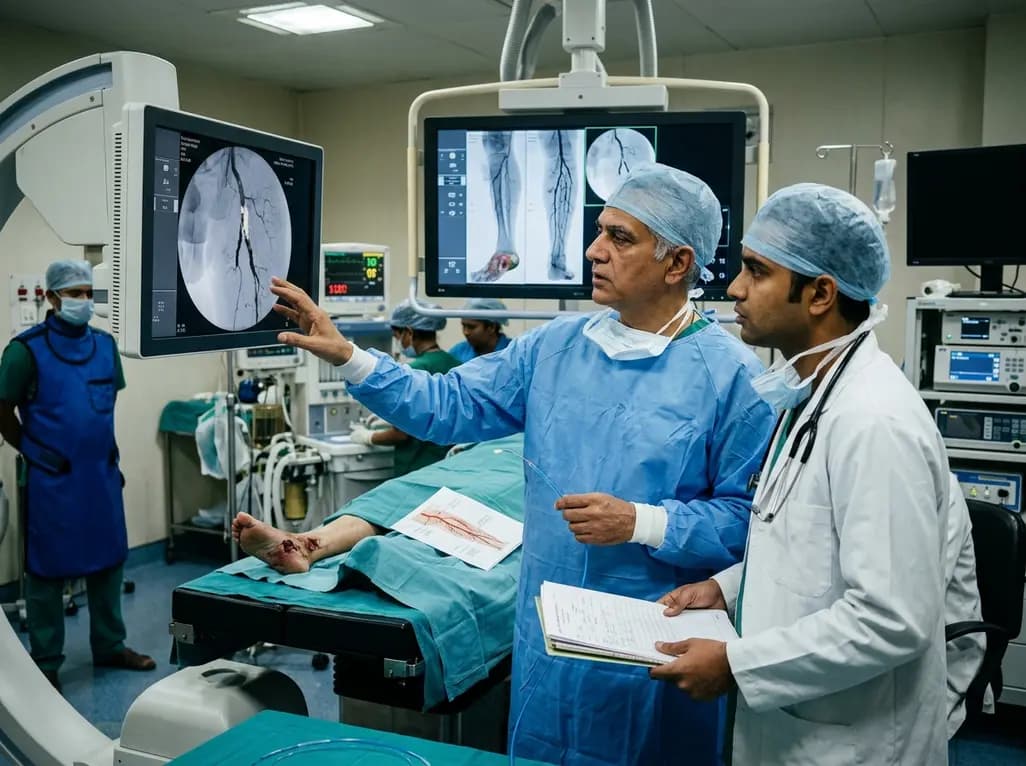
SWEDEPAD-1 trial insights show paclitaxel-coated devices do not improve long-term limb salvage in patients with chronic limb-threatening ischemia and tissue loss. While one-year reinterventions decreased, the devices were linked to a higher risk of major amputation at three months.
Today
