.webp&w=384&q=75)

Loading, please wait...
Loading, please wait...
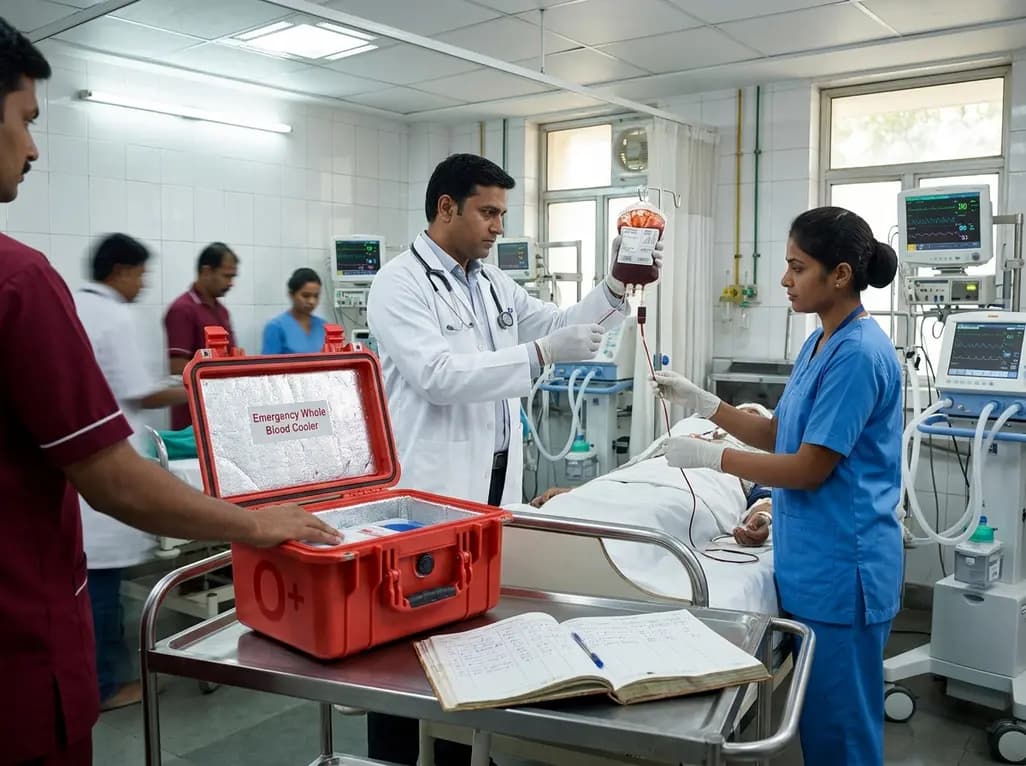
The landscape of emergency transfusion medicine is shifting back toward the use of low-titer group O whole blood as a primary resuscitation fluid for patients experiencing massive hemorrhage. Historically, blood banking moved toward component therapy—separating blood into packed red blood cells, plasma, and platelets—to maximize the utility of each donation. However, modern clinical evidence suggests that for the exsanguinating patient, replacing lost blood with a product that mirrors its natural composition is physiologically superior. Low-titer group O whole blood provides a balanced ratio of oxygen-carrying capacity, clotting factors, and platelets in a single bag, which simplifies the logistics of massive transfusion protocols. This approach is particularly vital in high-stress environments where rapid intervention determines survival. A recent study by Asif M and colleagues underscores the expanding role of this product, detailing its use in both prehospital and in-hospital settings. By analyzing over 1,900 units issued at a level 1 trauma center, the research provides a clear picture of how this resource is utilized across diverse clinical scenarios. Furthermore, the data highlights that while clinical need is the primary driver, the availability and operational efficiency of the blood bank are equally critical factors in determining how often whole blood is actually transfused to critically ill patients.
While trauma remains the most common reason for the administration of low-titer group O whole blood, its applications are becoming increasingly varied. In the retrospective analysis conducted during 2024, approximately 87.6% of in-hospital utilization was attributed to traumatic injuries. Most of these cases involved high-energy mechanisms such as motor vehicle collisions and penetrating trauma, where rapid volume replacement is essential. However, the remaining 12.4% of transfused units were utilized for non-trauma indications, signaling a significant shift in clinical practice. These indications included life-threatening gastrointestinal bleeding, complex vascular surgeries, and cardiac emergencies. In some instances, whole blood was even used to stabilize patients suffering from necrotizing soft tissue infections and other profound shock states. This suggests that the benefits of balanced resuscitation are being recognized by specialists outside of the trauma bay, including gastroenterologists and cardiac surgeons. Consequently, the versatility of whole blood as a universal resuscitation fluid is being leveraged to manage a wider spectrum of hemorrhagic shock. This trend emphasizes the need for hospitals to develop flexible transfusion protocols that can accommodate different specialties while ensuring that the limited supply of whole blood is reserved for the most critical cases. As clinical experience grows, the boundaries for whole blood utilization continue to expand beyond the traditional trauma unit.
One of the most impactful findings regarding low-titer group O whole blood is its successful integration into prehospital care. The study revealed that over 12% of the units transfused were administered before the patient even reached the hospital. This early intervention is a cornerstone of modern trauma care, aiming to mitigate the lethal triad of acidosis, coagulopathy, and hypothermia as soon as possible. Paramedics and flight crews are increasingly equipped with whole blood, allowing them to initiate definitive resuscitation at the scene of an injury or during transport. This strategy is particularly effective for patients in rural areas or those trapped in vehicles, where transport times to a level 1 trauma center might be prolonged. By providing a product that contains platelets and plasma alongside red cells, prehospital teams can maintain better hemodynamic stability and potentially reduce the overall volume of fluid required upon hospital arrival. The data shows that the vast majority of patients receiving prehospital whole blood were eventually treated at the primary trauma center, ensuring a seamless transition of care. Consequently, the expansion of prehospital whole blood programs represents a major leap forward in emergency medicine, bridging the gap between injury and definitive surgical intervention. These findings support the continued investment in logistics and training for emergency medical services to carry and administer whole blood safely.
The successful implementation of a low-titer group O whole blood program depends heavily on operational logistics rather than just clinical demand. One of the primary challenges in blood banking is the relatively short shelf life of whole blood when compared to packed red cells. To combat this, the trauma center in this study employed several innovative strategies. First, they utilized extended cooler validation, which allowed units to remain in transport containers for longer periods without compromising the cold chain. This is essential for maintaining the viability of platelets and coagulation factors. Additionally, the transfusion service maintained ownership of the inventory until the moment of use, allowing for better tracking and rotation of stock. If a unit was nearing its expiration date in a prehospital or remote setting, it could be rotated back into the main hospital inventory where it was more likely to be used quickly for an active trauma. These logistical efforts resulted in high utilization rates with minimal waste, which is a significant achievement given the scarcity of low-titer donors. For hospitals in India and other regions looking to adopt similar programs, these operational insights are invaluable. They demonstrate that a successful whole blood program requires a robust partnership between clinical teams and the blood bank to ensure that every unit of this life-saving resource is used effectively.
Despite the physiological advantages of low-titer group O whole blood, the patients who require it often suffer from extremely severe injuries or illnesses. The study noted an in-hospital mortality rate of 29.6% among admitted patients who received whole blood. While this figure may seem high, it reflects the critical nature of the population being treated. These patients are often in the deepest stages of hemorrhagic shock, where the risk of death is inherently elevated. The use of whole blood in these scenarios is an attempt to rescue patients who might otherwise not survive the initial hours of care. It is important to view these outcomes in the context of injury severity scores and the complexity of the non-trauma cases, such as ruptured aortic aneurysms or massive GI bleeds. The data suggests that while whole blood is a powerful tool, it is not a panacea; it is a component of a larger, multifaceted intensive care strategy. Future research should focus on identifying which specific patient subgroups derive the most significant survival benefit from whole blood compared to traditional component therapy. By refining the selection criteria, clinicians can ensure that whole blood is used where it can have the greatest impact on reducing preventable mortality. This underscores the importance of ongoing data collection and retrospective analysis in the field of transfusion medicine.
The conclusions drawn from the utilization patterns at this trauma center highlight a crucial lesson: logistics often dictate clinical practice. The availability of low-titer group O whole blood is frequently the limiting factor in its administration. Because whole blood must be sourced from male donors or never-pregnant female donors with low titers of anti-A and anti-B antibodies, the donor pool is smaller than that for standard red cells. Therefore, utilization patterns are shaped by supply limitations as much as by clinical demand. This reality necessitates a strategic approach to blood inventory management. Hospitals must balance the desire to provide whole blood to every hemorrhaging patient with the practical need to maintain a sustainable supply. Future implementation efforts must incorporate real-time logistics and utilization data to optimize the distribution of units. For instance, understanding the peak times for trauma can help blood banks prepare the necessary inventory. Furthermore, the integration of technology for tracking units and monitoring temperatures can improve the safety and efficiency of the program. As more centers move toward adopting whole blood, the emphasis must remain on building a resilient supply chain that can withstand the unpredictable nature of emergency medicine. Only through meticulous planning and operational excellence can the full potential of whole blood resuscitation be realized in daily clinical practice.
Low-titer group O blood is preferred because it contains a low concentration of anti-A and anti-B antibodies, making it safer for emergency administration to patients of any blood type without cross-matching. This "universal" characteristic is vital in trauma situations where every second counts. By using low-titer units, clinicians minimize the risk of hemolytic transfusion reactions, ensuring that patients receive immediate resuscitation while the lab performs definitive typing and screening for future units.
While trauma is the leading indication, whole blood is increasingly used for non-trauma emergencies involving massive hemorrhage. This includes severe gastrointestinal bleeding, complications during vascular or cardiac surgery, and obstetric hemorrhages. Additionally, patients in profound shock from conditions like necrotizing soft tissue infections or ruptured aneurysms may benefit. The goal is to provide a balanced resuscitation fluid that replaces lost volume and maintains the patient\'s coagulation profile more effectively than separate components can during an acute crisis.
Hospitals prevent waste by implementing strict inventory rotation and operational strategies. For example, units are often kept in validated coolers that allow them to be moved between prehospital and in-hospital settings safely. If a unit is not used in the field, it is returned to the hospital to be used for scheduled surgeries or trauma cases before it expires. Maintaining centralized ownership of the inventory allows blood banks to prioritize the use of older units, ensuring high utilization rates.
Disclaimer: This content is for informational and educational purposes only. It does not constitute medical advice or establish a doctor-patient relationship. Always seek the advice of a qualified healthcare provider regarding any medical condition or treatment. Refer to the latest local and national guidelines for clinical practice.
References
Asif M et al. Utilization patterns of low-titer group O whole blood in a level 1 trauma center. Transfusion. 2026 Jul 13. doi: 10.1111/trf.70332. PMID: 42440343.
Spinella PC, et al. Warm fresh whole blood is independently associated with improved survival for patients with combat-related traumatic injuries. Journal of Trauma and Acute Care Surgery. 2009;66(4):S69-S76.
Yazer MH, et al. The special blood bank and clinical considerations for a whole blood program. Hematology/Oncology Clinics of North America. 2022;36(3):551-562.

Read summarized clinical updates, watch expert medical content, and earn CME certifications right from your smartphone.
Open your smartphone camera to scan and install.





A retrospective study examines the utilization of low-titer group O whole blood (LTOWB) in a level 1 trauma center. While trauma remains the primary indication, the study reveals expanding use in non-trauma emergencies and emphasizes the critical role of operational logistics in maintaining high utilization.
2 months ago
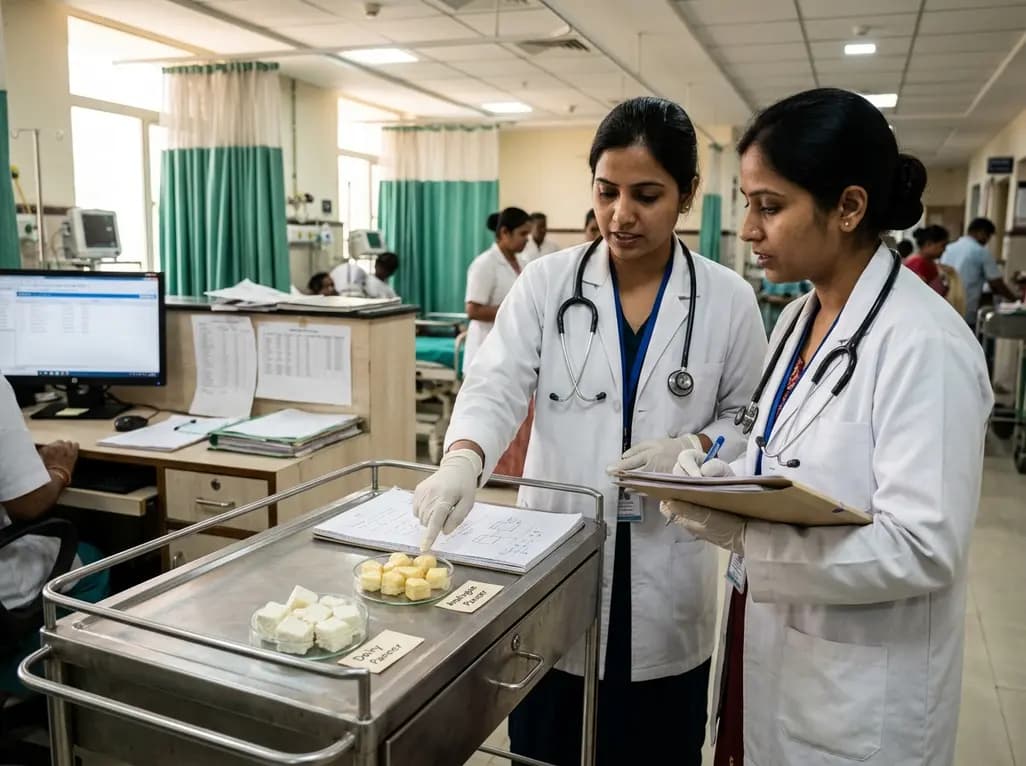
The Food Safety and Standards Authority of India has issued draft regulations prohibiting the sale and manufacture of non-dairy imitation substitutes as paneer. This nationwide regulatory action aims to eliminate consumer deception, protect dietary protein quality, and curtail lipid-related metabolic risks.
Today
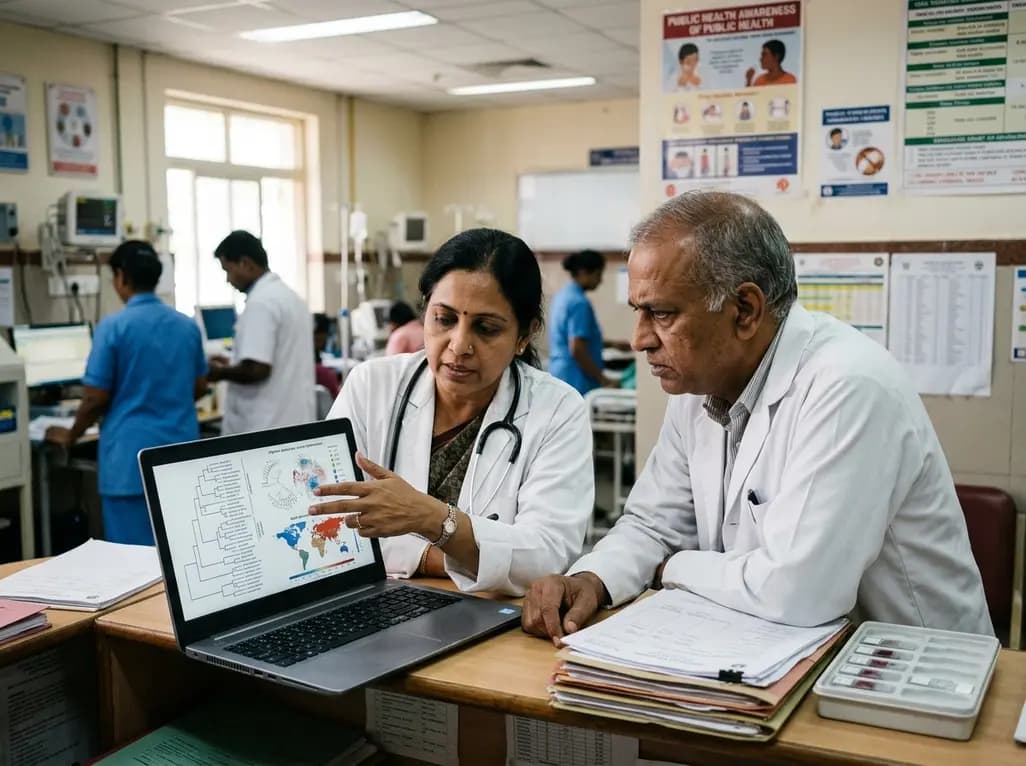
A landmark Lancet Oncology Commission reveals profound global disparities in cancer genetic testing and precision medicine. While molecular therapies expand rapidly, access remains heavily concentrated in high-income nations, leaving millions of eligible cancer patients in developing regions without care.
Today

Managing refractory hypoxemia after cardiothoracic surgery becomes perilous when prolonged air leak limits positive-pressure ventilation. This case-based review details how high-flow nasal cannula, paired with awake rehabilitation, enabled successful extubation and avoided invasive re-intubation.
Today
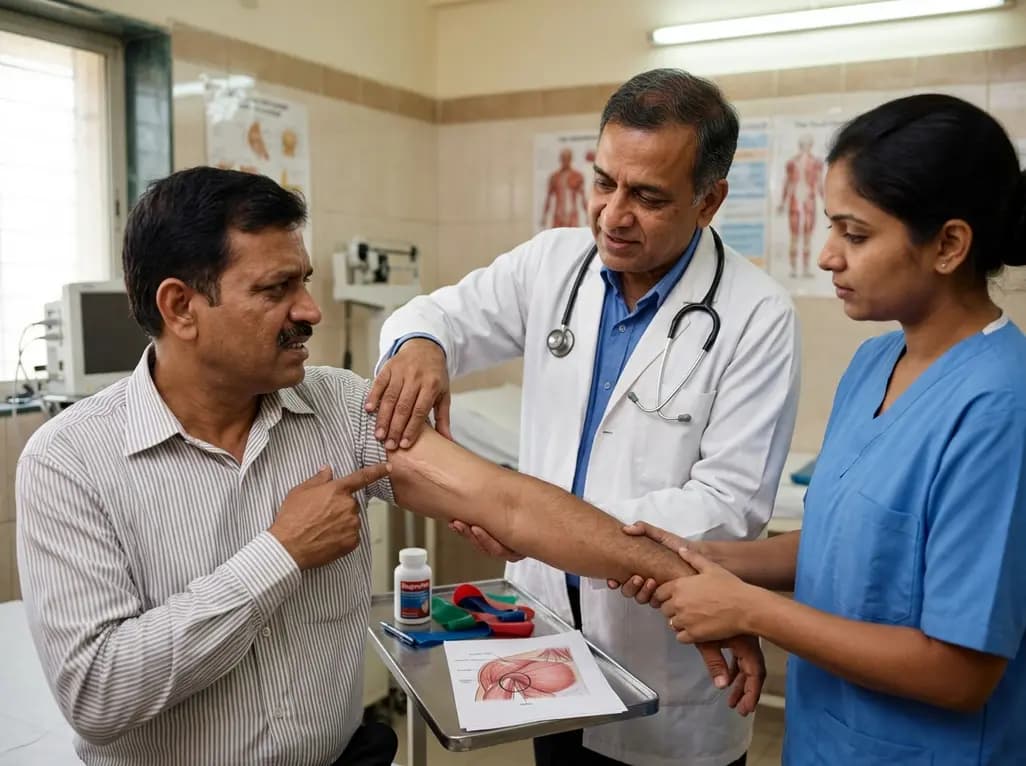
Idiopathic axillary web syndrome (IAWS) is a rare cause of shoulder pain and mobility restriction characterized by palpable axillary cording without prior surgery or trauma. Early diagnosis, nonsteroidal anti-inflammatory therapy, and physical rehabilitation lead to complete resolution of symptoms.
Today
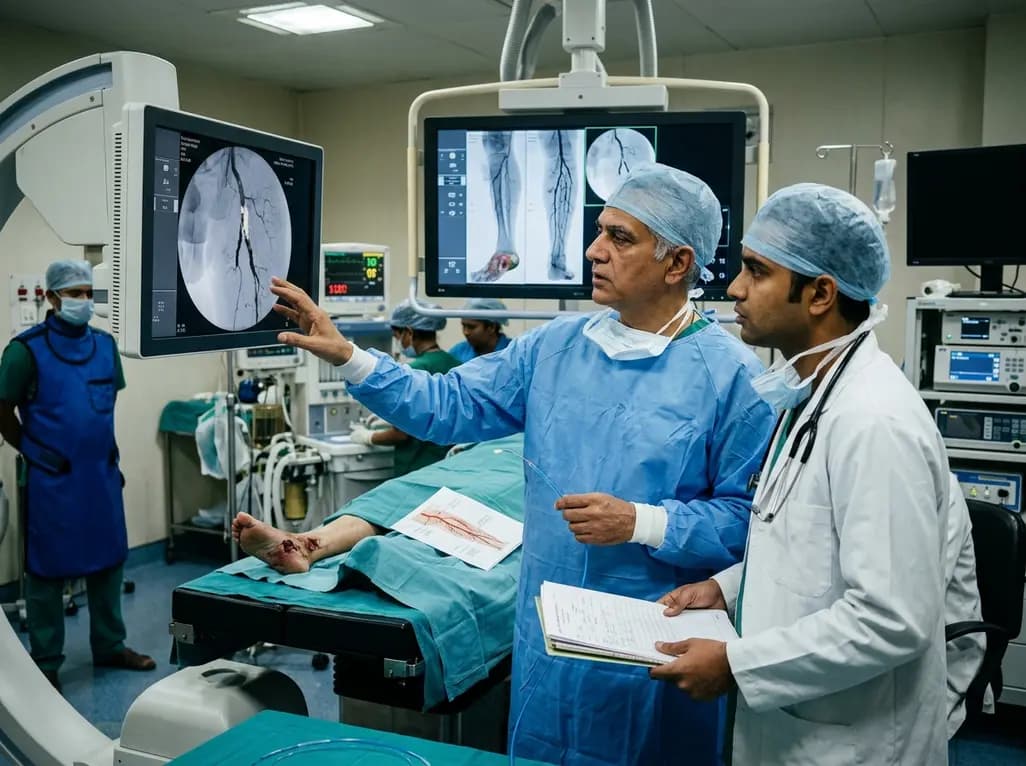
SWEDEPAD-1 trial insights show paclitaxel-coated devices do not improve long-term limb salvage in patients with chronic limb-threatening ischemia and tissue loss. While one-year reinterventions decreased, the devices were linked to a higher risk of major amputation at three months.
Today
