.webp&w=384&q=75)

Novel Injectable Composite Restores Bone Metabolism in Hyperlipidemia
The Challenge of Bone Healing in Metabolic Disorders
Bone metabolism in hyperlipidemia presents a significant clinical challenge because the pathological microenvironment severely restricts natural regeneration. High-fat conditions often lead to systemic inflammation and the overproduction of reactive oxygen species (ROS). Consequently, these factors disrupt the delicate balance between bone formation and resorption. While researchers previously identified the osteogenic potential of certain trafficking factors, their instability in the body limited their use. To address this, a team of scientists developed a paradigm-shifting strategy using an injectable, bio-responsive platform.
Innovative Strategy for Bone Metabolism in Hyperlipidemia
The researchers engineered a multifunctional delivery system named HLP2 to specifically target bone metabolism in hyperlipidemia. This system consists of a stable non-lactylated peptide called DR8 (DENSRLRR), which mimics the functional core of the ENTR1 factor. To ensure the peptide reaches its target, the team loaded it into bone-targeting liposomes modified with the E7 peptide. Furthermore, they encapsulated these liposomes within a ROS-responsive hydrogel. This sophisticated design allows the platform to release its therapeutic cargo on-demand when it encounters the oxidative stress typical of hyperlipidemic bone niches.
Mechanisms of Action and Therapeutic Results
The HLP2 platform functions through multiple pathways to restore skeletal health. Specifically, it acts as a potent scavenger of excess ROS, which immediately improves the local environment for cell recruitment. Moreover, the platform promotes angiogenesis and stimulates osteogenesis simultaneously. Mechanistically, the treatment modulates the paracrine signaling of bone marrow mesenchymal stem cells. This modulation restores the critical balance between the receptor activator of nuclear factor κB ligand (RANKL) and osteoprotegerin (OPG). As a result, the system suppresses the NF-κB signaling pathway, effectively halting excessive osteoclast activity.
In animal models with calvarial defects, the HLP2 composite significantly accelerated bone regeneration. This breakthrough suggests that synergizing metabolic peptides with adaptive biomaterials could offer a robust solution for patients suffering from metabolic bone disorders. Future applications may extend to various orthopedic and dental procedures where hyperlipidemia typically compromises healing outcomes.
Frequently Asked Questions
How does hyperlipidemia affect bone health?
Hyperlipidemia creates a high-oxidative-stress environment that increases bone resorption while inhibiting new bone formation, often leading to delayed healing and reduced bone density.
What makes the HLP2 platform unique for bone regeneration?
HLP2 is unique because it is both bone-targeting and ROS-responsive. It only releases its therapeutic peptide in response to oxidative stress, ensuring localized and efficient treatment.
What is the role of the DR8 peptide?
DR8 is a stable peptide that mimics osteogenic factors. It helps rebalance bone marrow mesenchymal stem cell signaling to favor bone formation over destruction.
Disclaimer: This content is for informational and educational purposes only. It is not intended as medical advice or a substitute for professional healthcare. Refer to the latest local and national guidelines for clinical practice.
References
Zhu T et al. An Injectable Liposome-Hydrogel Composite for Targeted Delivery of a Non-Lactylated Peptide to Rebalance Bone Metabolism in Hyperlipidemia. Adv Healthc Mater. 2026 Feb 21. doi: 10.1002/adhm.202505684. PMID: 41721628.
Pirih F et al. Adverse effects of hyperlipidemia on bone regeneration and strength. J Bone Miner Res. 2012 Feb;27(2):309-18. doi: 10.1002/jbmr.541. PMID: 21987408.
Gao Y et al. ROS-responsive biomaterials for the treatment of bone-related diseases. Front Bioeng Biotechnol. 2022;10:1044342. doi: 10.3389/fbioe.2022.1044342.
"
More from Trending
Researchers developed an injectable hydrogel (HLP2) delivering the DR8 peptide to restore bone homeostasis and promote regeneration in hyperlipidemic condit...
6 days back
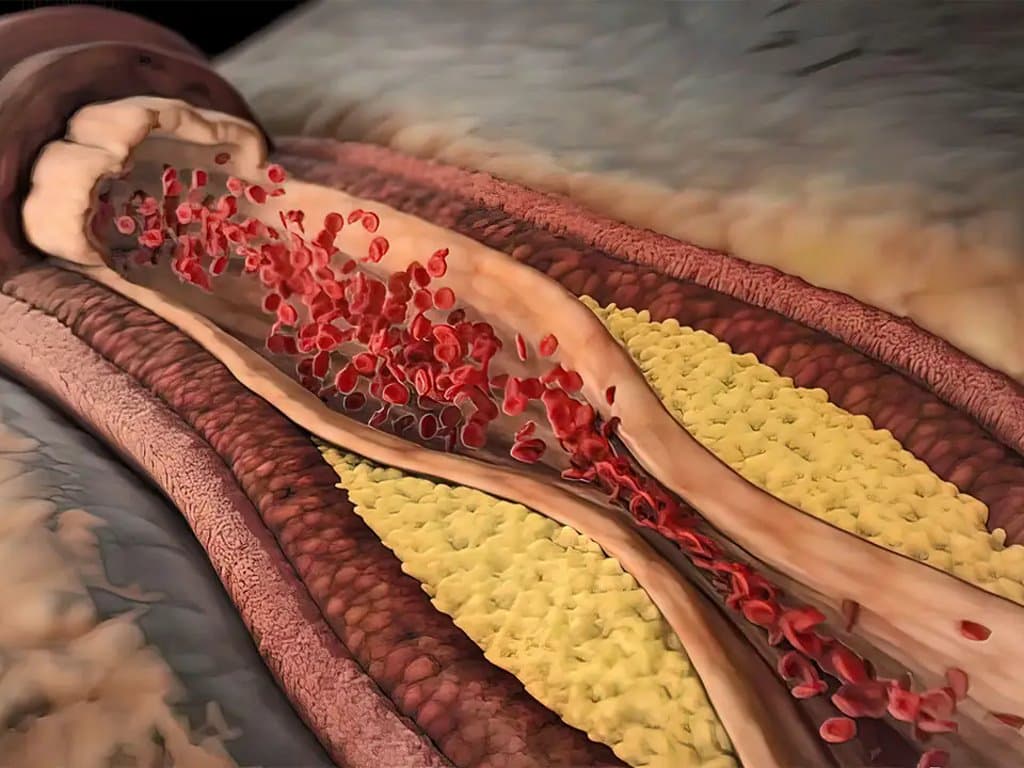
This study analyzed 7,507 participants to investigate the relationship between metabolic dysfunction-associated steatotic liver disease (MASLD) severity and coronary artery calcification (CAC). MASLD severity was significantly associated with subclinical atherosclerosis, especially in hypertensive individuals. Moderate and severe MASLD correlated with higher CAC stages, independent of traditional cardiovascular disease (CVD) risk factors.
last year

The Link Between Lipid Health and Body CompositionResearch consistently highlights a high prevalence of dyslipidemia in postmenopausal women, especially amo...
3 weeks back
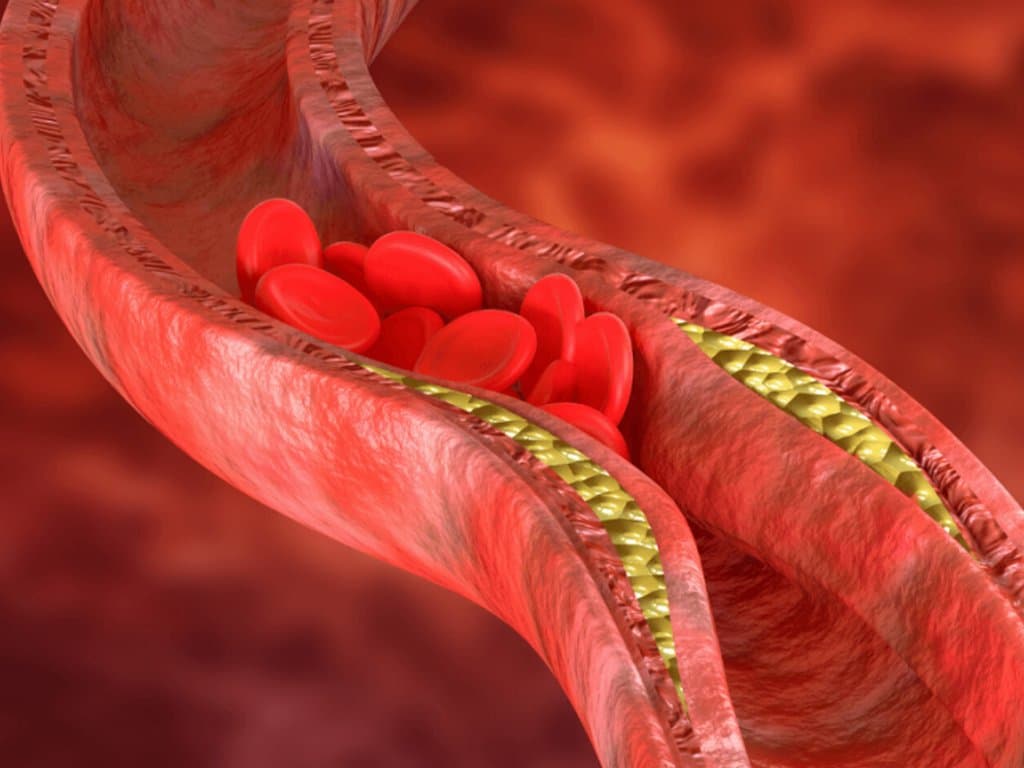
In this study of 6000 acute coronary syndrome (ACS) patients, women received less aggressive care than men, with longer delays in seeking treatment and lower rates of coronary angiography and PCI, despite similar anatomical suitability. Women experienced higher in-hospital mortality, major adverse cardiac events, and long-term mortality. These findings highlight persistent gender disparities in ACS management.
9 months ago

Researchers developed and validated a risk nomogram for predicting diabetic retinopathy (DR) in type 2 diabetes (T2D) patients. Using data from 2,585 patients, key predictors like glycated hemoglobin A1c, serum urea, and diabetes duration were identified. The nomogram demonstrated good discriminatory power. The model shows promise for early intervention, though further external validation is needed.
10 months ago