.webp&w=384&q=75)
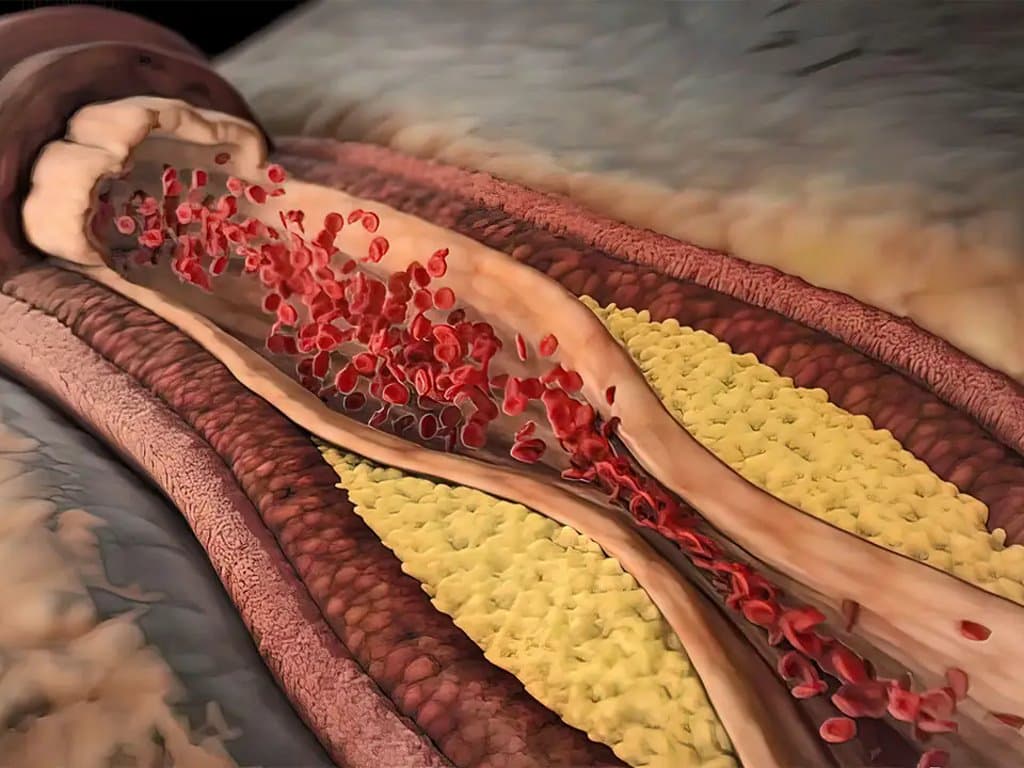
Association of MASLD severity with subclinical coronary atherosclerosis
This study analyzed 7,507 participants to investigate the relationship between metabolic dysfunction-associated steatotic liver disease (MASLD) severity and coronary artery calcification (CAC). MASLD severity was significantly associated with subclinical atherosclerosis, especially in hypertensive individuals. Moderate and severe MASLD correlated with higher CAC stages, independent of traditional cardiovascular disease (CVD) risk factors.

More from Trending
This study analyzed 7,507 participants to investigate the relationship between metabolic dysfunction-associated steatotic liver disease (MASLD) severity and coronary artery calcification (CAC). MASLD severity was significantly associated with subclinical atherosclerosis, especially in hypertensive individuals. Moderate and severe MASLD correlated with higher CAC stages, independent of traditional cardiovascular disease (CVD) risk factors.
last year

The Link Between Lipid Health and Body CompositionResearch consistently highlights a high prevalence of dyslipidemia in postmenopausal women, especially amo...
3 weeks back
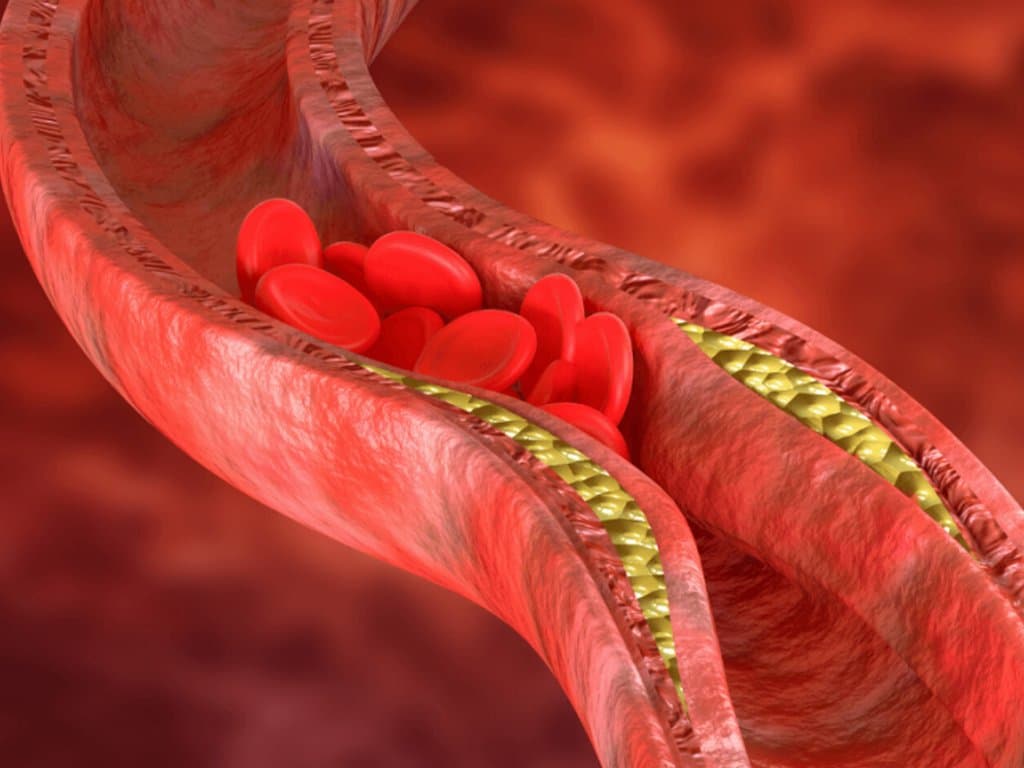
In this study of 6000 acute coronary syndrome (ACS) patients, women received less aggressive care than men, with longer delays in seeking treatment and lower rates of coronary angiography and PCI, despite similar anatomical suitability. Women experienced higher in-hospital mortality, major adverse cardiac events, and long-term mortality. These findings highlight persistent gender disparities in ACS management.
9 months ago

Researchers developed an injectable hydrogel (HLP2) delivering the DR8 peptide to restore bone homeostasis and promote regeneration in hyperlipidemic condit...
6 days back
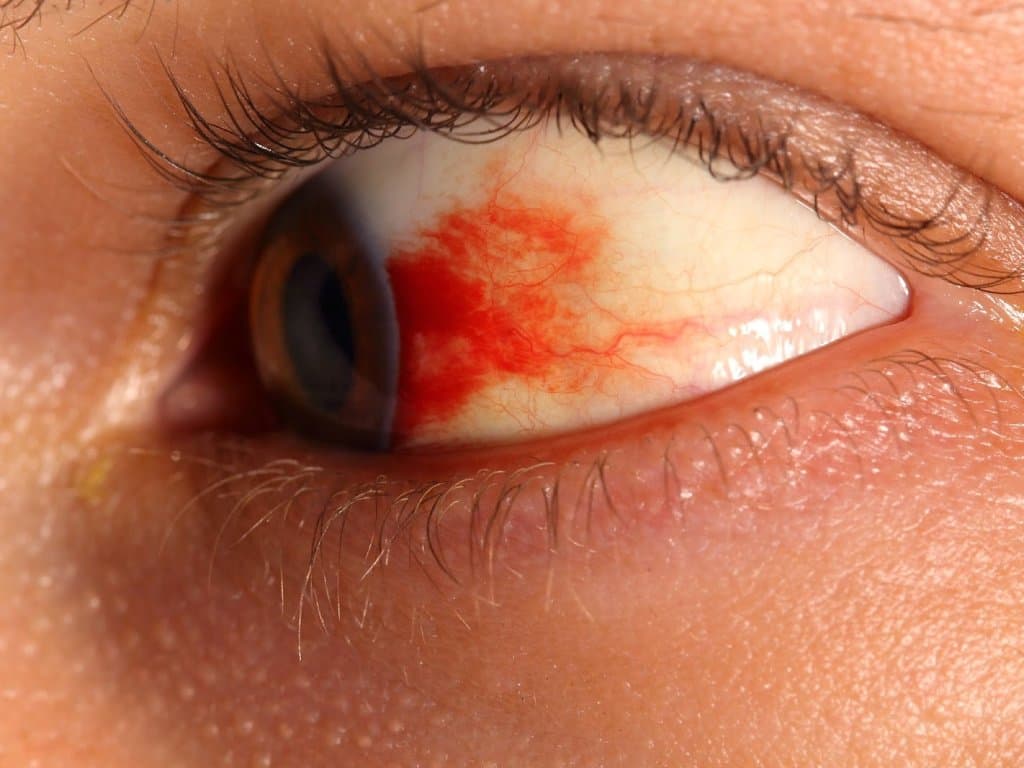
Researchers developed and validated a risk nomogram for predicting diabetic retinopathy (DR) in type 2 diabetes (T2D) patients. Using data from 2,585 patients, key predictors like glycated hemoglobin A1c, serum urea, and diabetes duration were identified. The nomogram demonstrated good discriminatory power. The model shows promise for early intervention, though further external validation is needed.
10 months ago