.webp&w=384&q=75)

Loading, please wait...
Loading, please wait...
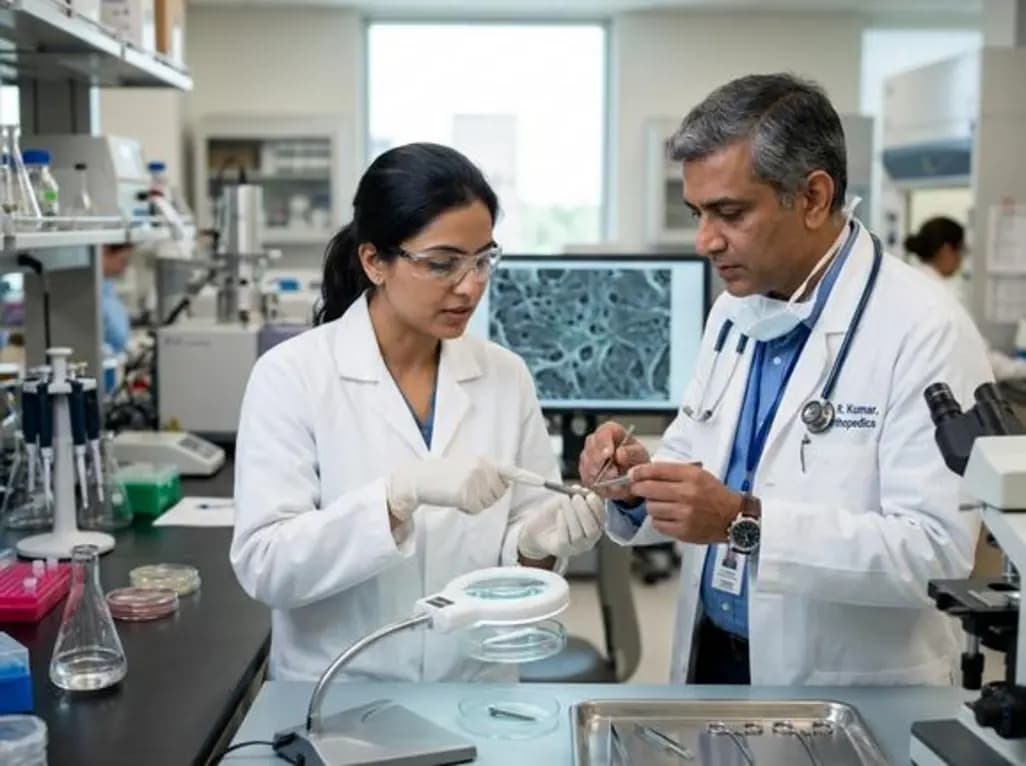
Advanced biointerface engineering is transforming the landscape of ZnO-Chitosan medical implants. Recent breakthroughs in atomic-scale techniques, such as Atomic Layer Deposition (ALD), allow for the precise modification of chitosan scaffolds. By integrating zinc at a molecular level, scientists can now create multifunctional interfaces. These interfaces balance immune responses and promote tissue integration. The study evaluated three distinct methods: vapor phase metalation (VPM), multiple pulsed vapor phase infiltration (MPI), and O2 plasma-enhanced atomic layer deposition (PEALD).
Physicochemical characterization revealed that each functionalization method significantly dictates semiconductor properties. For instance, VPM reduced crystallite size, while MPI achieved the finest nanocrystallinity. Notably, PEALD-modified interfaces exhibited the highest interfacial energy. This specific energy level enhances swelling properties. Such characteristics are critical for biological integration and nutrient transport within the implant environment. Furthermore, SEM and EDX mapping confirmed a perfectly homogeneous distribution of zinc across the biointerface.
Biological assays yielded impressive results regarding safety and efficacy. C2C12 cell proliferation remained comparable to control groups. This suggests high cytocompatibility for clinical use. Most importantly, the modified interfaces displayed tailored antiseptic activity. They effectively target common pathogens such as E. coli and H. pylori. In vivo implantation further highlighted the immunomodulatory potential of these scaffolds. They promote active angiogenesis while maintaining stable anti-inflammatory IL-10 levels. This balanced response prevents chronic inflammation and ensures long-term stability of the medical implant.
These findings underscore the versatility of ALD-based processes for next-generation intelligent medical devices. By combining the natural benefits of chitosan with the functional power of zinc oxide, researchers developed a bioactive platform. Consequently, this technology paves the way for smarter bio-integrated electronics and more reliable orthopedic or surgical implants.
These biointerfaces combine the biocompatibility of chitosan with the antimicrobial and immunomodulatory properties of zinc oxide. They promote faster healing through angiogenesis and offer protection against bacterial infections.
PEALD increases the interfacial energy and enhances the swelling capacity of the scaffold. This leads to a more stable immune response, characterized by balanced cytokine levels and improved tissue integration.
Yes, the versatility of ALD-based ZnO-Chitosan platforms makes them suitable for orthopedics, general surgery, and even bio-integrated electronics for patient monitoring.
Disclaimer: This content is for informational and educational purposes only. It does not constitute medical advice or endorse any specific technology. Refer to the latest local and national guidelines for clinical practice.
References

Read summarized clinical updates, watch expert medical content, and earn CME certifications right from your smartphone.
Open your smartphone camera to scan and install.





This study explores atomic-scale techniques like PEALD to engineer ZnO-Chitosan biointerfaces for medical implants. These interfaces exhibit superior immunomodulatory properties and antiseptic activity against pathogens, marking a significant advancement for next-generation medical devices.
4 months ago

Depemokimab offers twice-yearly dosing for severe eosinophilic asthma and chronic rhinosinusitis with nasal polyps, significantly cutting exacerbations and hospital admissions.
3 days back

A novel copper metal-organic framework hydrogel remodels the uterine microenvironment to stimulate robust endometrial regeneration, reduce intrauterine fibrosis, and restore reproductive fertility, offering a groundbreaking strategy for managing refractory endometrial damage and Asherman syndrome.
4 days back

New research reveals that non-ablative radiotherapy suppresses ventricular tachycardia by increasing conduction velocity via NaV1.5 upregulation and action potential prolongation. However, sustained sodium current elevation and depressed calcium handling highlight the need for careful clinical translation.
6 days back

A single-cell transcriptomic atlas reveals how peripheral nerve injuries cause dorsal root ganglion remodeling. By evaluating proximal nerve crush and resection, researchers identify distinct glial and immune programs that resolve neuropathic pain and promote regeneration.
4 days back
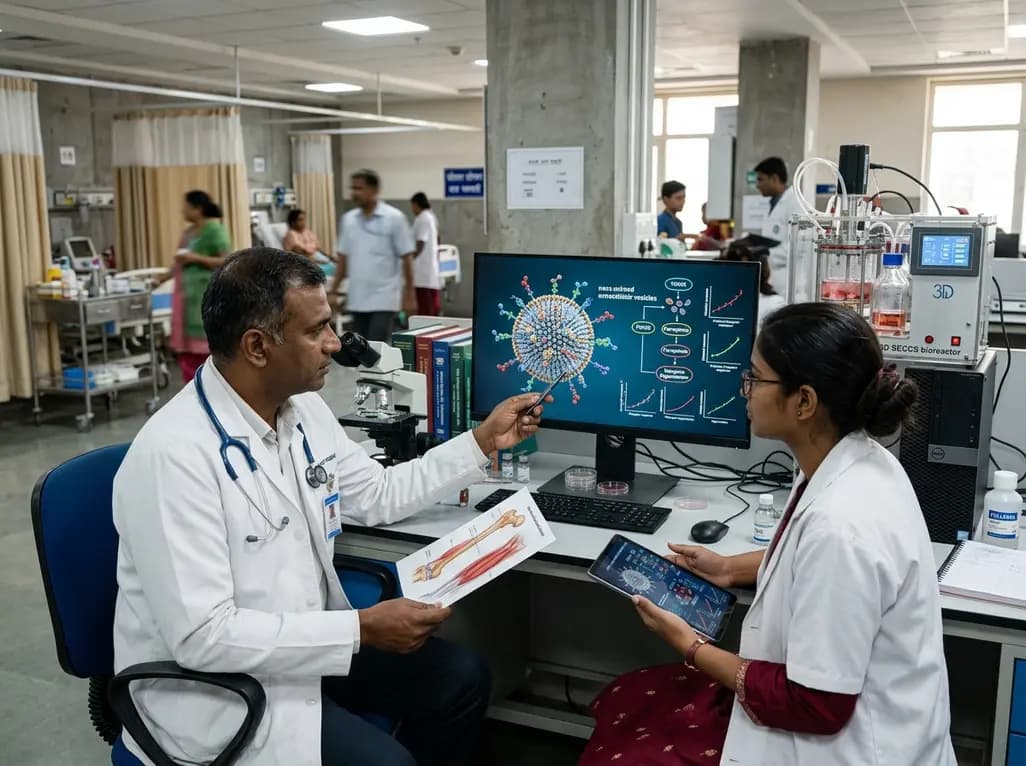
A breakthrough study demonstrates that fullerol-primed extracellular vesicles generated in a 3D SECCS bioreactor attenuate ferroptosis and restore myogenic regeneration in diabetes via the FOXO3 pathway, offering a cell-free therapeutic strategy for diabetic musculoskeletal degeneration.
4 days back
