.webp&w=384&q=75)

Loading, please wait...
Loading, please wait...
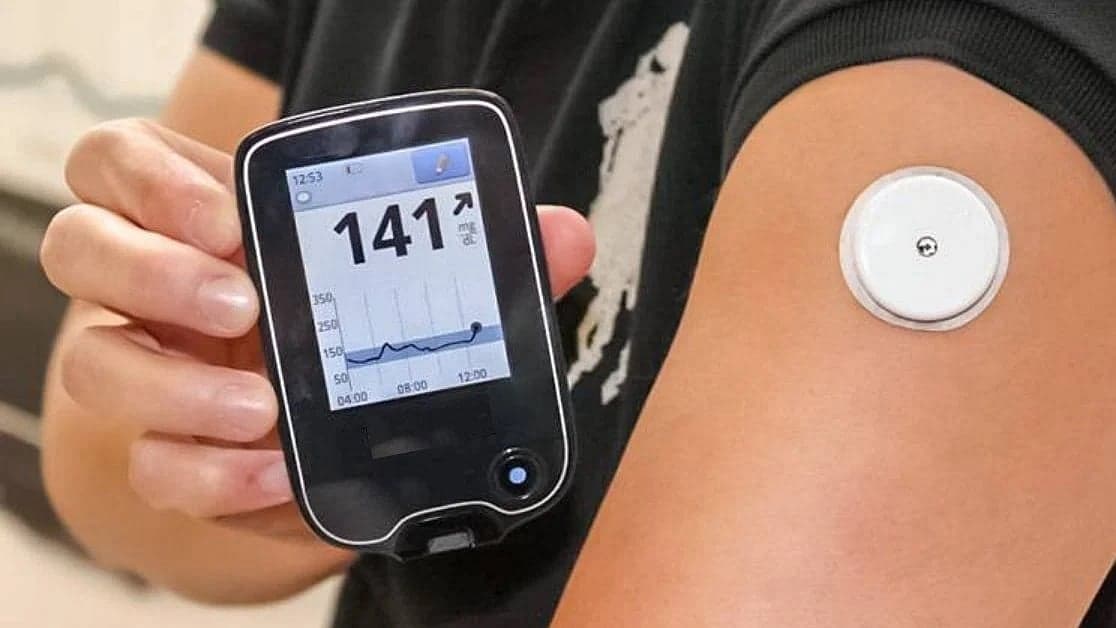
Consumer and medical-grade wearables can provide continuous information on physical activity, heart rate, sleep and other physiologic signals. In chronic disease management, these data may complement clinic measurements by revealing patterns that are missed during intermittent visits. For internists, the usefulness of a wearable depends on whether the data can change management. Activity trends may help support obesity counselling, cardiac rehabilitation or monitoring of functional decline, while physiologic alerts may prompt evaluation in selected high-risk patients. However, false positives, missing data, adherence and device-to-device variability can limit clinical utility. Clinicians should therefore avoid treating consumer-device outputs as equivalent to validated diagnostic measurements without context. The emerging lesson from digital-health research is that successful implementation requires integration with clinical workflows and clear thresholds for action. Wearables have potential to make chronic-disease care more continuous, but more data are not necessarily better unless they improve decisions or patient behavior.

Read summarized clinical updates, watch expert medical content, and earn CME certifications right from your smartphone.
Open your smartphone camera to scan and install.





Consumer and medical-grade wearables can provide continuous information on physical activity, heart rate, sleep and other physiologic signals. In chronic disease management, these data may complement clinic measurements by revealing patterns that are missed during intermittent visits. For internists, the usefulness of a wearable depends on whether the data can change management. Activity trends may help support obesity counselling, cardiac rehabilitation or monitoring of functional decline, while physiologic alerts may prompt evaluation in selected high-risk patients. However, false positives, missing data, adherence and device-to-device variability can limit clinical utility. Clinicians should therefore avoid treating consumer-device outputs as equivalent to validated diagnostic measurements without context. The emerging lesson from digital-health research is that successful implementation requires integration with clinical workflows and clear thresholds for action. Wearables have potential to make chronic-disease care more continuous, but more data are not necessarily better unless they improve decisions or patient behavior.
3 weeks back
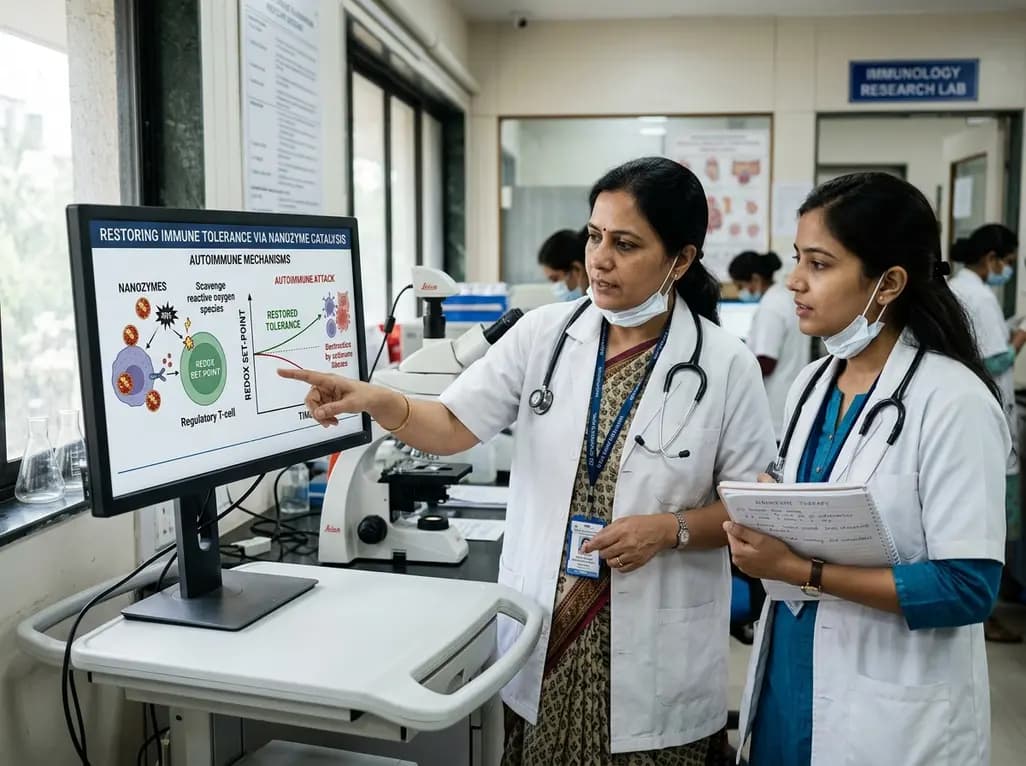
Discover how catalytic nanozymes redefine autoimmune disease therapy by establishing a physiological redox set-point to restore immune tolerance without broad immunosuppression.
Last week

Recent research reveals that downregulating YAP1/TAZ-TEAD via Hippo signaling triggers spontaneous human trophoblast syncytialization in 3D cultures, illuminating placental biology and preeclampsia.
3 weeks back
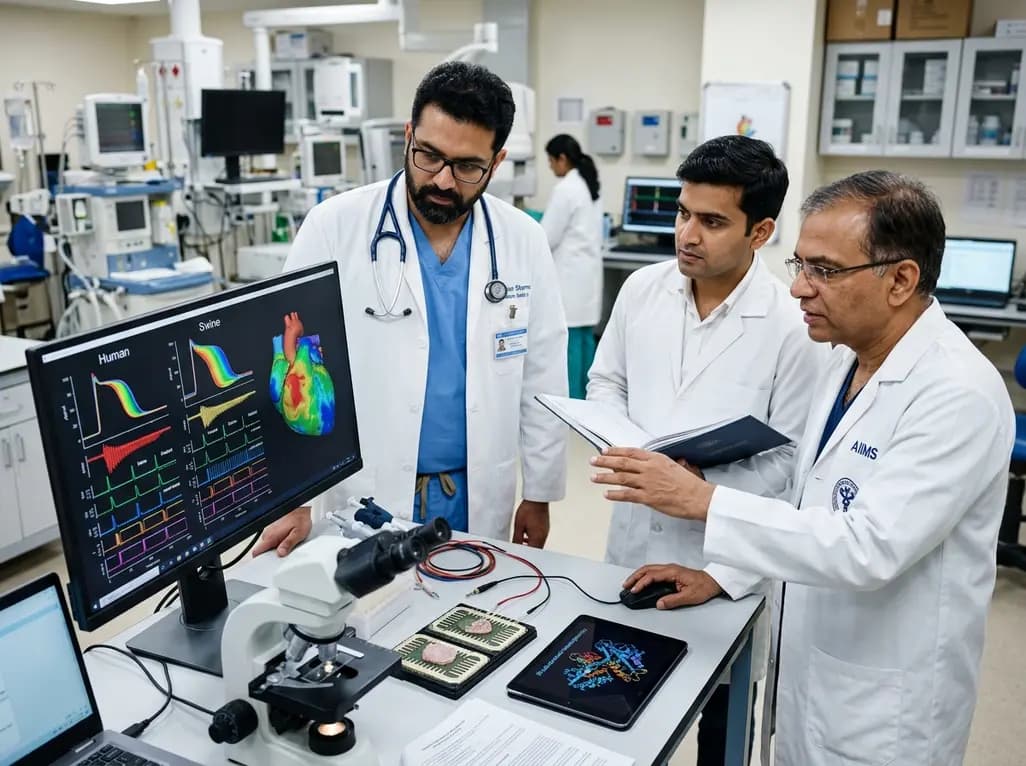
A landmark comparative study evaluates atrial electrophysiology across humans, swine, and rodents. By linking cellular recordings with transcriptomics and in silico modeling, researchers resolve cross-species gaps, explaining translational failures to advance targeted therapies for atrial arrhythmias.
3 weeks back

A novel pathology-adaptive surface engineering strategy uses functionalized plasma polymer coatings to selectively modulate AGE adsorption, reducing oxidative stress and restoring bone formation in diabetic and aging microenvironments.
last month
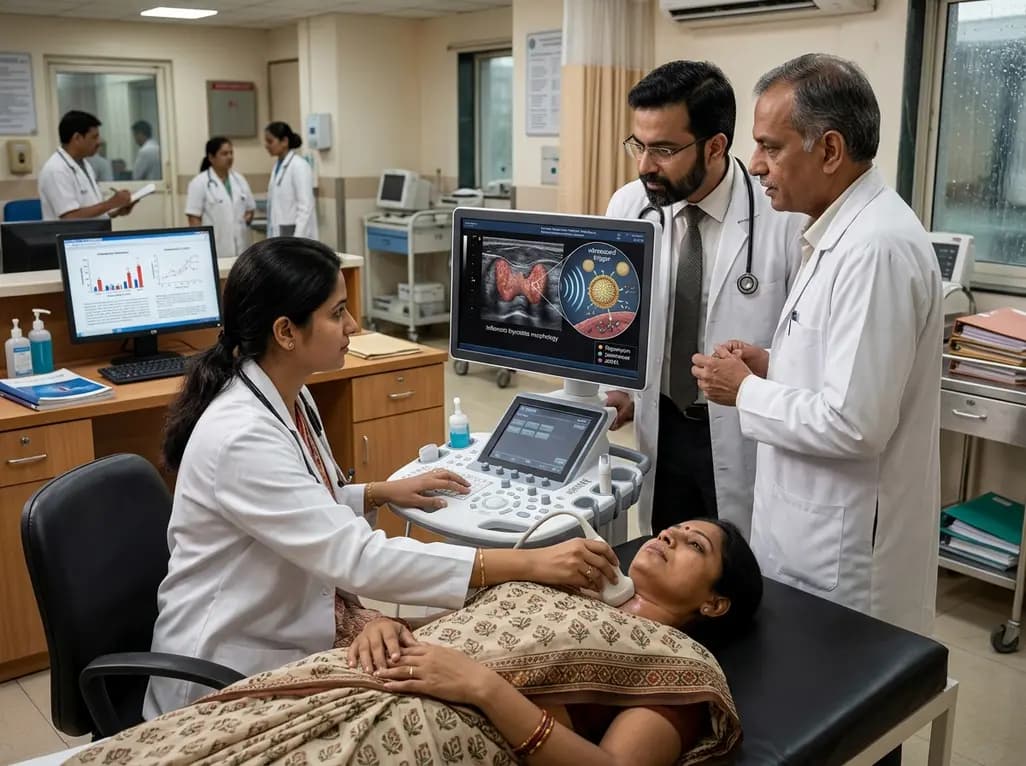
Researchers have developed an innovative ultrasound-responsive nano-contrast agent that co-delivers CIITA-siRNA and rapamycin directly to inflamed thyroid tissue, significantly reducing autoimmune injury and thyroid autoantibodies in preclinical models of Hashimoto thyroiditis.
3 weeks back
