.webp&w=384&q=75)

Loading, please wait...
Loading, please wait...
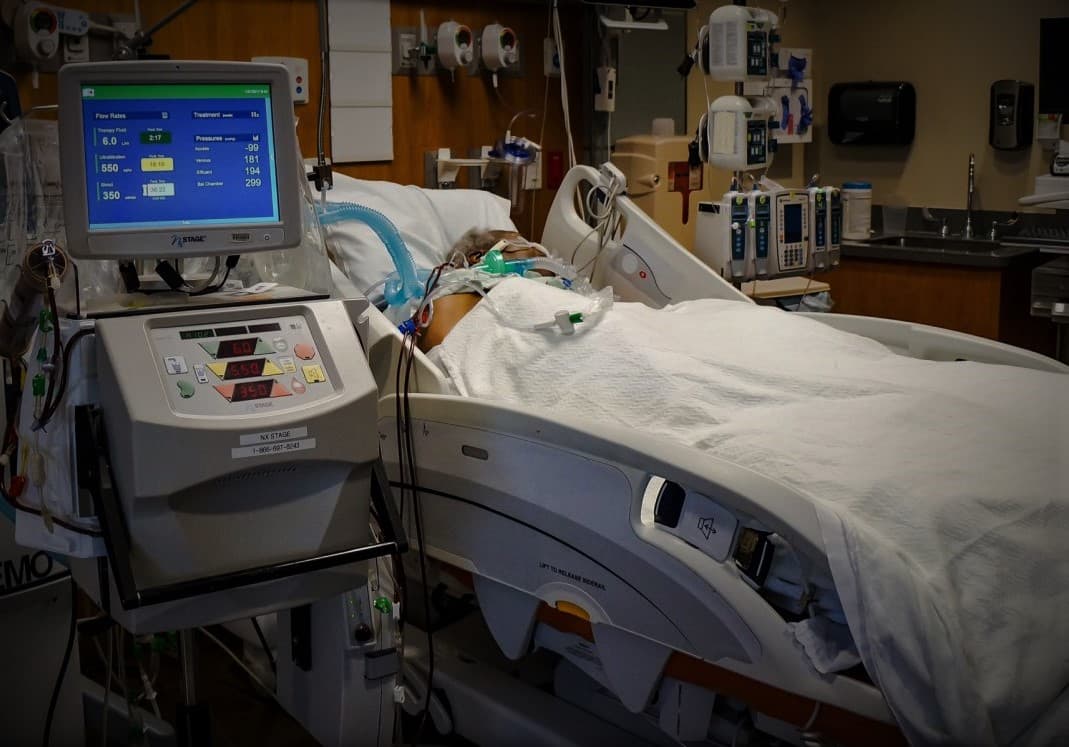
The VExUS concept uses Doppler ultrasound of the inferior vena cava, hepatic vein, portal vein and intrarenal vein to grade systemic venous congestion. A prospective ICU study evaluated whether higher VExUS grades were associated with major adverse kidney events within 30 days. In the cohort, severe venous congestion was uncommon, but patients with VExUS grade 2 or higher had substantially greater odds of MAKE-30. The study also found moderate-to-excellent agreement between observers, supporting the feasibility of the technique. This matters because conventional fluid assessment often focuses on whether a patient is fluid responsive, while ignoring whether the patient can tolerate additional fluid. Venous congestion can impair renal perfusion and contribute to organ dysfunction even when blood pressure appears adequate. CritiCARE's sessions on non-invasive haemodynamic monitoring, VExUS and AKI directly reflect this evolving approach. For HCPs, VExUS should be viewed as an adjunct rather than a stand-alone diagnostic test. Its greatest value may come from integrating it with the patient's haemodynamics, lung ultrasound, cardiac function, urine output and cumulative fluid balance. The broader clinical message is that fluid stewardship requires attention to both responsiveness and tolerance.

Read summarized clinical updates, watch expert medical content, and earn CME certifications right from your smartphone.
Open your smartphone camera to scan and install.





The VExUS concept uses Doppler ultrasound of the inferior vena cava, hepatic vein, portal vein and intrarenal vein to grade systemic venous congestion. A prospective ICU study evaluated whether higher VExUS grades were associated with major adverse kidney events within 30 days. In the cohort, severe venous congestion was uncommon, but patients with VExUS grade 2 or higher had substantially greater odds of MAKE-30. The study also found moderate-to-excellent agreement between observers, supporting the feasibility of the technique. This matters because conventional fluid assessment often focuses on whether a patient is fluid responsive, while ignoring whether the patient can tolerate additional fluid. Venous congestion can impair renal perfusion and contribute to organ dysfunction even when blood pressure appears adequate. CritiCARE's sessions on non-invasive haemodynamic monitoring, VExUS and AKI directly reflect this evolving approach. For HCPs, VExUS should be viewed as an adjunct rather than a stand-alone diagnostic test. Its greatest value may come from integrating it with the patient's haemodynamics, lung ultrasound, cardiac function, urine output and cumulative fluid balance. The broader clinical message is that fluid stewardship requires attention to both responsiveness and tolerance.
3 weeks back

Discover how catalytic nanozymes redefine autoimmune disease therapy by establishing a physiological redox set-point to restore immune tolerance without broad immunosuppression.
Last week

Recent research reveals that downregulating YAP1/TAZ-TEAD via Hippo signaling triggers spontaneous human trophoblast syncytialization in 3D cultures, illuminating placental biology and preeclampsia.
3 weeks back

A landmark comparative study evaluates atrial electrophysiology across humans, swine, and rodents. By linking cellular recordings with transcriptomics and in silico modeling, researchers resolve cross-species gaps, explaining translational failures to advance targeted therapies for atrial arrhythmias.
3 weeks back

A novel pathology-adaptive surface engineering strategy uses functionalized plasma polymer coatings to selectively modulate AGE adsorption, reducing oxidative stress and restoring bone formation in diabetic and aging microenvironments.
last month
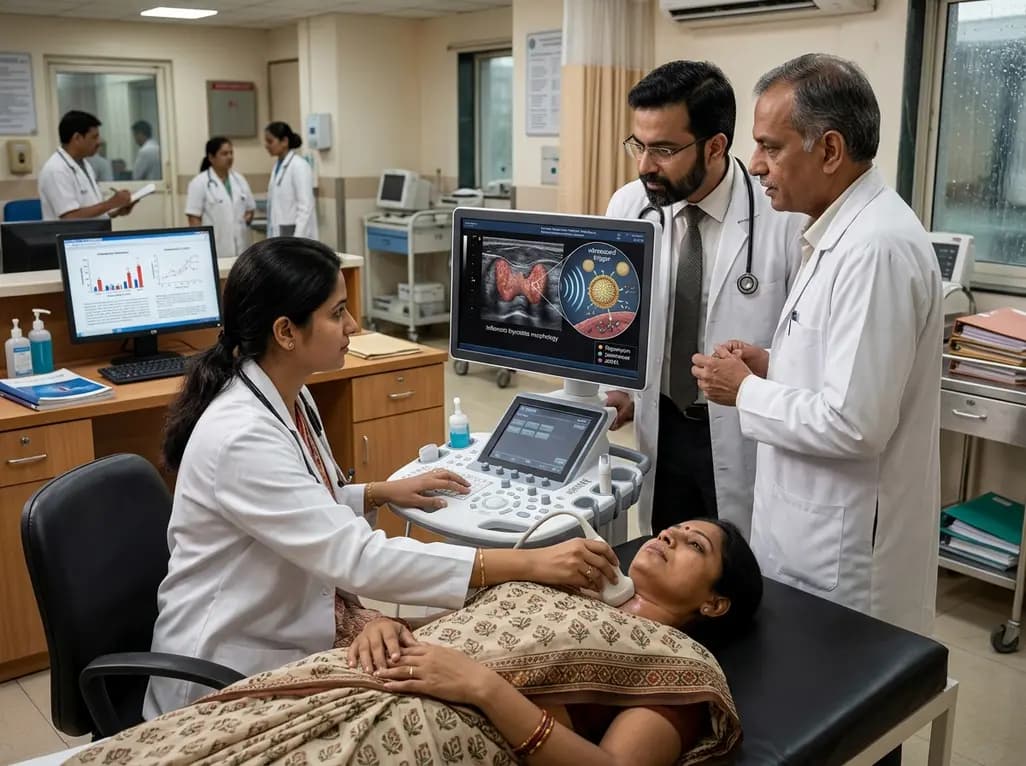
Researchers have developed an innovative ultrasound-responsive nano-contrast agent that co-delivers CIITA-siRNA and rapamycin directly to inflamed thyroid tissue, significantly reducing autoimmune injury and thyroid autoantibodies in preclinical models of Hashimoto thyroiditis.
3 weeks back
