.webp&w=384&q=75)

Loading, please wait...
Loading, please wait...
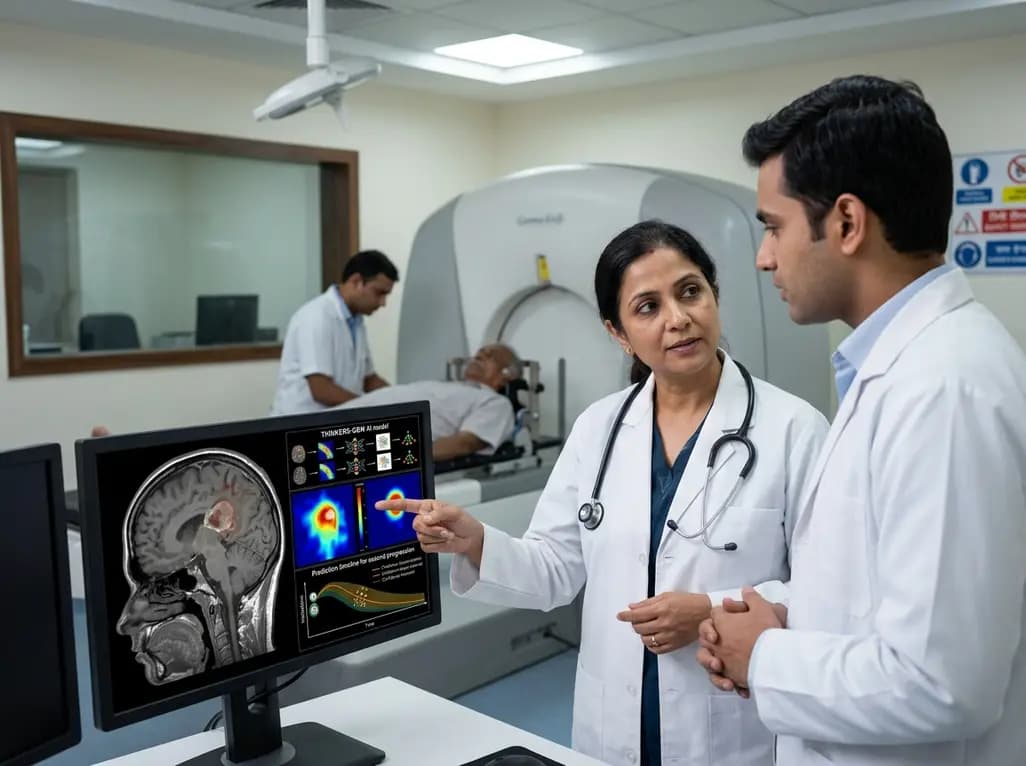
Glioblastoma multiforme (GBM) remains one of the most formidable challenges in modern neuro-oncology. Despite aggressive first-line treatments involving maximal safe resection and the standard Stupp protocol, recurrence is almost universal. For patients facing recurrent disease, Gamma Knife radiosurgery (GKRS) has emerged as a critical salvage therapy. However, the optimal prescription dose for these patients often remains a subject of debate among clinicians. Traditionally, dose selection relies on tumor volume, previous radiation history, and physician intuition. The emergence of the THINKERS-GBM AI model represents a paradigm shift in this space. By leveraging hybrid intelligence, this framework provides a data-driven approach to evaluating second progression risk and personalizing treatment plans for each patient's unique clinical profile. As we move toward a more personalized era of medicine, such computational tools are becoming indispensable for navigating complex oncological decisions.
Managing recurrent glioblastoma requires a delicate balance between therapeutic efficacy and the risk of radiation-induced necrosis. Since the brain has already been exposed to significant radiation during primary treatment, selecting a second dose is fraught with complexity. Currently, most centers utilize a highly individualized approach. Clinicians must weigh anatomical constraints, such as proximity to the optic chiasm or brainstem, against the need to achieve local control. Unfortunately, this reliance on physician judgment often lacks a standardized, patient-specific estimate of progression risk. Consequently, there is significant variability in outcomes across different neurosurgical centers. This lack of objective guidance underscores the need for advanced modeling. The THINKERS-GBM AI model addresses this gap by transforming static clinical variables into dynamic, queryable insights that assist the surgical team in selecting the most effective dose policy for their patients.
The technical foundation of the THINKERS-GBM framework is rooted in a "mixture-of-experts" (MoE) neural network. Unlike traditional single-model architectures, an MoE framework utilizes multiple specialized sub-networks that "vote" or collaborate to provide a final output. This is particularly useful in oncology, where patient populations are heterogeneous. Specifically, the model incorporates discrete-time survival modeling, allowing it to predict the likelihood of second progression at various time intervals. One of the most innovative features of this system is its ability to handle prescription dose as a queryable input. This means a clinician can simulate different candidate doses and observe the predicted outcome before any radiation is delivered. By integrating clinical, dosimetric, and temporal variables, the model offers a sophisticated reasoning engine that mirrors the complex decision-making process of human experts while maintaining mathematical rigor and consistency.
The clinical utility of any AI tool depends entirely on its validation. In a retrospective study involving 200 patients with recurrent glioblastoma, researchers assessed the model using several high-standard metrics. The THINKERS-GBM AI model demonstrated exceptional discriminative power, achieving a calibrated area under the receiver operating characteristic curve (AUC) of 0.839 during internal cross-validation. In a separate holdout test set, the calibrated AUC reached 0.870, indicating high reliability. Furthermore, the mean absolute error (MAE) for the expected time to progression was a mere 1.03 months. These figures suggest that the model can accurately forecast the clinical course of recurrent disease with minimal deviation. Additionally, the Brier score, a measure of probabilistic prediction accuracy, remained consistently low. Such robust statistical performance provides the necessary confidence for clinicians to consider this tool as a viable adjunct to traditional multidisciplinary tumor boards.
One of the most practical applications of the THINKERS-GBM AI model is its capacity for dose-sweeping. In clinical practice, this allows the neurosurgeon to generate individualized dose-response profiles for each patient. For example, the model might reveal that increasing a dose from 12 Gy to 14 Gy significantly improves local control for one patient but provides negligible benefit for another. This level of granularity enables "dose-policy evaluation," where the treatment is tailored to the specific risk-benefit ratio of the individual rather than following a one-size-fits-all guideline. Furthermore, the model helps identify patients who are at high risk of rapid progression regardless of the dose, potentially sparing them from ineffective treatments and focusing instead on palliative care or clinical trials. By providing a window into the likely future of the disease, the model empowers both physicians and patients to make more informed, empathetic decisions regarding their care journey.
While the internal validation results for the THINKERS-GBM AI model are promising, the journey toward clinical deployment in countries like India requires further steps. The primary requirement is external validation using diverse datasets from multiple international centers. Patient demographics, genetic markers, and even the specific Gamma Knife hardware used can influence the model's generalizability. Moreover, integrating such AI tools into the existing clinical workflow requires careful planning. Future iterations of the model may include molecular and genomic data, such as MGMT promoter methylation status, to further refine its predictive accuracy. As we look ahead, the goal is to create a seamless interface where AI assists the neurosurgeon in real-time during the planning phase. If validated globally, this hybrid intelligence framework could significantly reduce the burden of recurrent glioblastoma, offering patients a more precise and personalized fight against this aggressive disease.
The model replaces subjective judgment with data-driven estimates. By using a mixture-of-experts neural network, it evaluates patient-specific variables to predict the risk of second progression. This allows clinicians to simulate various radiation doses and choose the one that offers the best balance between tumor control and safety for that specific individual.
The model achieved a calibrated AUC of 0.870 in the holdout test set, indicating high accuracy in predicting 12-month progression. It also demonstrated a mean absolute error of only 1.03 months when estimating the time to progression, alongside a low Brier score, confirming its reliability in a clinical setting.
Currently, the model has undergone internal validation at a single center. While the results are excellent, the authors emphasize that external validation across different institutions is required before it can be safely deployed in general clinical practice. This ensures the model remains accurate across diverse patient populations and different clinical environments.
Disclaimer: This content is for informational and educational purposes only. It is not intended to be a substitute for professional medical advice, diagnosis, or treatment. Always seek the advice of your physician or other qualified health provider with any questions you may have regarding a medical condition. Refer to the latest local and national guidelines for clinical practice.
References
Reyes JS et al. Therapeutic Hybrid Intelligence with Neural and Knowledge-based Expert Reasoning for SRS (THINKERS): an AI model for GBM. J Neurooncol. 2026 Jul 09. doi: 10.1007/s11060-026-05702-4. PMID: 42423808.

Read summarized clinical updates, watch expert medical content, and earn CME certifications right from your smartphone.
Open your smartphone camera to scan and install.





The THINKERS-GBM AI model introduces a mixture-of-experts framework to personalize Gamma Knife radiosurgery doses for recurrent glioblastoma, achieving high accuracy in predicting second progression and offering a data-driven alternative to subjective dose selection.
2 weeks back

Researchers at Kyushu University have uncovered a novel compound, lipoic acid trisulfide (LASSS), that enhances hepatocyte growth factor (HGF) signaling and protects against nitration-induced protein dysfunction, presenting a potential breakthrough for age-related muscle atrophy and sarcopenia.
Yesterday
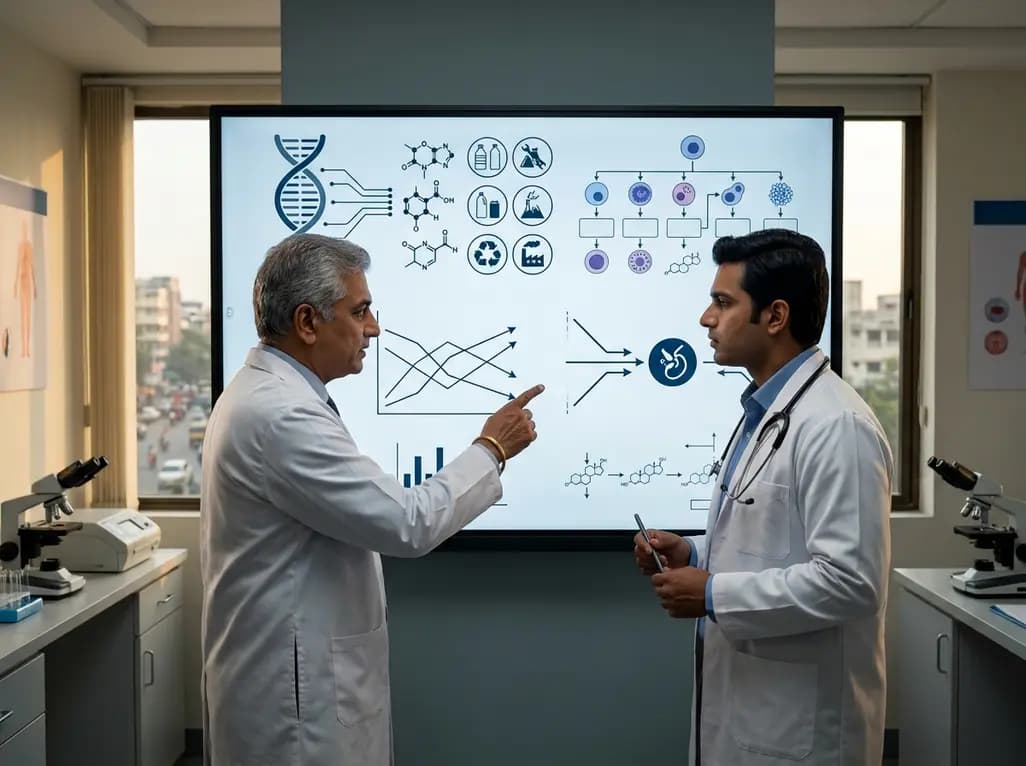
A study identifies a critical hypospadias gene-environment interaction. Research shows that the risk gene DNAH8 and DEHP exposure combine to disrupt steroidogenesis and mesenchymal progenitor cell differentiation, significantly increasing the risk of severe urethral malformations in male fetuses.
5 days back
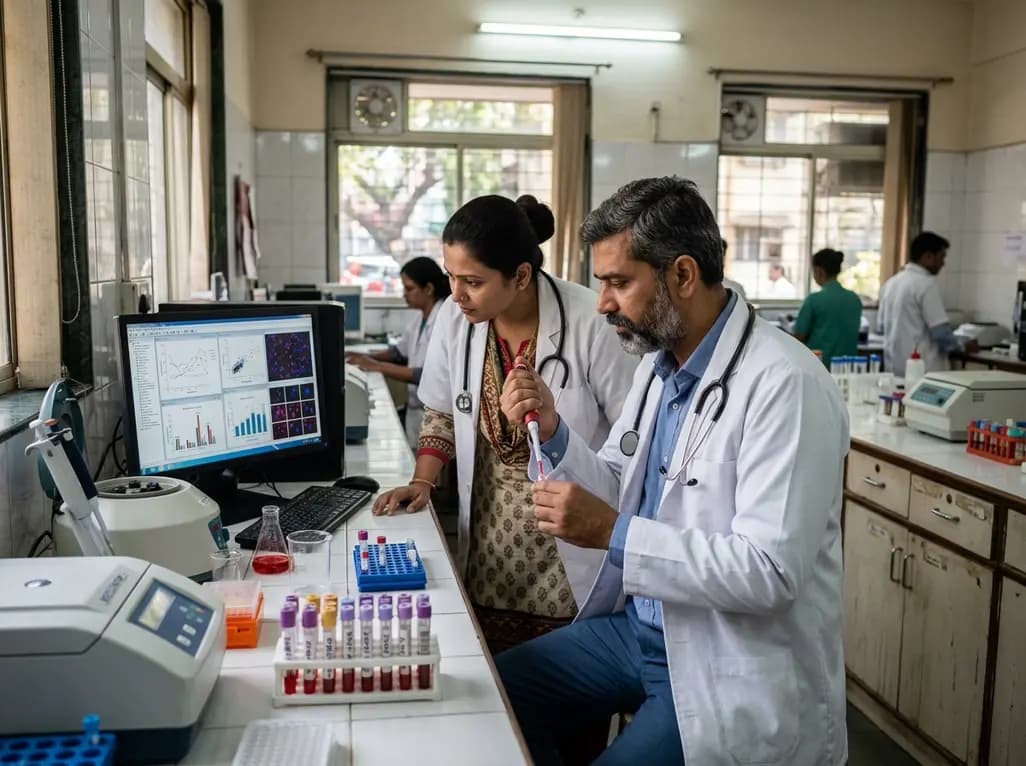
A pre-clinical study reveals that elevated serum pro-N-cadherin levels correlate strongly with severe cardiac fibrosis and diastolic dysfunction following radiation exposure, promising a potential early biomarker for radiation-related heart disease.
3 days back
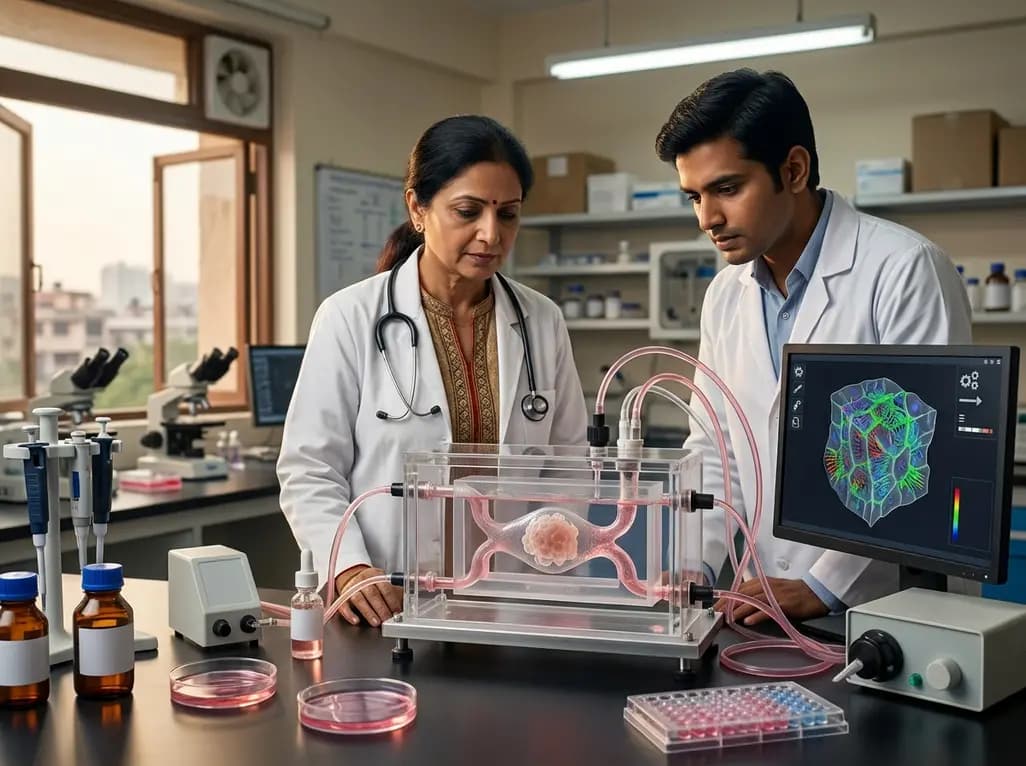
Discover how biophysical forces shape tissue formation and regeneration. This review explores mechanotransduction in tissue development, from molecular sensors like integrins to tissue-scale flows, highlighting critical implications for regenerative medicine and functional organoid engineering.
Last week
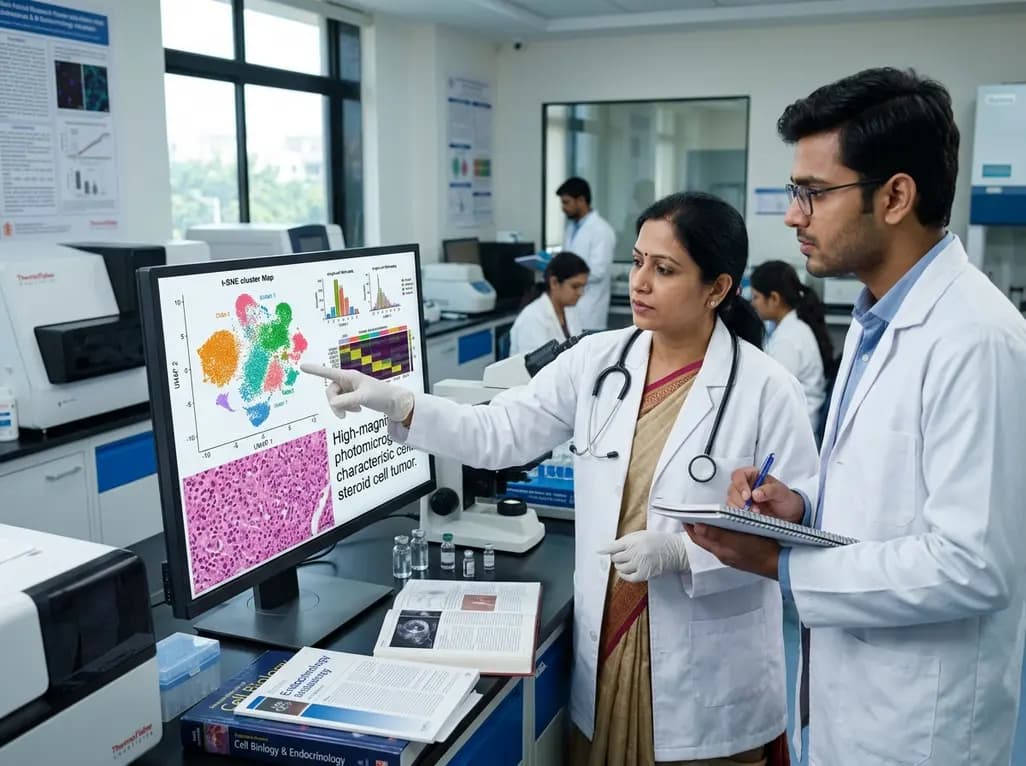
A groundbreaking study utilizes single-cell RNA sequencing to map the tumor microenvironment of ovarian steroid cell tumors-not otherwise specified (SCT-NOS), identifying key steroidogenic subtypes and immune cell distributions that drive hyperandrogenism and tumor progression.
Last week
