.webp&w=384&q=75)

Loading, please wait...
Loading, please wait...
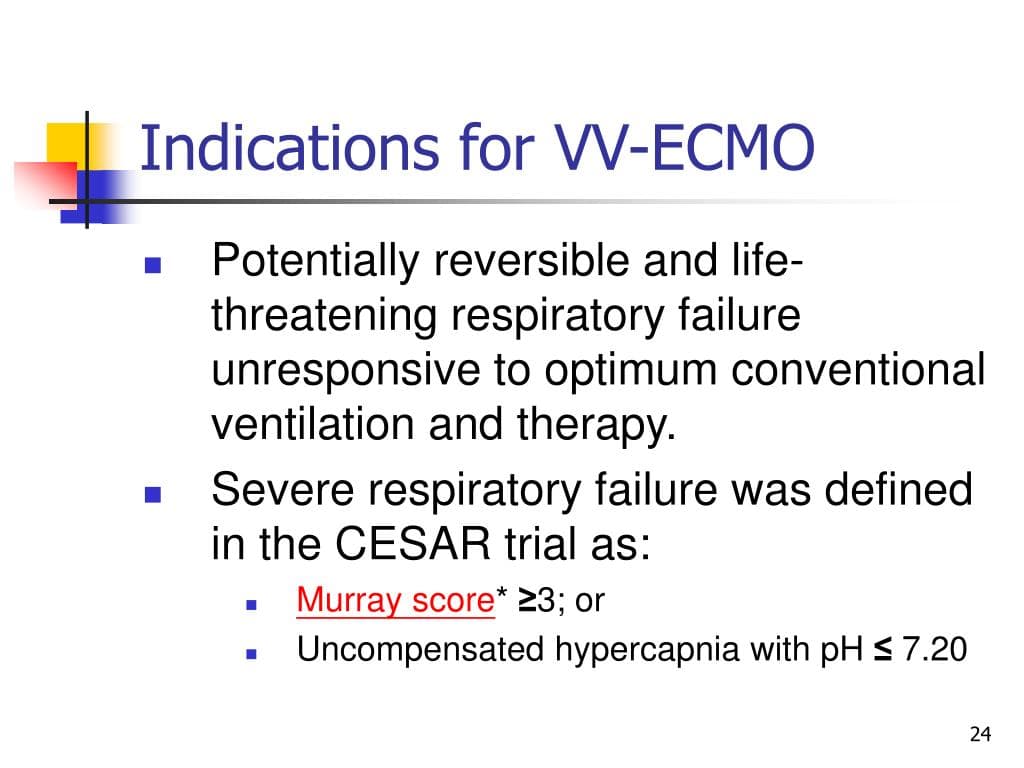
The CESAR multicenter randomized trial compared referral to an expert center for consideration of ECMO with conventional ventilatory support in adults with severe, potentially reversible respiratory failure. The study was not a pure device-versus-device comparison: patients randomized to the ECMO strategy were managed within a specialist-center pathway that included lung-protective ventilation and the option of ECMO when appropriate. The trial found improved survival without severe disability at six months in the ECMO-referral group, helping establish referral to experienced ECMO centers as a potential strategy for selected patients with refractory respiratory failure. The publication is highly relevant to the NAPCON ECMO brain-storming session because it shifts attention from the machine itself to the referral system, expertise, patient selection and multidisciplinary infrastructure needed to use ECMO effectively. For non-metro centers, the practical message is that capacity building involves recognition of severe disease, timely referral and network design—not simply acquiring an ECMO circuit. The study also predates modern ECMO practice, so decisions today must incorporate contemporary selection criteria and evolving evidence.

Read summarized clinical updates, watch expert medical content, and earn CME certifications right from your smartphone.
Open your smartphone camera to scan and install.





The CESAR multicenter randomized trial compared referral to an expert center for consideration of ECMO with conventional ventilatory support in adults with severe, potentially reversible respiratory failure. The study was not a pure device-versus-device comparison: patients randomized to the ECMO strategy were managed within a specialist-center pathway that included lung-protective ventilation and the option of ECMO when appropriate. The trial found improved survival without severe disability at six months in the ECMO-referral group, helping establish referral to experienced ECMO centers as a potential strategy for selected patients with refractory respiratory failure. The publication is highly relevant to the NAPCON ECMO brain-storming session because it shifts attention from the machine itself to the referral system, expertise, patient selection and multidisciplinary infrastructure needed to use ECMO effectively. For non-metro centers, the practical message is that capacity building involves recognition of severe disease, timely referral and network design—not simply acquiring an ECMO circuit. The study also predates modern ECMO practice, so decisions today must incorporate contemporary selection criteria and evolving evidence.
last month
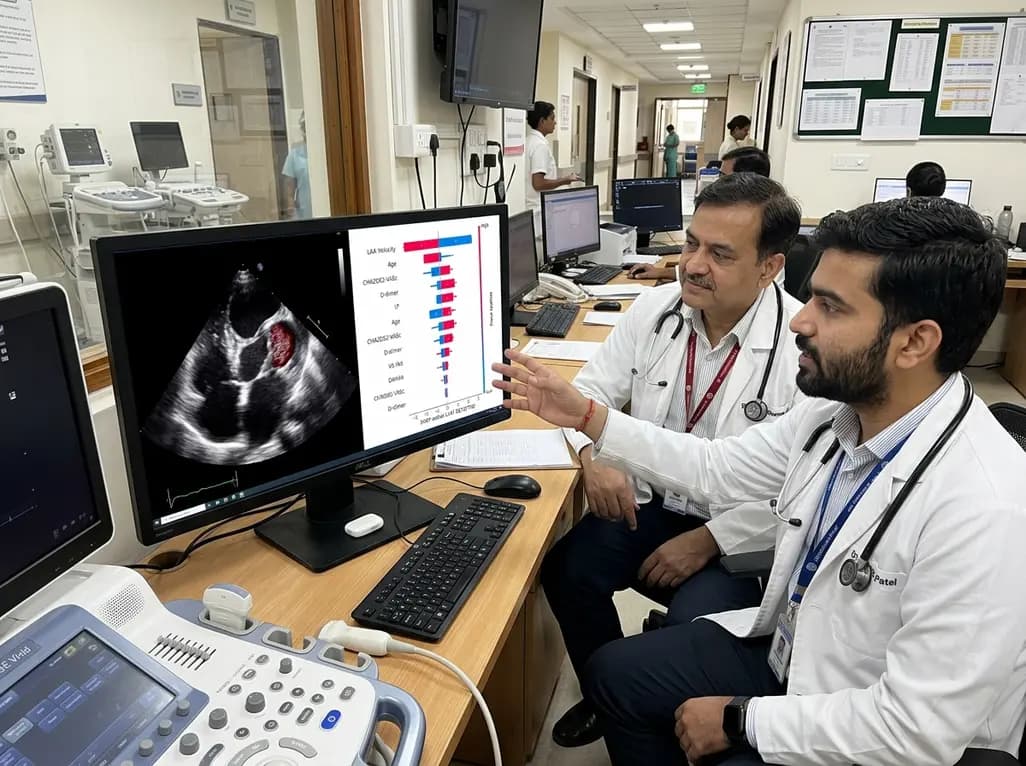
A study demonstrates an explainable machine learning framework integrating clinical and echocardiographic metrics to predict left atrial appendage thrombus in non-valvular atrial fibrillation, utilizing SHAP analysis for clinical interpretability.
4 days back

A systematic review and transcriptomic cross-study consensus analysis illuminates the role of necroptosis in cervical cancer. By promoting anti-tumor immunogenicity and resolving apoptosis resistance, necroptotic pathways offer actionable prognostic signatures and promising avenues for combination immunotherapy.
3 days back
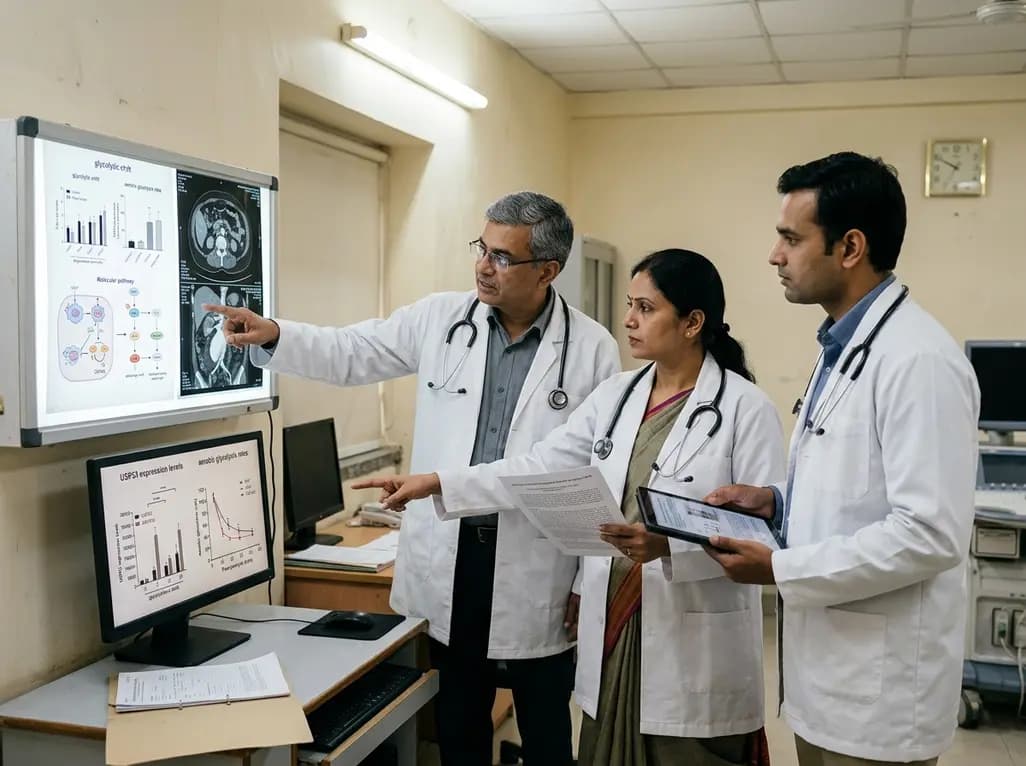
Abdominal aortic aneurysm rupture remains a catastrophic vascular emergency. Groundbreaking research reveals that USP53 accelerates aneurysm progression by reprogramming smooth muscle cell metabolism toward aerobic glycolysis, highlighting a promising target beyond conventional diameter-based surveillance.
Last week
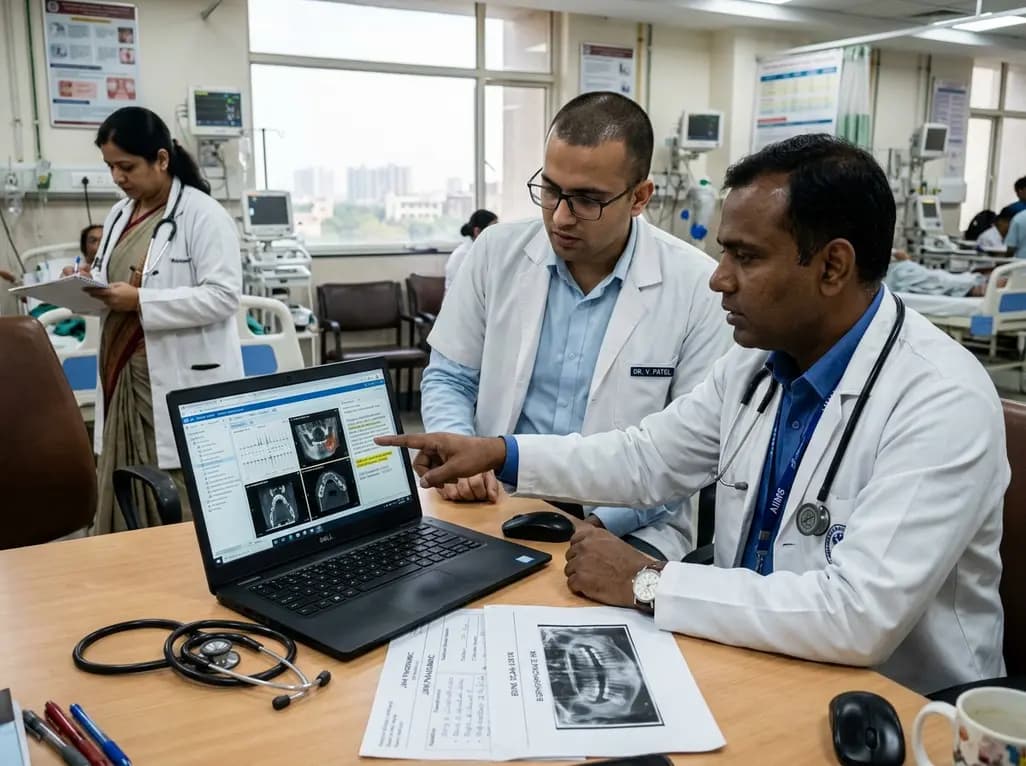
A breakthrough study leverages natural language processing to accurately identify incident medication-related osteonecrosis of the jaw and track antiresorptive drug holidays from clinical narratives in electronic health records, advancing osteoporosis pharmacovigilance and dental safety.
Last week
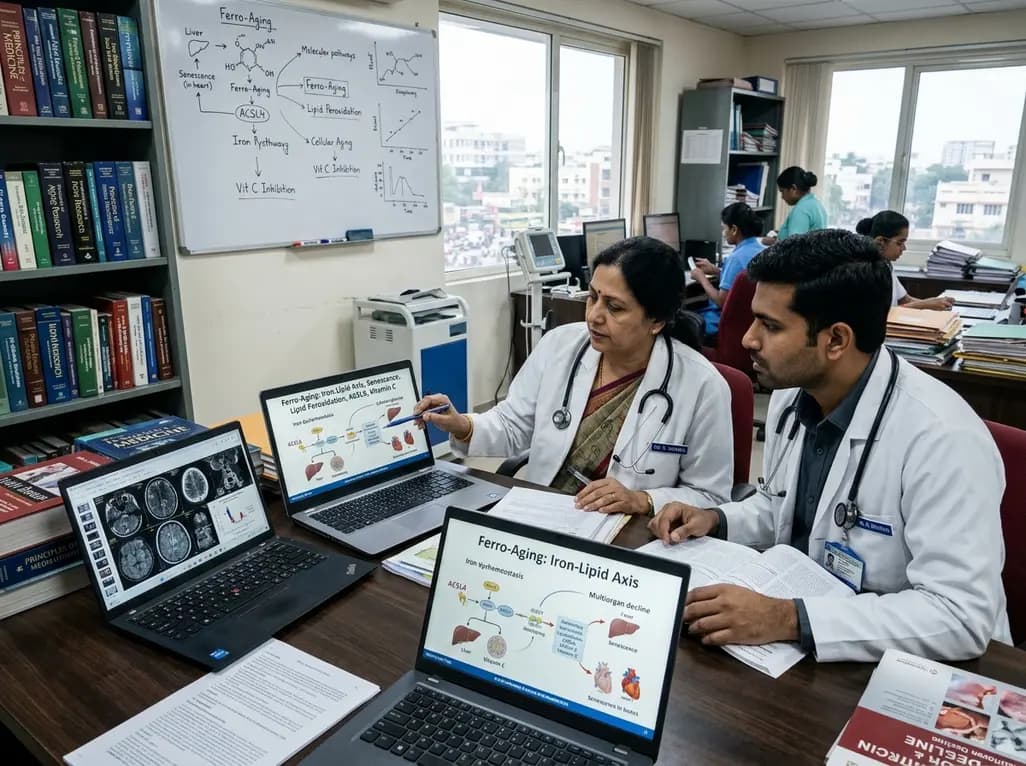
Recent research defines ferro-aging as a conserved iron-lipid axis driving organ decline across primates. Age-related iron dyshomeostasis stimulates ACSL4-mediated lipid peroxidation, promoting cellular senescence. Notably, vitamin C directly inhibits ACSL4, suppressing phospholipid oxidation and multi-organ decay.
Last week
