.webp&w=384&q=75)

Loading, please wait...
Loading, please wait...
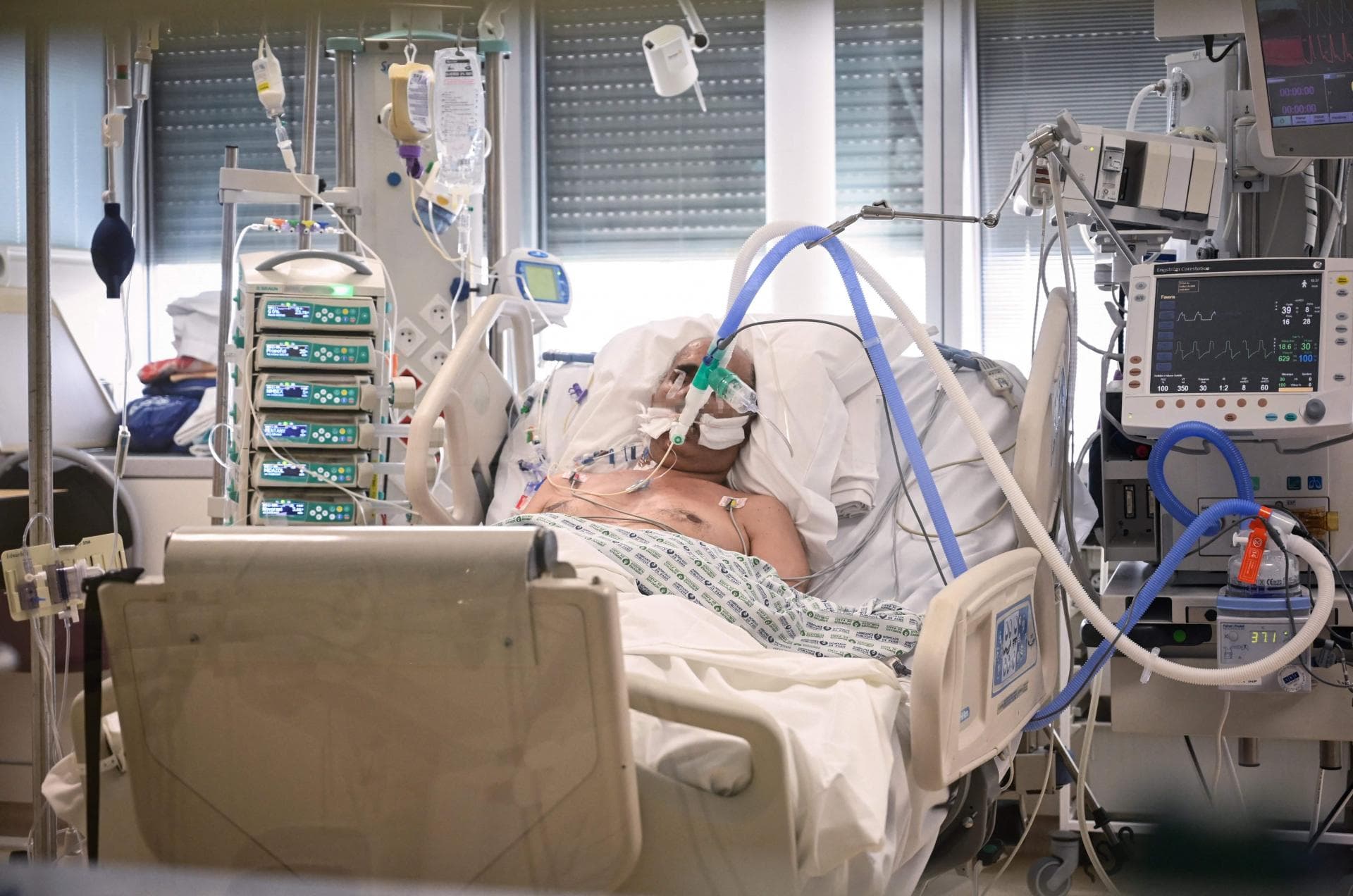
A 2026 pragmatic randomised trial evaluated the ABCDEF bundle in Australian ICU patients, examining effects on delirium, physical function and quality of life. The bundle integrates pain assessment, appropriate sedation, spontaneous awakening and breathing trials, delirium assessment and management, early mobility and exercise, and family engagement. The study is important because the ABCDEF concept has moved from an expert framework into everyday ICU implementation, yet questions remain about the size and consistency of patient-centred benefits. A pragmatic randomised design helps address the realities of applying a multidomain bundle in routine practice. For clinicians, the significance is that ICU liberation is not one intervention. Reducing avoidable sedation, assessing delirium, coordinating ventilator liberation and mobilising patients are interdependent actions. Family involvement can also support orientation, communication and shared decision-making. This aligns strongly with CritiCARE 2026's emphasis on humanisation, early mobilisation, delirium, ventilation liberation and family-centred care. The practical lesson is to think in systems rather than isolated tasks: the bundle works as a coordinated care process, with regular assessment and team ownership. It also provides a useful framework for audit and quality improvement because each component can be operationalised and tracked.

Read summarized clinical updates, watch expert medical content, and earn CME certifications right from your smartphone.
Open your smartphone camera to scan and install.





A 2026 pragmatic randomised trial evaluated the ABCDEF bundle in Australian ICU patients, examining effects on delirium, physical function and quality of life. The bundle integrates pain assessment, appropriate sedation, spontaneous awakening and breathing trials, delirium assessment and management, early mobility and exercise, and family engagement. The study is important because the ABCDEF concept has moved from an expert framework into everyday ICU implementation, yet questions remain about the size and consistency of patient-centred benefits. A pragmatic randomised design helps address the realities of applying a multidomain bundle in routine practice. For clinicians, the significance is that ICU liberation is not one intervention. Reducing avoidable sedation, assessing delirium, coordinating ventilator liberation and mobilising patients are interdependent actions. Family involvement can also support orientation, communication and shared decision-making. This aligns strongly with CritiCARE 2026's emphasis on humanisation, early mobilisation, delirium, ventilation liberation and family-centred care. The practical lesson is to think in systems rather than isolated tasks: the bundle works as a coordinated care process, with regular assessment and team ownership. It also provides a useful framework for audit and quality improvement because each component can be operationalised and tracked.
4 weeks back

Discover how catalytic nanozymes redefine autoimmune disease therapy by establishing a physiological redox set-point to restore immune tolerance without broad immunosuppression.
Last week
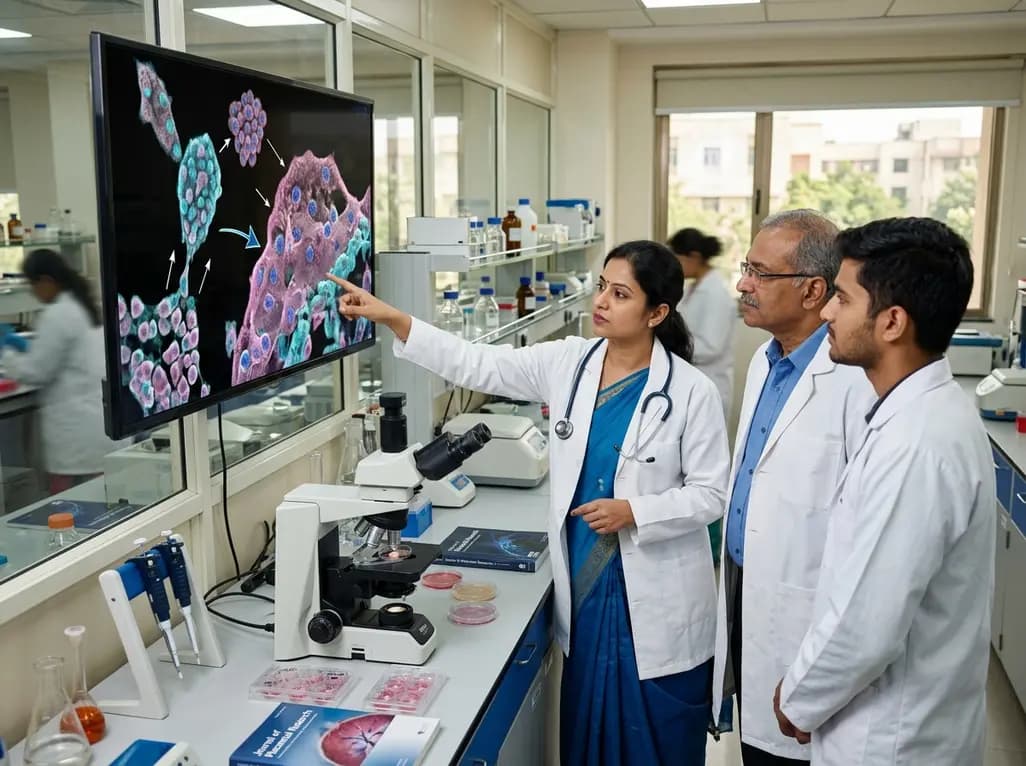
Recent research reveals that downregulating YAP1/TAZ-TEAD via Hippo signaling triggers spontaneous human trophoblast syncytialization in 3D cultures, illuminating placental biology and preeclampsia.
3 weeks back

A landmark comparative study evaluates atrial electrophysiology across humans, swine, and rodents. By linking cellular recordings with transcriptomics and in silico modeling, researchers resolve cross-species gaps, explaining translational failures to advance targeted therapies for atrial arrhythmias.
3 weeks back

A novel pathology-adaptive surface engineering strategy uses functionalized plasma polymer coatings to selectively modulate AGE adsorption, reducing oxidative stress and restoring bone formation in diabetic and aging microenvironments.
last month

Researchers have developed an innovative ultrasound-responsive nano-contrast agent that co-delivers CIITA-siRNA and rapamycin directly to inflamed thyroid tissue, significantly reducing autoimmune injury and thyroid autoantibodies in preclinical models of Hashimoto thyroiditis.
3 weeks back
