.webp&w=384&q=75)

Loading, please wait...
Loading, please wait...

The 2026 Surviving Sepsis Campaign guideline update reflects how rapidly sepsis management has evolved since the previous international recommendations. The guideline addresses recognition and diagnosis, antimicrobial therapy, source control, haemodynamic management, vasopressors, organ support, nutrition, corticosteroids, glucose control and post-intensive care considerations. For clinicians, the value of the update is less about one new intervention and more about integrating a large and changing evidence base into a practical framework. The 2026 document incorporates contemporary evidence on fluid strategies, dynamic assessment of perfusion, antimicrobial timing and de-escalation, vasopressor use, corticosteroids and organ support. It also places greater emphasis on context, patient heterogeneity and implementation. This directly aligns with the conference's focus on evolving definitions, precision care, personalised resuscitation, antibiotic stewardship and guideline implementation. A key practical lesson is that sepsis care should be dynamic: reassess perfusion, treatment response, infection source and organ function repeatedly rather than treating the initial presentation as a fixed state. For HCPs, the guideline is best used as a structured decision framework, combined with bedside physiology and clinical judgement. It is especially relevant when translating international evidence into resource-variable ICU practice.

Read summarized clinical updates, watch expert medical content, and earn CME certifications right from your smartphone.
Open your smartphone camera to scan and install.





The 2026 Surviving Sepsis Campaign guideline update reflects how rapidly sepsis management has evolved since the previous international recommendations. The guideline addresses recognition and diagnosis, antimicrobial therapy, source control, haemodynamic management, vasopressors, organ support, nutrition, corticosteroids, glucose control and post-intensive care considerations. For clinicians, the value of the update is less about one new intervention and more about integrating a large and changing evidence base into a practical framework. The 2026 document incorporates contemporary evidence on fluid strategies, dynamic assessment of perfusion, antimicrobial timing and de-escalation, vasopressor use, corticosteroids and organ support. It also places greater emphasis on context, patient heterogeneity and implementation. This directly aligns with the conference's focus on evolving definitions, precision care, personalised resuscitation, antibiotic stewardship and guideline implementation. A key practical lesson is that sepsis care should be dynamic: reassess perfusion, treatment response, infection source and organ function repeatedly rather than treating the initial presentation as a fixed state. For HCPs, the guideline is best used as a structured decision framework, combined with bedside physiology and clinical judgement. It is especially relevant when translating international evidence into resource-variable ICU practice.
4 weeks back

Discover how catalytic nanozymes redefine autoimmune disease therapy by establishing a physiological redox set-point to restore immune tolerance without broad immunosuppression.
Last week
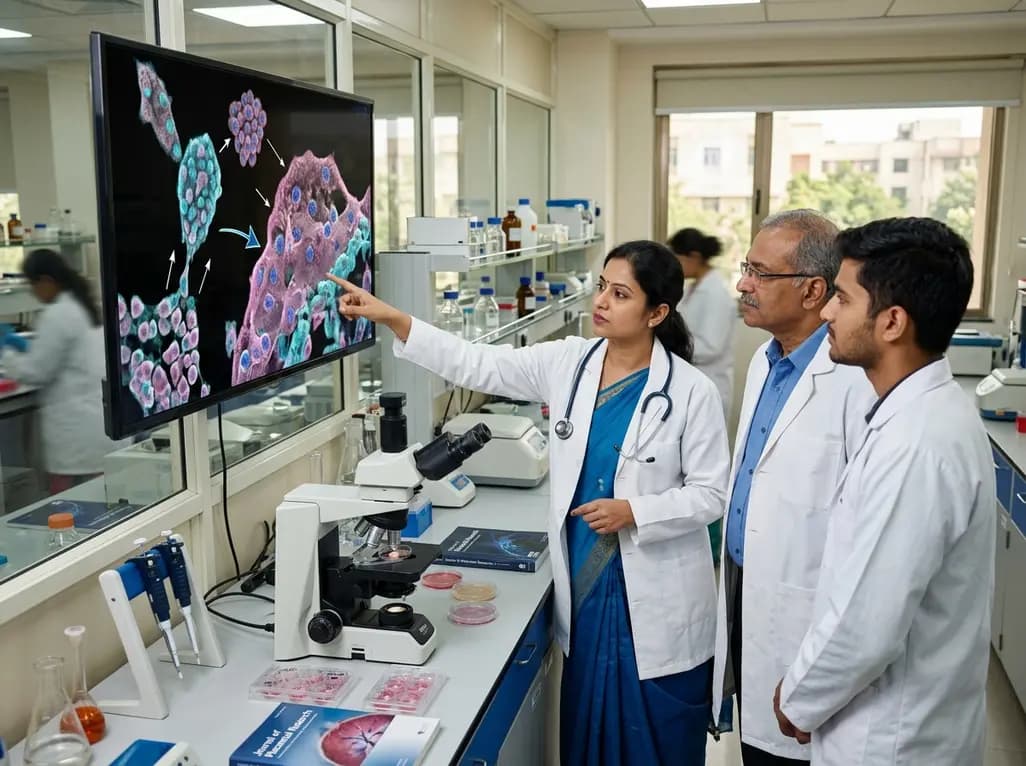
Recent research reveals that downregulating YAP1/TAZ-TEAD via Hippo signaling triggers spontaneous human trophoblast syncytialization in 3D cultures, illuminating placental biology and preeclampsia.
3 weeks back

A landmark comparative study evaluates atrial electrophysiology across humans, swine, and rodents. By linking cellular recordings with transcriptomics and in silico modeling, researchers resolve cross-species gaps, explaining translational failures to advance targeted therapies for atrial arrhythmias.
3 weeks back

A novel pathology-adaptive surface engineering strategy uses functionalized plasma polymer coatings to selectively modulate AGE adsorption, reducing oxidative stress and restoring bone formation in diabetic and aging microenvironments.
last month
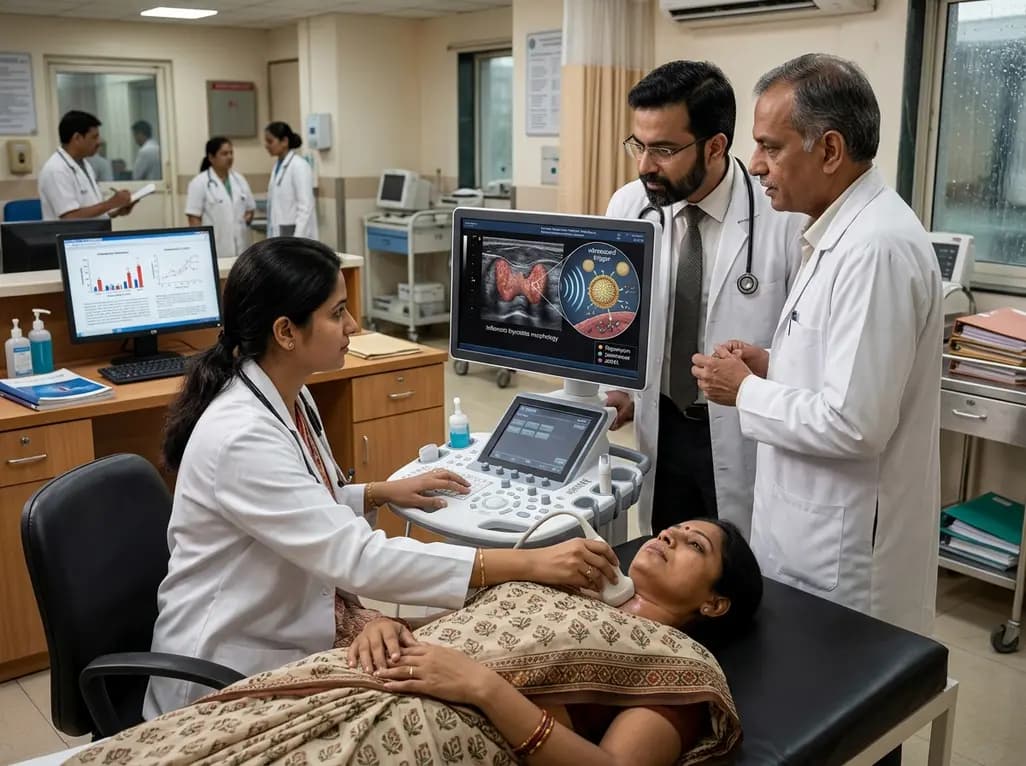
Researchers have developed an innovative ultrasound-responsive nano-contrast agent that co-delivers CIITA-siRNA and rapamycin directly to inflamed thyroid tissue, significantly reducing autoimmune injury and thyroid autoantibodies in preclinical models of Hashimoto thyroiditis.
3 weeks back
