.webp&w=384&q=75)

Loading, please wait...
Loading, please wait...
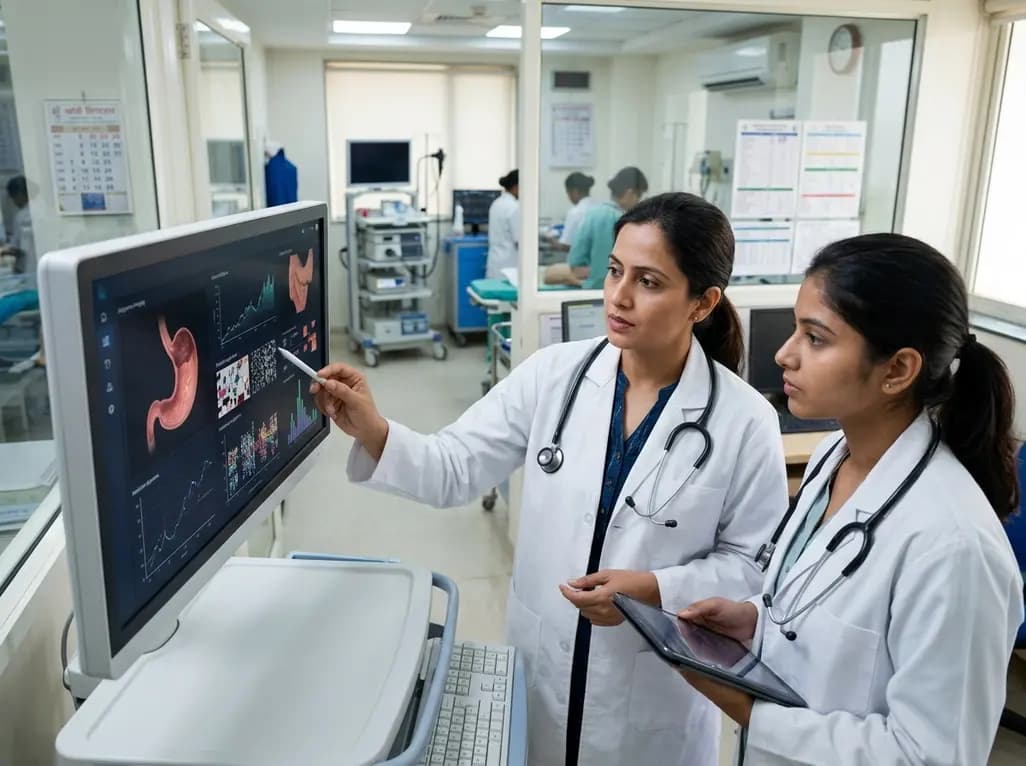
Artificial intelligence is currently demonstrating an unprecedented capacity to learn from massive amounts of data. In the medical field, synthetic data in gastroenterology provides a vital solution to growing data privacy concerns. Researchers generate this data to mimic real-world clinical patterns without using actual patient identities. Consequently, this innovation allows for safer data sharing and more robust model training. Because privacy laws are increasingly strict, these advances are essential for medical progress in India and globally.
Advanced data-driven solutions lead toward better clinical decision support systems. Furthermore, synthetic data helps in creating unbiased datasets. This ensures that AI tools perform accurately across different patient populations. Therefore, clinicians can rely on these models for early prevention and efficient diagnosis. Moreover, the integration of synthetic data in gastroenterology reduces the high costs associated with manual data curation. This efficiency allows hospitals to allocate resources more effectively to direct patient care.
While the benefits are clear, adopting these technologies requires careful validation. Researchers must ensure that synthetic datasets accurately reflect biological variations. Additionally, translating these tools into daily clinical workflows remains a significant priority for the medical community. By leveraging these benefits, healthcare providers can achieve a transformational effect on the treatment of complex gastrointestinal diseases.
It is artificially generated data that mimics the statistical properties of real patient data without containing any identifiable personal information. This helps researchers bypass privacy hurdles while training AI models.
Synthetic datasets allow students and residents to practice on diverse, realistic clinical scenarios. These scenarios might otherwise be rare or difficult to access due to strict medical privacy restrictions.
Disclaimer: This content is for informational and educational purposes only. It does not constitute medical advice, diagnosis, or treatment. Always seek the advice of your physician or other qualified health provider with any questions regarding a medical condition. Refer to the latest local and national guidelines for clinical practice.
References
Gatoula P et al. Synthetic data generation: challenges and perspectives for gastrointestinal medicine. Nat Rev Gastroenterol Hepatol. 2026 Jun 17. doi: 10.1038/s41575-026-01216-6. PMID: 42310470.
Chen RJ et al. Synthetic data in machine learning for medicine and healthcare. Nat Biomed Eng. 2021;5(6):493-497.
European Medicines Agency. Reflection paper on the use of artificial intelligence in the lifecycle of medicines. 2023.

Read summarized clinical updates, watch expert medical content, and earn CME certifications right from your smartphone.
Open your smartphone camera to scan and install.





AI is revolutionizing medicine by learning from massive datasets. In gastroenterology, synthetic data offers a privacy-preserving way to train robust clinical models and improve patient care. Explore the challenges and perspectives of this emerging technology for early disease diagnosis and treatment.
4 months ago

Depemokimab offers twice-yearly dosing for severe eosinophilic asthma and chronic rhinosinusitis with nasal polyps, significantly cutting exacerbations and hospital admissions.
4 days back

A novel copper metal-organic framework hydrogel remodels the uterine microenvironment to stimulate robust endometrial regeneration, reduce intrauterine fibrosis, and restore reproductive fertility, offering a groundbreaking strategy for managing refractory endometrial damage and Asherman syndrome.
4 days back
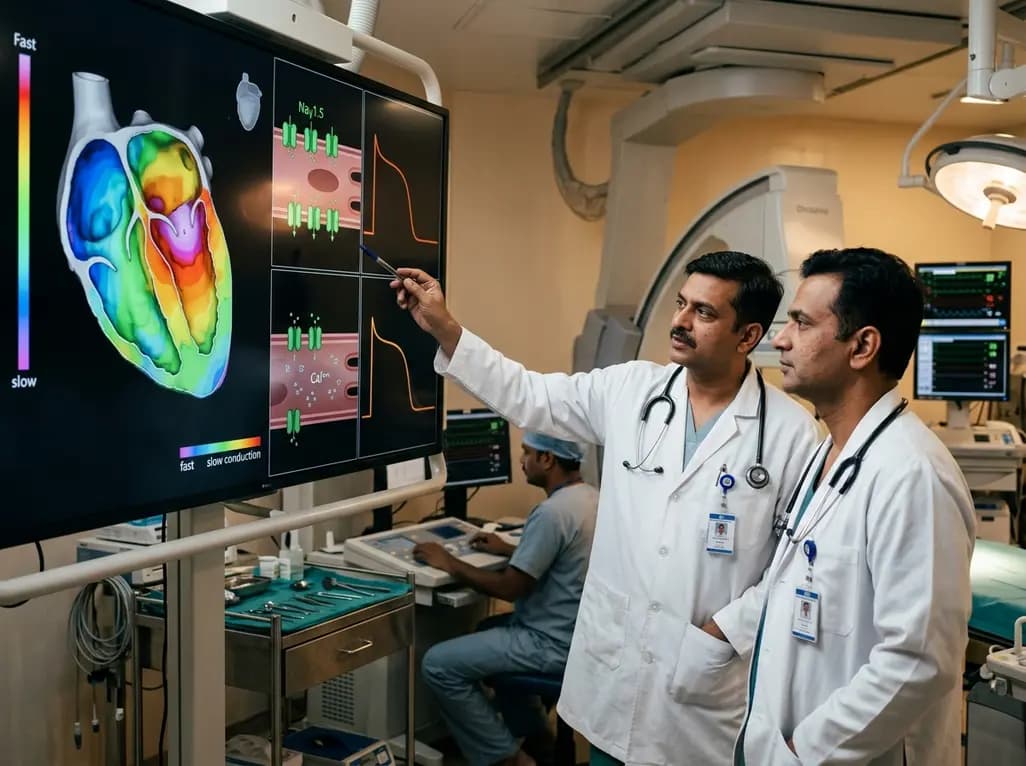
New research reveals that non-ablative radiotherapy suppresses ventricular tachycardia by increasing conduction velocity via NaV1.5 upregulation and action potential prolongation. However, sustained sodium current elevation and depressed calcium handling highlight the need for careful clinical translation.
6 days back
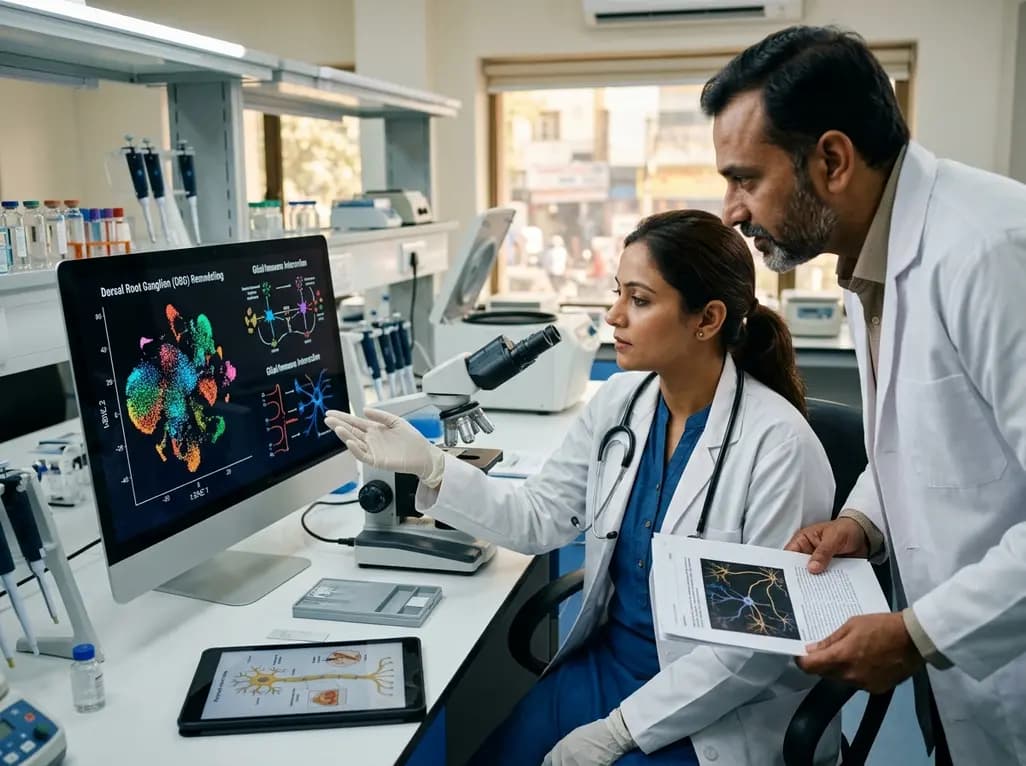
A single-cell transcriptomic atlas reveals how peripheral nerve injuries cause dorsal root ganglion remodeling. By evaluating proximal nerve crush and resection, researchers identify distinct glial and immune programs that resolve neuropathic pain and promote regeneration.
4 days back
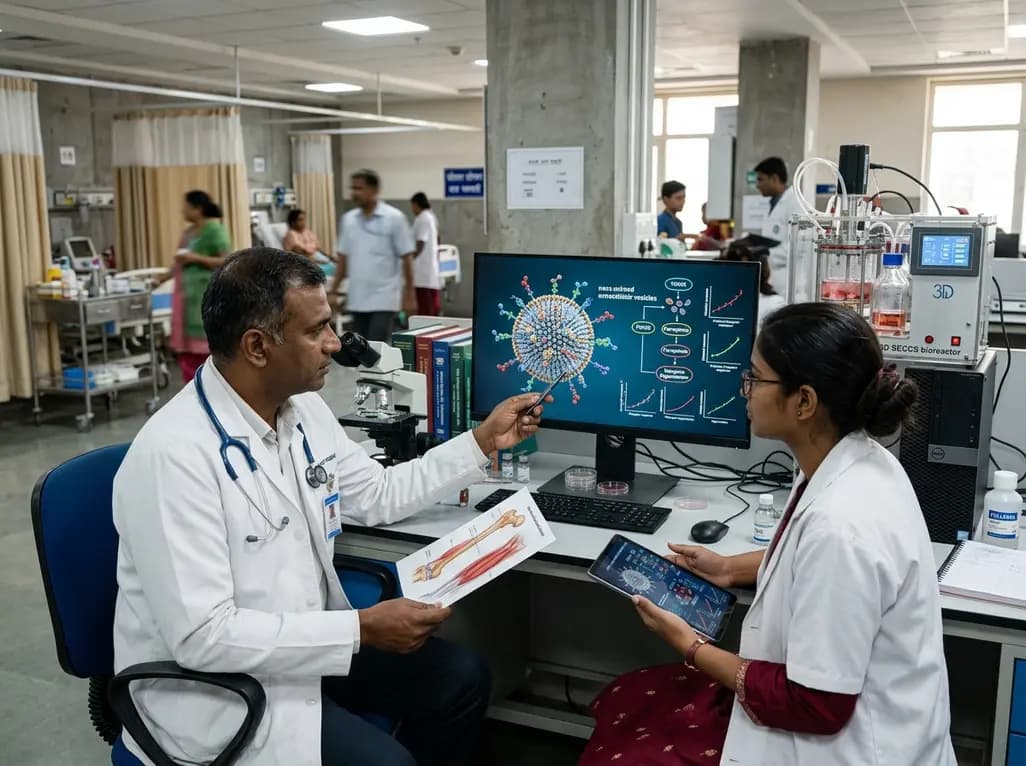
A breakthrough study demonstrates that fullerol-primed extracellular vesicles generated in a 3D SECCS bioreactor attenuate ferroptosis and restore myogenic regeneration in diabetes via the FOXO3 pathway, offering a cell-free therapeutic strategy for diabetic musculoskeletal degeneration.
4 days back
