.webp&w=384&q=75)

Loading, please wait...
Loading, please wait...
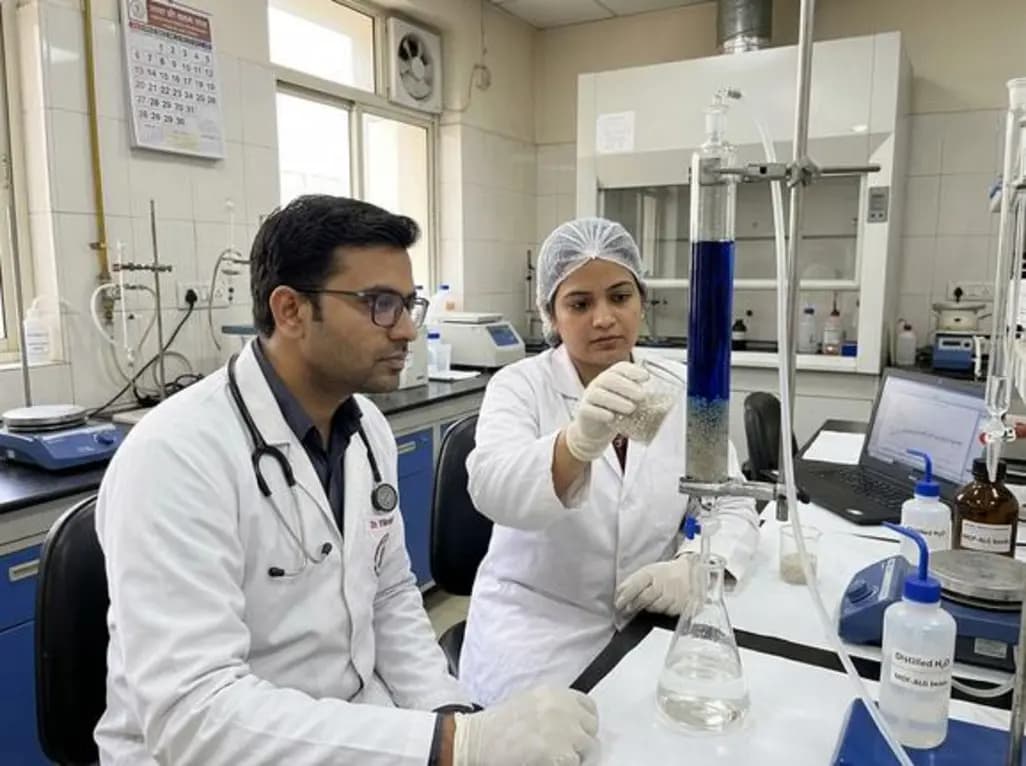
The removal of synthetic organic dyes from water is a significant environmental challenge. Sustainable water remediation technology is essential to address the health risks associated with industrial runoff. These dyes often contain carcinogenic and mutagenic compounds that threaten both aquatic ecosystems and human health. Recently, researchers reported a breakthrough using sulfur-functionalized metal-organic frameworks (MOFs) to tackle this persistent problem.
Specifically, scientists developed a scalable platform that uses multivariate MOFs incorporating methylcysteine and methionine. These specific functionalities allow the material to capture dyes more rapidly than traditional models. To make this technology practical for real-world use, the team immobilized the MOFs within calcium alginate spherical beads. This shaping process creates a mechanically robust composite that maintains its internal porosity. Consequently, these materials remain effective over multiple reuse cycles without losing performance.
Furthermore, the system demonstrated remarkable efficiency under continuous-flow conditions. It achieved a 99% removal rate for various dyes in real-water samples from the Turia River in Spain. Because this high level of decontamination is vital for regions facing heavy industrial pollution, the technology has immediate practical implications. Additionally, the use of biodegradable alginate makes the process more eco-friendly. Therefore, this innovation provides a scalable solution for large-scale water treatment plants.
Industrial dyes are not just aesthetic pollutants; they are toxic chemicals. For instance, exposure to these substances can lead to severe skin conditions, respiratory issues, and long-term carcinogenic effects. However, by implementing sustainable water remediation technology, communities can significantly reduce their toxic load. Consequently, this advancement helps prevent waterborne health crises and supports the move toward a cleaner environment.
The spheres act as advanced filters that trap toxic dye molecules with 99% efficiency. Their reusable nature ensures that water treatment remains cost-effective and environmentally friendly.
While this study focused on synthetic dyes, sulfur-functionalized MOFs are also known for their ability to bind with heavy metals like mercury and lead, making them versatile for overall water purification.
Disclaimer: This content is for informational and educational purposes only. It does not constitute medical advice or endorse any specific commercial product. Refer to the latest local and national guidelines for clinical practice.
References
García J et al. Multivariate sulfur-functionalized MOFs shaped into alginate spheres for robust and reusable multidye water remediation. Dalton Trans. 2026 Jun 19. doi: 10.1039/d6dt01043a. PMID: 42318772.
Tkaczyk A et al. Synthetic organic dyes as contaminants of the aquatic environment and their implications for ecosystems: A review. Sci Total Environ. 2020 May 15;717:137222. doi: 10.1016/j.scitotenv.2020.137222.
Upadhyay D et al. Impact of Synthetic Food Colouring Agents on Aquatic Ecosystems and Human Health. Uttar Pradesh Journal of Zoology. 2023;44(14):71-84.

Read summarized clinical updates, watch expert medical content, and earn CME certifications right from your smartphone.
Open your smartphone camera to scan and install.





Researchers have developed a scalable water treatment platform using sulfur-functionalized MOFs in alginate spheres. This system removes 99% of toxic synthetic dyes from water and remains reusable over multiple cycles, offering a robust solution for industrial decontamination and public health protection.
4 months ago

Depemokimab offers twice-yearly dosing for severe eosinophilic asthma and chronic rhinosinusitis with nasal polyps, significantly cutting exacerbations and hospital admissions.
3 days back

A novel copper metal-organic framework hydrogel remodels the uterine microenvironment to stimulate robust endometrial regeneration, reduce intrauterine fibrosis, and restore reproductive fertility, offering a groundbreaking strategy for managing refractory endometrial damage and Asherman syndrome.
3 days back

New research reveals that non-ablative radiotherapy suppresses ventricular tachycardia by increasing conduction velocity via NaV1.5 upregulation and action potential prolongation. However, sustained sodium current elevation and depressed calcium handling highlight the need for careful clinical translation.
5 days back
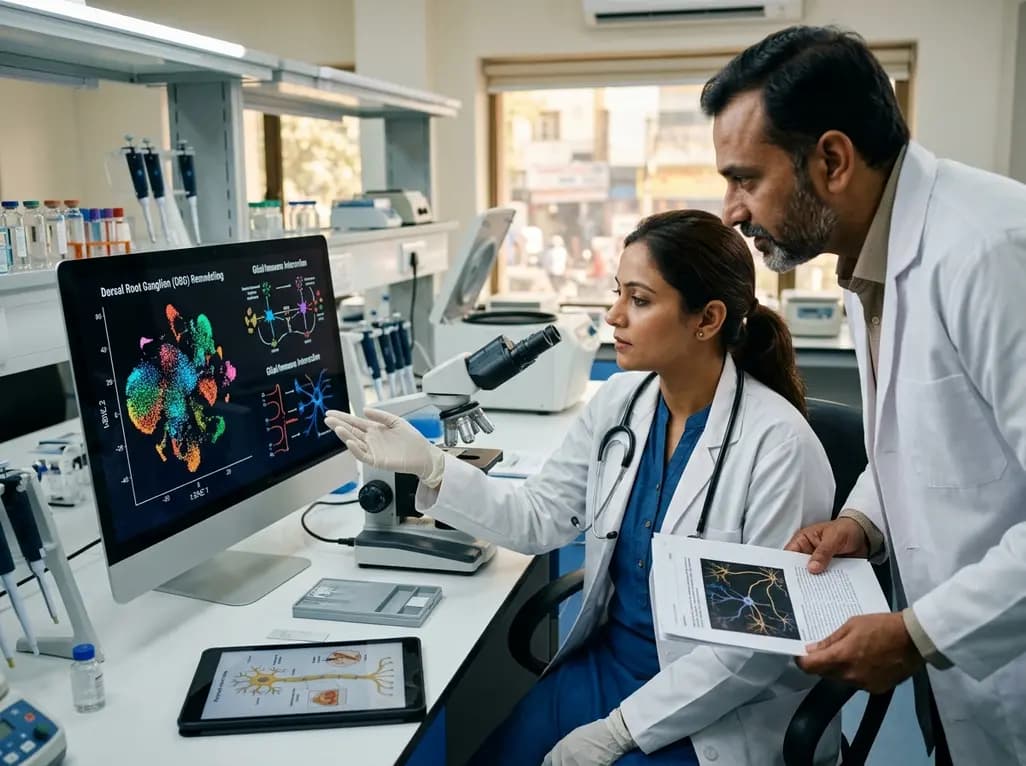
A single-cell transcriptomic atlas reveals how peripheral nerve injuries cause dorsal root ganglion remodeling. By evaluating proximal nerve crush and resection, researchers identify distinct glial and immune programs that resolve neuropathic pain and promote regeneration.
3 days back
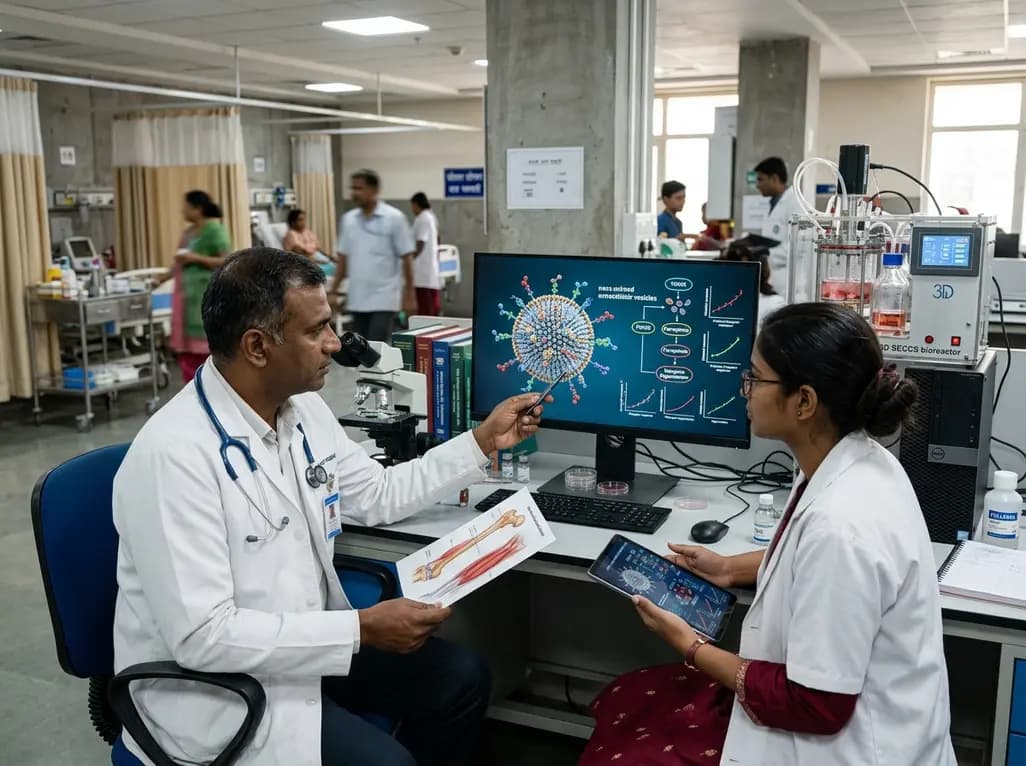
A breakthrough study demonstrates that fullerol-primed extracellular vesicles generated in a 3D SECCS bioreactor attenuate ferroptosis and restore myogenic regeneration in diabetes via the FOXO3 pathway, offering a cell-free therapeutic strategy for diabetic musculoskeletal degeneration.
3 days back
