.webp&w=384&q=75)

Loading, please wait...
Loading, please wait...
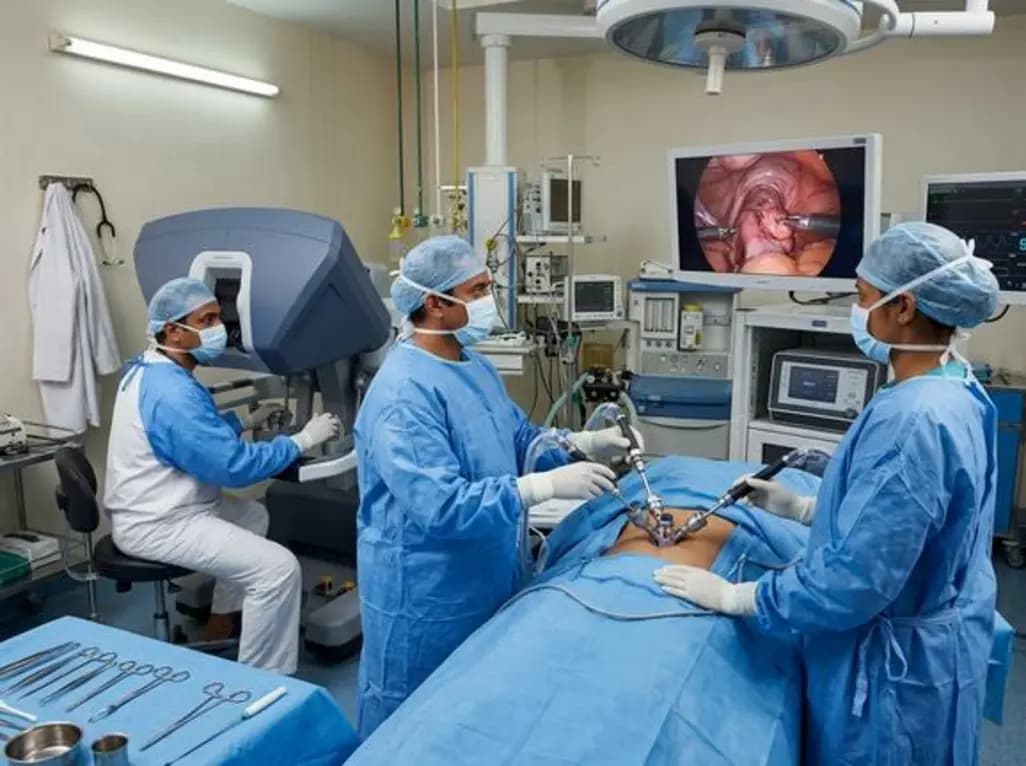
Recent surgical advancements have introduced Single-Port Robotic TAMIS (SPrTAMIS) as a transformative approach for managing rectal adenocarcinoma. Transanal minimally invasive surgery (TAMIS) has already proven its value for local excision of rectal lesions. However, integrating robotic platforms like the Da Vinci SP enhances surgical precision in the anatomically confined pelvic space. This innovative approach is particularly beneficial for patients following neoadjuvant therapy as part of organ preservation strategies.
Medical experts recently evaluated the first European series utilizing the novel FishBowl docking system. This system effectively addresses traditional docking constraints that previously limited the widespread adoption of single-port robotic platforms. By streamlining the interface between the robot and the patient, the FishBowl system allows for improved maneuverability and visualization during complex transanal resections.
The implementation of Single-Port Robotic TAMIS has shown promising perioperative results. In a case series of five patients, all procedures were completed robotically without the need for conversion to open or laparoscopic surgery. The study reported a mean operative time of 85 minutes, with no intraoperative complications. These findings suggest that the integration of specialized docking systems can overcome previous technical hurdles associated with robotic transanal access.
Postoperative recovery was notably rapid, with gastrointestinal function typically resuming by the first postoperative day. Most patients achieved discharge within 48 hours. Furthermore, histological analysis confirmed complete excision with negative margins in all cases, reinforcing the oncological safety of this minimally invasive method. The ergonomic benefits for surgeons, combined with reduced trauma to the anal canal, mark a significant step forward in rectal cancer care.
The FishBowl docking system specifically facilitates Single-Port Robotic TAMIS by providing a stable and efficient entry point for robotic instrumentation. This setup reduces external collisions between robotic arms, a common issue in multiport robotic surgery. As robotic technology continues to evolve, such specialized accessories will likely play a crucial role in standardizing complex transanal procedures and improving patient quality of life through organ preservation.
SPrTAMIS offers superior 3D visualization and increased instrument dexterity within the narrow rectal lumen. These features allow for more precise dissection and easier suturing compared to conventional laparoscopic-based TAMIS techniques.
While not mandatory for all procedures, the FishBowl system is specifically designed to optimize single-port robotic access for transanal surgery, making the setup more ergonomic and reducing the risk of instrument interference.
Disclaimer: This content is for informational and educational purposes only and does not constitute medical advice. It is not intended to be a substitute for professional medical advice, diagnosis, or treatment. Always seek the advice of your physician or other qualified health provider with any questions you may have regarding a medical condition. Refer to the latest local and national guidelines for clinical practice.
References
Mellano A et al. Single-Port Robotic Transanal Minimally Invasive Surgery for Rectal Cancer: A Novel Approach With FishBowl-Early Case Series. Surg Laparosc Endosc Percutan Tech. 2026 Jun 22. doi: 10.1097/SLE.0000000000001472. PMID: 42319965.
Marks JH et al. Single-port robotic transanal minimally invasive surgery (SP-TAMIS): a multi-institutional experience. Surgical Endoscopy. 2021;35(12):6984-6991.
Zhang X et al. Clinical applications of the da Vinci Single-Port robotic system for treatment of colorectal cancer: a narrative review. Journal of Robotic Surgery. 2024;18(1):45.

Read summarized clinical updates, watch expert medical content, and earn CME certifications right from your smartphone.
Open your smartphone camera to scan and install.





A breakthrough case series demonstrates that Single-Port Robotic TAMIS (SPrTAMIS) using the novel FishBowl docking system is a safe and feasible method for rectal cancer excision, offering improved ergonomics and minimal trauma compared to traditional techniques.
4 months ago

Depemokimab offers twice-yearly dosing for severe eosinophilic asthma and chronic rhinosinusitis with nasal polyps, significantly cutting exacerbations and hospital admissions.
4 days back

A novel copper metal-organic framework hydrogel remodels the uterine microenvironment to stimulate robust endometrial regeneration, reduce intrauterine fibrosis, and restore reproductive fertility, offering a groundbreaking strategy for managing refractory endometrial damage and Asherman syndrome.
5 days back
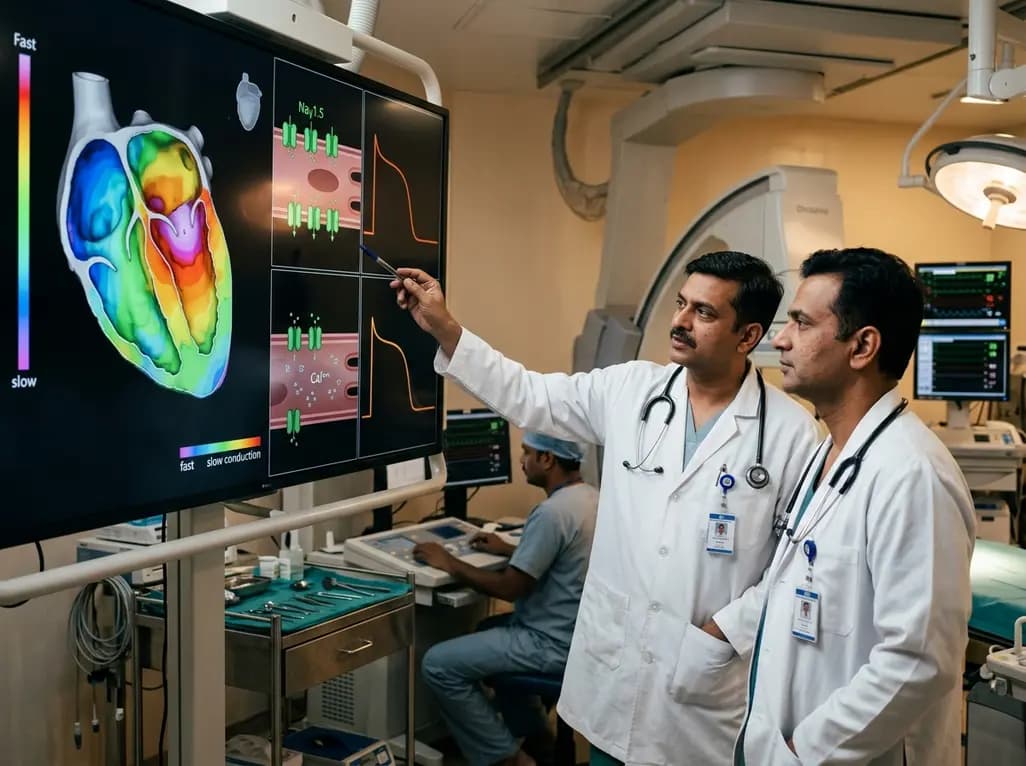
New research reveals that non-ablative radiotherapy suppresses ventricular tachycardia by increasing conduction velocity via NaV1.5 upregulation and action potential prolongation. However, sustained sodium current elevation and depressed calcium handling highlight the need for careful clinical translation.
Last week

A single-cell transcriptomic atlas reveals how peripheral nerve injuries cause dorsal root ganglion remodeling. By evaluating proximal nerve crush and resection, researchers identify distinct glial and immune programs that resolve neuropathic pain and promote regeneration.
5 days back
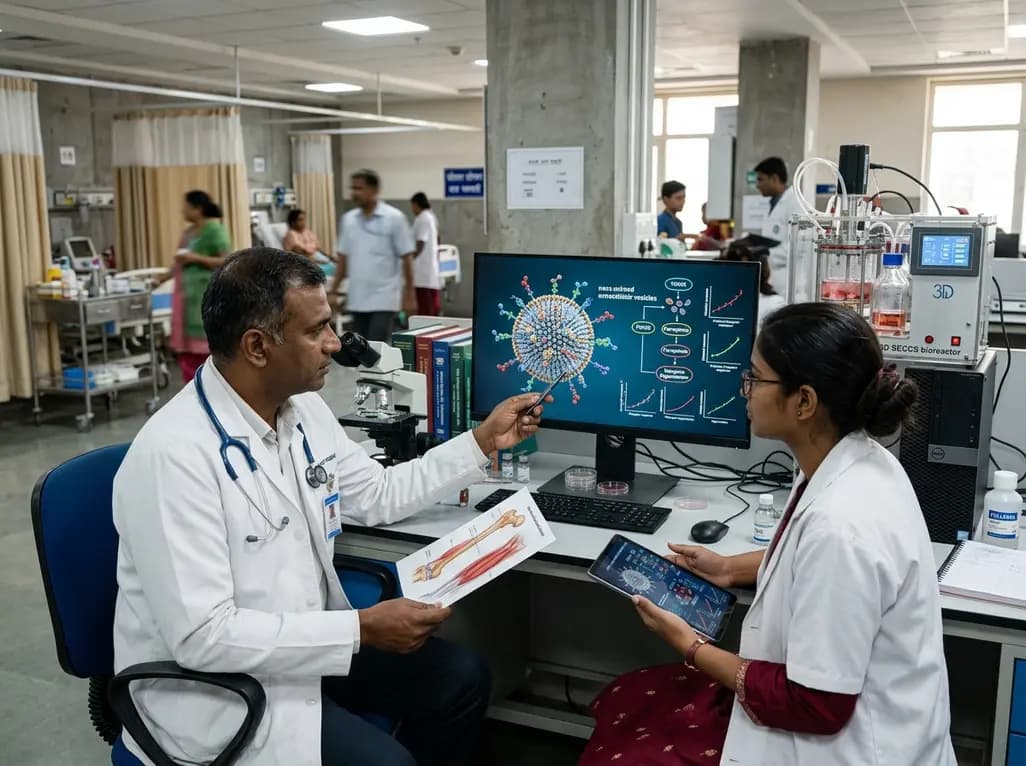
A breakthrough study demonstrates that fullerol-primed extracellular vesicles generated in a 3D SECCS bioreactor attenuate ferroptosis and restore myogenic regeneration in diabetes via the FOXO3 pathway, offering a cell-free therapeutic strategy for diabetic musculoskeletal degeneration.
5 days back
