.webp&w=384&q=75)

Loading, please wait...
Loading, please wait...
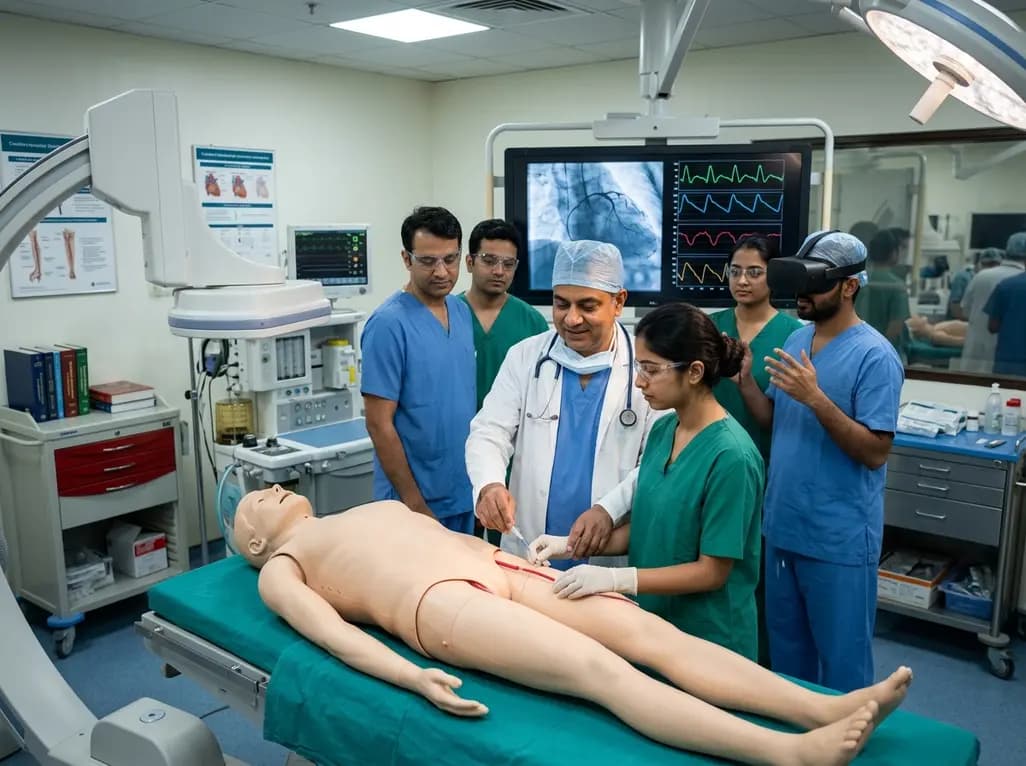
The landscape of medical education for interventional cardiology and cardiac surgery is shifting rapidly. Specifically, simulation-based cardiovascular training has become an essential response to increasing procedural complexity and safety requirements. Traditionally, training followed an apprenticeship model. However, regulatory constraints and heightened patient safety standards now demand more standardized methods. Experts analyzed evidence from 2020 to 2025 to understand this transformation. They found that simulation-based training (SBT) offers significant benefits across all clinical domains.
Research demonstrates that simulation-based training provides moderate to large effect sizes in skill acquisition. Notably, meta-analyses involving over 6,000 participants indicate that technical skills improve by 20% to 40%. Furthermore, this training modality contributes to a 51% reduction in medical errors. Consequently, trainees develop higher procedural competency before ever touching a patient. This environment allows for the repetition of high-risk tasks without compromising safety. Such precision is vital for the success of complex cardiovascular interventions.
Contemporary platforms are achieving high levels of simulation accuracy for complex procedures. These systems frequently utilize virtual reality and sophisticated haptic feedback. Additionally, artificial intelligence-powered adaptive learning platforms are becoming standard. These AI tools personalize the training experience based on individual performance data. Similarly, the integration of digital twins allows for personalized procedural planning. Therefore, a surgeon can practice on a digital replica of a specific patient's heart before the actual surgery. This innovation promises to further transform how we train the next generation of specialists.
Despite the proven efficacy, several barriers hinder the widespread adoption of SBT. Implementation costs are substantial, often ranging from $50,000 to $200,000 per high-fidelity system. In addition, 71% of practitioners report insufficient exposure to simulation. Access to these advanced systems remains limited in many regions. Thus, while SBT represents a paradigm shift, institutions must address these financial and logistical challenges. Ultimately, the goal is to bridge the gap between skill acquisition and direct improvements in patient outcomes.
By providing a risk-free environment, simulation-based training allows practitioners to master complex technical skills and crisis management protocols before treating live patients. Consequently, studies show a 51% reduction in medical errors among those trained through high-fidelity simulations.
High implementation costs, often ranging between $50,000 and $200,000 per system, represent a major barrier. Additionally, many practitioners report limited access to these facilities, highlighting the need for broader institutional support and funding in medical education.
Artificial intelligence powers adaptive learning platforms that adjust difficulty based on trainee performance. Furthermore, AI facilitates the creation of patient-specific digital twins, allowing surgeons to practice on precise replicas of a patient's unique anatomy before an intervention.
Disclaimer: This content is for informational and educational purposes only and does not constitute medical advice or a professional recommendation. Refer to the latest local and national guidelines for clinical practice.
References
Reed GW et al. Simulation-based training in cardiovascular intervention and cardiac surgery: bridging skill, safety, and innovation. Eur Heart J. 2026 Jun 16. doi: undefined. PMID: 42301733.
Singh R et al. Challenges in implementing simulation-based training programme in managing sick surgical patients in India: A review. Natl Med J India 2025;38:284-93. DOI: 10.25259/NMJI_310_2023.
Khera R et al. Cardiovascular care with digital twin technology in the era of generative artificial intelligence. Eur Heart J. 2024;45(38):3561-3574. doi: 10.1093/eurheartj/ehae619.
"
Read summarized clinical updates, watch expert medical content, and earn CME certifications right from your smartphone.
Open your smartphone camera to scan and install.





Simulation-based training (SBT) is revolutionizing cardiovascular education by reducing medical errors by 51% and improving technical skills. Despite high costs, integrating AI and virtual reality offers a standardized, risk-free environment for surgeons and cardiologists to master complex procedures.
4 months ago
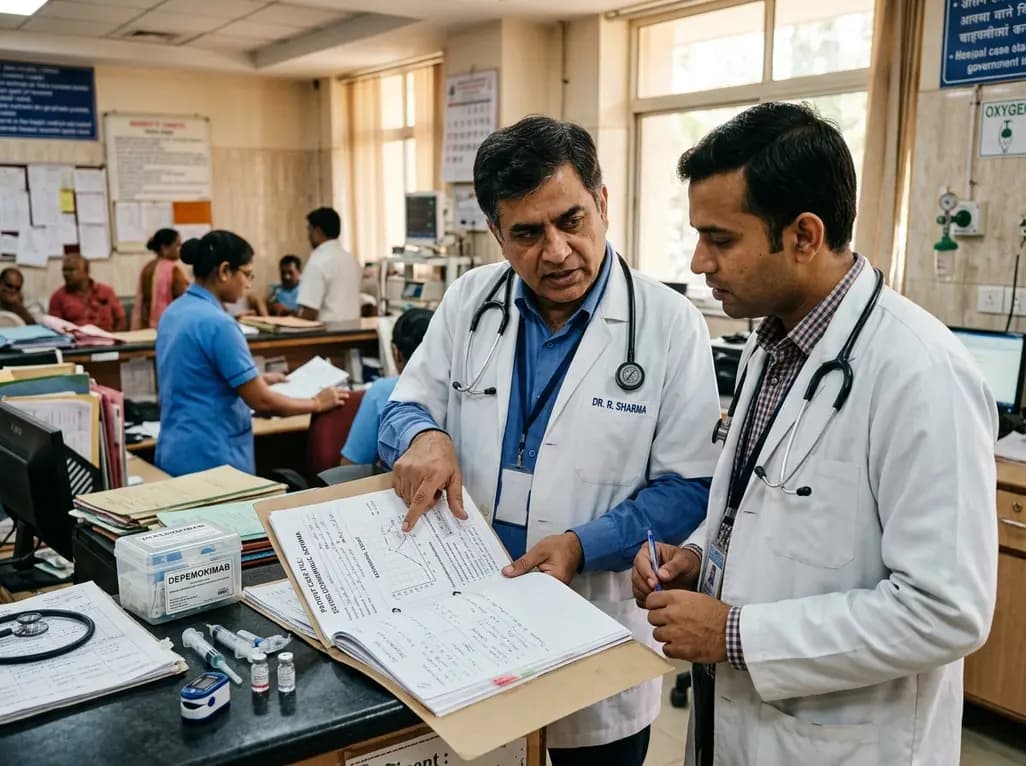
Depemokimab offers twice-yearly dosing for severe eosinophilic asthma and chronic rhinosinusitis with nasal polyps, significantly cutting exacerbations and hospital admissions.
3 days back

A novel copper metal-organic framework hydrogel remodels the uterine microenvironment to stimulate robust endometrial regeneration, reduce intrauterine fibrosis, and restore reproductive fertility, offering a groundbreaking strategy for managing refractory endometrial damage and Asherman syndrome.
4 days back
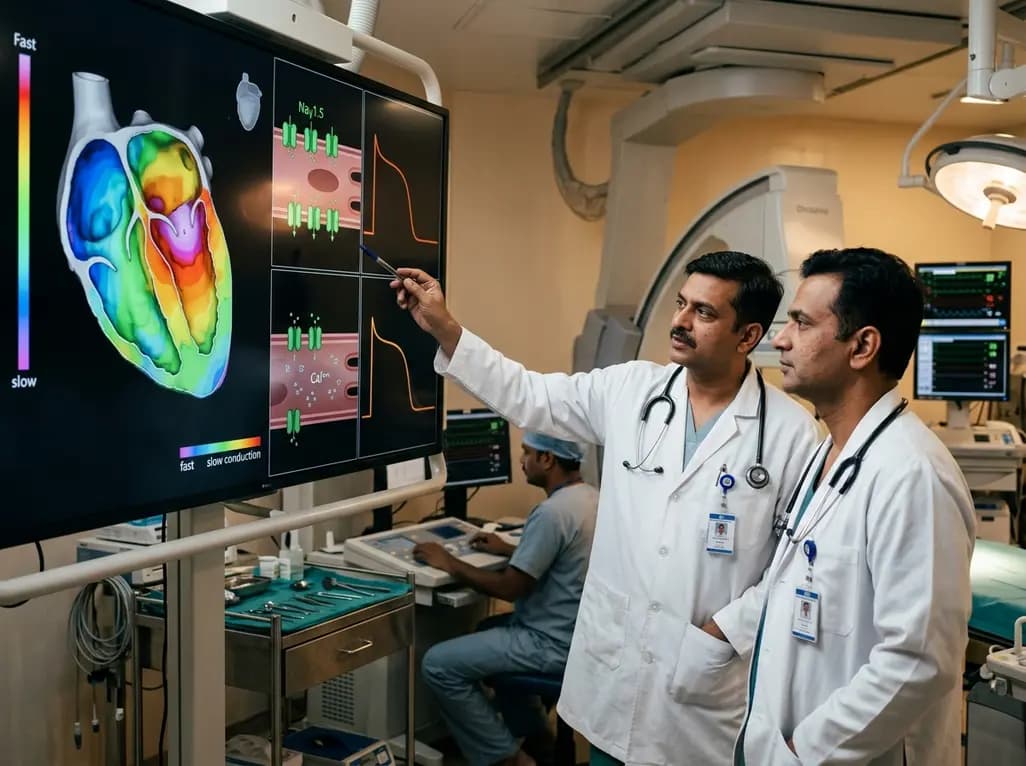
New research reveals that non-ablative radiotherapy suppresses ventricular tachycardia by increasing conduction velocity via NaV1.5 upregulation and action potential prolongation. However, sustained sodium current elevation and depressed calcium handling highlight the need for careful clinical translation.
6 days back

A single-cell transcriptomic atlas reveals how peripheral nerve injuries cause dorsal root ganglion remodeling. By evaluating proximal nerve crush and resection, researchers identify distinct glial and immune programs that resolve neuropathic pain and promote regeneration.
4 days back
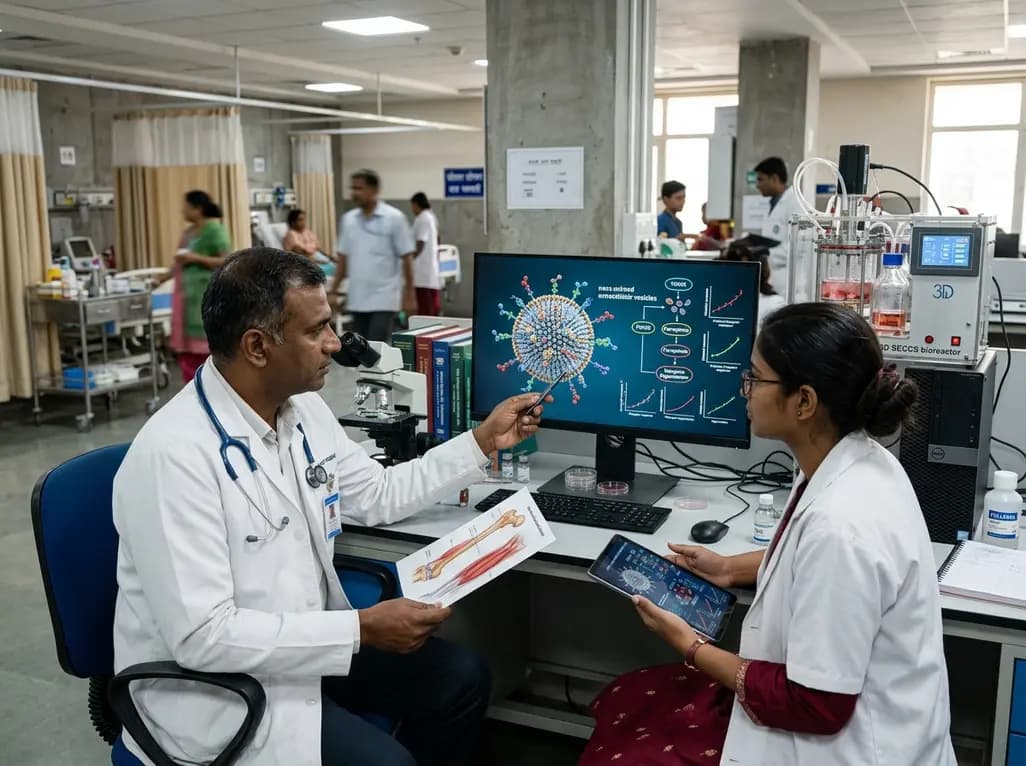
A breakthrough study demonstrates that fullerol-primed extracellular vesicles generated in a 3D SECCS bioreactor attenuate ferroptosis and restore myogenic regeneration in diabetes via the FOXO3 pathway, offering a cell-free therapeutic strategy for diabetic musculoskeletal degeneration.
4 days back
