.webp&w=384&q=75)

Loading, please wait...
Loading, please wait...
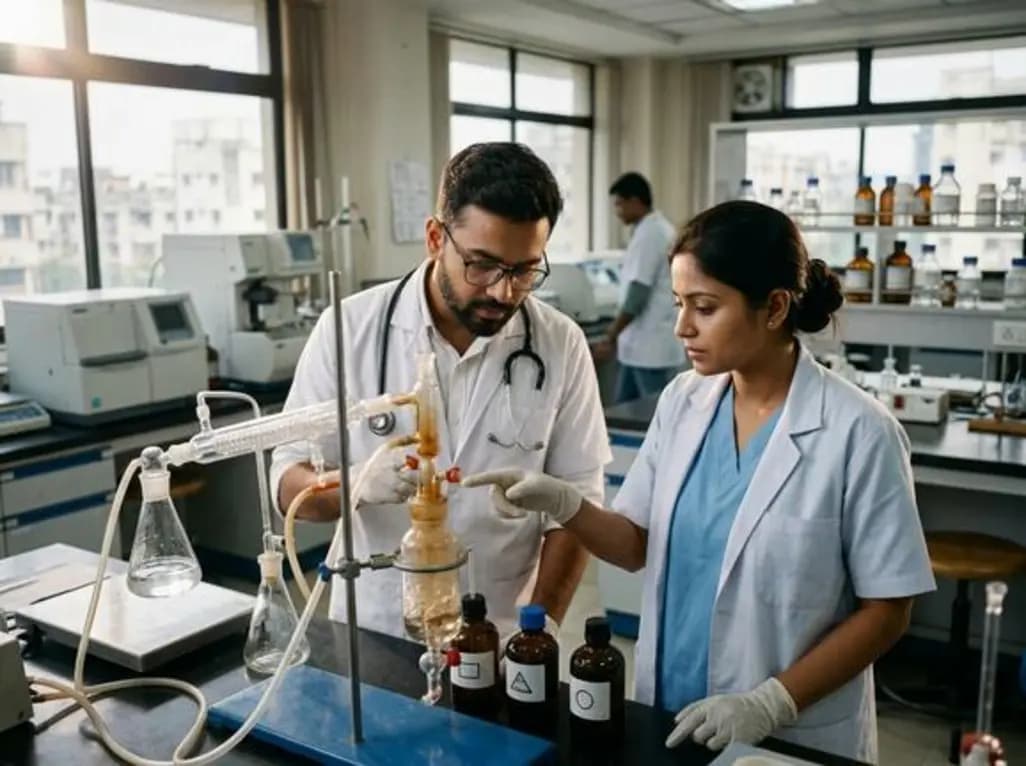
Nitrogen dioxide is recognized as a toxic respiratory irritant and a significant environmental pollutant. However, a recent study has unveiled a breakthrough catalyst-free method for its reduction. This research focuses on selective NO generation from nitrogen dioxide using boranes and silanes. The findings are significant because nitric oxide serves as a critical signaling molecule in human physiology. Furthermore, this selective approach ensures that only beneficial molecules are formed.
The researchers used hydrogen surrogates like 1,4-cyclohexadiene and isopropyl alcohol to drive the reaction. Consequently, they successfully produced nitric oxide without the need for expensive catalysts. Researchers confirmed the identity of the resulting gas through electron paramagnetic resonance spectroscopy. Additionally, density functional theory calculations helped the team understand the reaction’s unique pathway. This discovery could improve the way medical-grade nitric oxide is synthesized.
In the clinical setting, inhaled nitric oxide is vital for treating conditions like pulmonary hypertension. Therefore, converting hazardous nitrogen dioxide into therapeutic nitric oxide is an important medical goal. However, most current methods require high temperatures or heavy metal catalysts. This new catalyst-free method offers a cleaner and safer alternative for gas production. Moreover, it reduces the environmental impact of industrial emissions.
Nitrogen dioxide is highly toxic and causes severe lung inflammation. Conversely, nitric oxide is a beneficial vasodilator used in intensive care units. Converting the toxin to a treatment is highly efficient.
Standard reduction methods often rely on heavy metals that can leave residues. However, this new method uses boranes and silanes. This results in a cleaner reaction with fewer toxic byproducts.
Disclaimer: This content is for informational and educational purposes only. It does not constitute professional medical advice, diagnosis, or treatment. Always seek the advice of your physician or other qualified health provider with any questions you may have regarding a medical condition. Refer to the latest local and national guidelines for clinical practice.
References
Seyyad AW et al. Catalyst-Free Selective Reduction of Nitrogen Dioxide to Nitric Oxide. Chemistry. 2026 Jun 18. doi: 10.1002/chem.71267. PMID: 42315985.
National Institute of Environmental Health Sciences (NIEHS). Nitrogen Dioxide. 2024.
Akmal AH, et al. Role of nitric oxide in management of acute respiratory distress syndrome. PMC. 2021.

Read summarized clinical updates, watch expert medical content, and earn CME certifications right from your smartphone.
Open your smartphone camera to scan and install.





A pioneering study published in June 2026 introduces a catalyst-free method to convert toxic nitrogen dioxide into therapeutic nitric oxide. By using boranes and silanes, researchers achieved selective NO generation, offering a safer and more efficient pathway for medical gas synthesis and environmental health.
4 months ago

Depemokimab offers twice-yearly dosing for severe eosinophilic asthma and chronic rhinosinusitis with nasal polyps, significantly cutting exacerbations and hospital admissions.
3 days back

A novel copper metal-organic framework hydrogel remodels the uterine microenvironment to stimulate robust endometrial regeneration, reduce intrauterine fibrosis, and restore reproductive fertility, offering a groundbreaking strategy for managing refractory endometrial damage and Asherman syndrome.
4 days back
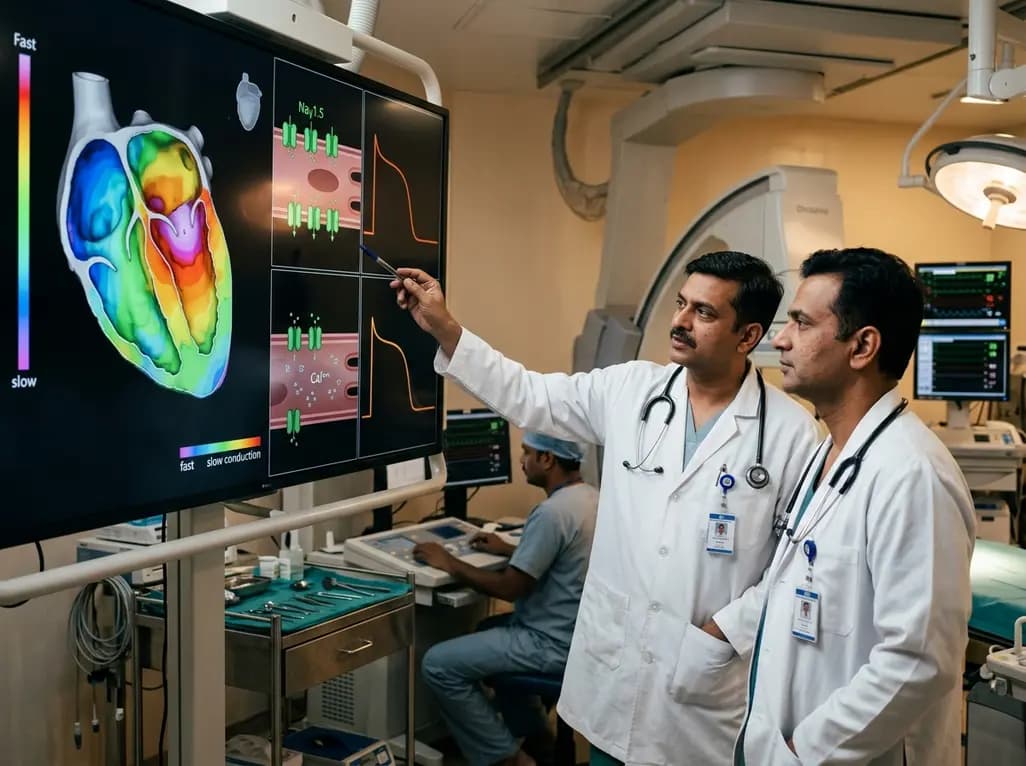
New research reveals that non-ablative radiotherapy suppresses ventricular tachycardia by increasing conduction velocity via NaV1.5 upregulation and action potential prolongation. However, sustained sodium current elevation and depressed calcium handling highlight the need for careful clinical translation.
6 days back

A single-cell transcriptomic atlas reveals how peripheral nerve injuries cause dorsal root ganglion remodeling. By evaluating proximal nerve crush and resection, researchers identify distinct glial and immune programs that resolve neuropathic pain and promote regeneration.
3 days back

A breakthrough study demonstrates that fullerol-primed extracellular vesicles generated in a 3D SECCS bioreactor attenuate ferroptosis and restore myogenic regeneration in diabetes via the FOXO3 pathway, offering a cell-free therapeutic strategy for diabetic musculoskeletal degeneration.
3 days back
