.webp&w=384&q=75)

Loading, please wait...
Loading, please wait...
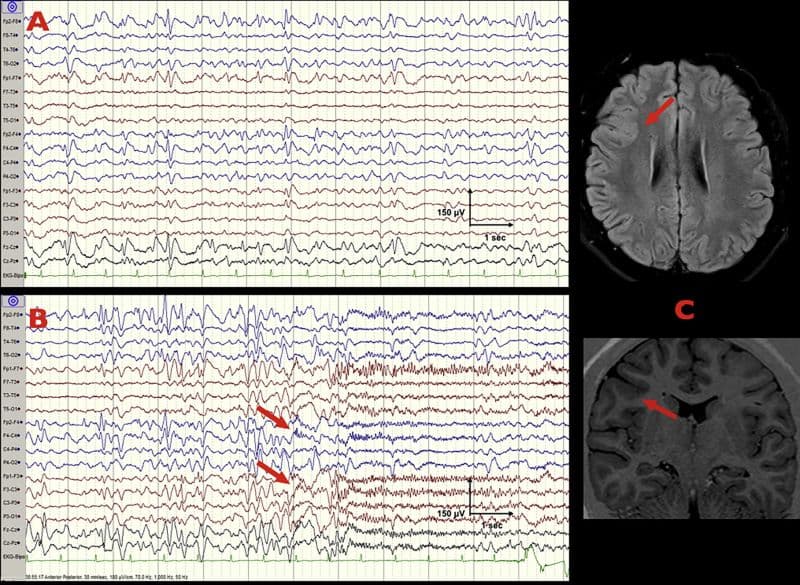
Responsive neurostimulation (RNS) is designed for patients with drug-resistant focal epilepsy in whom seizures arise from one or more identifiable networks but conventional resection is not appropriate or would carry unacceptable risk. This review describes the RNS system as a closed-loop platform that detects abnormal electrical activity and delivers stimulation in response, rather than providing continuous open-loop stimulation. Long-term clinical experience has shown progressive seizure reduction with continued use, while chronic recording from the implanted leads also provides an opportunity to understand individual seizure networks and treatment response. The appeal is therefore both therapeutic and diagnostic. For HCPs, RNS is best considered within a comprehensive epilepsy-surgery pathway, including video-EEG monitoring and structural and functional imaging to identify the seizure network. Implantation requires neurosurgical expertise and careful programming, and patients need realistic expectations because seizure freedom is not guaranteed. The approach is particularly relevant to patients with eloquent-cortex seizure onset or multiple seizure foci where a conventional resection is unsuitable. The review highlights the broader shift toward personalised neuromodulation in epilepsy.

Read summarized clinical updates, watch expert medical content, and earn CME certifications right from your smartphone.
Open your smartphone camera to scan and install.





Responsive neurostimulation (RNS) is designed for patients with drug-resistant focal epilepsy in whom seizures arise from one or more identifiable networks but conventional resection is not appropriate or would carry unacceptable risk. This review describes the RNS system as a closed-loop platform that detects abnormal electrical activity and delivers stimulation in response, rather than providing continuous open-loop stimulation. Long-term clinical experience has shown progressive seizure reduction with continued use, while chronic recording from the implanted leads also provides an opportunity to understand individual seizure networks and treatment response. The appeal is therefore both therapeutic and diagnostic. For HCPs, RNS is best considered within a comprehensive epilepsy-surgery pathway, including video-EEG monitoring and structural and functional imaging to identify the seizure network. Implantation requires neurosurgical expertise and careful programming, and patients need realistic expectations because seizure freedom is not guaranteed. The approach is particularly relevant to patients with eloquent-cortex seizure onset or multiple seizure foci where a conventional resection is unsuitable. The review highlights the broader shift toward personalised neuromodulation in epilepsy.
last month
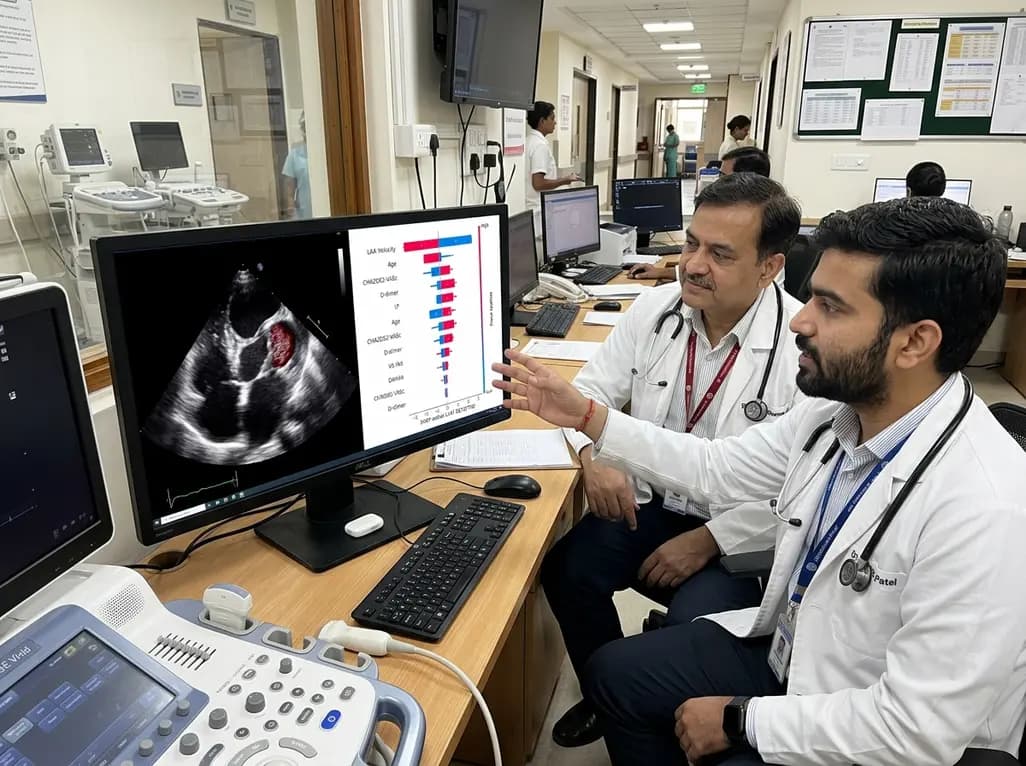
A study demonstrates an explainable machine learning framework integrating clinical and echocardiographic metrics to predict left atrial appendage thrombus in non-valvular atrial fibrillation, utilizing SHAP analysis for clinical interpretability.
3 days back

A systematic review and transcriptomic cross-study consensus analysis illuminates the role of necroptosis in cervical cancer. By promoting anti-tumor immunogenicity and resolving apoptosis resistance, necroptotic pathways offer actionable prognostic signatures and promising avenues for combination immunotherapy.
Yesterday
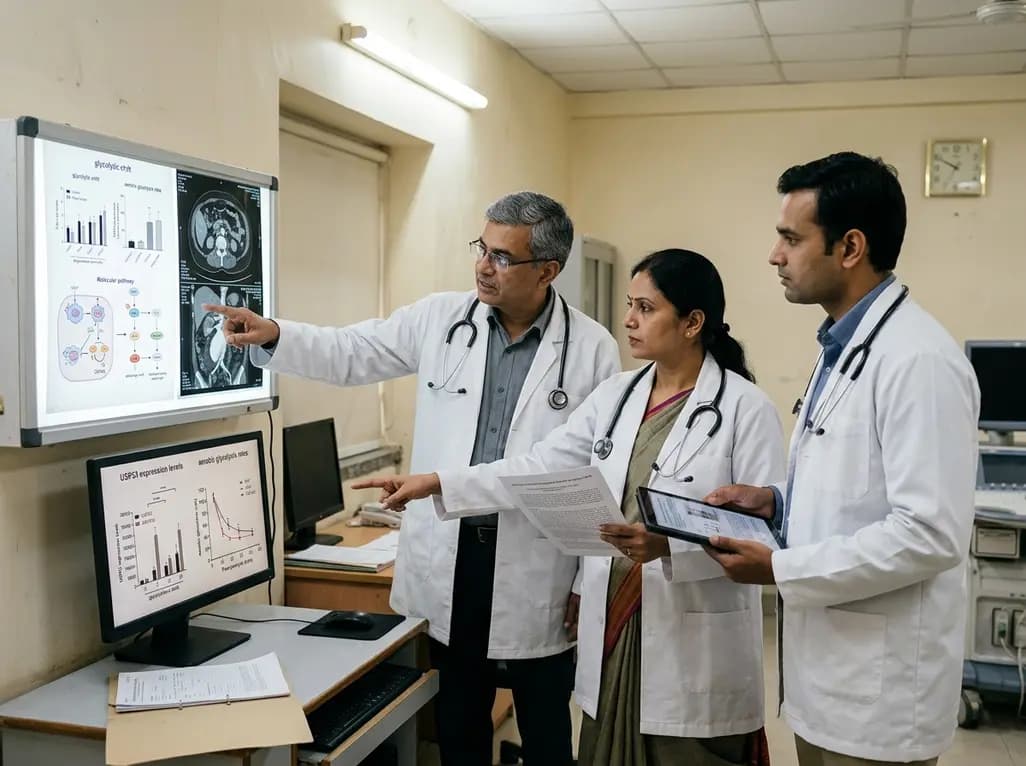
Abdominal aortic aneurysm rupture remains a catastrophic vascular emergency. Groundbreaking research reveals that USP53 accelerates aneurysm progression by reprogramming smooth muscle cell metabolism toward aerobic glycolysis, highlighting a promising target beyond conventional diameter-based surveillance.
Last week
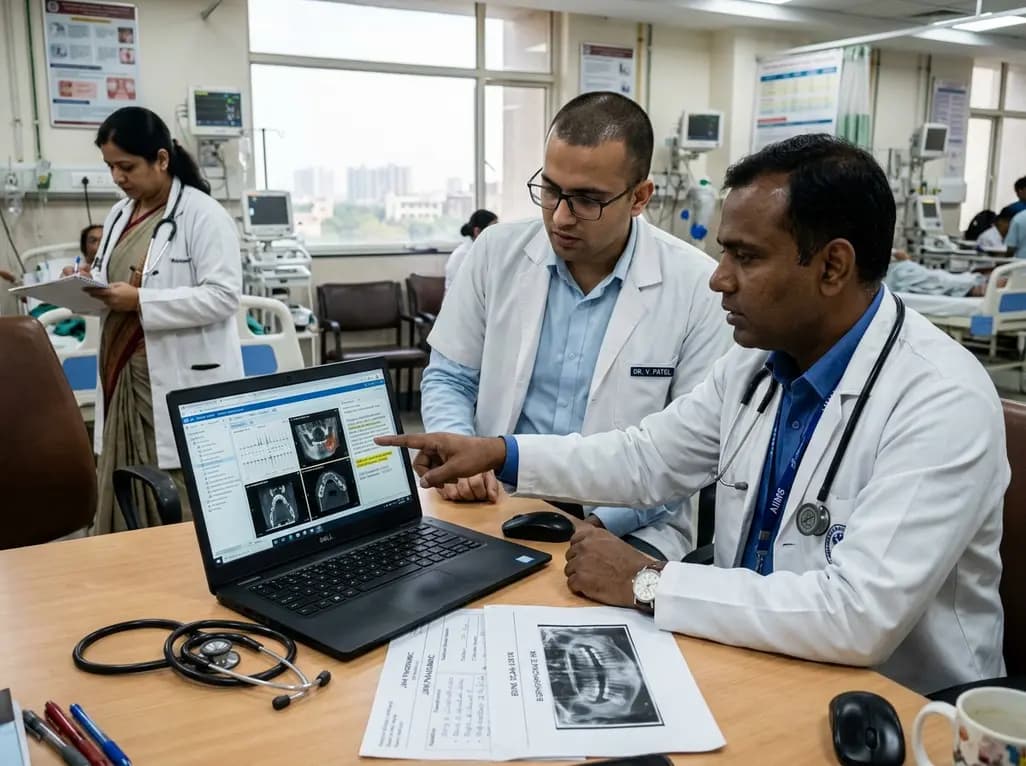
A breakthrough study leverages natural language processing to accurately identify incident medication-related osteonecrosis of the jaw and track antiresorptive drug holidays from clinical narratives in electronic health records, advancing osteoporosis pharmacovigilance and dental safety.
Last week

Recent research defines ferro-aging as a conserved iron-lipid axis driving organ decline across primates. Age-related iron dyshomeostasis stimulates ACSL4-mediated lipid peroxidation, promoting cellular senescence. Notably, vitamin C directly inhibits ACSL4, suppressing phospholipid oxidation and multi-organ decay.
Last week
