.webp&w=384&q=75)

Loading, please wait...
Loading, please wait...
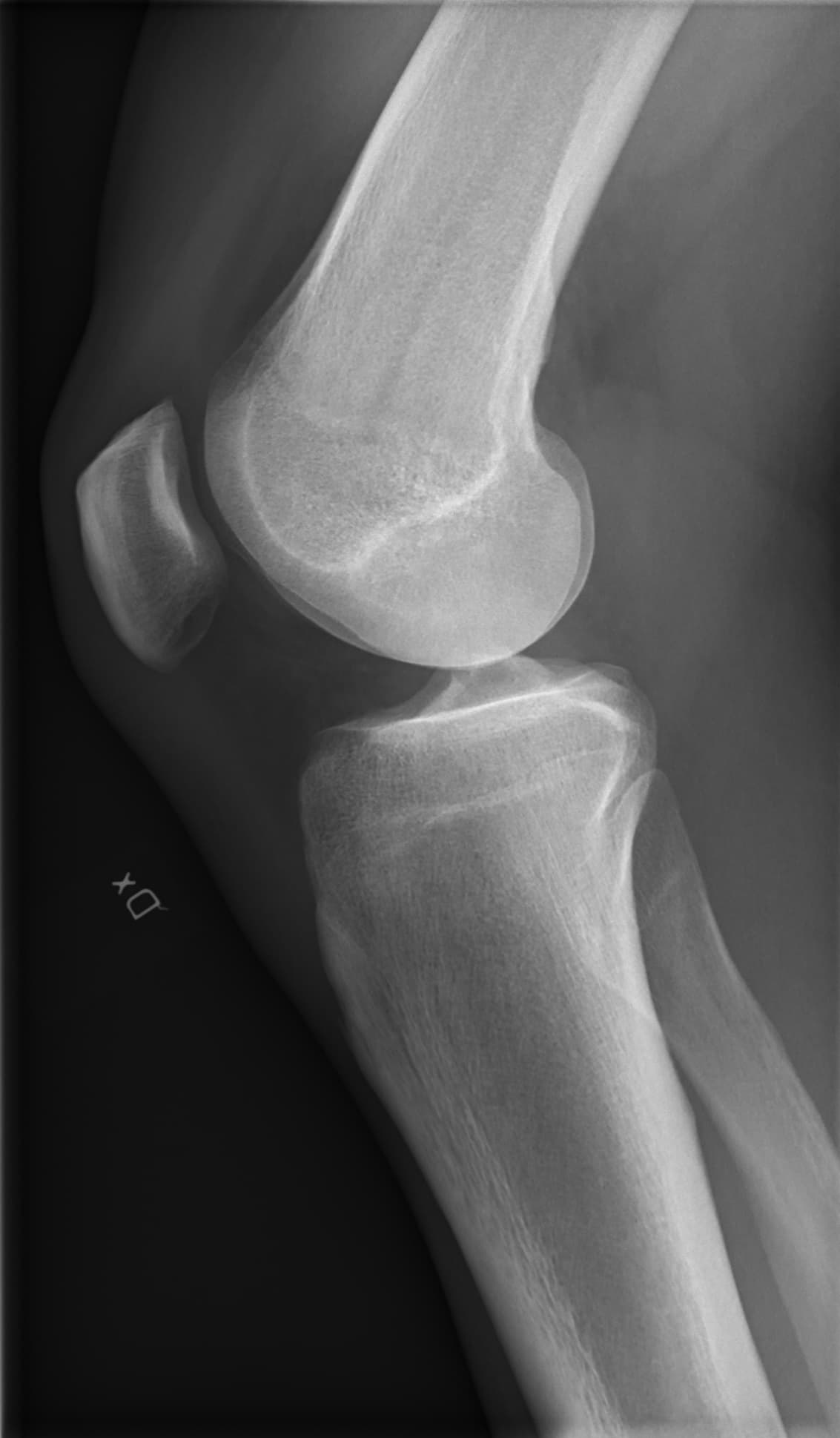
A growing randomized literature has compared dynamic suture-button devices with syndesmotic screws for unstable ankle syndesmosis injuries. This meta-analysis pooled eight randomized trials and evaluated complications, reoperations, radiographic reduction and functional outcomes. The pooled evidence found no major difference in syndesmotic malreduction or overall health-related quality of life, but several clinically relevant outcomes favoured the suture-button group. Complication rates and unplanned reoperation were lower, while common functional measures such as the AOFAS and Olerud-Molander scores were modestly better. The findings support the concept that a dynamic fixation strategy may reduce some downstream hardware-related problems without sacrificing reduction quality. However, the review also highlights that implant selection should not distract from the fundamental surgical objective: restoring the correct relationship between the distal tibia and fibula. Differences in fracture morphology, associated injuries and reduction technique can affect outcomes independently of implant type. For surgeons, the paper is most useful as a decision aid rather than a mandate. Suture buttons are a strong option for many acute syndesmotic injuries, particularly when minimising reoperation is valued, but screw fixation remains reasonable when used appropriately and followed by sound postoperative management.

Read summarized clinical updates, watch expert medical content, and earn CME certifications right from your smartphone.
Open your smartphone camera to scan and install.





A growing randomized literature has compared dynamic suture-button devices with syndesmotic screws for unstable ankle syndesmosis injuries. This meta-analysis pooled eight randomized trials and evaluated complications, reoperations, radiographic reduction and functional outcomes. The pooled evidence found no major difference in syndesmotic malreduction or overall health-related quality of life, but several clinically relevant outcomes favoured the suture-button group. Complication rates and unplanned reoperation were lower, while common functional measures such as the AOFAS and Olerud-Molander scores were modestly better. The findings support the concept that a dynamic fixation strategy may reduce some downstream hardware-related problems without sacrificing reduction quality. However, the review also highlights that implant selection should not distract from the fundamental surgical objective: restoring the correct relationship between the distal tibia and fibula. Differences in fracture morphology, associated injuries and reduction technique can affect outcomes independently of implant type. For surgeons, the paper is most useful as a decision aid rather than a mandate. Suture buttons are a strong option for many acute syndesmotic injuries, particularly when minimising reoperation is valued, but screw fixation remains reasonable when used appropriately and followed by sound postoperative management.
4 weeks back

Discover how catalytic nanozymes redefine autoimmune disease therapy by establishing a physiological redox set-point to restore immune tolerance without broad immunosuppression.
Last week

Recent research reveals that downregulating YAP1/TAZ-TEAD via Hippo signaling triggers spontaneous human trophoblast syncytialization in 3D cultures, illuminating placental biology and preeclampsia.
3 weeks back

A landmark comparative study evaluates atrial electrophysiology across humans, swine, and rodents. By linking cellular recordings with transcriptomics and in silico modeling, researchers resolve cross-species gaps, explaining translational failures to advance targeted therapies for atrial arrhythmias.
3 weeks back

A novel pathology-adaptive surface engineering strategy uses functionalized plasma polymer coatings to selectively modulate AGE adsorption, reducing oxidative stress and restoring bone formation in diabetic and aging microenvironments.
last month
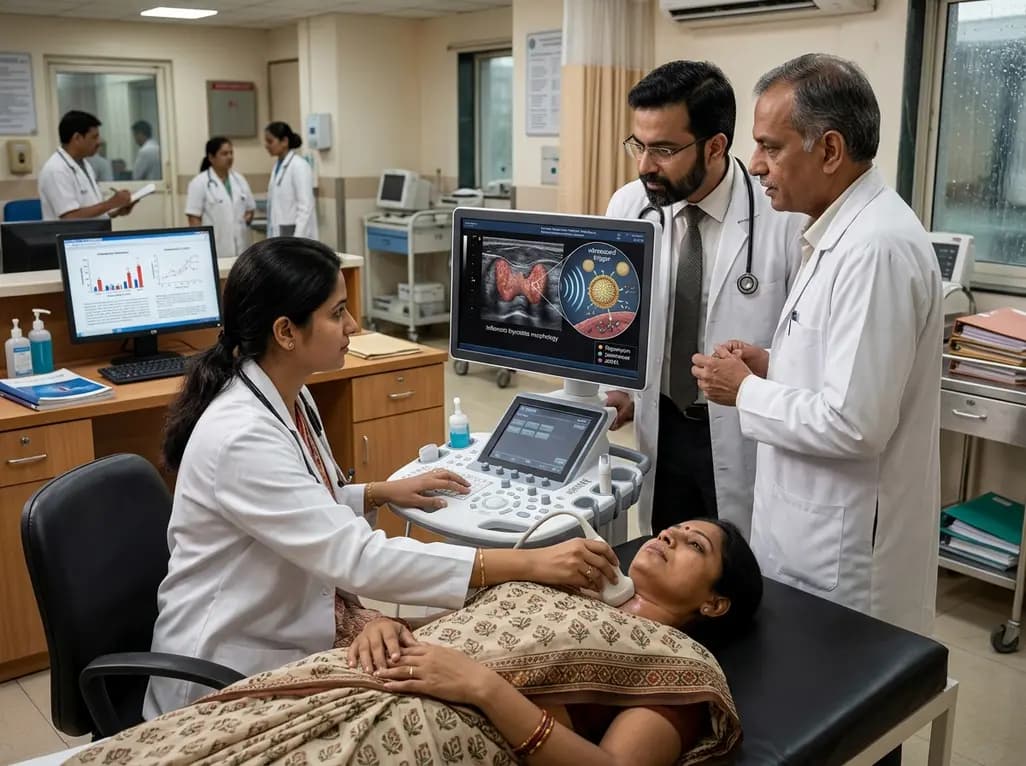
Researchers have developed an innovative ultrasound-responsive nano-contrast agent that co-delivers CIITA-siRNA and rapamycin directly to inflamed thyroid tissue, significantly reducing autoimmune injury and thyroid autoantibodies in preclinical models of Hashimoto thyroiditis.
3 weeks back
