.webp&w=384&q=75)

Loading, please wait...
Loading, please wait...
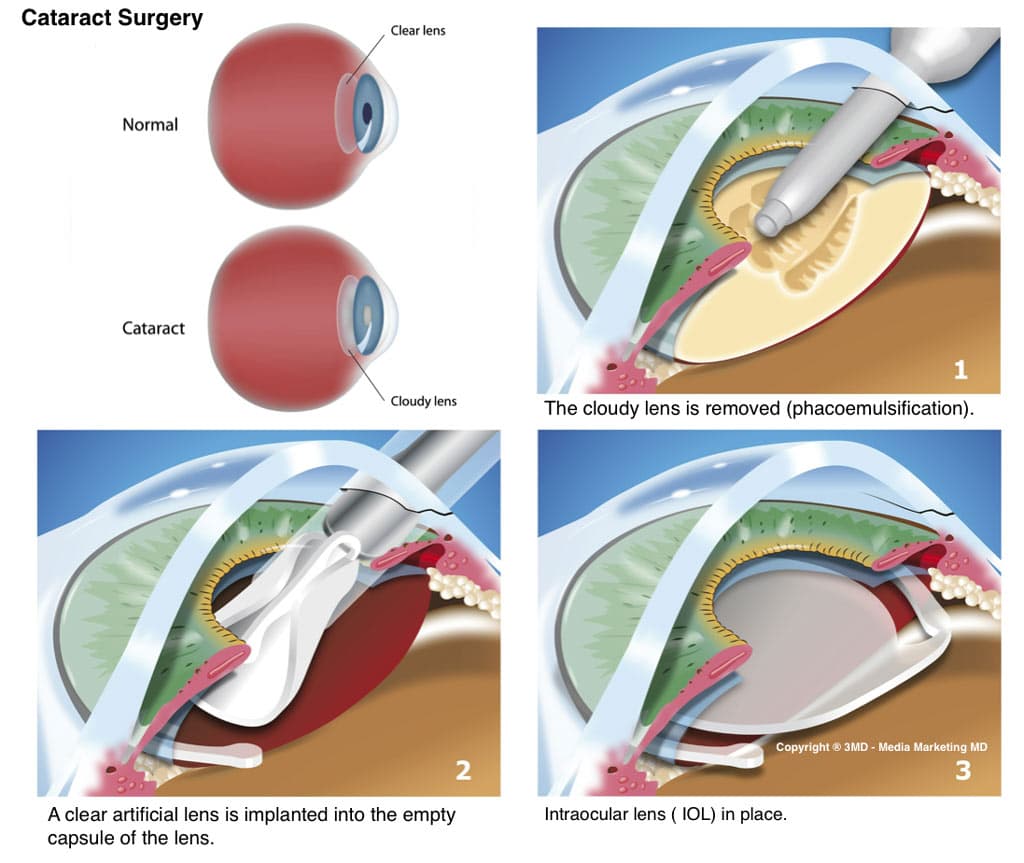
Pseudoexfoliation (PXF) can increase the complexity of cataract surgery because of zonular weakness and limited pupillary dilation. A prospective study specifically examining eyes with PXF identified preoperative features associated with higher risk of zonular complications requiring scleral IOL fixation or capsular tension ring placement. Important predictors included smaller pupil diameter after dilation, shallower anterior chamber depth, and greater lens decentration. These findings provide a practical preoperative checklist for surgeons managing PXF eyes. Rather than treating PXF as a binary risk label, the study supports a more granular assessment of actual zonular and biometric features. Intraoperative preparedness can then be tailored accordingly, including consideration of capsular support devices, pupil expansion strategies, and contingency planning for alternative IOL fixation. The message is particularly relevant for challenging cataract instruction courses because small-pupil behavior, capsular instability, and lens decentration may interact to make otherwise routine phaco more demanding. Careful assessment before surgery can reduce surprises and allow the surgeon to choose instrumentation and backup options in advance.

Read summarized clinical updates, watch expert medical content, and earn CME certifications right from your smartphone.
Open your smartphone camera to scan and install.





Pseudoexfoliation (PXF) can increase the complexity of cataract surgery because of zonular weakness and limited pupillary dilation. A prospective study specifically examining eyes with PXF identified preoperative features associated with higher risk of zonular complications requiring scleral IOL fixation or capsular tension ring placement. Important predictors included smaller pupil diameter after dilation, shallower anterior chamber depth, and greater lens decentration. These findings provide a practical preoperative checklist for surgeons managing PXF eyes. Rather than treating PXF as a binary risk label, the study supports a more granular assessment of actual zonular and biometric features. Intraoperative preparedness can then be tailored accordingly, including consideration of capsular support devices, pupil expansion strategies, and contingency planning for alternative IOL fixation. The message is particularly relevant for challenging cataract instruction courses because small-pupil behavior, capsular instability, and lens decentration may interact to make otherwise routine phaco more demanding. Careful assessment before surgery can reduce surprises and allow the surgeon to choose instrumentation and backup options in advance.
4 weeks back

Discover how catalytic nanozymes redefine autoimmune disease therapy by establishing a physiological redox set-point to restore immune tolerance without broad immunosuppression.
Last week

Recent research reveals that downregulating YAP1/TAZ-TEAD via Hippo signaling triggers spontaneous human trophoblast syncytialization in 3D cultures, illuminating placental biology and preeclampsia.
3 weeks back

A landmark comparative study evaluates atrial electrophysiology across humans, swine, and rodents. By linking cellular recordings with transcriptomics and in silico modeling, researchers resolve cross-species gaps, explaining translational failures to advance targeted therapies for atrial arrhythmias.
3 weeks back

A novel pathology-adaptive surface engineering strategy uses functionalized plasma polymer coatings to selectively modulate AGE adsorption, reducing oxidative stress and restoring bone formation in diabetic and aging microenvironments.
last month
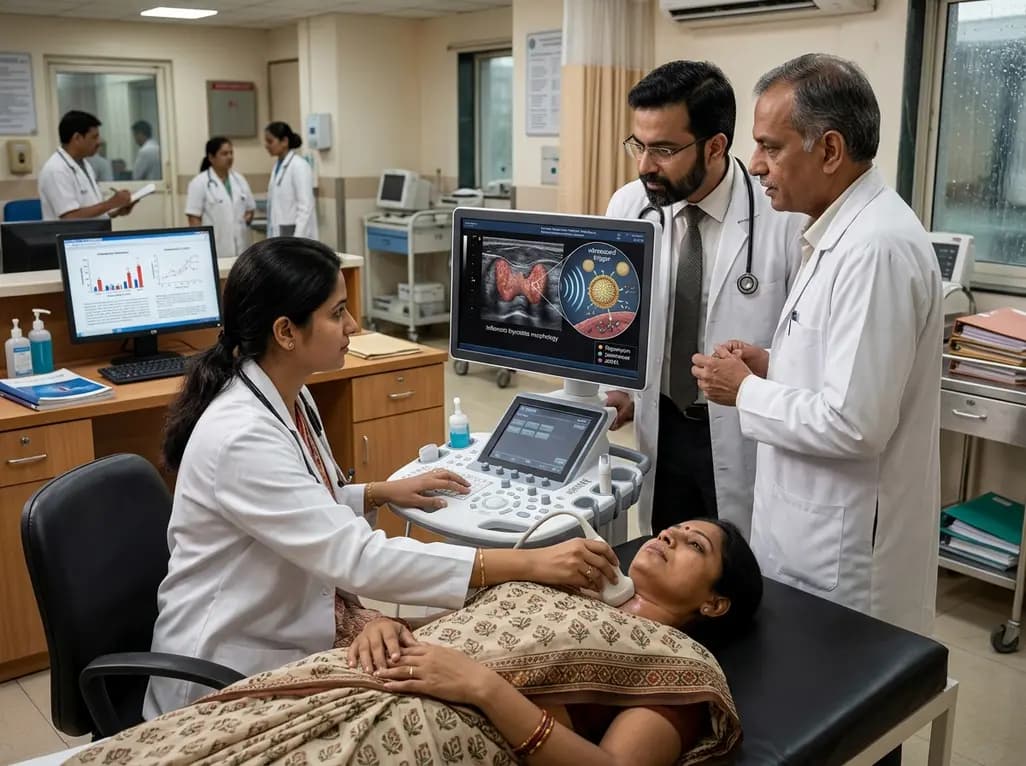
Researchers have developed an innovative ultrasound-responsive nano-contrast agent that co-delivers CIITA-siRNA and rapamycin directly to inflamed thyroid tissue, significantly reducing autoimmune injury and thyroid autoantibodies in preclinical models of Hashimoto thyroiditis.
3 weeks back
