.webp&w=384&q=75)

Loading, please wait...
Loading, please wait...

Prostate cancer remains a significant global health burden, especially as it progresses to advanced stages. Most patients initially respond well to primary treatment. However, many eventually encounter prostate cancer ADT resistance. This state, known as castration-resistant prostate cancer (CRPC), involves complex molecular adaptations. These changes allow tumors to survive without high androgen levels. Consequently, clinicians must understand these drivers to improve patient survival and long-term outcomes.
Resistance often stems from androgen receptor (AR) modifications. These include receptor amplification and point mutations. Furthermore, the development of constitutively active splice variants, such as AR-V7, plays a major role. Alternative signaling pathways also bypass standard treatments. Specifically, the PI3K/AKT/mTOR and JAK/STAT pathways drive tumor cell survival. Recent studies even highlight proteins like BCL2 as key factors in therapy evasion.
Overcoming resistance requires identifying new therapeutic targets. Clinicians are currently exploring next-generation AR signaling inhibitors and chemotherapy combinations. Moreover, radioligand therapies like 177Lu-PSMA-617 show significant promise for patients. PARP inhibitors also offer hope for individuals with specific DNA repair mutations. Additionally, researchers are investigating BCL2 inhibitors to sensitize resistant cells to existing medications.
Biomarkers are essential for the future of personalized medicine. Emerging options like circulating tumor DNA (ctDNA) and PTEN status provide real-time data. While many of these remain insufficiently validated, they could soon guide clinical decisions. Therefore, ongoing research into these invasive markers is vital for refining treatment protocols.
Resistance primarily involves androgen receptor amplification, mutations, and the expression of splice variants like AR-V7. Additionally, the activation of alternative pathways such as PI3K/AKT/mTOR contributes to therapy failure.
Most emerging biomarkers, including ctDNA and certain protein markers, are still undergoing clinical validation. However, they show great potential for real-time monitoring of disease progression and resistance.
Disclaimer: This content is for informational and educational purposes only. It does not constitute medical advice or a professional recommendation. Always consult with a qualified healthcare provider for personal health concerns. Refer to the latest local and national guidelines for clinical practice.
References
Bensalim I et al. Mechanisms of resistance to androgen deprivation therapy in prostate cancer. Mol Aspects Med. 2026 Jun 18. doi: undefined. PMID: 42314224.
Watson PA, et al. Emerging mechanisms of resistance to androgen receptor-directed therapy in prostate cancer. Nat Rev Cancer. 2015;15(12):701-711.
Chandrasekar T, et al. Mechanisms of resistance in castration-resistant prostate cancer. Transl Androl Urol. 2015;4(3):365-380.

Read summarized clinical updates, watch expert medical content, and earn CME certifications right from your smartphone.
Open your smartphone camera to scan and install.





This review outlines the molecular drivers of prostate cancer ADT resistance, including AR mutations and alternative signaling. It also evaluates emerging biomarkers like ctDNA and therapeutic strategies like radioligand therapy to improve clinical outcomes in castration-resistant states.
4 months ago

Depemokimab offers twice-yearly dosing for severe eosinophilic asthma and chronic rhinosinusitis with nasal polyps, significantly cutting exacerbations and hospital admissions.
3 days back

A novel copper metal-organic framework hydrogel remodels the uterine microenvironment to stimulate robust endometrial regeneration, reduce intrauterine fibrosis, and restore reproductive fertility, offering a groundbreaking strategy for managing refractory endometrial damage and Asherman syndrome.
3 days back
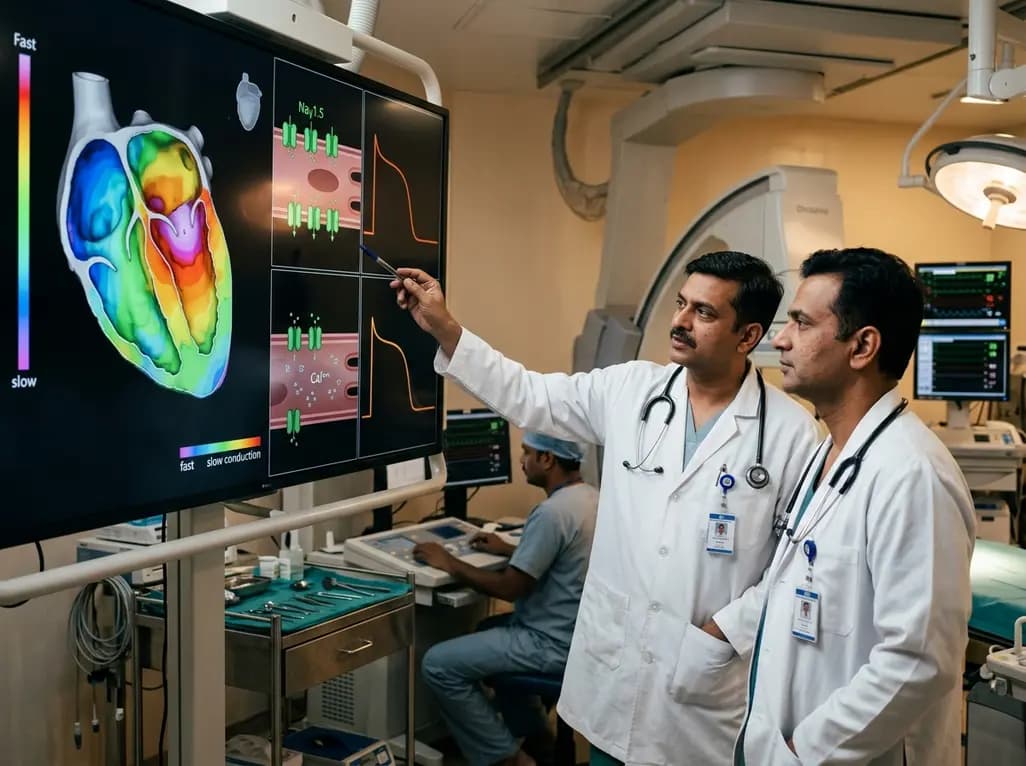
New research reveals that non-ablative radiotherapy suppresses ventricular tachycardia by increasing conduction velocity via NaV1.5 upregulation and action potential prolongation. However, sustained sodium current elevation and depressed calcium handling highlight the need for careful clinical translation.
5 days back

A single-cell transcriptomic atlas reveals how peripheral nerve injuries cause dorsal root ganglion remodeling. By evaluating proximal nerve crush and resection, researchers identify distinct glial and immune programs that resolve neuropathic pain and promote regeneration.
3 days back
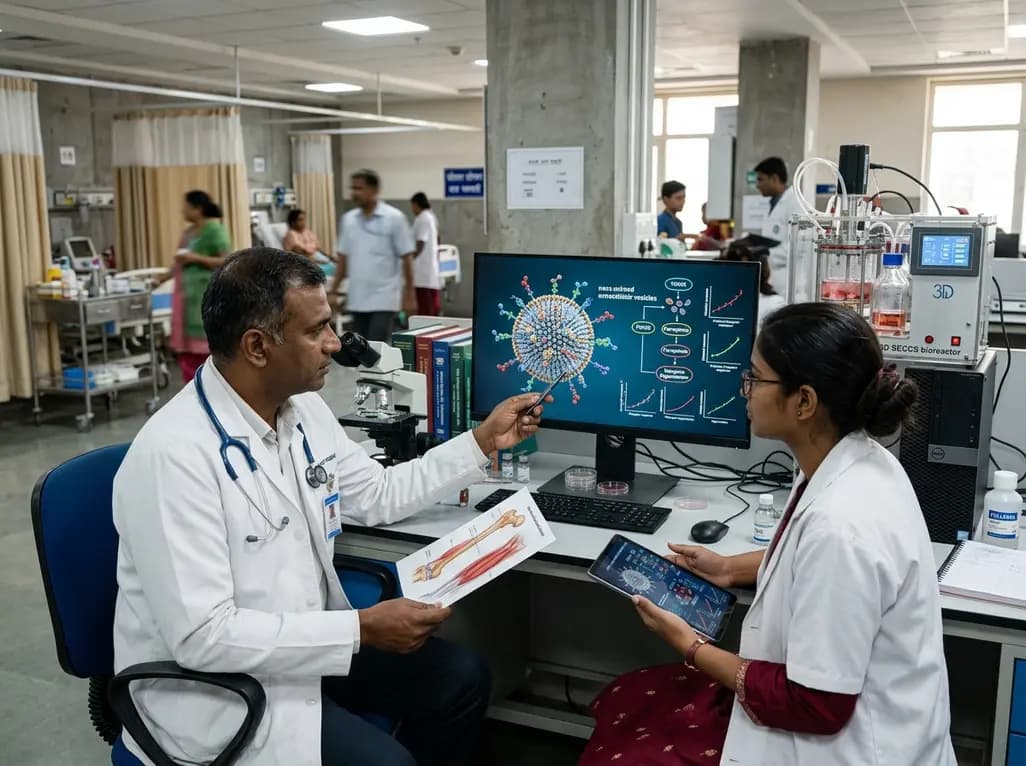
A breakthrough study demonstrates that fullerol-primed extracellular vesicles generated in a 3D SECCS bioreactor attenuate ferroptosis and restore myogenic regeneration in diabetes via the FOXO3 pathway, offering a cell-free therapeutic strategy for diabetic musculoskeletal degeneration.
3 days back
