.webp&w=384&q=75)

Loading, please wait...
Loading, please wait...
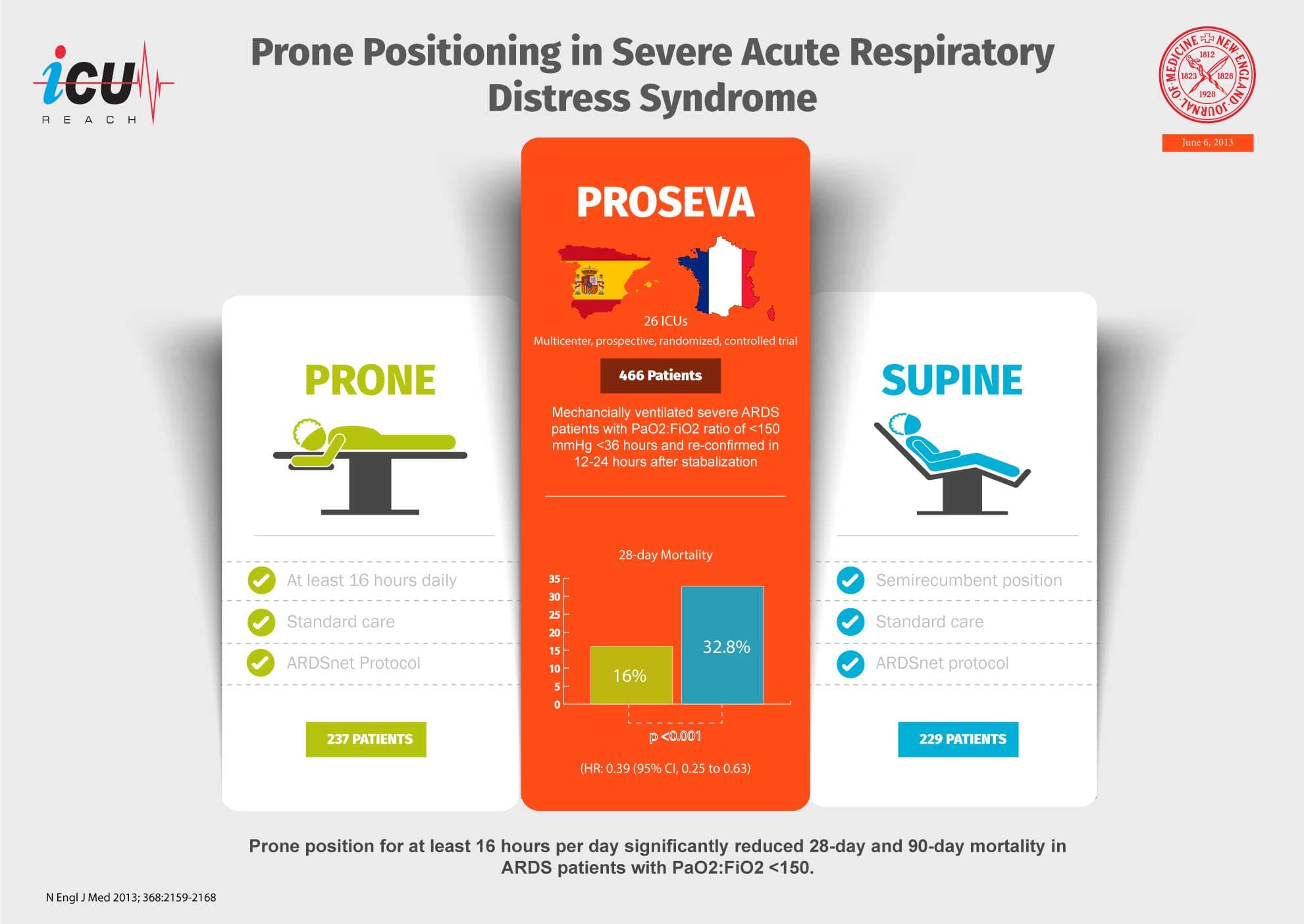
The PROSEVA randomized trial demonstrated the importance of prolonged prone positioning in patients with severe acute respiratory distress syndrome. Mechanically ventilated adults with severe hypoxemia were assigned to prone positioning for at least 16 hours per day or to continued supine management, with both groups receiving lung-protective ventilation. Prone positioning significantly reduced 28-day mortality and also improved 90-day survival. The study helped establish prolonged prone sessions as a major component of evidence-based management for appropriately selected patients with severe ARDS. The result is particularly relevant to the NAPCON critical-care symposium, which includes awake proning, NIV failure and broader escalation strategies. For HCPs, the practical lesson is that proning is not simply a rescue maneuver performed for a few minutes; in severe ARDS, the studied benefit came from early, prolonged sessions delivered within a structured ventilatory strategy. Implementation requires staff training, airway security, pressure-injury prevention and monitoring for complications. The paper remains a landmark example of how a relatively simple bedside intervention can produce a large outcome effect when applied to the right physiologic phenotype.

Read summarized clinical updates, watch expert medical content, and earn CME certifications right from your smartphone.
Open your smartphone camera to scan and install.





The PROSEVA randomized trial demonstrated the importance of prolonged prone positioning in patients with severe acute respiratory distress syndrome. Mechanically ventilated adults with severe hypoxemia were assigned to prone positioning for at least 16 hours per day or to continued supine management, with both groups receiving lung-protective ventilation. Prone positioning significantly reduced 28-day mortality and also improved 90-day survival. The study helped establish prolonged prone sessions as a major component of evidence-based management for appropriately selected patients with severe ARDS. The result is particularly relevant to the NAPCON critical-care symposium, which includes awake proning, NIV failure and broader escalation strategies. For HCPs, the practical lesson is that proning is not simply a rescue maneuver performed for a few minutes; in severe ARDS, the studied benefit came from early, prolonged sessions delivered within a structured ventilatory strategy. Implementation requires staff training, airway security, pressure-injury prevention and monitoring for complications. The paper remains a landmark example of how a relatively simple bedside intervention can produce a large outcome effect when applied to the right physiologic phenotype.
3 weeks back
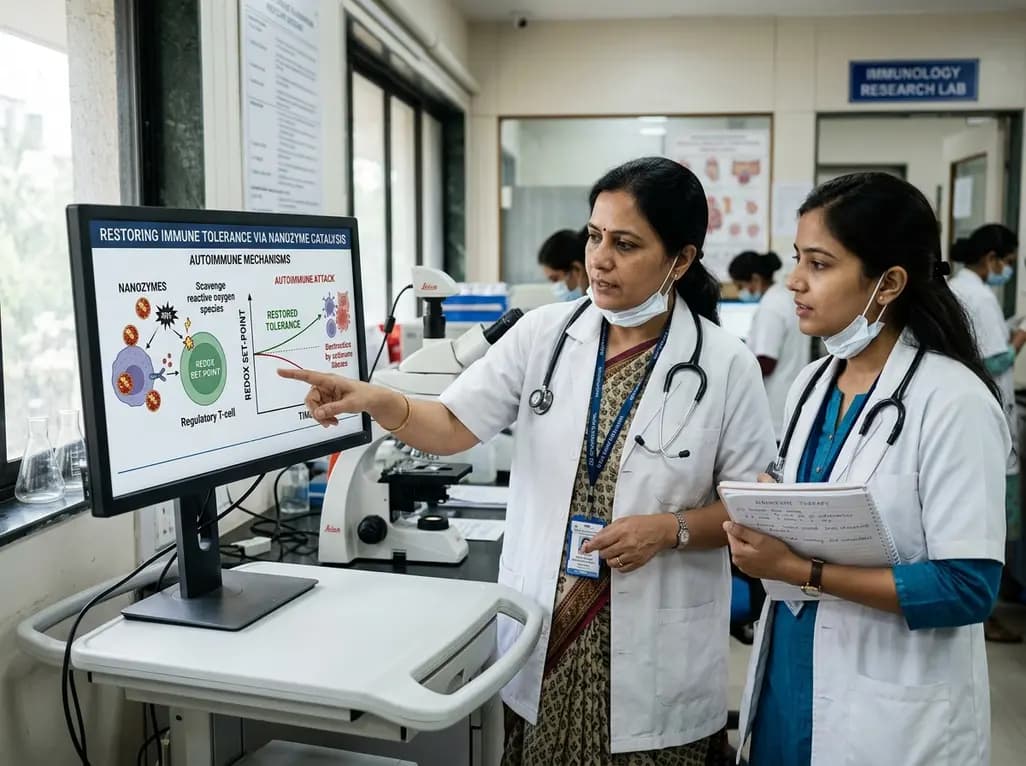
Discover how catalytic nanozymes redefine autoimmune disease therapy by establishing a physiological redox set-point to restore immune tolerance without broad immunosuppression.
Last week
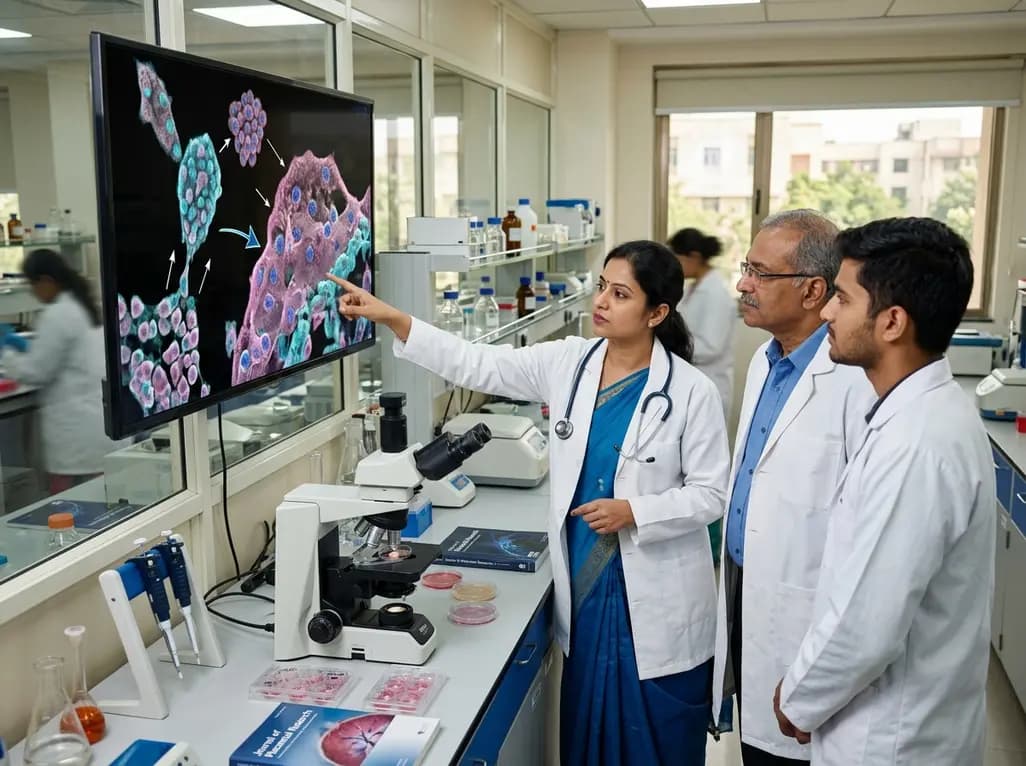
Recent research reveals that downregulating YAP1/TAZ-TEAD via Hippo signaling triggers spontaneous human trophoblast syncytialization in 3D cultures, illuminating placental biology and preeclampsia.
3 weeks back
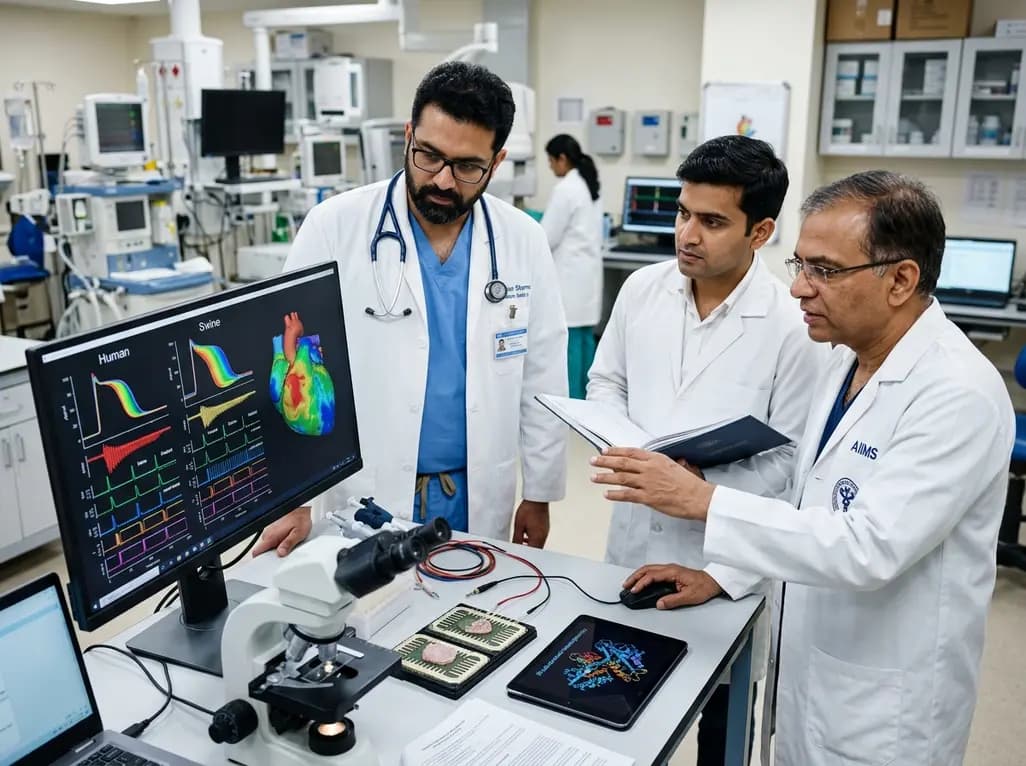
A landmark comparative study evaluates atrial electrophysiology across humans, swine, and rodents. By linking cellular recordings with transcriptomics and in silico modeling, researchers resolve cross-species gaps, explaining translational failures to advance targeted therapies for atrial arrhythmias.
3 weeks back
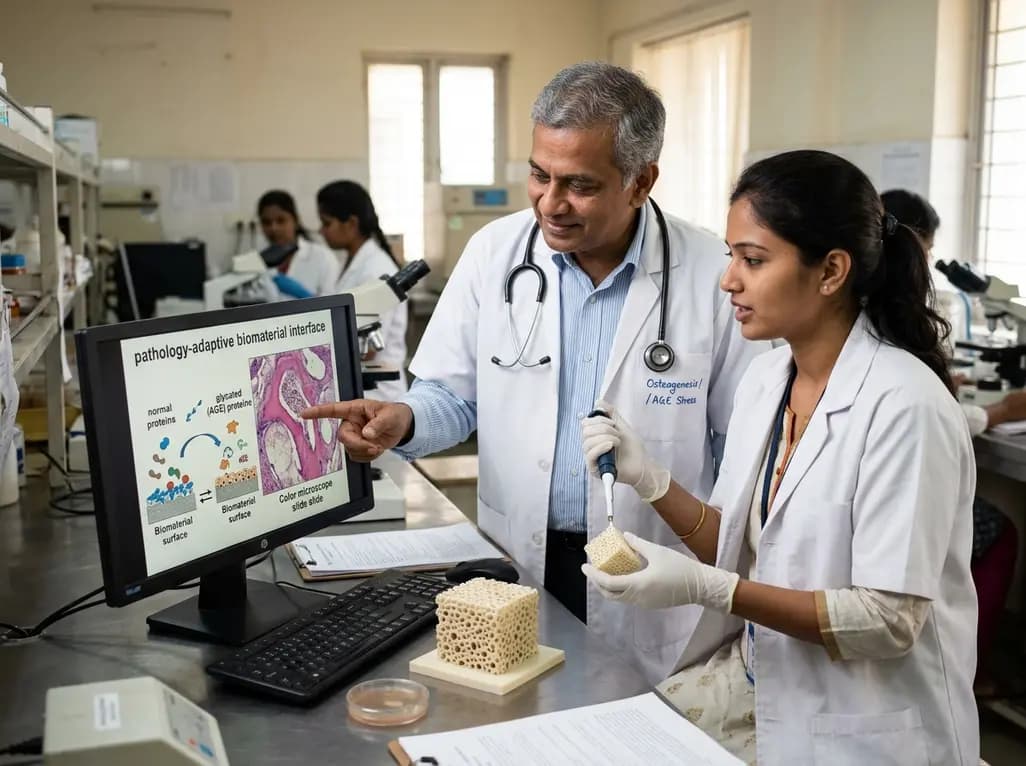
A novel pathology-adaptive surface engineering strategy uses functionalized plasma polymer coatings to selectively modulate AGE adsorption, reducing oxidative stress and restoring bone formation in diabetic and aging microenvironments.
last month
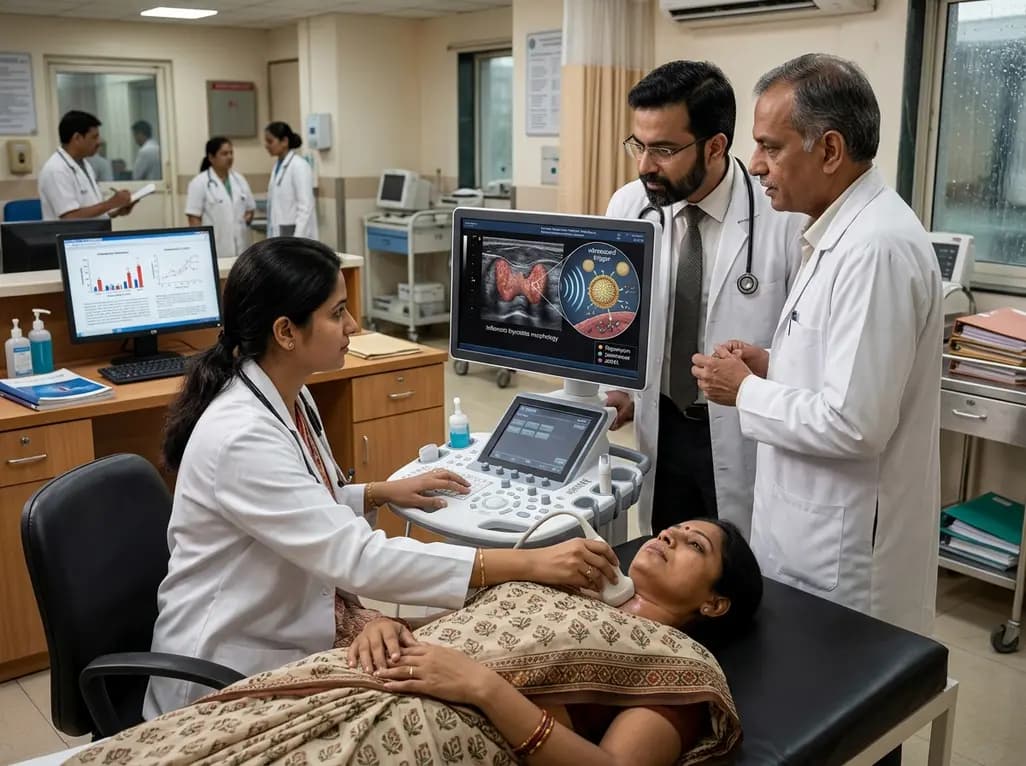
Researchers have developed an innovative ultrasound-responsive nano-contrast agent that co-delivers CIITA-siRNA and rapamycin directly to inflamed thyroid tissue, significantly reducing autoimmune injury and thyroid autoantibodies in preclinical models of Hashimoto thyroiditis.
3 weeks back
