.webp&w=384&q=75)

Loading, please wait...
Loading, please wait...
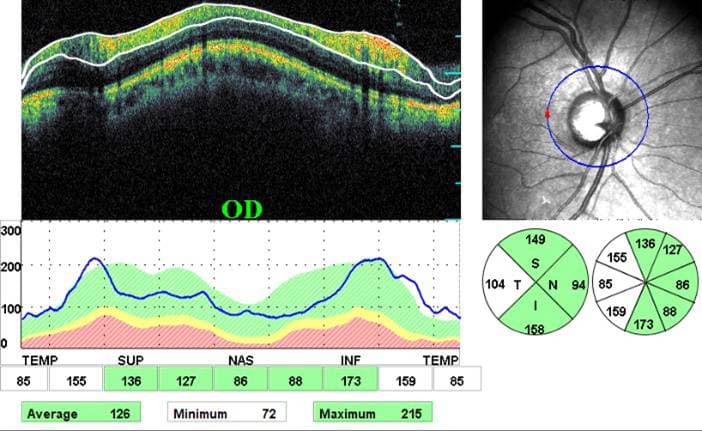
A 2026 study compared PreserFlo MicroShunt implantation with trabeculectomy in patients with secondary open-angle glaucoma and uncontrolled intraocular pressure. Both procedures produced large pressure reductions by 12 months, with similar rates of medication use and complete surgical success under the study's definitions. PreserFlo was associated with fewer needling interventions, while the trabeculectomy group had better visual-acuity outcomes at the reported final visit. Although retrospective and therefore vulnerable to selection bias, the study is relevant to the expanding discussion around subconjunctival microshunt procedures. For surgeons, PreserFlo may offer a less tissue-disruptive alternative in selected eyes, but postoperative management remains an important part of the intervention. Needling, bleb modulation, hypotony surveillance, and visual recovery all matter when choosing between procedures. In secondary glaucoma, where underlying pathology and previous surgery can alter conjunctival behavior and healing, the decision should be individualized. The publication adds contemporary evidence that newer subconjunctival devices can achieve pressure control approaching established filtration surgery, while also highlighting that outcomes should be assessed across efficacy, visual function, and postoperative intervention burden rather than IOP alone.

Read summarized clinical updates, watch expert medical content, and earn CME certifications right from your smartphone.
Open your smartphone camera to scan and install.





A 2026 study compared PreserFlo MicroShunt implantation with trabeculectomy in patients with secondary open-angle glaucoma and uncontrolled intraocular pressure. Both procedures produced large pressure reductions by 12 months, with similar rates of medication use and complete surgical success under the study's definitions. PreserFlo was associated with fewer needling interventions, while the trabeculectomy group had better visual-acuity outcomes at the reported final visit. Although retrospective and therefore vulnerable to selection bias, the study is relevant to the expanding discussion around subconjunctival microshunt procedures. For surgeons, PreserFlo may offer a less tissue-disruptive alternative in selected eyes, but postoperative management remains an important part of the intervention. Needling, bleb modulation, hypotony surveillance, and visual recovery all matter when choosing between procedures. In secondary glaucoma, where underlying pathology and previous surgery can alter conjunctival behavior and healing, the decision should be individualized. The publication adds contemporary evidence that newer subconjunctival devices can achieve pressure control approaching established filtration surgery, while also highlighting that outcomes should be assessed across efficacy, visual function, and postoperative intervention burden rather than IOP alone.
4 weeks back

Discover how catalytic nanozymes redefine autoimmune disease therapy by establishing a physiological redox set-point to restore immune tolerance without broad immunosuppression.
Last week

Recent research reveals that downregulating YAP1/TAZ-TEAD via Hippo signaling triggers spontaneous human trophoblast syncytialization in 3D cultures, illuminating placental biology and preeclampsia.
3 weeks back

A landmark comparative study evaluates atrial electrophysiology across humans, swine, and rodents. By linking cellular recordings with transcriptomics and in silico modeling, researchers resolve cross-species gaps, explaining translational failures to advance targeted therapies for atrial arrhythmias.
3 weeks back

A novel pathology-adaptive surface engineering strategy uses functionalized plasma polymer coatings to selectively modulate AGE adsorption, reducing oxidative stress and restoring bone formation in diabetic and aging microenvironments.
last month
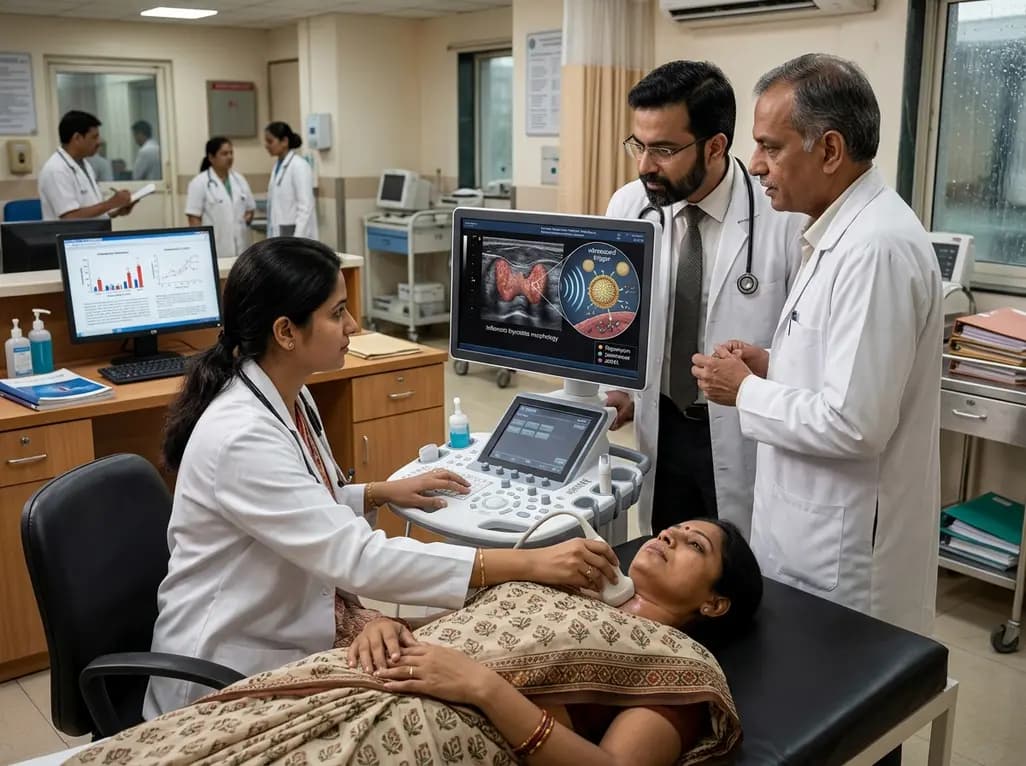
Researchers have developed an innovative ultrasound-responsive nano-contrast agent that co-delivers CIITA-siRNA and rapamycin directly to inflamed thyroid tissue, significantly reducing autoimmune injury and thyroid autoantibodies in preclinical models of Hashimoto thyroiditis.
3 weeks back
