.webp&w=384&q=75)

Loading, please wait...
Loading, please wait...

This retrospective study developed treatment-specific models using 436 patients with intracranial aneurysms, including 224 treated with coiling and 212 with clipping; 86.9% had ruptured aneurysms. In-hospital mortality was 11.2% after coiling versus 16.5% after clipping, while good GOSE occurred in 47.3% and 37.7%, respectively. Mortality models showed strong discrimination, with AUCs of 0.826 for coiling and 0.815 for clipping.

Read summarized clinical updates, watch expert medical content, and earn CME certifications right from your smartphone.
Open your smartphone camera to scan and install.





This retrospective study developed treatment-specific models using 436 patients with intracranial aneurysms, including 224 treated with coiling and 212 with clipping; 86.9% had ruptured aneurysms. In-hospital mortality was 11.2% after coiling versus 16.5% after clipping, while good GOSE occurred in 47.3% and 37.7%, respectively. Mortality models showed strong discrimination, with AUCs of 0.826 for coiling and 0.815 for clipping.
Today
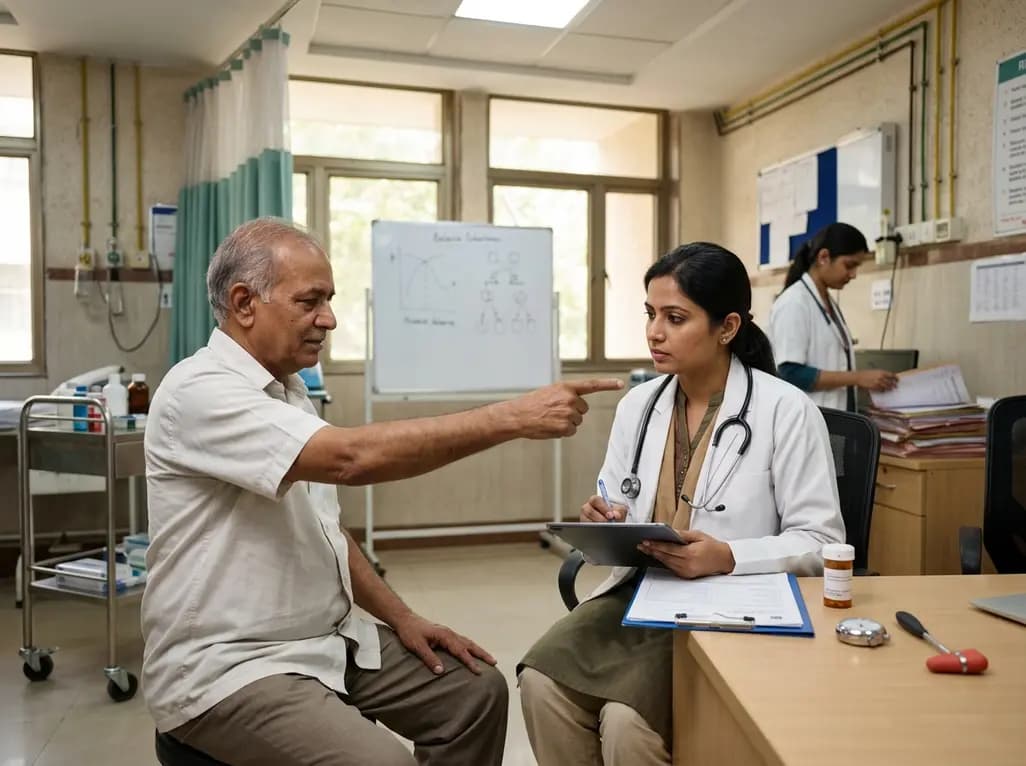
A randomized trial shows oral DL-3-n-butylphthalide (200 mg thrice daily) significantly slows functional decline in spinocerebellar ataxia type 3 over 12 months, improving SARA and SCAFI scores with favorable safety and zero serious adverse events.
2 days back
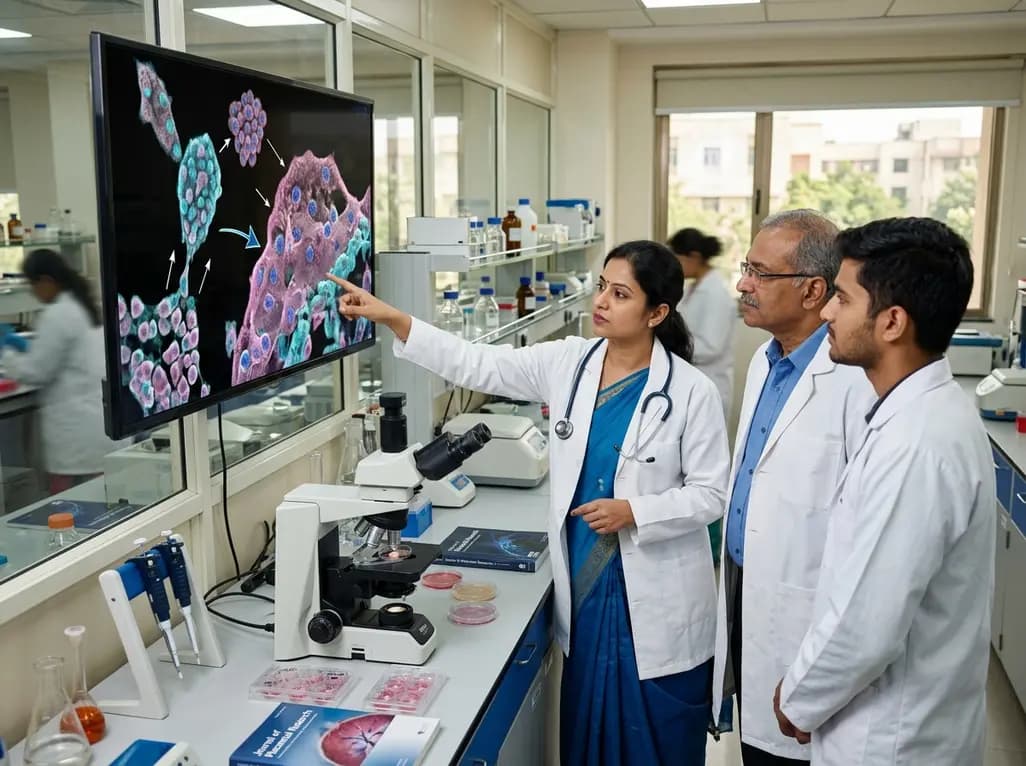
Recent research reveals that downregulating YAP1/TAZ-TEAD via Hippo signaling triggers spontaneous human trophoblast syncytialization in 3D cultures, illuminating placental biology and preeclampsia.
Last week
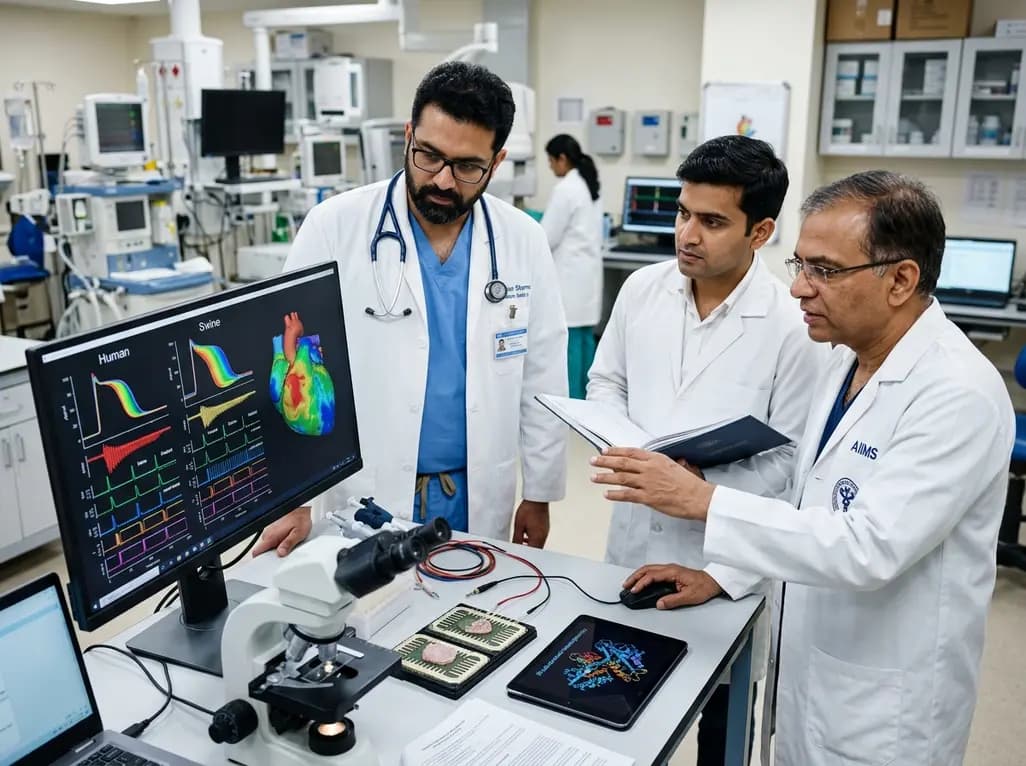
A landmark comparative study evaluates atrial electrophysiology across humans, swine, and rodents. By linking cellular recordings with transcriptomics and in silico modeling, researchers resolve cross-species gaps, explaining translational failures to advance targeted therapies for atrial arrhythmias.
Last week
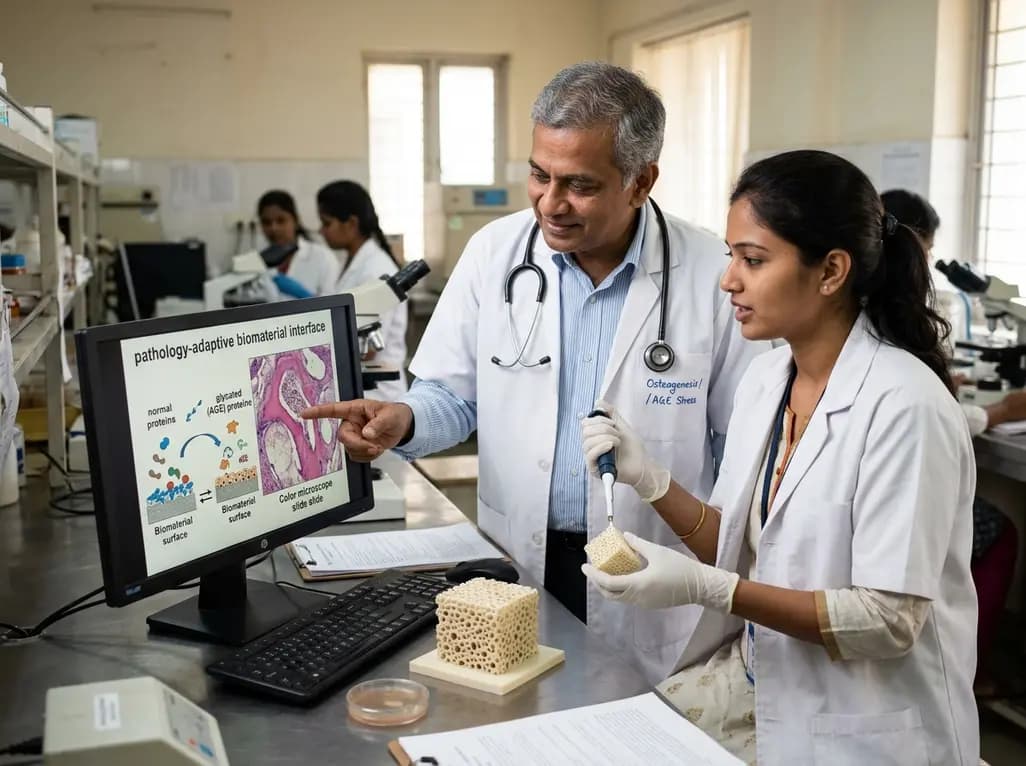
A novel pathology-adaptive surface engineering strategy uses functionalized plasma polymer coatings to selectively modulate AGE adsorption, reducing oxidative stress and restoring bone formation in diabetic and aging microenvironments.
last month
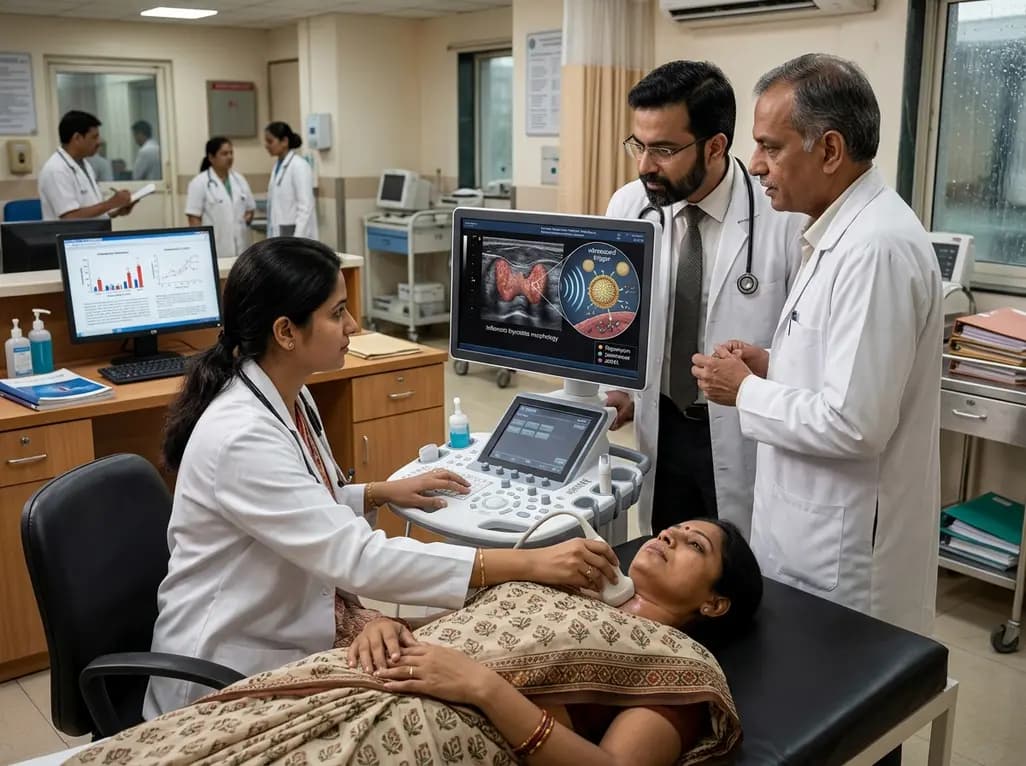
Researchers have developed an innovative ultrasound-responsive nano-contrast agent that co-delivers CIITA-siRNA and rapamycin directly to inflamed thyroid tissue, significantly reducing autoimmune injury and thyroid autoantibodies in preclinical models of Hashimoto thyroiditis.
Last week
