.webp&w=384&q=75)

Loading, please wait...
Loading, please wait...
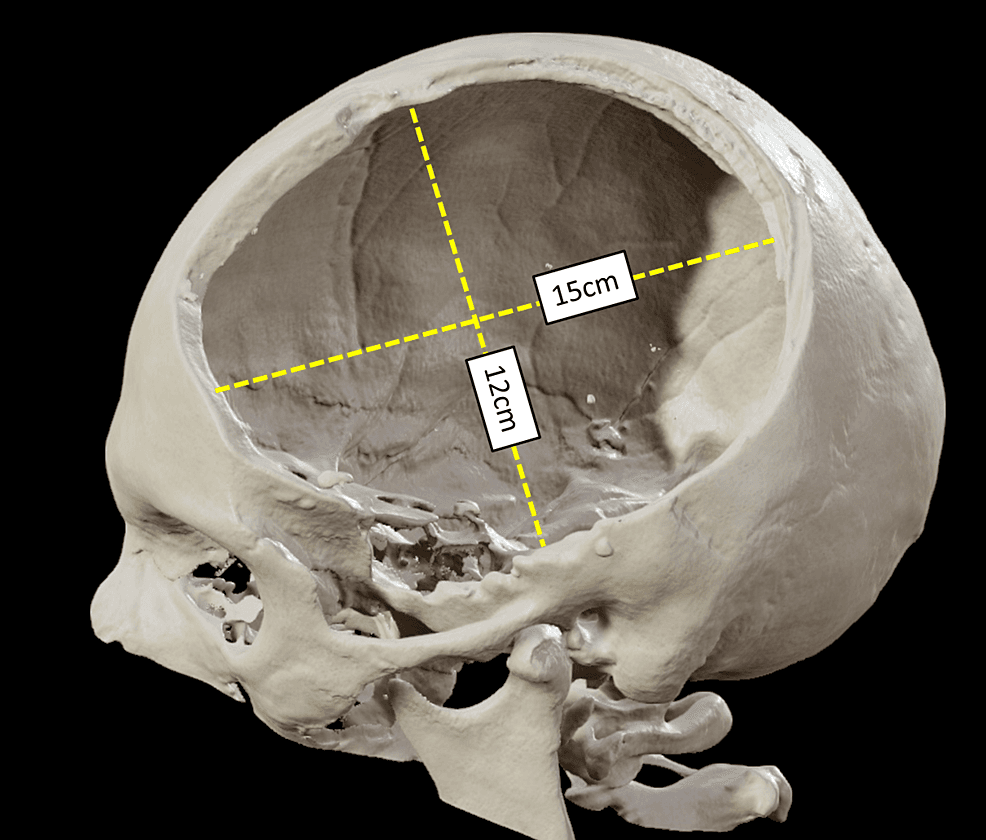
The PREDICT-AEDH randomized trial compared primary decompressive craniectomy with standard craniotomy and bone-flap replacement in patients with traumatic large acute epidural hematoma complicated by tentorial herniation. Between September 2020 and March 2025, 120 patients were randomized to decompressive craniectomy (n=58) or standard craniotomy (n=62), and all completed six-month follow-up. The primary endpoint was functional status at six months, assessed using the Glasgow Outcome Scale–Extended (GOSE). A favourable functional outcome (GOSE ≥5) occurred in 46 patients (79%) assigned to decompressive craniectomy compared with 52 (84%) assigned to standard craniotomy. The trial did not demonstrate a statistically significant difference in the distribution of six-month functional outcomes between the groups. Mortality, postoperative cerebral infarction, and health-related quality-of-life measures, including cognitive outcomes, were also reported as similar. These findings do not support routine primary decompressive craniectomy over standard craniotomy with bone-flap replacement in this selected population; interpretation should account for the relatively small sample size and the specific clinical setting studied.

Read summarized clinical updates, watch expert medical content, and earn CME certifications right from your smartphone.
Open your smartphone camera to scan and install.





The PREDICT-AEDH randomized trial compared primary decompressive craniectomy with standard craniotomy and bone-flap replacement in patients with traumatic large acute epidural hematoma complicated by tentorial herniation. Between September 2020 and March 2025, 120 patients were randomized to decompressive craniectomy (n=58) or standard craniotomy (n=62), and all completed six-month follow-up. The primary endpoint was functional status at six months, assessed using the Glasgow Outcome Scale–Extended (GOSE). A favourable functional outcome (GOSE ≥5) occurred in 46 patients (79%) assigned to decompressive craniectomy compared with 52 (84%) assigned to standard craniotomy. The trial did not demonstrate a statistically significant difference in the distribution of six-month functional outcomes between the groups. Mortality, postoperative cerebral infarction, and health-related quality-of-life measures, including cognitive outcomes, were also reported as similar. These findings do not support routine primary decompressive craniectomy over standard craniotomy with bone-flap replacement in this selected population; interpretation should account for the relatively small sample size and the specific clinical setting studied.
Today
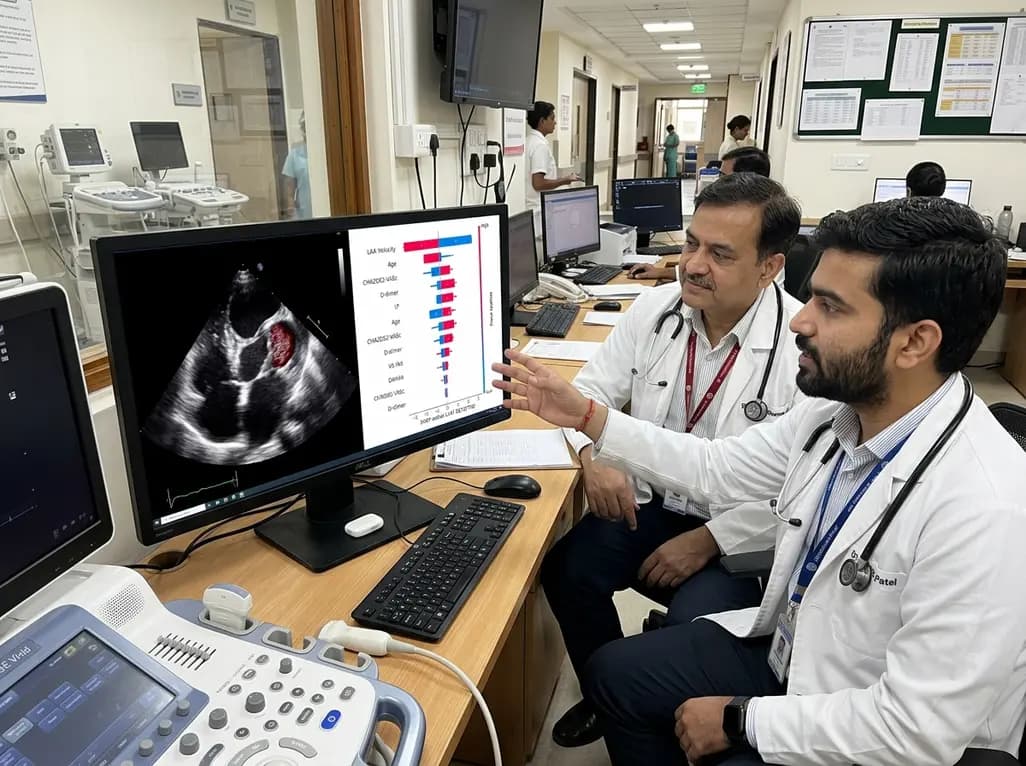
A study demonstrates an explainable machine learning framework integrating clinical and echocardiographic metrics to predict left atrial appendage thrombus in non-valvular atrial fibrillation, utilizing SHAP analysis for clinical interpretability.
3 days back

A systematic review and transcriptomic cross-study consensus analysis illuminates the role of necroptosis in cervical cancer. By promoting anti-tumor immunogenicity and resolving apoptosis resistance, necroptotic pathways offer actionable prognostic signatures and promising avenues for combination immunotherapy.
Yesterday
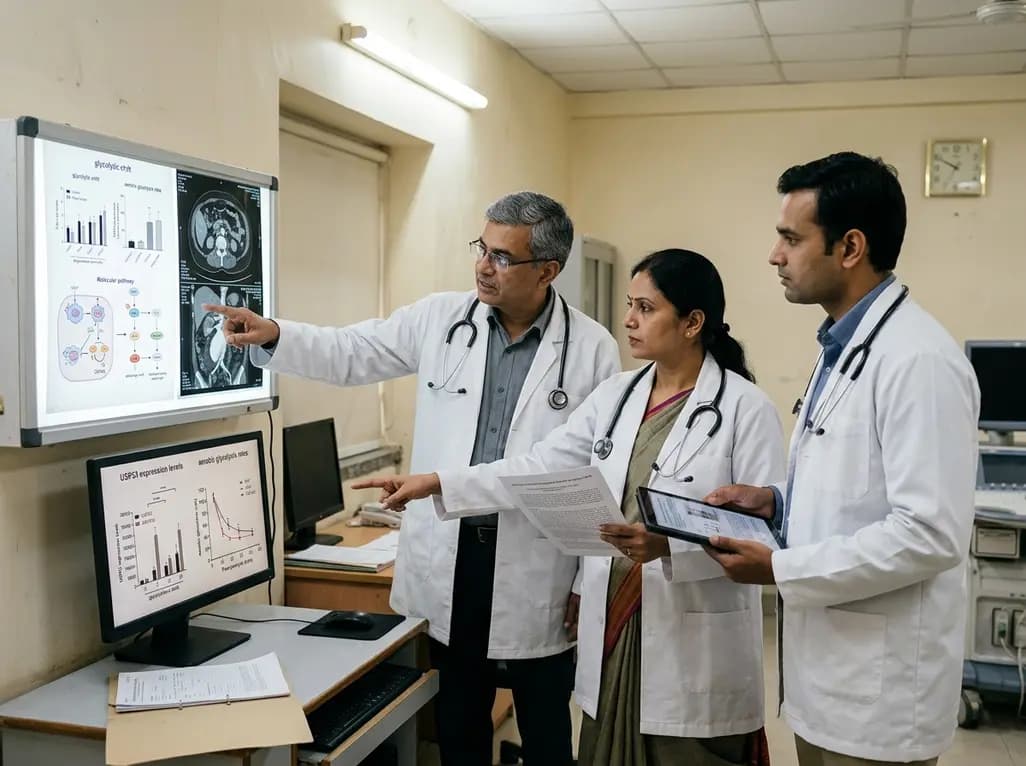
Abdominal aortic aneurysm rupture remains a catastrophic vascular emergency. Groundbreaking research reveals that USP53 accelerates aneurysm progression by reprogramming smooth muscle cell metabolism toward aerobic glycolysis, highlighting a promising target beyond conventional diameter-based surveillance.
Last week
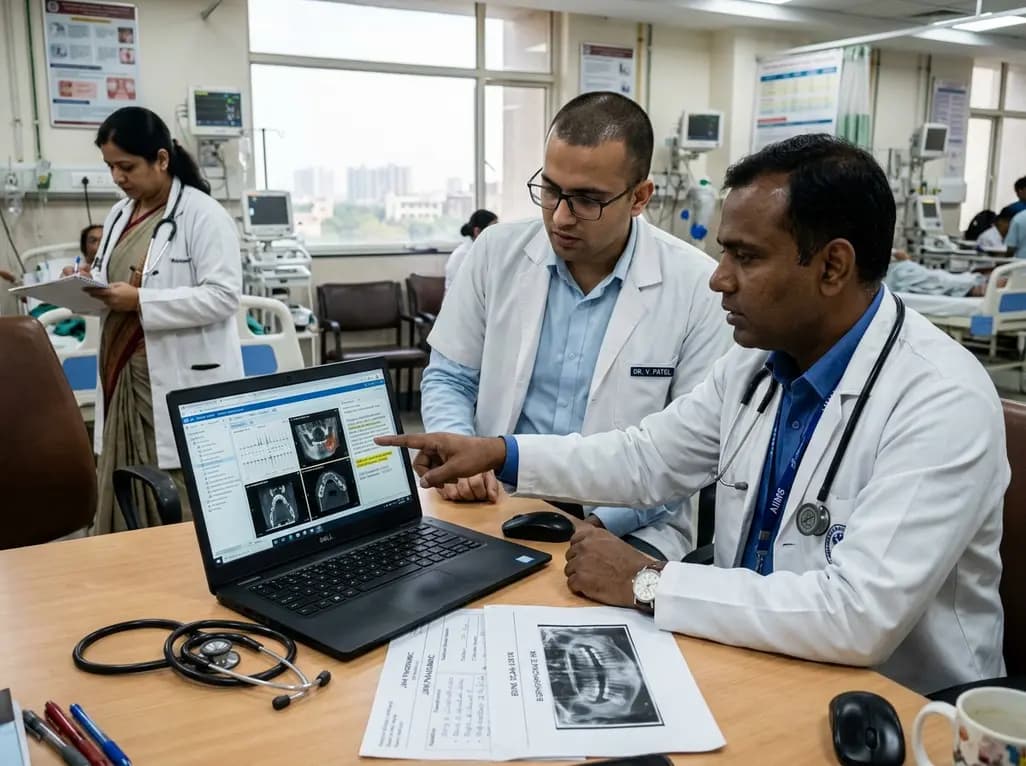
A breakthrough study leverages natural language processing to accurately identify incident medication-related osteonecrosis of the jaw and track antiresorptive drug holidays from clinical narratives in electronic health records, advancing osteoporosis pharmacovigilance and dental safety.
Last week

Recent research defines ferro-aging as a conserved iron-lipid axis driving organ decline across primates. Age-related iron dyshomeostasis stimulates ACSL4-mediated lipid peroxidation, promoting cellular senescence. Notably, vitamin C directly inhibits ACSL4, suppressing phospholipid oxidation and multi-organ decay.
Last week
