.webp&w=384&q=75)

Loading, please wait...
Loading, please wait...
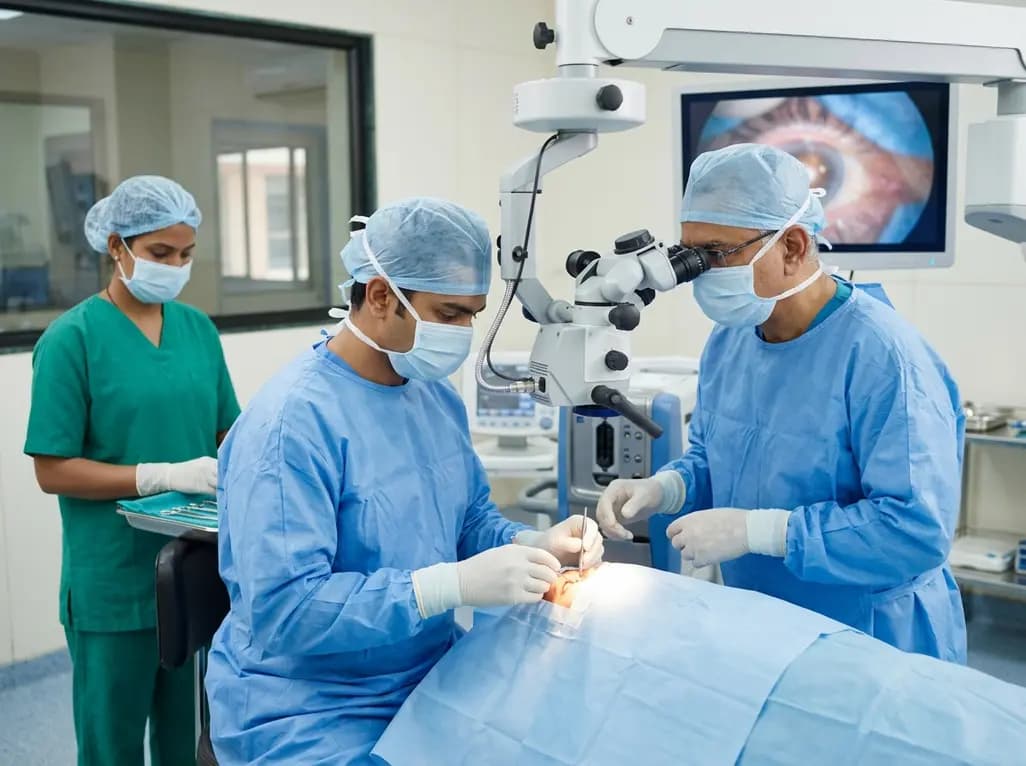
A recent study from the Moran Eye Center evaluates posterior capsular rupture rates in both routine and complex cataract surgeries. Between 2022 and 2024, researchers analyzed 14,240 cases to understand the impact of trainee involvement on surgical complications. This retrospective analysis provides valuable benchmarks for ophthalmologists and surgical educators worldwide.
The overall incidence of posterior capsular rupture (PCR) remained notably low at 0.67%. However, surgical complexity played a significant role in complication frequency. Specifically, complex cases resulted in a 1.4% PCR rate, while routine cases showed a significantly lower rate of 0.5%. These findings emphasize the importance of preoperative risk assessment in preventing intraoperative events. Therefore, surgeons must carefully identify high-risk eyes before entering the operating room.
Surprisingly, the presence or direct responsibility of a trainee did not significantly increase complication risks. The study demonstrated that PCR rates were comparable between cases managed by attendings alone and those involving residents or fellows. Consequently, structured training environments at major institutions appear to maintain high safety standards. This data supports the efficacy of supervised surgical education. Furthermore, it reassures patients that trainee participation does not compromise surgical quality in a controlled academic setting.
The results highlight that trainees can safely perform cataract surgery without elevating posterior capsular rupture rates. Successful outcomes likely stem from rigorous supervision and appropriate case selection for different skill levels. Moreover, the study confirms that case complexity is a much stronger predictor of complications than the surgeon's training status. Thus, institutions should continue focusing on meticulous risk stratification to maintain low complication rates.
Recent high-volume studies report an overall posterior capsular rupture rate of approximately 0.67%, although this varies based on case complexity and patient demographics.
No, data from major training institutions shows that resident and fellow participation does not significantly increase PCR rates when compared to attending-only surgeries.
Complex cases often involve factors like pseudoexfoliation, dense cataracts, or zonular instability. These conditions inherently increase the difficulty of the procedure regardless of the surgeon's experience level.
Disclaimer: This content is for informational and educational purposes only. It does not constitute medical advice or establish a doctor-patient relationship. Refer to the latest local and national guidelines for clinical practice.
References
Lee ST et al. Incidence of Posterior Capsular Rupture in Routine and Complex Cataract Surgeries at a Major Training Institution. J Cataract Refract Surg. 2026 Jun 16. doi: 10.1097/j.jcrs.0000000000001991. PMID: 42302311.
Royal College of Ophthalmologists. National Ophthalmology Database (NOD) Audit: 7th Annual Report 2024.
Elhusseiny AM, Sallam A. Risk of posterior capsular rupture in cataract surgery of fellow eyes. American Academy of Ophthalmology (AAO) 2024 Annual Meeting.

Read summarized clinical updates, watch expert medical content, and earn CME certifications right from your smartphone.
Open your smartphone camera to scan and install.





A comprehensive analysis of 14,240 cataract surgeries at the Moran Eye Center reveals that while complex cases have higher posterior capsular rupture (PCR) rates, trainee involvement does not negatively impact surgical safety.
4 months ago

Depemokimab offers twice-yearly dosing for severe eosinophilic asthma and chronic rhinosinusitis with nasal polyps, significantly cutting exacerbations and hospital admissions.
3 days back
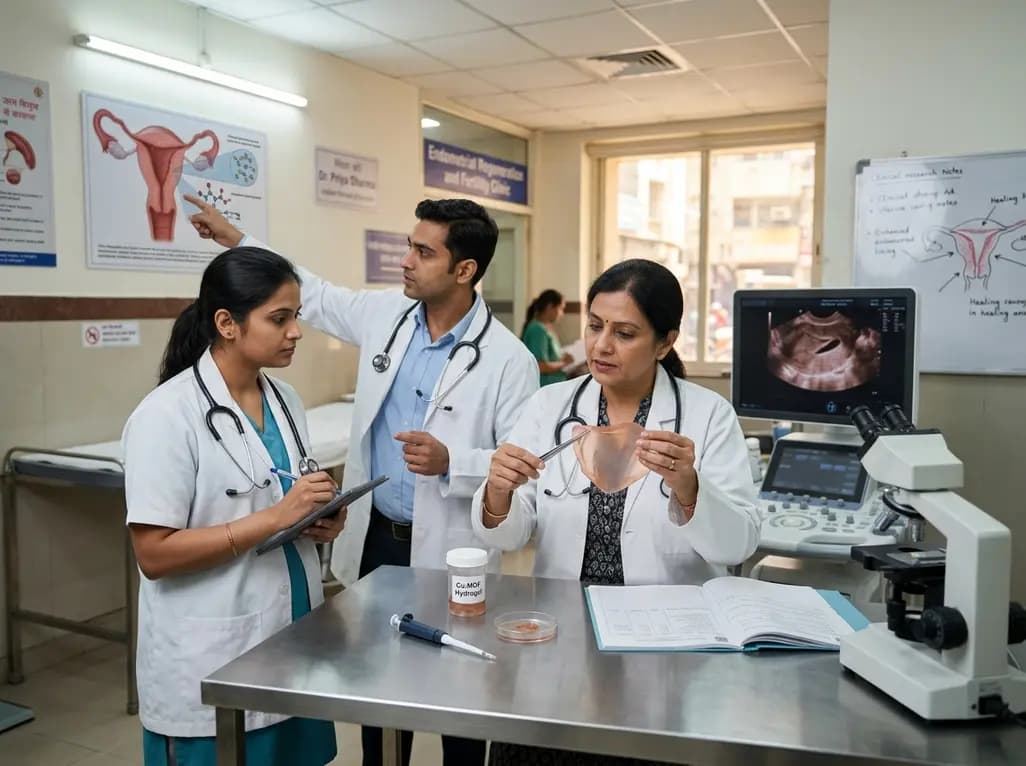
A novel copper metal-organic framework hydrogel remodels the uterine microenvironment to stimulate robust endometrial regeneration, reduce intrauterine fibrosis, and restore reproductive fertility, offering a groundbreaking strategy for managing refractory endometrial damage and Asherman syndrome.
4 days back
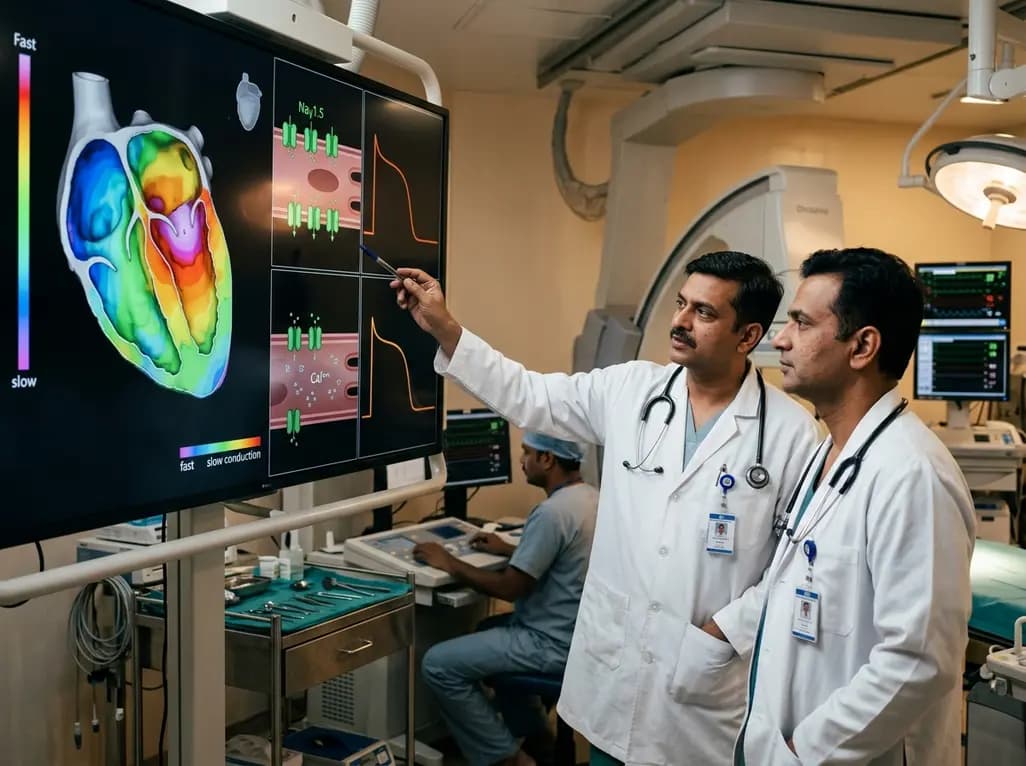
New research reveals that non-ablative radiotherapy suppresses ventricular tachycardia by increasing conduction velocity via NaV1.5 upregulation and action potential prolongation. However, sustained sodium current elevation and depressed calcium handling highlight the need for careful clinical translation.
6 days back

A single-cell transcriptomic atlas reveals how peripheral nerve injuries cause dorsal root ganglion remodeling. By evaluating proximal nerve crush and resection, researchers identify distinct glial and immune programs that resolve neuropathic pain and promote regeneration.
3 days back
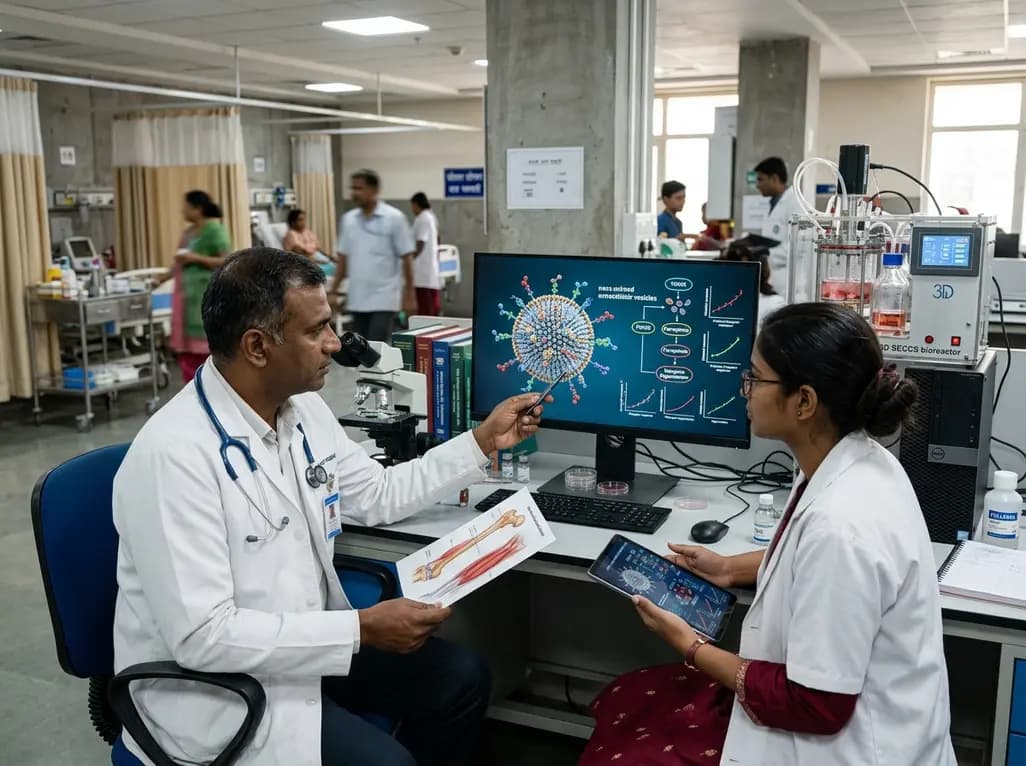
A breakthrough study demonstrates that fullerol-primed extracellular vesicles generated in a 3D SECCS bioreactor attenuate ferroptosis and restore myogenic regeneration in diabetes via the FOXO3 pathway, offering a cell-free therapeutic strategy for diabetic musculoskeletal degeneration.
3 days back
