.webp&w=384&q=75)

Loading, please wait...
Loading, please wait...
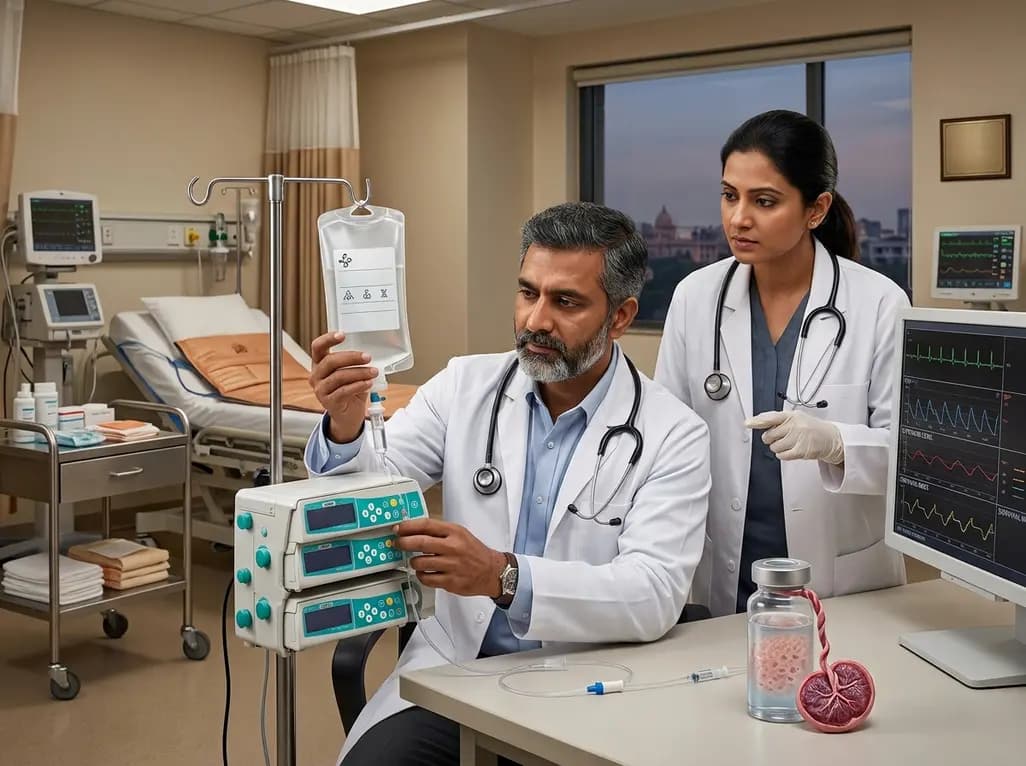
Severe burn injuries trigger a rapid and devastating systemic inflammatory response throughout the human body. Consequently, early patient survival depends heavily on timely fluid resuscitation and active body temperature management during acute burn shock. However, delivering optimal supportive care remains extremely challenging in austere, disaster, or resource-limited clinical environments. Emerging cell-based interventions, particularly placenta-derived stem cells, offer promising immunomodulatory and tissue-stabilizing benefits. Preclinical research evaluates whether intravenous choriodecidual mesenchymal stem cell administration can enhance early survival when standard fluid resuscitation and thermal support are delayed or suboptimal.
To evaluate cell therapy under controlled conditions, researchers analyzed sixty adult male Sprague-Dawley rats. Each animal was subjected to a standardized forty percent total body surface area full-thickness burn injury. Investigators randomly assigned the animals into six experimental groups, with ten rats per group. The study design systematically compared various supportive care regimens against intravenous cellular intervention. Specifically, protocols evaluated low-volume fluid resuscitation using one-fold Lactated Ringer solution against standard three-fold fluid administration. Furthermore, investigators assessed thermal support variations by comparing basic heating lamps with regulated incubator warming. Selected experimental groups also received intravenous placenta-derived stem cells as an adjunctive therapeutic strategy. Researchers monitored fourteen-day survival using Kaplan-Meier methodology and log-rank statistical testing. Longitudinal assessments tracked vital physiological markers, including serum levels of pro-inflammatory cytokines such as TNF-alpha, IL-1beta, and IL-6. Additionally, investigators measured body weight, voluntary fluid intake, and core temperature changes. This robust multi-arm design enabled precise evaluation of how cellular therapy interacts with fluid resuscitation and thermal management.
The trial results demonstrated that the initial post-injury period represents the most vulnerable therapeutic window. Notably, ninety-three percent of all animal mortality occurred within the first three days following burn trauma. In animals receiving low-volume fluid resuscitation, survival dropped sharply to thirty percent in the untreated control group. However, administering intravenous placenta-derived stem cells increased survival to fifty percent within the same low-volume environment. Therefore, cellular therapy provided a statistically meaningful survival benefit when fluid resuscitation was insufficient. Conversely, when animals received full fluid resuscitation and incubator warming, baseline survival reached eighty percent without stem cell treatment. Adding cell therapy to this optimized regimen further increased survival to ninety percent. Although this numerical gain did not maintain statistical significance after multivariable adjustment, the positive survival trend remained clear. Ultimately, the survival advantage was most pronounced in resource-constrained scenarios where standard fluid resuscitation could not be adequately provided.
Thermal management exerted a profound influence on overall survival across all treatment groups. Animals kept in warmed incubators demonstrated markedly higher survival rates, even when provided with lower fluid resuscitation volumes. Crucially, intravenous placenta-derived stem cells significantly attenuated post-burn hypothermia. Thermal instability is a key driver of early post-burn mortality; thus, stabilizing core body temperature prevented catastrophic physiological collapse. Furthermore, animals treated with stem cells experienced significantly reduced body weight loss and attenuated clinical dehydration. Biochemical evaluations provided further physiological insight into these systemic improvements. Specifically, cellular administration led to a substantial reduction in circulating pro-inflammatory cytokines, including TNF-alpha, IL-1beta, and IL-6. By blunting this hyperinflammatory cascade, cellular therapy attenuated systemic capillary leakage and protected end-organ function. Consequently, these physiological improvements directly translated into enhanced early survival during acute burn shock.
In emergency medicine and critical care, managing major thermal injuries demands rapid, high-volume crystalloid resuscitation. However, clinicians working in military operational environments, mass casualty disasters, and low-resource medical centers frequently encounter supply shortages. Under these challenging circumstances, delivering target fluid volumes or maintaining patient normothermia is often impossible. These preclinical findings suggest that placenta-derived stem cells could serve as an effective adjunctive therapy during early resuscitation. By counteracting acute systemic inflammation and maintaining physiological stability, cell therapy provides crucial protection when standard supportive care is delayed. Moreover, human choriodecidual stem cells offer practical advantages, including ready availability, low immunogenicity, and high expanded yield. Consequently, developing off-the-shelf allogeneic cell products could revolutionize emergency burn management protocols. Future clinical trials must now determine human safety, optimal dosing regimens, and exact timing of administration.
Elucidating the underlying biological mechanisms is crucial for advancing cellular therapies into human clinical trials. Placental choriodecidual mesenchymal stem cells act primarily through powerful paracrine mechanisms that suppress overwhelming systemic inflammation. Following intravenous delivery, these cells secrete anti-inflammatory cytokines, anti-apoptotic factors, and microvascular protective signals. Consequently, microvascular permeability decreases, helping maintain intravascular volume despite low fluid intake. Furthermore, suppressing pro-inflammatory pathways reduces excessive hypermetabolic expenditure and central thermal dysregulation. These combined physiological actions explain why animals receiving placenta-derived stem cells demonstrated superior body temperature control, lower dehydration rates, and better survival. Although deep full-thickness burn wounds ultimately require surgical debridement and skin grafting, early systemic stabilization using stem cells creates an invaluable therapeutic bridge. Therefore, integrating cell therapy into early burn resuscitation algorithms represents a promising strategy for reducing early mortality in severe burn shock.
Placenta-derived stem cells enhance survival by modulating systemic inflammatory responses after severe thermal injury. They significantly lower circulating pro-inflammatory cytokines, including TNF-alpha, IL-1beta, and IL-6. Furthermore, these cells help stabilize core body temperature, prevent severe post-burn hypothermia, reduce weight loss, and decrease acute dehydration. These combined physiological effects preserve intravascular stability and organ function during early burn shock when fluid resuscitation is inadequate.
Thermal support is critical because major burn trauma destroys skin barrier function, causing massive evaporative heat loss and severe hypothermia. Preclinical data show that hypothermia substantially increases early post-burn mortality, regardless of fluid volume. Maintaining normothermia through active warming devices preserves cellular metabolism, prevents microvascular failure, and significantly enhances early survival. Combined with cell therapy, thermal support provides powerful synergistic protection during acute resuscitation phases.
No, stem cell therapy cannot replace conventional intravenous fluid resuscitation. Intravenous crystalloids remain essential for replacing fluid losses and maintaining cardiac preload during acute burn shock. However, placenta-derived stem cells serve as an invaluable adjunctive therapy. They confer additive survival benefits, especially in resource-limited or disaster settings where ideal fluid volumes and advanced warming equipment are temporarily unavailable.
Disclaimer: This content is for informational and educational purposes only and does not constitute medical advice. Refer to the latest local and national guidelines for clinical practice.
References
Yeong EK et al. Intravenous placenta-derived mesenchymal stem cells enhance early survival as an adjunct to supportive care in severe burn: a preclinical study. Stem Cell Res Ther. 2026 Jul 24. doi: undefined. PMID: 42493791.
American Burn Association. Burn Shock Resuscitation Practice Guidelines. J Burn Care Res. 2025;46(2):210-220.
Greenhalgh DG. Management of severe burn injury and fluid resuscitation strategies. Crit Care Med. 2024;52(4):550-562.

Read summarized clinical updates, watch expert medical content, and earn CME certifications right from your smartphone.
Open your smartphone camera to scan and install.





A preclinical study demonstrates that intravenous placenta-derived mesenchymal stem cells enhance early survival after severe burn injury. The therapy attenuates hypothermia, reduces inflammatory cytokines, and provides critical additive benefits during suboptimal fluid resuscitation and thermal support.
2 months ago
Depemokimab offers twice-yearly dosing for severe eosinophilic asthma and chronic rhinosinusitis with nasal polyps, significantly cutting exacerbations and hospital admissions.
3 days back
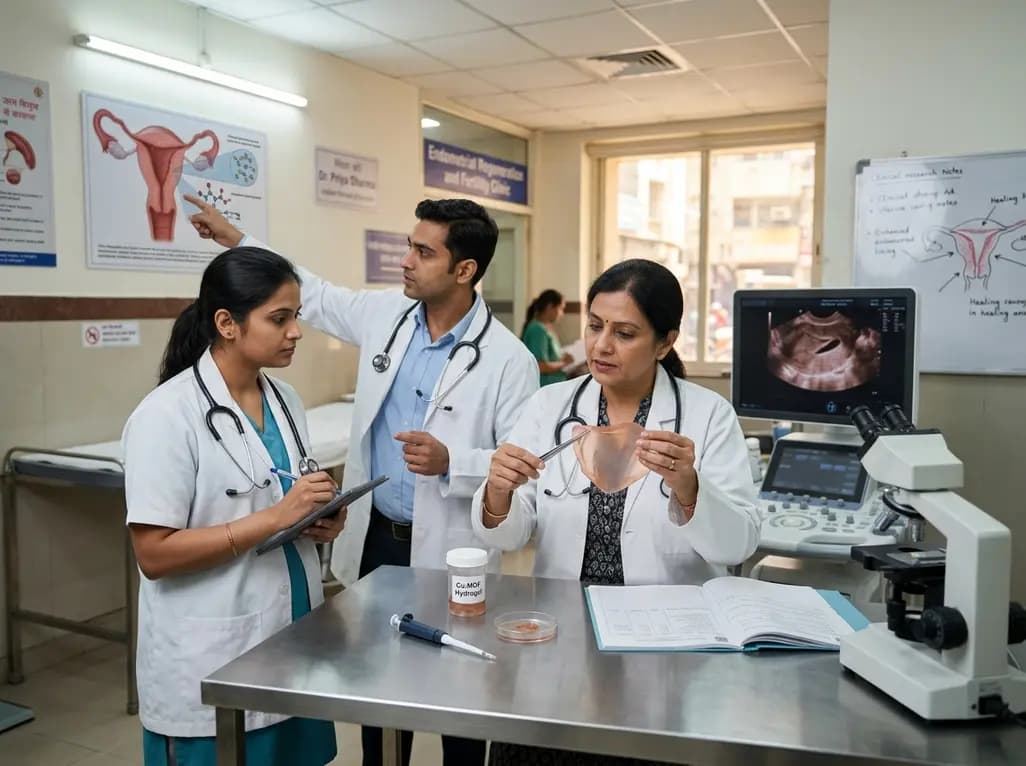
A novel copper metal-organic framework hydrogel remodels the uterine microenvironment to stimulate robust endometrial regeneration, reduce intrauterine fibrosis, and restore reproductive fertility, offering a groundbreaking strategy for managing refractory endometrial damage and Asherman syndrome.
4 days back
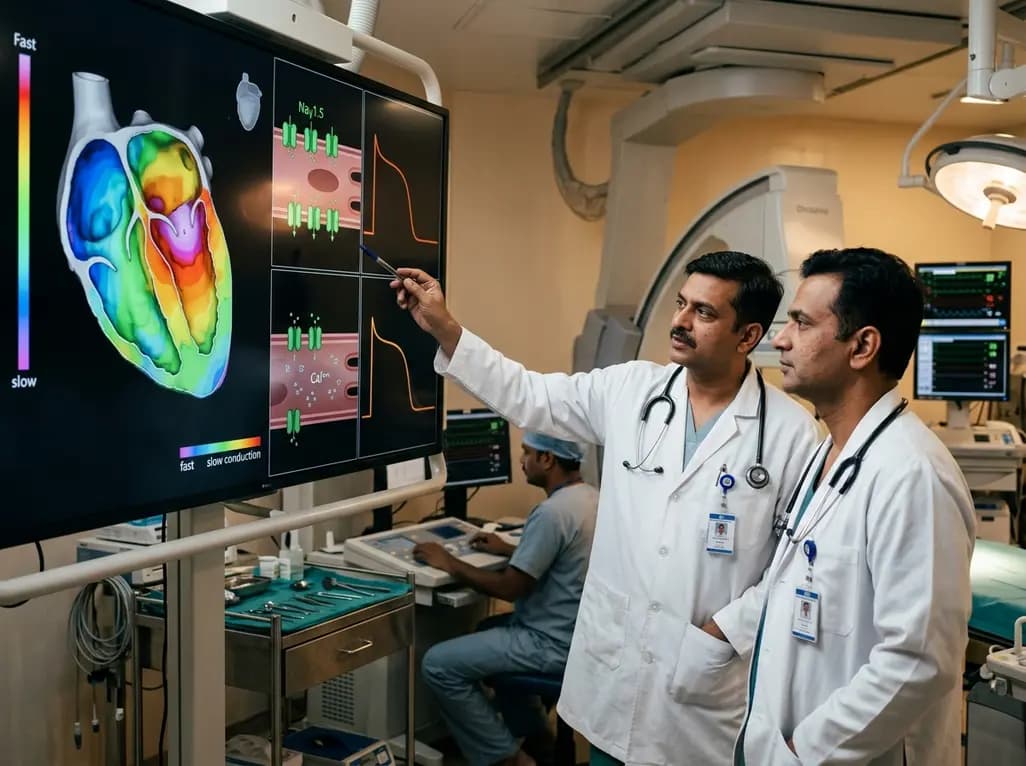
New research reveals that non-ablative radiotherapy suppresses ventricular tachycardia by increasing conduction velocity via NaV1.5 upregulation and action potential prolongation. However, sustained sodium current elevation and depressed calcium handling highlight the need for careful clinical translation.
6 days back
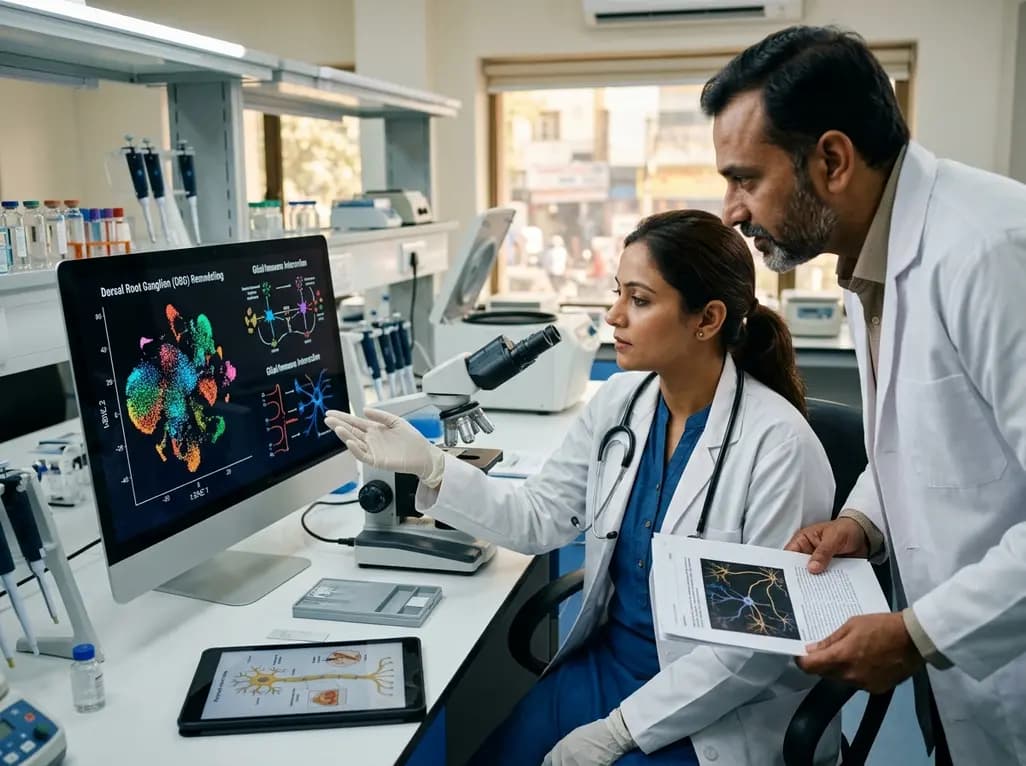
A single-cell transcriptomic atlas reveals how peripheral nerve injuries cause dorsal root ganglion remodeling. By evaluating proximal nerve crush and resection, researchers identify distinct glial and immune programs that resolve neuropathic pain and promote regeneration.
3 days back
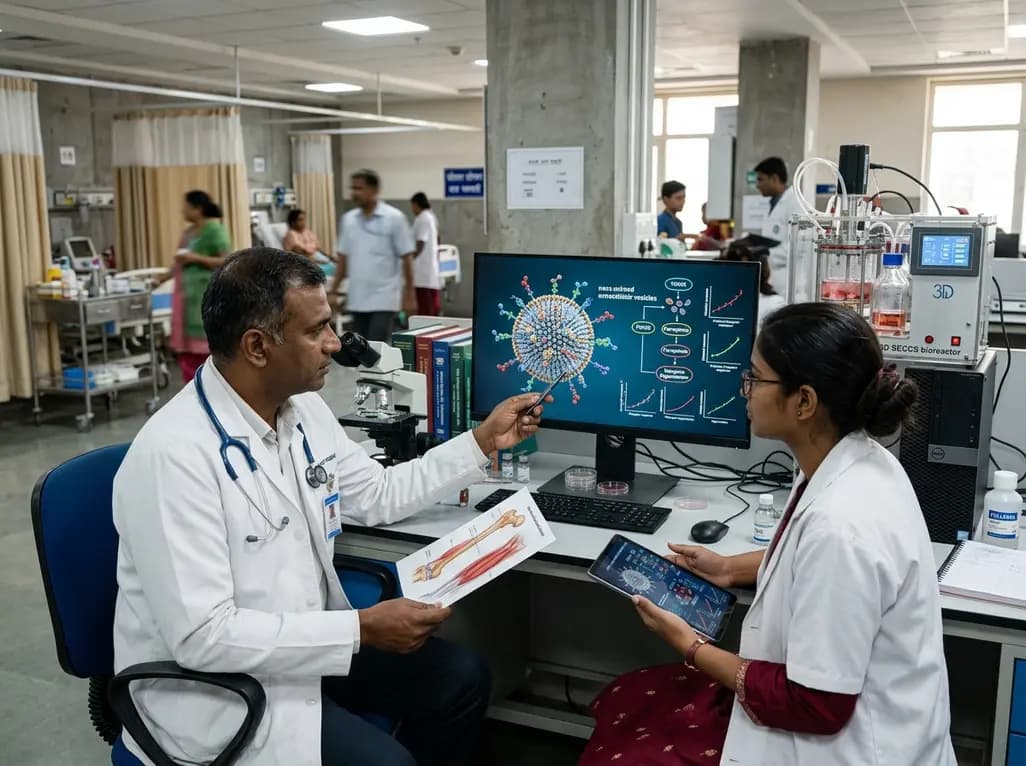
A breakthrough study demonstrates that fullerol-primed extracellular vesicles generated in a 3D SECCS bioreactor attenuate ferroptosis and restore myogenic regeneration in diabetes via the FOXO3 pathway, offering a cell-free therapeutic strategy for diabetic musculoskeletal degeneration.
3 days back
