.webp&w=384&q=75)

Loading, please wait...
Loading, please wait...

Traditionally, scientists viewed the cellular interior as a simple, crowded soup where biological molecules competed for space. This concept, known as excluded volume, suggested that the high density of proteins and nucleic acids primarily influenced biochemical reactions through steric hindrance. However, recent research has fundamentally shifted this paradigm by introducing the concept of RNA-mediated molecular crowding. Instead of acting as passive fillers, RNA molecules function as active organizers within the cellular environment. They create complex interaction networks that govern molecular organization across multiple scales. Consequently, the cytoplasm is now understood as a highly structured medium where RNA-centered connectivity dictates the behavior of both proteins and other nucleic acids. This interaction-driven framework reveals that crowding is not merely a physical limitation but a sophisticated regulatory mechanism. Furthermore, these principles help explain how cells maintain homeostasis despite the immense concentration of macromolecules. By understanding these physicochemical foundations, clinicians and researchers can better appreciate the intricate balance required for cellular health. As we delve deeper into this phenomenon, it becomes evident that the spatial arrangement of molecules is a direct consequence of specific RNA-encoded features. Therefore, rethinking the nature of cellular crowding is essential for modern medical education and pathology.
The primary driver of molecular organization within the cell is the inherent multivalency of RNA sequences. RNA molecules often contain repetitive elements and specific motifs that allow them to engage in numerous simultaneous interactions. Specifically, these multivalent RNA-RNA and RNA-protein interactions facilitate the formation of extensive connectivity networks. Unlike simple globular proteins, long RNA strands can bridge multiple partners, acting as scaffolds for the assembly of large macromolecular complexes. Moreover, the length and concentration of these RNA species play a critical role in tuning the physical state of the cytoplasm. When the concentration of multivalent RNAs increases, it promotes a process known as percolation, where molecules form a system-spanning network. This transition is vital for the dynamic regulation of cellular processes, as it allows for the rapid assembly and disassembly of functional modules. Additionally, the sequence composition of RNA determines the strength and specificity of these interactions, thereby shaping the mesoscale organization of the cell. In this context, RNA acts as a programmable material that directs the flow of molecular traffic. Consequently, any alteration in RNA sequence or expression levels can significantly disrupt these networks, leading to cellular dysfunction. Understanding these connectivity rules is fundamental to grasping how RNA-mediated molecular crowding influences physiological outcomes.
Beyond simple sequences, the three-dimensional structural topology of RNA significantly influences the cellular landscape. Higher-order motifs, such as G-quadruplexes and intricate secondary structures, serve as potent interaction modules that enhance RNA-mediated molecular crowding. These structural features increase the local density of binding sites, thereby promoting the formation of dense molecular clusters. For instance, G-quadruplexes can act as focal points for protein recruitment, effectively concentrating specific enzymatic activities within localized regions. Furthermore, the structural complexity of RNA allows it to act as a topological constraint, influencing the diffusion and stability of neighboring molecules. As a result, different RNA species can create distinct microenvironments within the same cellular compartment. Moreover, the presence of these structural motifs can facilitate phase separation by lowering the energy barrier required for droplet formation. Consequently, the structural integrity of RNA is paramount for maintaining the organized state of the cytoplasm. When RNA structures are compromised, either through mutations or chemical modifications, the resulting changes in crowding can lead to the formation of aberrant aggregates. Therefore, structural topology is not just a feature of individual molecules but a key determinant of the overall physical properties of the cell. This perspective highlights the importance of RNA folding in both health and disease.
The transition from a dispersed molecular state to a condensed one is governed by the principles of phase separation and percolation. In the framework of RNA-mediated crowding, these processes are highly sensitive to the physicochemical properties of the environment. Specifically, RNA length and the density of multivalent motifs determine the boundaries at which phase separation occurs. When RNA concentration reaches a critical threshold, the system separates into a dense phase, known as a biomolecular condensate, and a dilute phase. These condensates, such as stress granules or nucleoli, are essential for compartmentalizing cellular functions without the need for lipid membranes. Furthermore, the connectivity within these droplets is maintained by a continuous network of interactions, which ensures their liquid-like dynamics and functionality. In addition, environmental factors like pH and ionic strength can modulate these phase boundaries, allowing the cell to respond rapidly to external stimuli. However, the same mechanisms that drive physiological phase separation can also lead to pathological transitions. For example, if the interaction network becomes too rigid, the condensate may undergo a phase transition into a solid-like aggregate. Consequently, maintaining the fluidity and reversibility of these assemblies is crucial for cellular survival. This dynamic nature of RNA-mediated organization provides a robust yet flexible system for regulating life at the molecular level.
Dysregulation of RNA-mediated crowding is increasingly recognized as a hallmark of various human pathologies. In neurodegenerative diseases like Amyotrophic Lateral Sclerosis (ALS) and Frontotemporal Dementia (FTD), mutations often lead to the formation of persistent RNA-protein aggregates. These pathological inclusions disrupt normal cellular organization and interfere with essential transport processes. Specifically, the loss of fluid-like properties in biomolecular condensates is a direct consequence of altered RNA interaction networks. Moreover, in the context of oncology, aberrant phase separation can drive the formation of oncogenic signaling hubs. For instance, long non-coding RNAs have been shown to facilitate the clustering of transcription factors, thereby promoting the expression of genes involved in tumor progression. Consequently, understanding the physicochemical triggers of these shifts is vital for identifying novel biomarkers and therapeutic targets. Furthermore, the study of molecular crowding provides a unifying link between seemingly disparate diseases, suggesting that many disorders share a common biophysical origin. By analyzing how RNA-encoded features promote pathological aggregation, researchers can develop strategies to prevent or reverse these processes. Thus, the principles of RNA-mediated crowding are not only relevant to basic science but have profound implications for clinical practice and disease management. This growing field offers a new lens through which to view the complexity of human disease.
The burgeoning understanding of RNA-mediated crowding opens new avenues for therapeutic intervention. Modern pharmacology is shifting its focus toward modulating the interaction networks that define cellular organization. Specifically, small molecules designed to target RNA structural motifs, such as G-quadruplexes, can be used to disrupt aberrant phase transitions. Furthermore, the development of RNA-targeted therapies, including antisense oligonucleotides and RNA-binding drugs, offers a precise way to manipulate the crowding environment. In addition, researchers are exploring the possibility of using synthetic RNA scaffolds to re-engineer cellular compartments for regenerative medicine. Consequently, these advances may lead to the creation of a new class of treatments for currently incurable neurodegenerative and malignant conditions. Moreover, the ability to tune phase boundaries using chemical agents provides a powerful tool for controlling cellular behavior in a clinical setting. However, achieving high specificity remains a challenge, as the interaction networks are complex and highly interconnected. Therefore, future research must focus on the detailed mapping of the RNA-protein interactome to identify the most effective therapeutic nodes. As we move forward, the integration of biophysics and clinical medicine will be essential for translating these discoveries into meaningful patient outcomes. The future of medicine lies in our ability to master the subtle forces that organize the cellular world.
In neurodegenerative disorders like ALS, RNA-mediated molecular crowding plays a critical role in the transition from healthy, fluid biomolecular condensates to pathological, solid aggregates. When the interaction networks between RNA and proteins are disrupted, usually by genetic mutations or environmental stress, the crowding environment becomes imbalanced. This leads to the formation of persistent inclusions that clog cellular pathways and impair neuronal function, eventually resulting in cell death.
RNA length and concentration are primary tuning parameters for the phase boundaries of cellular compartments. Longer RNA strands typically possess higher multivalency, allowing them to form more extensive interaction networks at lower concentrations compared to shorter fragments. As concentration increases, these molecules promote percolation and phase separation, creating specialized microenvironments. Consequently, fluctuations in RNA levels can rapidly alter the physical state and spatial organization of the entire cytoplasm.
Yes, targeting the physicochemical principles of RNA-mediated crowding offers a promising therapeutic frontier in oncology. Many cancers rely on the formation of aberrant condensates to concentrate oncogenic signaling molecules and transcription factors. By using small molecules to interfere with specific RNA-RNA or RNA-protein interactions, it is possible to dissolve these pathological hubs. This approach aims to restore normal cellular organization and inhibit the molecular drivers of tumor growth and metastasis.
Disclaimer: This content is for informational and educational purposes only... Refer to the latest local and national guidelines for clinical practice.
References
Fiorentino J et al. Physicochemical principles of RNA-mediated crowding. Curr Opin Struct Biol. 2026 Jul 16. doi: undefined. PMID: 42462360.
Shin Y, Brangwynne CP. Liquid phase separation in living cells. Science. 2017;357(6357):eaaf4382. doi: 10.1126/science.aaf4382.
Alberti S, Hyman AA. Biomolecular condensates at the nexus of cellular stress, energetic status and disease. Nat Rev Mol Cell Biol. 2021;22(3):196-213. doi: 10.1038/s41580-020-00326-8.

Read summarized clinical updates, watch expert medical content, and earn CME certifications right from your smartphone.
Open your smartphone camera to scan and install.





Discover how RNA-mediated molecular crowding shapes cellular organization through interaction networks. This article reviews the physicochemical principles of phase separation and its critical implications for neurodegenerative diseases and oncology, offering new insights for therapeutic development.
3 months ago

Depemokimab offers twice-yearly dosing for severe eosinophilic asthma and chronic rhinosinusitis with nasal polyps, significantly cutting exacerbations and hospital admissions.
3 days back

A novel copper metal-organic framework hydrogel remodels the uterine microenvironment to stimulate robust endometrial regeneration, reduce intrauterine fibrosis, and restore reproductive fertility, offering a groundbreaking strategy for managing refractory endometrial damage and Asherman syndrome.
4 days back
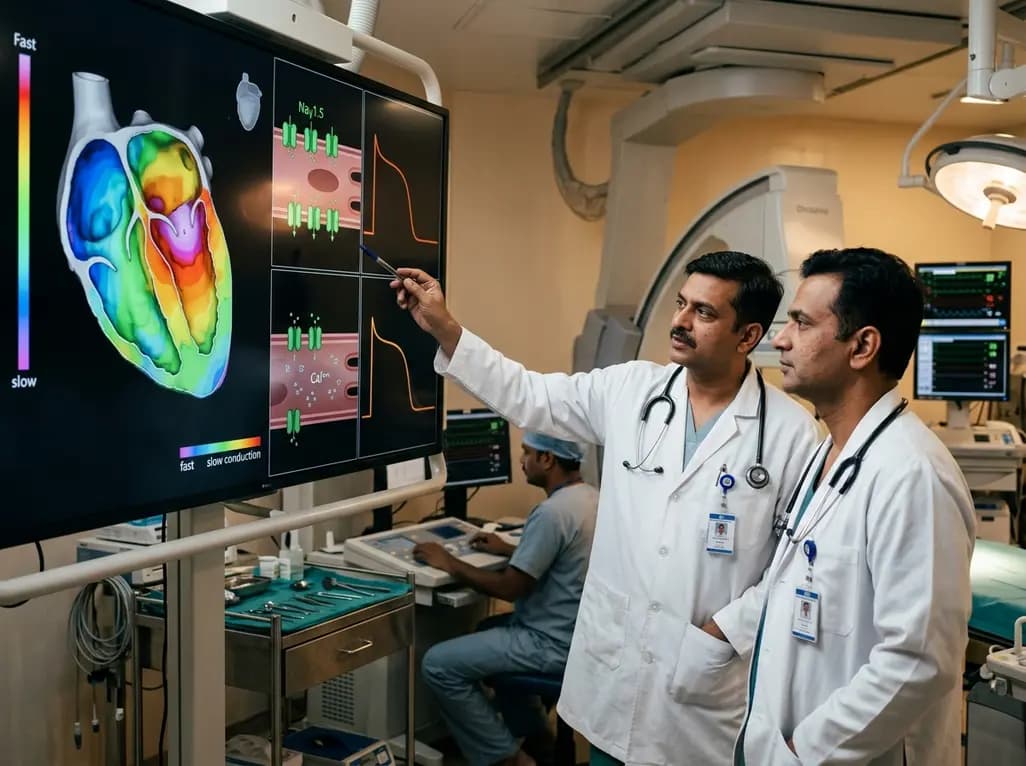
New research reveals that non-ablative radiotherapy suppresses ventricular tachycardia by increasing conduction velocity via NaV1.5 upregulation and action potential prolongation. However, sustained sodium current elevation and depressed calcium handling highlight the need for careful clinical translation.
6 days back

A single-cell transcriptomic atlas reveals how peripheral nerve injuries cause dorsal root ganglion remodeling. By evaluating proximal nerve crush and resection, researchers identify distinct glial and immune programs that resolve neuropathic pain and promote regeneration.
3 days back
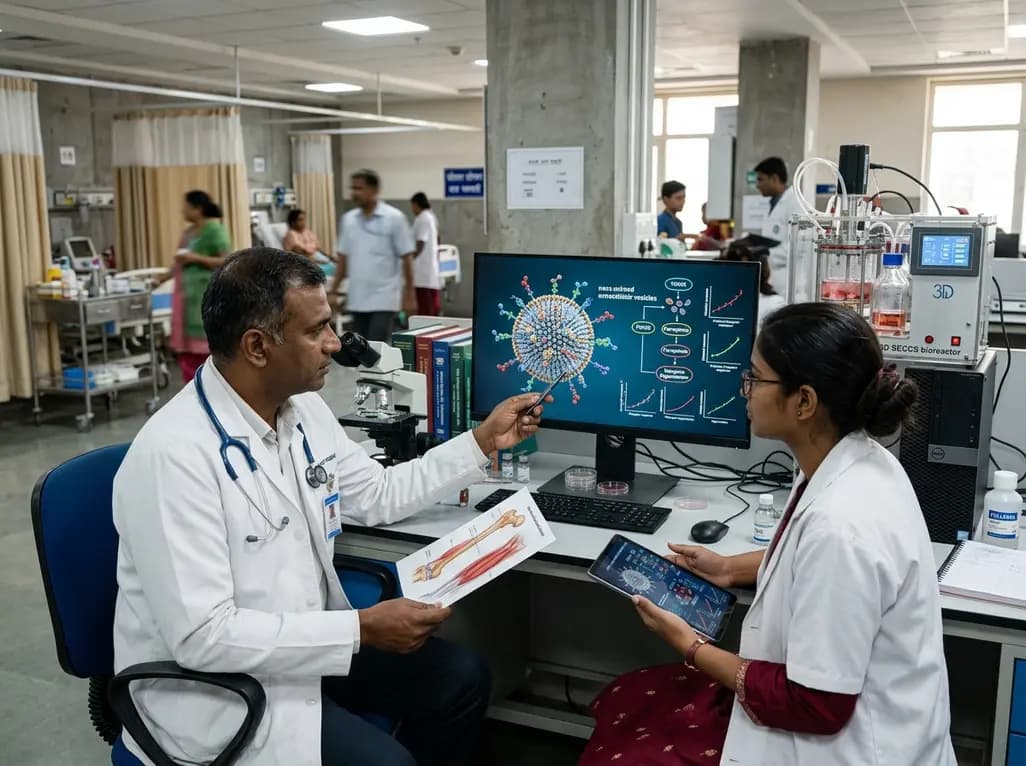
A breakthrough study demonstrates that fullerol-primed extracellular vesicles generated in a 3D SECCS bioreactor attenuate ferroptosis and restore myogenic regeneration in diabetes via the FOXO3 pathway, offering a cell-free therapeutic strategy for diabetic musculoskeletal degeneration.
3 days back
